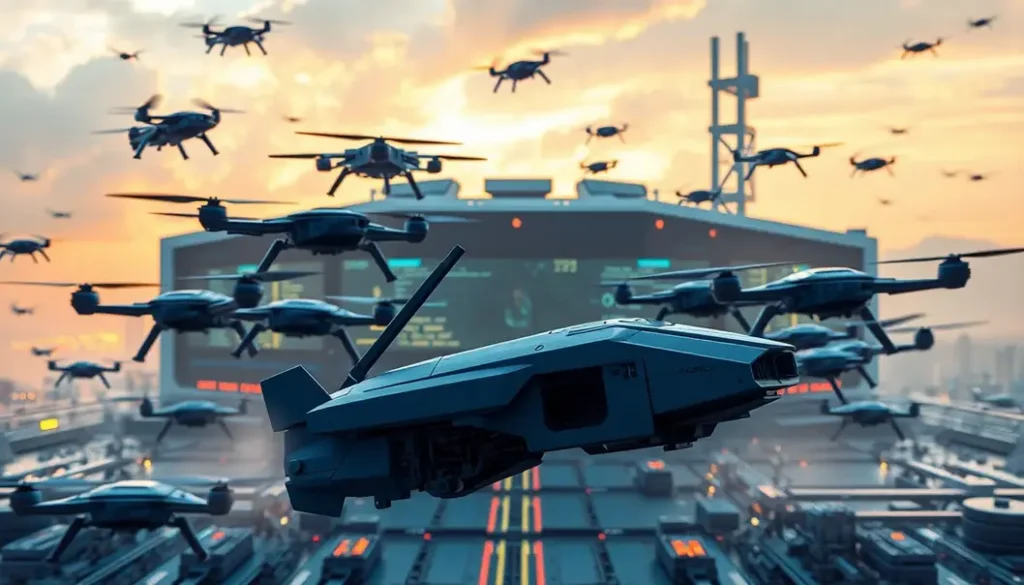
Swarm robotics represents a groundbreaking field that integrates swarming behavior seen in nature with engineering principles. By coordinating multiple robots to operate collectively, engineers can create flexible systems capable of undertaking complex tasks more efficiently than single-unit approaches. The defense sector stands to gain significantly from these advancements as swarm technologies enhance reconnaissance, logistics, and autonomous operations. This exploration delves into the underlying principles, applications, and future prospects of swarm robotics in defense, serving as a guide for engineers eager to leverage these innovative systems.
Fundamentals of Swarm Robotics
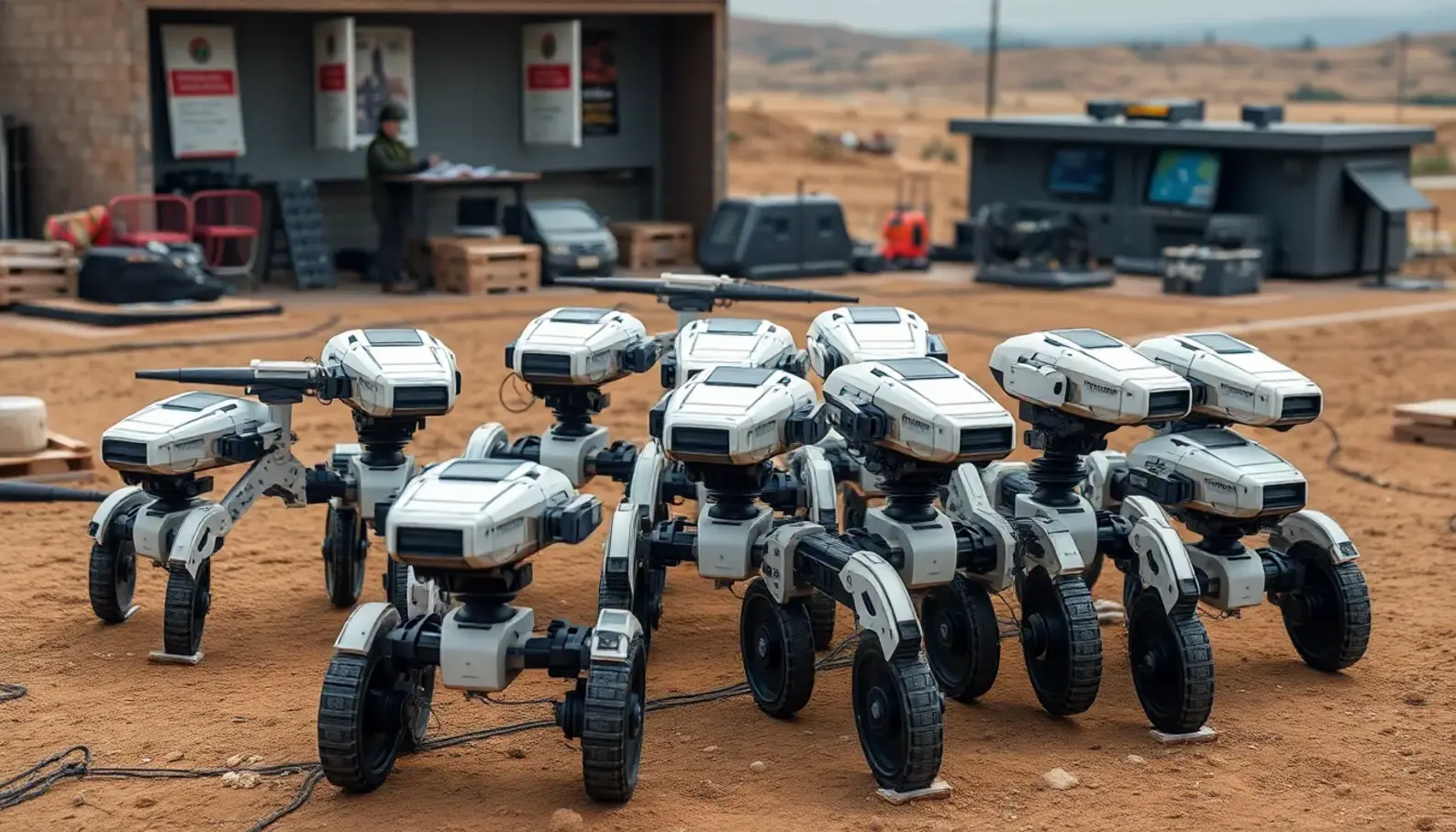
Swarm robotics is the study and development of systems where multiple robots collaborate to fulfill tasks that individually they cannot perform. It’s a field inspired by the collective behavior observed in nature, such as flocks of birds, schools of fish, and colonies of ants. The core tenet of swarm robotics is decentralized control, where each robot, or agent, operates based on local information and simple rules, leading to intelligent global behavior emerging from their interactions.
Central to this natural inspiration is the concept of stigmergy—a mechanism of indirect coordination, where agents communicate through their environment. For instance, ants leave pheromone trails to direct other ants to food sources, effectively allowing the swarm to self-organize without centralized command. Similarly, swarm robots employ simple sensing and communication methods to exchange information about their environment or the tasks they are performing.
Algorithms play a pivotal role in directing swarm behavior. Swarm robotics utilizes bio-inspired algorithms that mimic natural processes. Some of the most notable include Particle Swarm Optimization (PSO), which mimics the social dynamics observed among birds when finding optimal solutions, and Ant Colony Optimization (ACO), which uses the foraging behavior of ants to discover optimal paths.
Communication protocols in swarm robotics are designed for scalability and robustness. They allow robots to function cooperatively even in the absence of central control. Robots might share information about their surroundings or their state (such as battery level) using simple wireless communication. However, ensuring reliable communication in dynamic environments remains a challenge, particularly when there are obstacles or interference. To address this, researchers employ strategies like fault-tolerant communication, where redundancy in messages ensures that vital information still spreads throughout the swarm.
One of the significant challenges in implementing swarm robotics in real-world environments is ensuring adaptability and robustness. Real-world scenarios are unpredictable, with dynamic changes that can disrupt pre-programmed behaviors. This necessitates the development of adaptable algorithms that enable robots to respond effectively to changing conditions. Such adaptability often involves integrating machine learning techniques to allow robots to learn from past experiences and improve their performance over time.
Another challenge is the hardware limitation of individual robots. Typically, swarm robots are small, which constrains the amount of computational power, energy storage, and sensing capability each robot can have. This requires careful optimization of algorithms to ensure they can run efficiently on limited hardware. Engineers are actively exploring novel hardware designs and energy-efficient computation methods to overcome these constraints.
Swarm robotics holds immense potential for military applications. Swarms can perform tasks such as surveillance, reconnaissance, and search and rescue operations in hostile environments where human presence would be risky. Their decentralized nature provides resilience to the system—if one or several robots fail, the rest of the swarm can continue the mission without disruption. Moreover, the ability of swarms to cover large areas quickly and collectively assess situations provides tactical advantages that are invaluable in defense scenarios.
As we develop these systems further, ethical considerations arise, particularly concerning privacy and the potential for autonomous decisions in weaponized platforms. The role of rigorous safety and ethical guidelines becomes paramount to ensure that swarm robotics is developed and deployed responsibly. The exploration of these ethical perspectives is similar to those in other areas of AI development, as discussed here.
The future of swarm robotics is not without its hurdles, but its promise in transforming defense technology into a more effective and adaptive domain is clear. By drawing lessons from biological systems, devising robust algorithms, and addressing ethical concerns, swarm robotics will continue to evolve, potentially reshaping the landscape of military technology.
Applications of Swarm Robotics in Defense
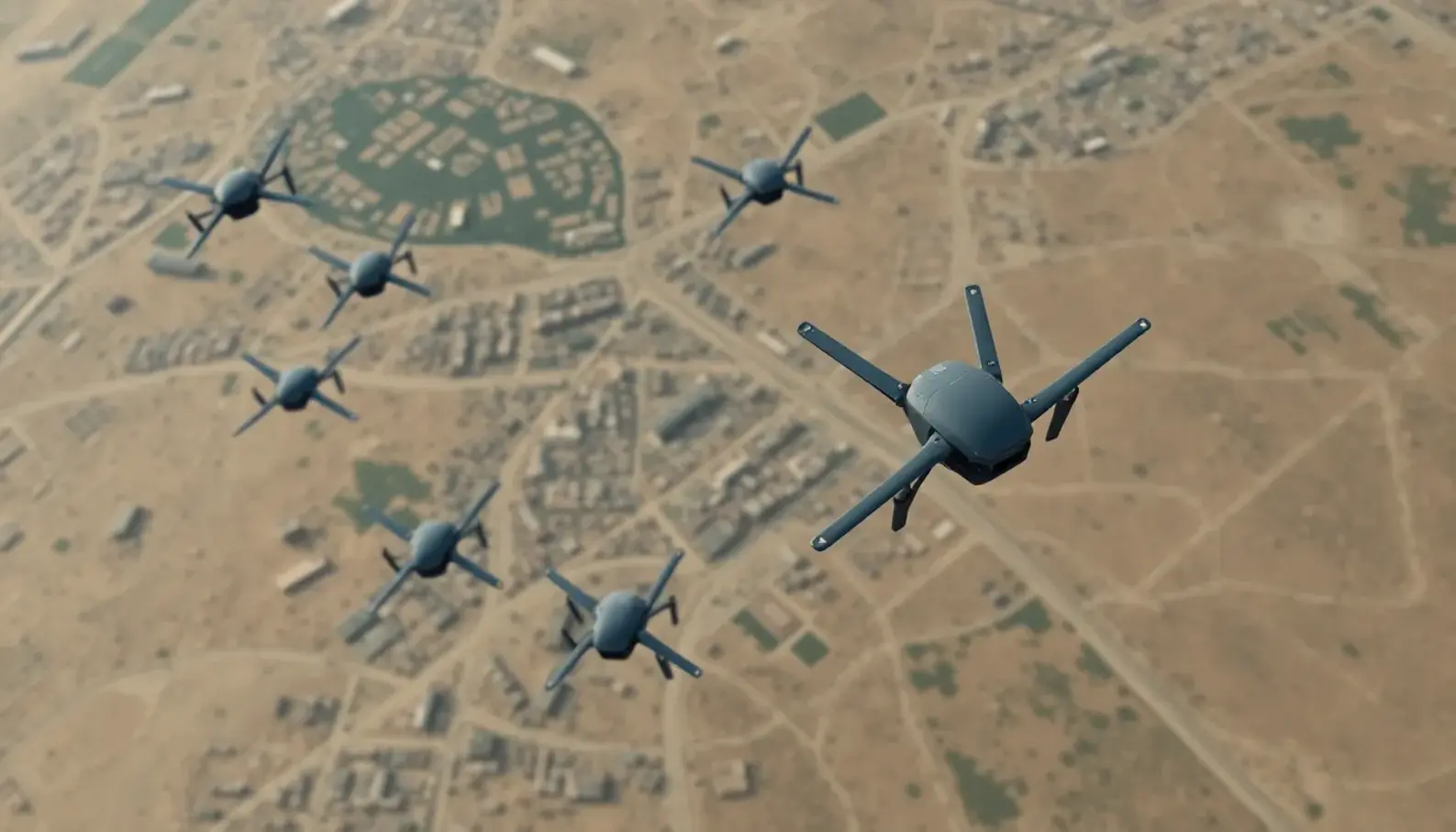
Swarm robotics has emerged as a transformative technology within the defense sector, offering new dimensions for strategic and tactical operations. Spurred by advances in artificial intelligence and miniaturization, these decentralized robotic systems provide robust solutions across multiple domains. Surveillance, search and rescue missions, and logistical operations are some of the key areas where swarm robotics is significantly altering the landscape of military applications.
Surveillance and Reconnaissance
In military operations, effective surveillance is essential for gathering intelligence and ensuring battlefield awareness. Swarm robotics enhances surveillance capabilities by utilizing multiple autonomous units that can cover expansive areas more efficiently than traditional methods. Unlike conventional aircraft or satellite-based systems, swarms can operate at different elevations and terrains, adapting to environmental challenges in real-time.
A notable case study highlights the use of drones in the Middle East conflict zones, where robotic swarms have been employed for urban surveillance. These swarms can autonomously navigate complex environments, identifying threats and transmitting crucial data back to command centers. With embedded AI, they can classify objects, distinguish between civilian and military entities, and even predict potential threat patterns.
Search and Rescue Missions
Swarm robotics offers critical advancements in search and rescue operations, especially in conflicts or disaster-stricken areas. When time is of the essence, the speed and efficiency of swarms can locate missing or wounded personnel rapidly. Coordinated behavior allows them to traverse hazardous environments that might be inaccessible or too risky for human responders.
An example of successful implementation took place following an earthquake in a war zone, where a swarm robotic team was deployed to locate survivors amidst the rubble. Equipped with thermal imaging and sonar, these robots communicated seamlessly, covering large areas quickly while avoiding overlap and ensuring comprehensive coverage.
Logistical Operations
Military logistics is another domain where swarm robotics has shown considerable promise. The ability to transport supplies and equipment without human intervention is a significant operational advantage. Autonomous convoys can navigate rugged terrain and maintain supply lines under hostile conditions, ensuring that troops remain well-equipped.
During training exercises in challenging terrains, robotic swarms have demonstrated their ability to efficiently manage logistics by autonomously delivering rations and medical supplies. This capability reduces the need for human convoys, which can be vulnerable to ambush and logistical bottlenecks.
Integration with Military AI Systems
The integration of swarm robotics with advanced military AI systems exponentially enhances operational effectiveness. These robots can work alongside AI-enhanced command systems to plan and execute missions more effectively. The AI systems analyze data collected by the swarms, optimizing decision-making processes by providing actionable intelligence.
AI algorithms allow swarm robots to predict enemy movements and assess real-time data to adjust strategies dynamically. This integration creates a responsive system capable of acting autonomously while maintaining close coordination with human operators, ensuring that military operations are both efficient and safe.
Operational Advantages
Swarm robotics delivers multiple operational advantages in the defense sector. First, they provide redundancy; if one unit fails, others can continue the mission, minimizing risk. The decentralized nature of these systems also ensures resilience against jamming or attacks, as communication and decision-making are distributed across the swarm.
Secondly, swarmed autonomous systems offer flexibility. They can be deployed rapidly and repurposed for various tasks, from surveillance to offensive actions. Their scalability means that a swarm can be expanded or contracted as needed, making them adaptable to various mission requirements.
Finally, the cost-effectiveness of swarm robots, relative to large, singular systems, cannot be overstated. As the technology evolves, the costs of deploying and maintaining a sizeable robotic swarm will continue to decrease, allowing defense budgets to allocate resources more efficiently.
For those interested in exploring a broader understanding of advancements in autonomous technology, particularly regarding logistical innovations, the integration of swarm robotics could align with developments discussed in autonomous drone logistics.
Swarm robotics represents a paradigm shift by providing innovative, efficient, and versatile solutions in military operations. As technology continues to evolve, the integration of AI with swarm robotics will further enhance defense capabilities. Enhanced coordination, improved situational awareness, and optimized logistics signify only the beginning of what these systems can achieve in reshaping defense strategies.
Final words
Swarm robotics is paving the way for innovations in defense technology, offering unparalleled capabilities in a variety of operational contexts. The ability to deploy multiple autonomous units that communicate and collaborate effectively enhances military strategy while also reducing operational risks. Engineers and defense professionals must continue to collaborate to advance these technologies, safeguarding the future of military operations.
Build Swarm Systems
Learn more: https://innoupdates.com
About us
Explore our Robotics Development Kit, designed to accelerate the development and deployment of swarm robotics systems, providing engineers with powerful tools and frameworks to innovate within the defense sector.