
Edge computing solutions are redefining how businesses approach data management and processing. By moving computation and data storage closer to the source of data generation, organizations can enhance performance, reduce latency, and improve efficiency. This architectural shift not only optimizes bandwidth use but also elevates the user experience by enabling real-time data access. As industries evolve, understanding the intricacies of edge computing becomes crucial for network engineers and businesses seeking a competitive edge. Explore how these solutions manifest in various applications and their strategic importance in modern enterprise environments.
Understanding Edge Computing: A Technical Overview
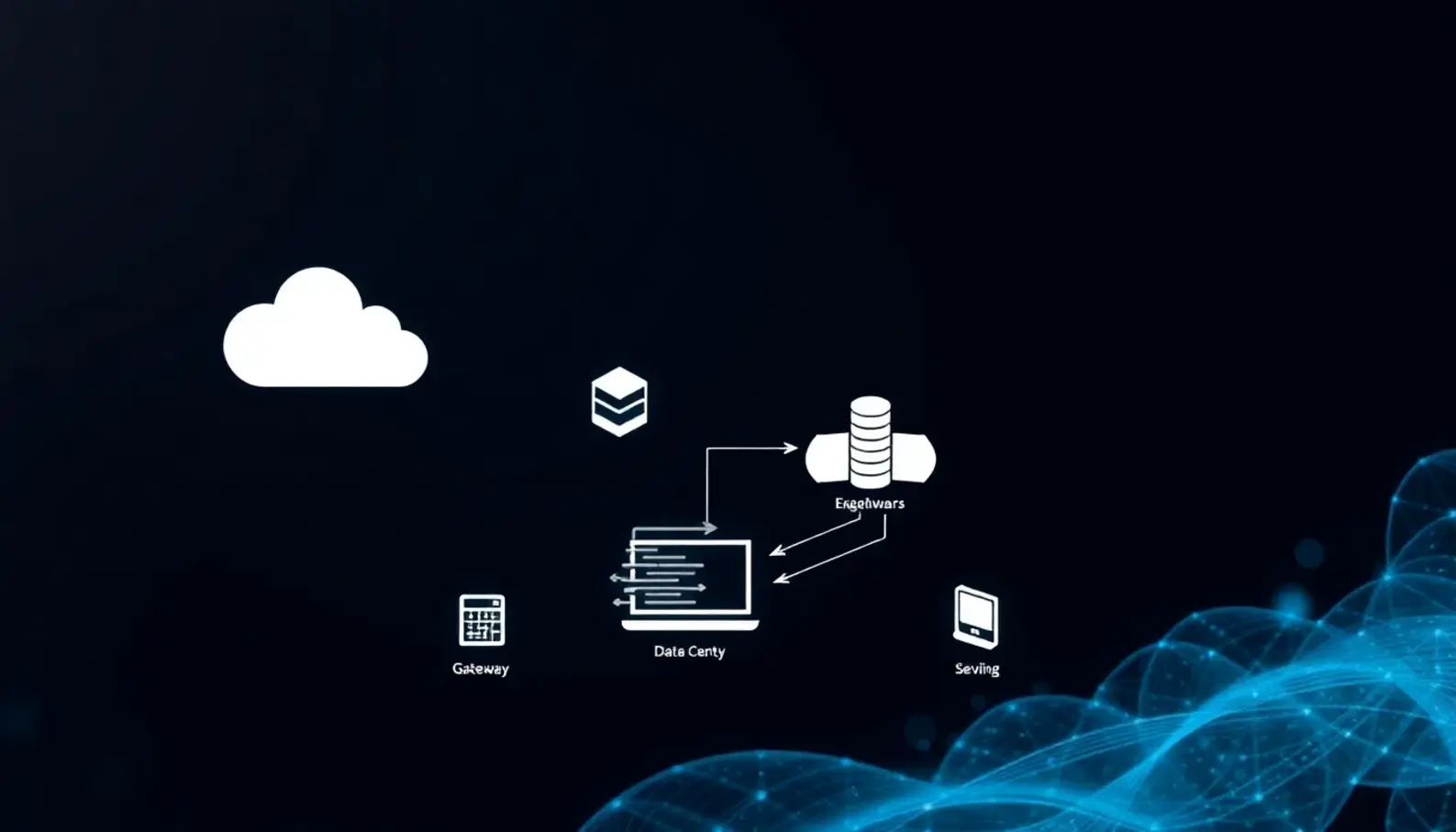
Edge computing redefines the landscape of data processing by decentralizing it away from centralized cloud servers and extending capabilities to the edge of the network. This structure allows data to be processed closer to its source of origin, significantly enhancing the speed and efficiency with which actions can be taken. Unlike traditional cloud computing, which typically processes data in distant data centers, edge computing minimizes the distance data must travel, reducing latency and providing real-time insights.
The core of edge computing includes a diverse technology stack that involves hardware, software, and networking. The hardware can range from small IoT devices to more sophisticated gateways and on-premise servers. Edge devices must be equipped to perform tasks locally, which often requires processors capable of handling specific analytical tasks. These devices capture data, process it immediately or near the point of origin, and act based on predefined logic.
Software plays a crucial role in managing these operations. Lightweight operating systems designed for edge environments ensure that processes run efficiently. Such systems are optimized for minimal resource consumption while maintaining robust performance capabilities. Additionally, applications developed for edge computing must function independently of continuous internet connectivity, ensuring they can execute tasks autonomously.
Networking elements underpin the connectivity across edge devices. Networking protocols facilitate communication between devices and cloud-based resources. To achieve seamless integration and communication between the edge and the cloud, technologies such as 5G are deployed, offering the necessary bandwidth and transfer speeds. As 5G networks become more prevalent, we can expect further enhancements in latency reduction and connectivity for edge environments.
Edge computing’s distinct architecture offers numerous benefits across industries. In manufacturing, for instance, the technology powers real-time monitoring of equipment, facilitating predictive maintenance that minimizes downtime and maximizes productivity. Retail businesses use edge computing to personalize customer experiences; through immediate data processing, they can adjust promotions and recommendations based on current consumer behaviors inside the store.
Healthcare is another sector where edge computing shows remarkable promise. By processing data from medical devices locally, hospitals can monitor patients’ vital signs in real time, offering prompt interventions when necessary. This instant data analysis reduces the likelihood of delayed responses to critical conditions, enhancing patient care.
One of the compelling features of edge computing is data locality. Keeping data close to its source ensures that businesses retain control and can easily implement data governance policies. This proximity places businesses in a strong position to protect sensitive information, as data does not traverse numerous external networks, reducing exposure to potential cyber threats.
Latency reduction is a primary driver for adopting edge solutions. By minimizing the distance between data source and processing node, edge computing allows instantaneous analysis and response. This feature is vital for applications requiring real-time decision-making, such as autonomous vehicles, which rely on rapid data processing to ensure safe and efficient operation.
Security in the edge computing paradigm requires a tailored approach. Although data doesn’t always travel through the cloud, the decentralized nature means there are more points of vulnerability. Enhanced security measures, including endpoint protections and encryption protocols, are necessary to defend against unauthorized access and ensure data integrity.
For network engineers and IT professionals, understanding the nuances in designing and deploying edge solutions is essential. The challenges of managing distributed systems differ significantly from those encountered with centralized cloud solutions. Exploring innovative hybrid computing strategies can provide a comprehensive approach to balancing edge and cloud resources effectively.
In conclusion, edge computing is revolutionizing the way data is processed and managed. By embracing this decentralized model, businesses are empowered to offer more responsive, secure, and efficient services. This shift toward local data processing is not just a technological change, but a strategic evolution informing the future of digital infrastructure.
Implementing Edge Computing Solutions: Best Practices and Strategies

Deploying edge computing solutions requires careful planning and execution. Network engineers must consider various factors to ensure successful implementation. The infrastructure requirements, integration with existing systems, and maintenance protocols are critical elements that need to be addressed from the outset.
Infrastructure Requirements
The foundation of a successful edge computing deployment lies in selecting the right infrastructure. This involves determining the necessary hardware and software components that meet the specific needs of the organization. Network engineers should assess the processing power, storage capacity, and connectivity options of edge devices. Scalability is crucial, so choosing modular hardware that can be easily expanded is advisable.
Selecting the Location: The proximity of edge devices to data sources significantly influences performance. Deploying devices at optimal locations reduces latency and enhances processing speed. Engineers should analyze the geographical distribution of users and data sources to identify strategic deployment sites.
Integration with Existing Systems
Integrating new edge computing solutions with existing IT infrastructure can pose challenges. A seamless integration requires compatibility with current systems and workflows. Engineers should conduct a thorough assessment of existing hardware, network configurations, and application requirements.
API and Protocol Compatibility: Ensuring compatibility with existing APIs and communication protocols is essential for smooth integration. Engineers should verify that edge devices can communicate effectively with other network components, such as cloud services and on-premises servers.
Maintenance Protocols
Once edge devices are deployed, establishing robust maintenance protocols is vital. Regular updates and monitoring are key components of maintaining optimal performance. Engineers should implement automated monitoring systems to detect and address issues promptly.
Remote Management: Considering the distributed nature of edge computing, remote management capabilities are invaluable. Network engineers should choose solutions that offer centralized control and diagnostics to minimize downtime and maintain system integrity.
Scalability
Scalability is a defining advantage of edge computing. As business needs evolve, the ability to scale operations without significant overhauls is paramount. Employing cloud-native solutions can offer the flexibility required to expand capacity.
Cluster Management: Utilizing container orchestration tools can simplify cluster management, enhance resource allocation, and improve load balancing across edge nodes.
Security Measures
Security is a paramount concern in edge computing. Deployments are often spread across various locations, increasing the attack surface. Network engineers must employ comprehensive security measures to safeguard data.
Data Encryption and Access Controls: Encrypting data both in transit and at rest is crucial. Implementing robust access controls ensures that only authorized personnel can interact with edge devices, reducing the risk of unauthorized access.
Monitoring Best Practices
Ongoing monitoring is essential for maintaining the health and performance of edge computing deployments. Engineers should implement continuous monitoring practices to identify and mitigate potential issues swiftly.
Anomaly Detection: Utilizing machine learning algorithms for anomaly detection can provide proactive insights, allowing engineers to address potential issues before they escalate.
Case Studies
Case studies provide valuable insights into the successful implementation of edge computing solutions across various industries. For instance, the manufacturing sector has leveraged edge computing to optimize production processes through real-time analytics.
In the healthcare industry, edge computing has been used to enable remote patient monitoring, providing timely and accurate medical data to healthcare providers. These examples demonstrate the versatility and adaptability of edge computing solutions.
For those interested in exploring how edge computing can be integrated with AI technologies for enhanced decision-making, check this insightful resource on AI in business growth.
By following these best practices and strategies, network engineers can implement edge computing solutions that not only meet current demands but also adapt to future needs. Adequate planning, integration, and maintenance will ensure effective deployments that empower businesses through decentralized data processing.
Final words
Edge computing solutions represent a paradigm shift in how businesses manage data and network resources. By decentralizing data processing, organizations can achieve faster response times, optimize bandwidth, and enhance overall system efficiency. As the demand for real-time analytics and responsiveness increases, embracing edge computing solutions is not just an option but a necessity for businesses ready to grow and innovate.
Optimize Your Network
Learn more: https://innoupdates.com
About us
Our offerings include customizable Edge Computing Infrastructure solutions designed to enhance your business’s data processing capabilities. We provide comprehensive support for deployment, management, and optimization of edge technologies tailored to your operational needs.