Extended Reality (XR) is reshaping both gaming and design by blurring the lines between the virtual and physical worlds. With immersive experiences that engage players and designers alike, XR invites us to explore uncharted territories. As gaming becomes more interactive and creative design adapts to this new technology, the opportunities are boundless. This journey into XR will uncover how it enhances our gaming experiences and empowers designers to visualize concepts in unprecedented ways, transforming how we interact with our digital surroundings.
Leveling Up: The Future of Gaming in XR
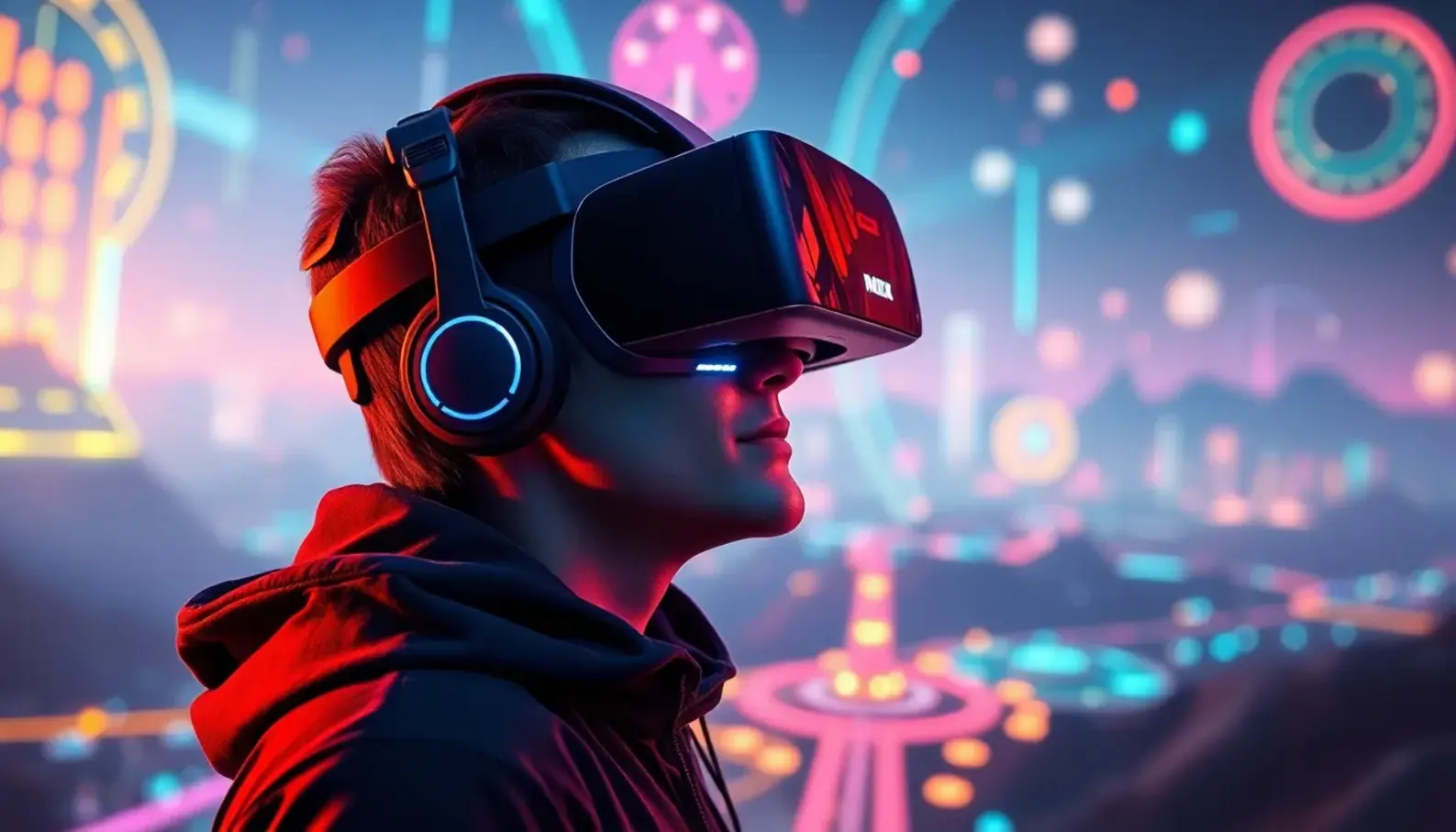
Extended Reality (XR) is poised to redefine the gaming landscape, offering unparalleled immersion and interactivity. Encompassing Virtual Reality (VR), Augmented Reality (AR), and Mixed Reality (MR), XR technologies create a rich tapestry of entertainment possibilities that push beyond traditional gaming boundaries.
Immersive Worlds and Enhanced Interactions
XR’s ability to craft immersive worlds sets a new standard for player experiences. In VR, players are transported into fully realized environments, where they can interact with digital landscapes and characters in ways not possible on a flat screen. This immersion extends to AR and MR, where digital elements enhance the real world, adding a layer of context and interaction.
The impact on gameplay mechanics is substantial. In VR, physical movement can translate into in-game actions, fostering a natural connection between player and avatar. AR games, on the other hand, bring a shared reality, overlaying game elements onto physical spaces, encouraging social play and exploration within familiar environments. MR blurs these lines further, allowing players to engage seamlessly with both real and digital worlds, integrating physical objects into gameplay.
Transformative Storytelling
XR revolutionizes storytelling by enabling narratives that respond to player actions. In these environments, players are not mere spectators but active participants whose choices can alter the story’s arc. This non-linear storytelling approach grants players agency, fostering deeper emotional connections and investment in the game world.
The narrative potential of XR can lead to multifaceted plots that unfold differently based on player decisions. By leveraging the full spectrum of XR capabilities, designers can craft stories that adapt dynamically, immersing players in tales that are uniquely theirs.
Community Engagement and Social Interaction
XR also enhances community engagement, transforming how players connect. Multiplayer VR experiences allow for interactions that feel genuine, replete with gestures and voice communication, creating a sense of presence and camaraderie. AR’s integration with mobile devices offers immediacy, letting players engage with communities in real-world locations, fostering collective experiences.
These platforms support vibrant digital communities, where gamers can meet, collaborate, and compete in ways that closely mimic or enhance real-life social interactions. This can lead to gaming environments where social strategies and teamwork are as valued as skillful gameplay.
Harnessing XR Technologies
Game developers utilize XR to push creative boundaries, often employing advanced technologies such as motion tracking, haptic feedback, and AI-driven characters. These tools create nuanced experiences where players feel every virtual brush of wind or the impact of a weapon. Motion capture ensures that player movements are mirrored in-game with high fidelity, making interactions feel intuitive and real.
Moreover, XR’s interactive potential allows for the creation of expansive worlds that react to a player’s presence. AI characters engage in spontaneous, meaningful dialogue, reacting naturally to player choices and creating a believably dynamic environment.
Developers must address the challenge of hardware limitations, aiming for a balance between immersive experiences and broad accessibility. As the technology progresses, we will likely see more streamlined and affordable XR solutions that make these experiences available to a wider audience, amplifying the platform’s impact on the gaming industry.
Notable Examples of XR in Gaming
Several XR games illustrate the popularity and potential of this technology. Games that fully utilize VR’s immersive capabilities offer a look into the future of entertainment, where players lose themselves in visually stunning and detailed virtual environments. Similarly, AR games that weave digital narratives onto the physical world draw in players by blending fiction and reality in compelling ways.
These games are particularly popular among players seeking new genres of interaction and innovation. Through XR, gaming evolves from a passive hobby to an active experience where the player’s reality becomes the game’s canvas.
XR technologies are not just about enhancing visuals but about enriching the entire experience. As developers continue exploring these possibilities, the future promises a dynamic evolution for gaming. XR is set to transform the industry with games that are as engaging as they are enjoyable, providing players with worlds that are impossible to leave. For further innovation insights, explore more about related technological advancements at Innou Updates, where transformative impacts across various sectors are discussed.
The ongoing expansion of XR in gaming not only revolutionizes technology but also patterns of interaction, where next-level play becomes the new reality. The future of gaming lies within these multidimensional experiences, ready to be unfolded by creative minds and adventurous players.
Redesigning Reality: XR’s Influence on Creative Design
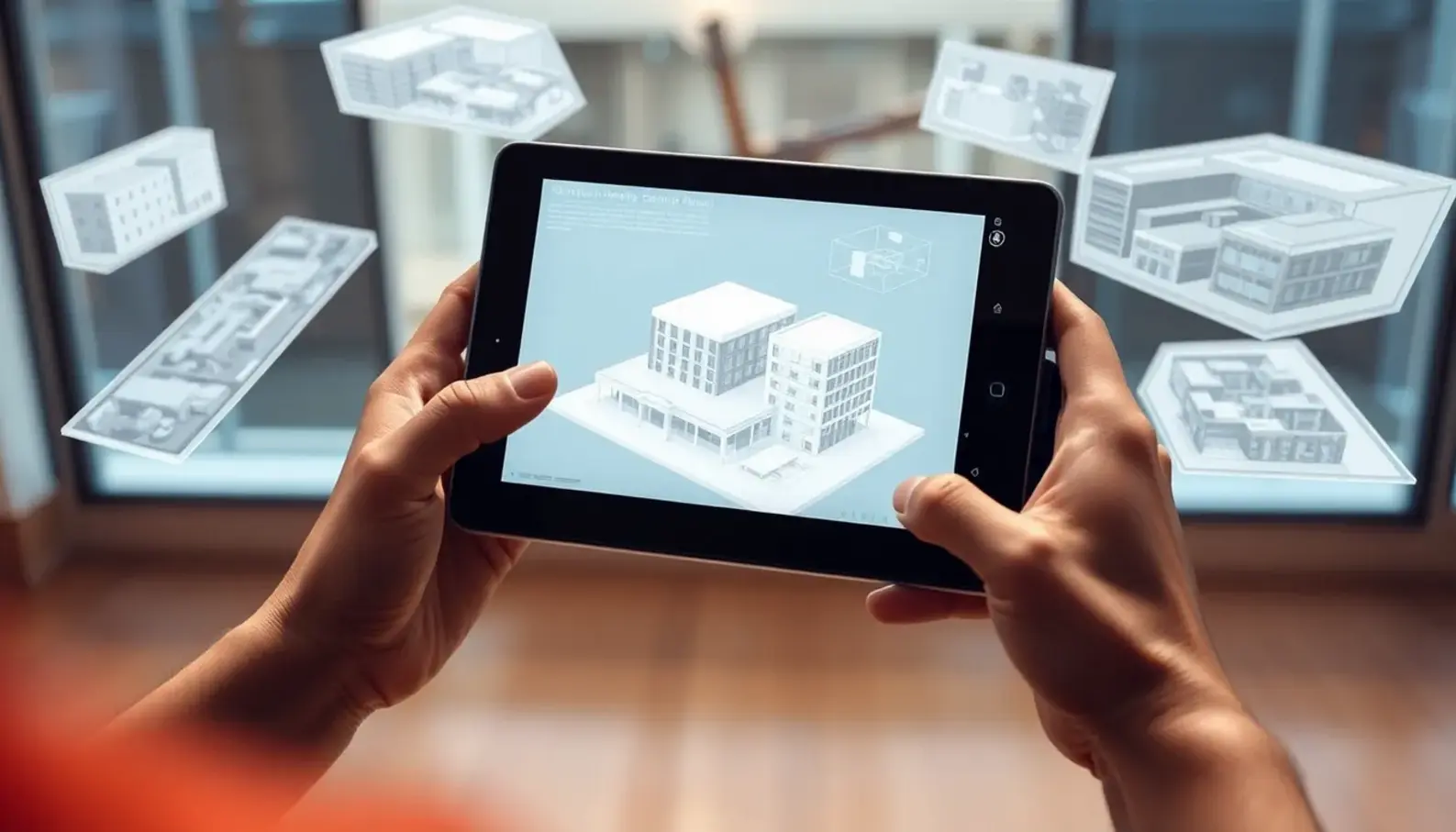
Extended Reality (XR) encompasses augmented reality (AR), virtual reality (VR), and mixed reality (MR). Each is transforming how creative design is approached across diverse industries, such as architecture, fashion, interior design, and beyond. These transformative technologies offer immersive and interactive environments where creative ideas materialize in new, more dynamic ways.
Augmenting the Architectural Landscape
Architects have long relied on 2D blueprints and 3D models to communicate their visions. XR introduces a paradigm shift by enabling clients and stakeholders to immerse themselves within a design before it’s constructed. This immersion provides a tangible sense of space, environment, and aesthetics, allowing for a more nuanced understanding of architectural concepts.
AR, for instance, overlays digital elements onto the physical world, which is invaluable in presenting architectural designs. With AR, architects can superimpose a virtual structure into a real-world location, permitting clients to visualize a building in situ. This visualization aids in identifying potential issues related to scale, proportion, or environmental harmony, well before groundbreaking.
Moreover, VR allows for a comprehensive exploration of a project through entirely immersive experiences. Users can “walk through” a building that hasn’t been built yet, examining every detail with precision. This proactive enabling of changes and modifications leads to more refined, client-aligned designs.
Fashion’s Fusion of Reality and Digital Fabrics
The fashion industry is embracing XR by creating virtual fashion shows and augmented fitting rooms, revolutionizing how design is shared with the public. In a world where digitalization grows increasingly prominent, fashion designers harness AR to project digital clothing onto real people, facilitating virtual try-ons that personalize consumer shopping.
With MR, the lines between digital and physical designs blur further. Designers can create garments that live both onscreen and in reality, offering unprecedented interactivity and customization. This allows consumers to see how outfits fit in different settings, enhancing the decision-making process and reducing return rates.
A Collaborative Canvas in Interdisciplinary Design
Design is rarely a solitary endeavor. XR facilitates collaboration by hosting design teams and clients in multi-user digital spaces. Teams can collaborate on designs, iterate on models, and directly manipulate virtual objects in real-time, all while communicating seamlessly across geographical boundaries.
Interactive simulations in these shared environments not only expedite consensus-building but also foster creativity as teams grapple with challenges creatively and collaboratively. This practice enables the pooling of diverse perspectives, leading to more innovative solutions and designs.
Tools and Software Revolutionizing Design Practices
Various software solutions are available that cater to designers, enabling the integration of XR into standard workflows. These tools offer user-friendly interfaces designed for creative professionals, offering features like 3D model rendering, real-time collaboration, and multimedia integration within augmented environments.
Designers can work from conceptualization to presentation within a single environment, optimizing productivity and fostering creativity. Designers can present prototypes in client-specified real-world settings, further refining decisions through direct feedback.
Case Studies: XR in Action
One exemplary project involved an architecture firm transitioning to XR for their presentation pitches. They embraced AR to overlay planned structures onto project sites. Feedback gathered during these presentations inspired immediate adjustments, elevating client satisfaction and project outcomes.
In the world of fashion, a top design house integrated VR into their design reviews. Models in a virtual environment wearing virtual prototypes enabled real-time alteration to fabric patterns and styles based on stakeholder input. This direct and immersive feedback mechanism resulted in a collection that was not only innovative but also well-aligned with market expectations.
XR’s impact on creative design is reshaping how designs are conceived, shared, and realized. As these technologies evolve, they will continue to broaden the horizons of what is creatively possible, bridging the gap between imagination and reality. By cultivating environments where creativity thrives, XR not only redefines project outcomes but also enriches the entire design experience, pushing the boundaries of design thinking and application.
For further insights into technological innovations impacting various sectors, visit our article on quantum computing innovations.
Final words
The unparalleled potential of Extended Reality (XR) offers exciting opportunities for gamers and designers alike. By creating engaging experiences and innovative tools, XR is not just a gimmick—it’s a forward-thinking approach that enhances creativity and interaction. As technology continues to advance, embracing XR will be crucial for those looking to push the boundaries of gaming and design.
Experience XR Today
Learn more: innoupdates.com
About us
XR Hardware & Software: Discover cutting-edge XR solutions designed to enhance gaming and design experiences, including advanced VR headsets, AR devices, and intuitive design software tailored for creative professionals.