
Nanotechnology promises to reshape medicine by enabling targeted therapies and advanced diagnostics. As researchers explore its potential, novel applications are emerging, offering unprecedented precision in treatment delivery and disease management. This exploration aims to illuminate the breakthroughs in nanotech medicine that are reshaping healthcare dynamics, highlighting its implications for both practitioners and researchers in the medical field.
Mechanisms of Nanotechnology in Medicine
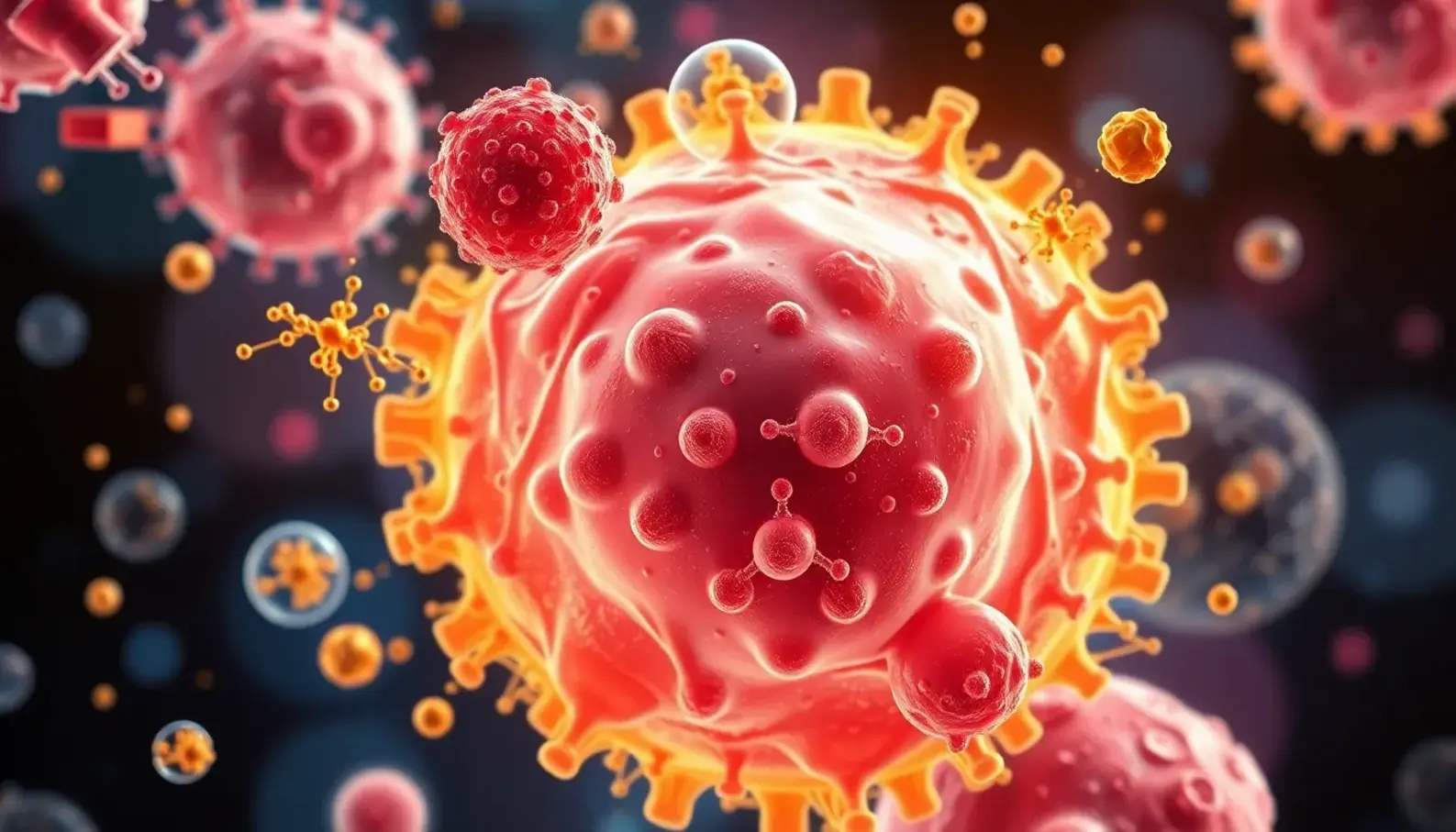
Nanotechnology in medicine operates under the core principle of manipulating matter at the nanoscale to achieve specific health-related objectives. This branch of nanoscience has introduced novel mechanisms by which materials can interact with biological systems, giving rise to applications that are reshaping conventional healthcare approaches.
At the heart of nanotechnology are nanomaterials, which possess unique physical and chemical properties due to their small size and large surface area. When these materials are used in medicine, their small dimensions allow them to navigate biological barriers that are typically impermeable to larger molecules, facilitating the delivery of therapeutic agents directly to targeted cells.
Nanomaterials in Medicine
Nanomaterials in medicine come in various forms, including nanoparticles, nanotubes, nanorods, and nanoshells. Each type serves a specific purpose due to its distinctive structure and properties:
- Nanoparticles: These are the most commonly used nanomaterials in medicine. Their versatility allows for surface modification with biomarkers or drugs, making them ideal candidates for targeted drug delivery.
- Nanotubes: With their cylindrical shape and high aspect ratio, nanotubes are often utilized for the delivery of vaccines and genetic material. Their hollow structure provides the capability to carry and release therapeutic agents efficiently.
- Nanoshells: Composed of a dielectric core coated with a thin metallic shell, nanoshells are particularly useful in photothermal therapy. They convert absorbed light into heat, selectively destroying tumor cells without damaging surrounding healthy tissue.
- Dendrimers: These tree-like branching polymers can host a multitude of functional groups on their surface, allowing simultaneous drug delivery and diagnostics.
Mechanisms of Interaction with Biological Systems
Nanomaterials interact with biological systems on several levels. At the cellular and molecular level, their small size allows penetration of cellular membranes, facilitating the delivery of therapeutic agents into the intracellular environment. This is particularly advantageous in targeting cancer cells or delivering genetic material directly into the nucleus.
Surface modification of nanomaterials with ligands or antibodies further enhances their specificity to target cells or tissues. This targeting capability is a cornerstone of modern drug delivery systems, allowing efficient and localized treatment with reduced systemic side effects.
When used for imaging purposes, nanoparticles can be conjugated with imaging agents. This enhances the contrast in imaging modalities such as MRI or CT scans, providing clearer and more precise visualization of tumors or other abnormalities.
Applications in Drug Delivery, Imaging, and Diagnostics
In drug delivery, nanoparticles enable the encapsulation of drugs, increasing their solubility and stability. For instance, liposomal nanoparticles can encapsulate chemotherapeutic agents, reducing toxicity and enhancing the drug’s ability to penetrate tumors.
In imaging, quantum dots—a type of nanoparticle—have shown promise due to their exceptional photostability and brightness. They facilitate the tracking of biological processes at the cellular level, offering insights into the dynamics of diseases such as cancer.
For diagnostics, nanotechnology provides tools for the rapid and sensitive detection of diseases. Biosensors incorporating nanoparticles can detect biomarkers at very low concentrations, enabling early diagnosis and monitoring of diseases.
Biocompatibility and Safety Assessments
The development of successful nanomedicine strategies depends on rigorous biocompatibility and safety assessments. Given the novel properties of nanomaterials, their interactions with biological systems can be unpredictable. Ensuring that these materials do not elicit adverse immune responses or toxicity is crucial.
Biocompatibility involves evaluating the dispersal, accumulation, and metabolism of these nanomaterials in the body. It also considers the potential for long-term accumulation, which can lead to chronic toxicity.
Safety assessments are conducted through in vitro and in vivo studies to determine the behavior of nanomaterials in biological systems. Regulatory guidelines aim to balance the innovative potential of nanotech with comprehensive safety protocols.
Nanotechnology’s intersection with medicine presents potential for innovation that demands strategic development underpinned by thorough research. The journey towards integrating these technologies into standard medical practice continues, poised to redefine healthcare landscapes by enhancing diagnostic accuracy, reducing treatment side effects, and personalizing patient care.
For further exploration of innovation in technology applied to healthcare, you may find it interesting to explore AI Wearable Tech in Health, which examines the integration of artificial intelligence in wearable health devices.
Challenges and Future Directions in Nanomedicine

Nanomedicine represents the frontier of advanced healthcare solutions, promising groundbreaking therapeutic and diagnostic capabilities. Yet, as with any cutting-edge technology, it presents its own array of challenges. Regulatory hurdles, manufacturing complexities, and ethical considerations form the trident of obstacles that the field must navigate. Looking past these, the emergence of trends such as personalized medicine and smart nanoparticles signal promising directions where nanomedicine might head.
One key challenge is the regulatory landscape. Traditionally, regulatory authorities are tasked with ensuring the safety and efficacy of new medical technologies, a responsibility that becomes increasingly complex with nanomedicine. Nanoparticles operate at a scale where traditional rules and assessments might not apply. Current regulatory frameworks must evolve to consider unique properties and behaviors of nanoparticles in biological systems. For instance, the small size and increased surface area of nanoparticles could mean enhanced reactivity and unexpected interactions within the human body. Regulatory bodies need robust guidelines to evaluate these properties while maintaining rigorous safety standards.
Manufacturing complexities also pose significant hurdles. Producing nanomedicines at scale requires precision engineering and sophisticated technology, which can be both costly and technically challenging. Variability in size, shape, and surface chemistry should be strictly controlled to ensure consistent therapeutic outcomes. Advances in microfabrication and material sciences are helping bridge this gap, but a concerted effort towards standardization in manufacturing processes is crucial for broader adoption and economic viability.
The ethical landscape surrounding nanomedicine is another consideration that demands attention. Issues such as privacy, informed consent, and potential environmental impacts of nanomaterials require thoughtful deliberation. Furthermore, the dual-use potential of some nanotechnologies—where they could be harnessed for beneficial or harmful purposes—calls for a balanced approach in their development and deployment.
Despite these challenges, several emerging trends in nanotech research hold promise for the future. Personalized medicine stands out as a particularly exciting application of nanotechnology. By tailoring treatments to an individual’s genetic makeup, researchers hope to increase the efficacy and safety of therapies. Nanoparticles can be engineered to deliver drugs selectively to diseased tissues, minimizing off-target effects and maximizing therapeutic impact. Smart nanoparticles, capable of responding to specific biological signals, represent another frontier. These can release therapeutic agents in response to changes in the microenvironment, offering sophisticated, responsive treatment modalities.
There are already compelling case studies illustrating successful applications of nanomedicines. For instance, developments in targeted cancer therapies have shown that nanoparticles can effectively deliver chemotherapeutic agents directly to tumor cells, reducing damage to surrounding healthy tissues. Such innovations underscore the transformative potential of nanomedicine in oncology.
Looking to the future, ongoing research into novel nanomaterials and delivery systems promises to expand the horizons of what nanomedicine can achieve. Innovations such as nano-bots for precision surgery, or nanoscale diagnostic tools, open exciting avenues that could drastically alter the healthcare landscape.
To view these developments in broader technological contexts, readers may explore innovations such as ai-wearable-tech-health. Such integrations could offer synergy in diagnostic and therapeutic applications within personalized medicine.
In summary, while nanomedicine faces significant challenges, it also offers unmatched potential to revolutionize healthcare. Through strategic navigation of its regulatory, manufacturing, and ethical landscapes, coupled with continued research and innovation, the full promise of nanomedicine can be brought to fruition, heralding a new era in personalized and precise healthcare for all.
Final words
Nanotech medicine stands at the forefront of innovative healthcare solutions, paving the way for breakthroughs in treatment and diagnosis. As researchers and practitioners collaborate to advance this field, the potential to significantly improve patient outcomes becomes increasingly tangible.
Advance Medical Tech
Learn more: innoupdates.com
About us
Our company specializes in pioneering Nanomedicine Products that merge cutting-edge nanotechnology with healthcare solutions. Our offerings include targeted drug delivery systems, advanced diagnostic tools, and cutting-edge therapeutic applications designed to improve patient outcomes and streamline medical procedures.