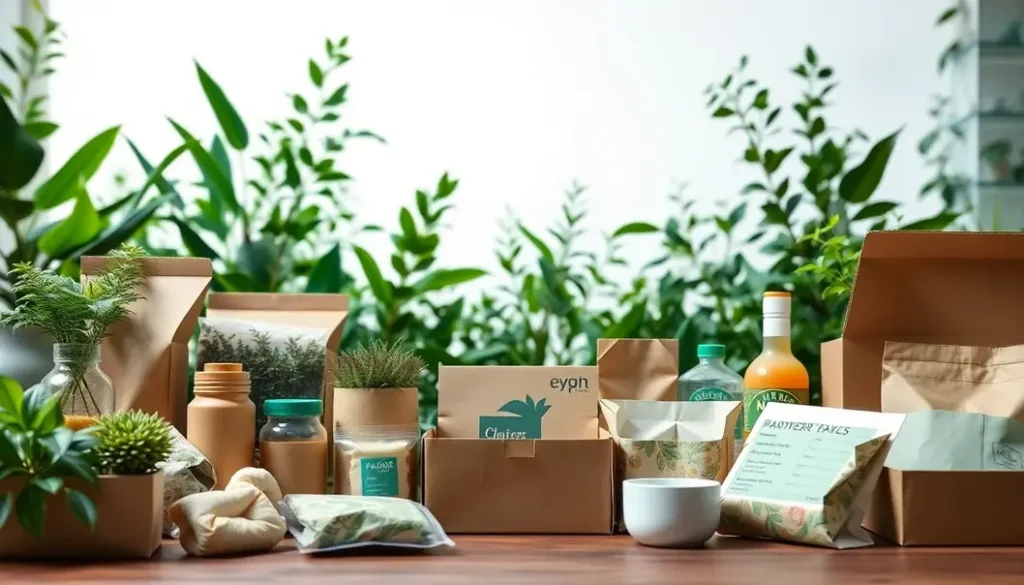
In an era where environmental concerns are at the forefront, the need for sustainable packaging has never been more critical. Businesses are increasingly seeking eco-friendly alternatives to reduce their carbon footprint and meet consumer demands for greener products. This shift not only helps protect our planet but also enhances brand loyalty and appeals to a growing market of environmentally conscious consumers. By exploring various sustainable packaging options and strategies, companies can navigate the complexities of transitioning to greener practices while contributing to a more sustainable future. Sustainable packaging is not just a trend; it represents a pivotal shift in how we think about our responsibilities toward the environment.
The Significance of Sustainable Packaging
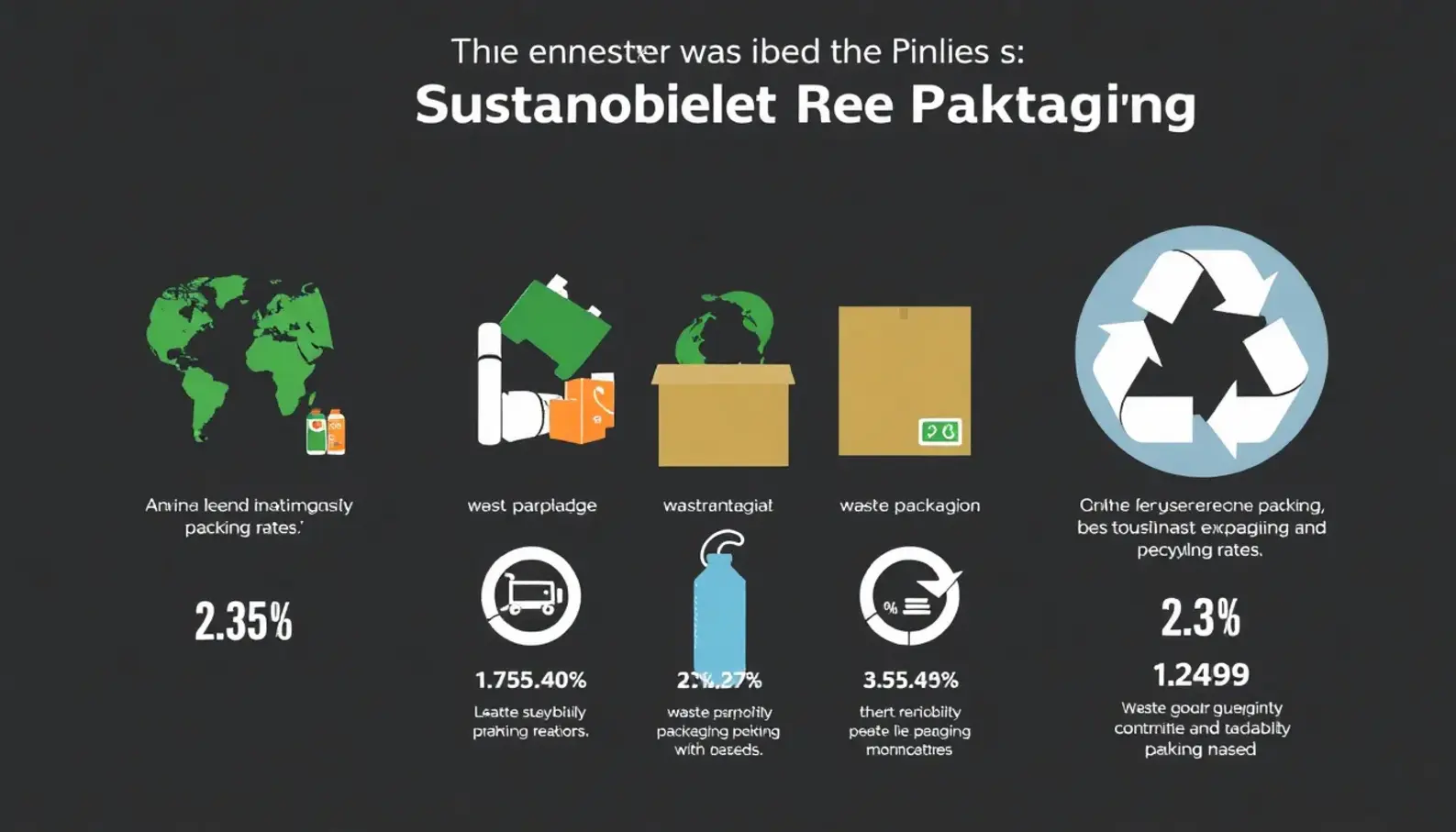
Sustainable packaging is not just an industry buzzword; it is a vital initiative shaping the future of commerce and the environment. Traditional packaging materials, such as plastics and non-recyclable composites, contribute significantly to environmental degradation. Globally, over 300 million metric tons of plastic are produced each year, with a large percentage used in packaging. Shockingly, less than 10% of this plastic is recycled, while the rest ends up in landfills, oceans, and other natural environments. This unsustainable cycle highlights the urgent need for a paradigm shift towards more eco-friendly solutions.
Transitioning to sustainable packaging can substantially reduce the environmental footprint. Materials like biodegradable plastics, recycled paper, and plant-based fibers break down more easily and are less harmful to ecosystems. For instance, switching to recycled paper can reduce energy consumption by up to 40%, according to some studies. Such measures not only minimize waste but also conserve resources, making them a cornerstone of an eco-conscious business strategy.
From a business perspective, the adoption of sustainable packaging offers several benefits beyond environmental preservation. Firstly, it enhances brand reputation. In a world increasingly aware of climate change and its impacts, consumers are more inclined to support brands that exhibit responsibility towards the planet. According to a recent survey, over 60% of consumers are willing to pay more for products with environmentally-friendly packaging. This shift in consumer behavior directly influences brand loyalty and can significantly impact a company’s bottom line.
Moreover, sustainable packaging can also lead to cost savings. Although initial investments in sustainable materials might be higher, the long-term benefits offset the costs. For instance, lightweight packaging reduces transportation costs, as lower weight results in reduced fuel consumption and, consequently, lower costs. Additionally, some governments offer incentives to businesses that practice sustainable methods, further cushioning the financial impact.
Sustainable packaging also presents new opportunities for innovation. Companies are experimenting with novel materials ranging from algae-based plastics to mushroom packaging, which are not only sustainable but also possess functional advantages over conventional materials. These innovations can lead to entirely new product categories and differentiation in competitive markets.
The growing demand for sustainable products is not just a consumer movement; it’s a shift in corporate ethos. Many businesses are partnering with research institutions to develop next-generation packaging solutions. This trend echoes across various industries, from food to technology, highlighting a collective commitment to sustainability.
However, the transition to eco-friendly packaging is not without its challenges. It requires a rethinking of supply chains, development practices, and even customer engagement strategies. Companies must educate their teams and customers about the benefits of sustainable practices to secure buy-in from all stakeholders.
An example of innovation in sustainable practices can be seen in the tech industry’s shift toward environmentally sensitive design. Understanding the significance of sustainable practices, the push for green technology encompasses everything from energy-saving algorithms to packaging that reduces waste. Businesses and professionals interested in technological advancements in sustainability may find the AI in business link an useful resource in exploring further implications.
Adopting sustainable packaging is, therefore, not merely an operational shift, but a strategic transformation that can redefine how businesses operate within a planetary boundary. As environmental policies tighten and consumer preferences continue to evolve, businesses that proactively embrace sustainability will likely stand above the rest, leading not just in profit margins but in positive impact.
Innovative Materials and Strategies for Sustainable Packaging
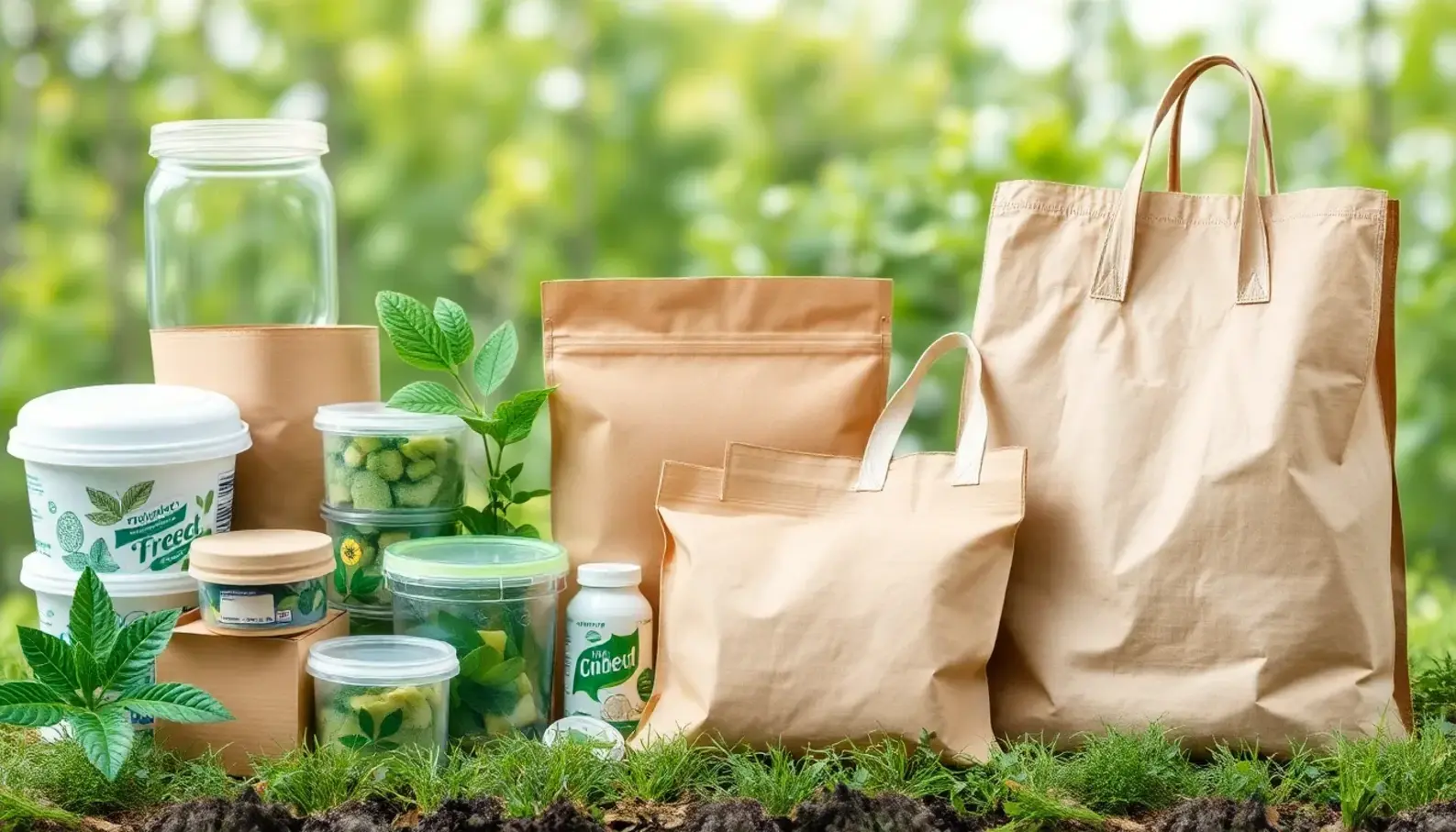
The shift towards sustainable packaging is not just about improving the aesthetics of products on the shelf, but a profound step towards environmental responsibility. Businesses are exploring materials that have minimal negative impact on the planet—biodegradable, compostable, and recycled options lead these innovations.
The increasing popularity of biodegradable materials is transforming the packaging landscape. These materials break down naturally by microorganisms into water, carbon dioxide, and biomass within a short period, reducing landfill waste significantly. One such material is polylactic acid (PLA), derived from renewable resources like corn starch or sugarcane. PLA can substitute conventional plastics in various applications, from food packaging to disposable utensils.
While biodegradable options are essential, compostable packaging elevates sustainability by ensuring that materials decompose into nutrient-rich matter beneficial to soil health. Compostable polymers, often based on organic substances such as potato starch or cellulose, break down without leaving toxic residues. The application of these materials spans from coffee cups to grocery bags, providing viable solutions for both consumers and businesses.
On the other hand, recycled materials have garnered attention due to their efficacy in reducing the carbon footprint of packaging. Materials such as recycled paper, cardboard, and some forms of plastic are reincorporated into the production cycle, lowering raw material demand and energy consumption. These recycled materials offer robust packaging options that protect products while contributing to the circular economy.
Case Studies and Successful Implementations
Several business case studies highlight the tangible benefits of integrating these sustainable packaging solutions. A beverage company that switched to recycled aluminum cans witnessed a 70% reduction in their emissions, as aluminum is infinitely recyclable without quality loss. Another company in the skincare industry embraced biodegradable PLA for their product packaging, leading to a surge in eco-conscious consumers opting for their brand, demonstrating the consumer demand for sustainability.
A successful case is a food delivery service that adopted fully compostable packaging solutions. By choosing packaging that decomposes naturally, they recorded a 40% improvement in customer satisfaction. These shifts not only fostered environmental benefits but also improved brand perception and customer loyalty, proving that sustainability and profitability can go hand in hand.
Challenges of Sourcing Sustainable Materials
Despite the clear advantages, sourcing sustainable materials presents challenges. The availability and cost can be significant barriers for businesses, particularly smaller enterprises without robust supplier networks. Biodegradable and compostable materials often require specific environmental conditions to break down effectively, which may not always be feasible for every business or region.
Recycled materials, while sustainable, can also fluctuate in availability and price, as they depend on the existing recycling infrastructure and consumer participation. Moreover, ensuring the consistency and quality of recycled materials can be complex, as variations in input materials may affect the final product.
Guidance for Integration
For businesses considering these materials, starting with a thorough assessment of needs and goals is essential. Understanding the environmental impact of current packaging and setting clear objectives for reduction can guide the material choice. Collaborating with suppliers who are committed to sustainability can ease the transition and present new opportunities for customized solutions.
Businesses might also consider deploying technologies like artificial intelligence for efficient supply chain management. These technologies can help optimize logistics and material usage, reducing both waste and cost over time. For more insights on integrating such advanced strategies, you might find this article on AI in business growth particularly insightful.
Identifying consumer preferences and involvement is crucial; engaging customers through informative campaigns about the benefits of sustainable packaging can enhance their acceptance and support. Feedback from consumers can highlight areas for improvement and innovation.
Moreover, leveraging government incentives and partnerships can offset some costs associated with sustainable materials. Many regions offer tax benefits and grants for businesses transitioning to eco-friendly practices. Aligning with governmental guidelines can also enhance credibility and brand reputation.
In sum, embracing innovative materials and strategies in sustainable packaging is both a challenge and an opportunity for businesses. By carefully selecting materials, engaging stakeholders, and utilizing technology, firms can navigate these complexities effectively. The shift not only aligns with global sustainability goals but also positions businesses to lead in the new era of eco-conscious consumerism.
Final words
Sustainable packaging is a crucial step in addressing the pressing environmental challenges our world faces. By prioritizing eco-friendly solutions, businesses can significantly reduce their ecological footprint, meet consumer demands, and enhance their brand image. The transition to sustainable packaging is not just beneficial for the environment; it also opens new avenues for innovation and growth in today’s marketplace. Embracing these solutions is essential for a thriving and sustainable future.
Adopt Eco-Friendly Packaging Solutions
Learn more: https://innoupdates.com
About us
At our company, we specialize in providing Sustainable Packaging Materials designed to minimize environmental impact while maintaining quality and functionality. Our innovative solutions cater to various industries and support businesses in their transition to eco-friendly practices. We offer a range of materials, including biodegradable films, recycled content boxes, and reusable packaging designs, ensuring that your packaging aligns with sustainability goals.