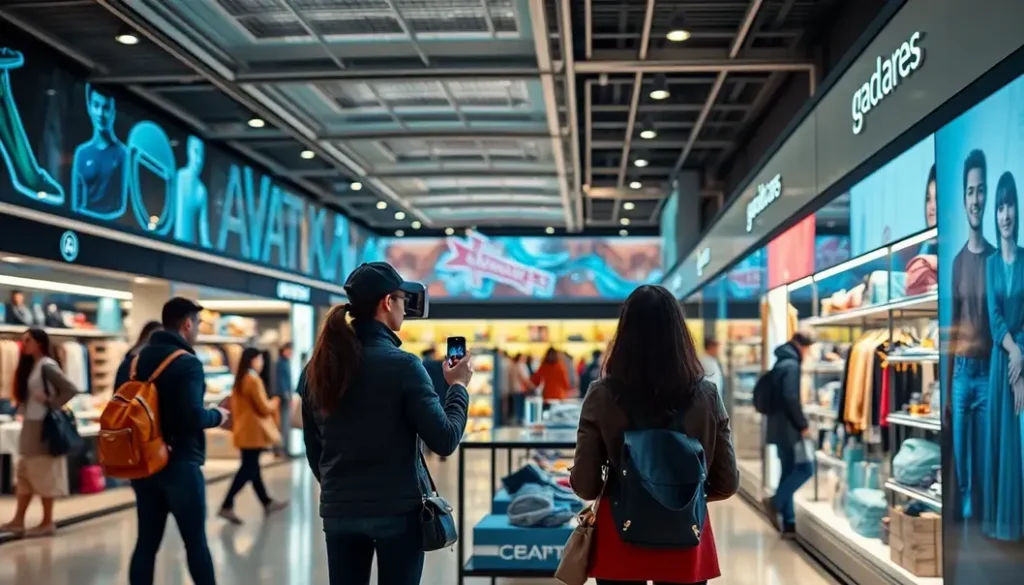
Imagine walking into a store where digital products come to life before your eyes, enhancing your shopping journey with interactive experiences. Augmented Reality (AR) is no longer a futuristic concept; it’s actively reshaping how retailers engage with consumers and vice versa. From virtual try-ons to immersive environments, AR technologies broaden shopping possibilities by transforming the way products are perceived and interacted with. As retailers embrace this innovative approach, both brands and consumers stand to gain from the enhanced engagement and a more personalized shopping experience.
Elevating Customer Engagement with Augmented Reality
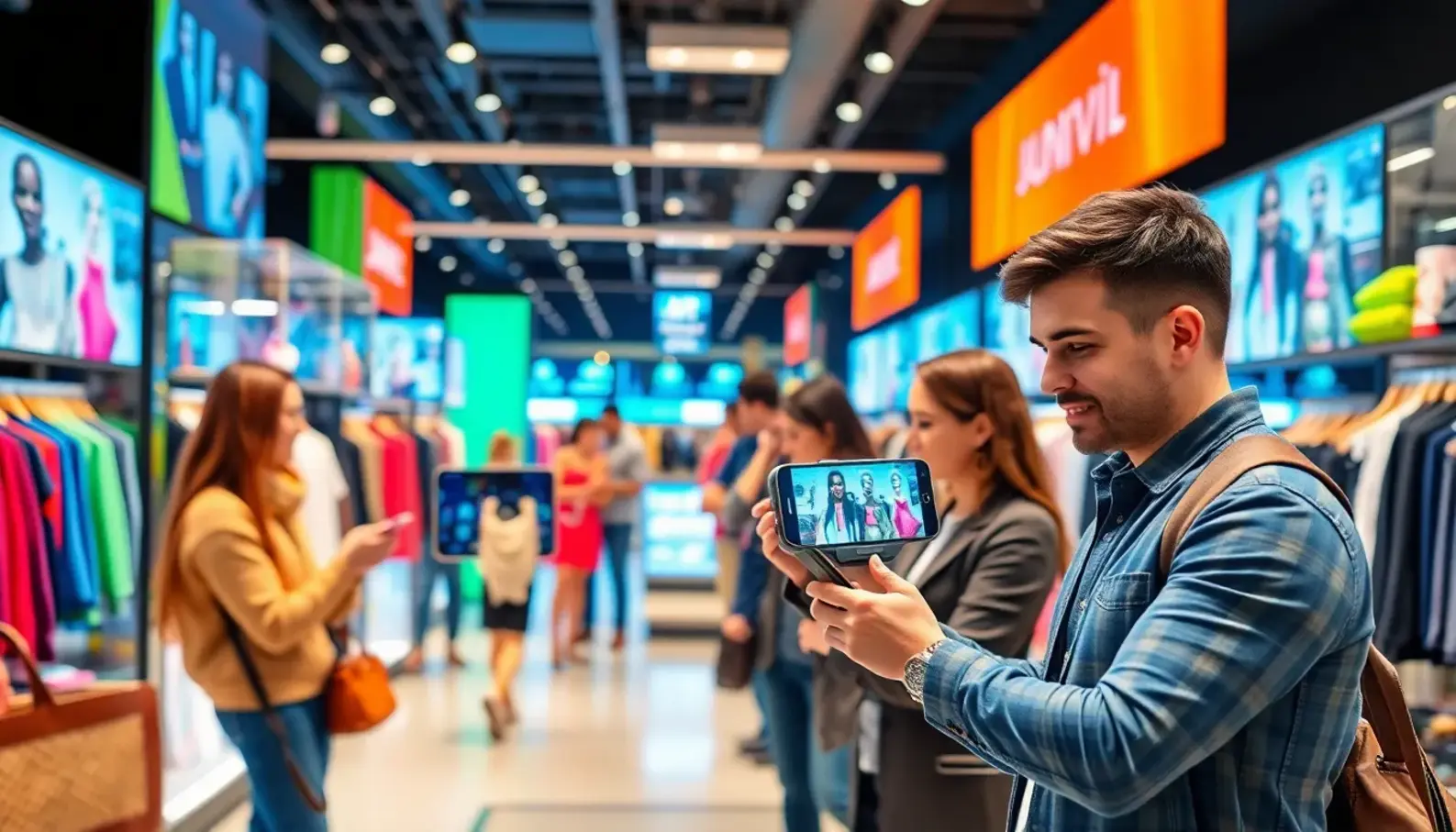
Augmented Reality (AR) is transforming how retailers engage with customers, offering them unique and memorable experiences that seamlessly blend the physical and digital retail environments. As retail continues to evolve, AR serves as a powerful tool to foster deeper connections between brands and their consumers through immersive interactions.
One of the most engaging applications of AR in retail is in providing virtual try-ons. Such experiences allow customers to visualize how products like clothing, eyewear, or furniture will look on them or in their home environment. This capability not only reduces the inconvenience of in-store trials but also decreases return rates, enhancing overall customer satisfaction. For instance, through AR, consumers can see how a pair of glasses would fit their face or how a sofa might look in their living room, making purchase decisions more informed and personalized.
In addition to virtual try-ons, AR is revolutionizing product interaction by offering interactive product demonstrations. Retailers can utilize AR to showcase the features and functionalities of their products in a dynamic format. For example, a customer interested in purchasing a kitchen appliance could use AR to see a 3D representation of the product in action, demonstrating its capabilities and features without needing a physical demonstration. This interactive exploration helps build customer trust and confidence in the products they are considering.
Retailers can also use AR to enhance and personalize in-store experiences. By integrating AR with customer mobile devices, retailers enable interactive experiences where customers can scan products to receive detailed information, promotional offers, or engagement through games and quizzes. This not only enriches the shopping journey but also helps retailers gather valuable data on customer preferences and shopping behaviors, which can be used to tailor offerings and improve service delivery.
Moreover, AR’s potential in storytelling can significantly boost customer engagement. Retailers can craft immersive narratives around their products, allowing consumers to engage with a brand’s story interactively. Whether it’s revealing the craftsmanship behind an artisanal product or narrating the journey of eco-friendly goods, AR brings product stories to life in an engaging and memorable way. Through AR, customers can experience a brand’s heritage or innovation journey visually, fostering a deeper emotional connection with the brand.
Incorporating AR into loyalty programs is another innovative way to elevate customer engagement. By gamifying loyalty experiences, AR can provide customers with rewards, challenges, or exclusive content through augmented experiences. For instance, customers might unlock a special AR experience with points earned from previous purchases, which in turn could lead to more points or discounts. This element of gamification encourages frequent interaction with the brand, enhancing loyalty while offering entertainment value.
Retailers seeking to strengthen customer relationships in the hybrid shopping era should consider the educational potential of AR. This technology can offer customers insightful tutorials and how-to guides mixed with interactive elements. Imagine exploring gardening tools through AR and receiving step-by-step planting guides that animate directly over the customer’s backyard. These educational experiences enrich customer knowledge and establish the retailer as an authority in their field, further fostering trust.
Finally, AR opens doors for innovation in visual merchandising. Digital displays powered by AR can adapt to customer preferences and location, creating customized shopping experiences right in the store. Interactive window displays that come to life with AR applications garner customer attention and drive foot traffic. Retailers can constantly update these displays with new content to keep the experience fresh and engaging without needing physical changes to the setup.
The implementation of AR in retail also aligns with broader technological trends. For instance, the integration of AR with big data and machine learning can provide additional insights for retailers, enhancing personalization and precision in marketing efforts. This approach is explored in various fields, as covered in articles like AI in Marketing Strategies, where the intersection of advanced technologies is key to evolving business strategies.
Through these various applications, augmented reality is enhancing the retail landscape by creating a bridge between the tangible and digital worlds. As AR technology continues to advance, it becomes an indispensable tool for retailers aiming to provide exceptional, personalized shopping experiences that resonate with consumers.
Streamlining the Retail Process: AR for Brands

Augmented Reality (AR) considerably reshapes retail strategy by streamlining operations and elevating customer satisfaction. As consumers crave more interactive experiences, brands are under increasing pressure to adapt. Incorporating AR presents an opportunity to enhance product visualization, facilitate immersive branding, and optimize supply chain logistics.
AR enables consumers to visualize products in their space before purchasing. By overlaying digital information onto the physical environment, brands bridge the gap between digital curiosity and tangible buying confidence. Imagine furniture brands providing customers with the ability to see how a new sofa fits within their living room, helping to reduce uncertainty and eliminate buyer’s remorse. This demonstration of utility promotes a more informed purchasing decision.
Retailers can leverage AR to enrich the storytelling aspect of products. Information such as manufacturing details, sustainability credentials, or usage tutorials can be seamlessly integrated into the customer experience. This depth of data enhances transparency and fosters trust. For example, a customer could interact with a virtual model of a jacket, accessing insights on its durability or ethical sourcing practices through interactive labels.
Incorporating AR into retail environments transforms static displays into dynamic showcases, allowing brands to run promotions and highlight features interactively. This evolution from passive to interactive encounters deepens customer engagement and amplifies attention, which can lead to higher conversion rates. According to research, consumer engagement with products equipped with AR capabilities sees a notable boost, often translating into increased sales.
Augmented Reality holds strategic value in streamlining supply chain management. Integrating AR in warehouse operations enhances inventory management by enabling workers to receive real-time information overlaid onto physical assets. This means employees can verify stock details instantly, allocate resources efficiently, and minimize operational downtime. Augmenting these strategies can lead to improved accuracy and productivity, integral elements for driving profitability.
Customer satisfaction is further augmented by AR’s potential to customize and personalize the shopping experience. Tailoring experiences based on user preferences creates a unique, valuable interaction every time. For instance, deploying virtual try-on software for apparel allows customers to experiment with different styles and fits, enhancing satisfaction and reducing the need for returns.
Through AR, brands can foster a deeper connection with consumers by curating unique brand experiences. Creative marketing campaigns where customers interact with augmented versions of logos or mascots, complete with gamified elements, enhance brand recall and customer loyalty. These interactions also collect valuable insights into consumer behavior, providing actionable data to further refine marketing strategies.
Employee training can also benefit from AR adoption. Retailers can use simulated environments to train staff in customer service, product knowledge, or operational procedures. This immersion can accelerate learning curves and boost staff preparedness without the need for extensive, resource-heavy training programs. In turn, well-trained staff contribute to an improved customer service experience, vital for brand reputation.
Although the initial investment in AR technologies poses a financial challenge for some brands, the long-term operational efficiencies and heightened customer engagement balance the scales. The integration of AR-driven solutions, such as real-time analytics from in-store interactions, can yield significant returns by refining product offerings and marketing strategies.
Many brands are utilizing AR to create unique hybrid experiences, fusing physical and online realms. This approach aligns with the growing trend of hybrid computing strategies, explored in detail at Hybrid Computing Strategies, and offers retailers unmatched agility and response to current consumer needs.
Realizing augmented reality’s potential requires a comprehensive understanding of consumer behavior and technological advancements. Retailers must remain committed to continual learning and adaptation within this dynamic landscape. By harnessing the transformative power of AR, brands stand to not only streamline operations but to redefine the retail experience itself.
As AR technologies continue to evolve, the next logical evolution in the realm of retail will shift towards a more immersive, interactive future, presenting untapped possibilities for creativity and growth. Whether improving customer satisfaction or enhancing operational effectiveness, AR is proving to be a formidable tool in the modern retailer’s toolkit.
Final words
Augmented Reality is becoming a vital tool in retail, benefiting both consumers and brands by offering immersive experiences and streamlined operations. By adopting AR technology, retailers are not only enhancing customer satisfaction but also paving the way for future innovations in the shopping landscape.
Enhance Shopping Experience with AR
Learn more: https://innoupdates.com
About us
AR Retail Solutions: We provide cutting-edge AR solutions tailored for retailers, helping you create immersive and interactive shopping experiences that captivate customers and drive sales.