
The integration of Artificial Intelligence (AI) into supply chain simulation represents a pivotal shift in how organizations manage logistics, production, and distribution. By leveraging advanced data analytics, machine learning algorithms, and simulation techniques, companies can optimize their supply chain processes, enhance decision-making, and achieve significant cost savings. Leaders and scientists alike are increasingly recognizing the potential of AI to create more resilient and responsive supply chains. In an era marked by uncertainty and rapid change, the ability to simulate various scenarios and dynamically adapt operations is invaluable. This article delves into how AI is reshaping supply chain simulation, focusing on its practical applications, the challenges it addresses, and the future trends that are on the horizon.
Understanding Supply Chain Simulation
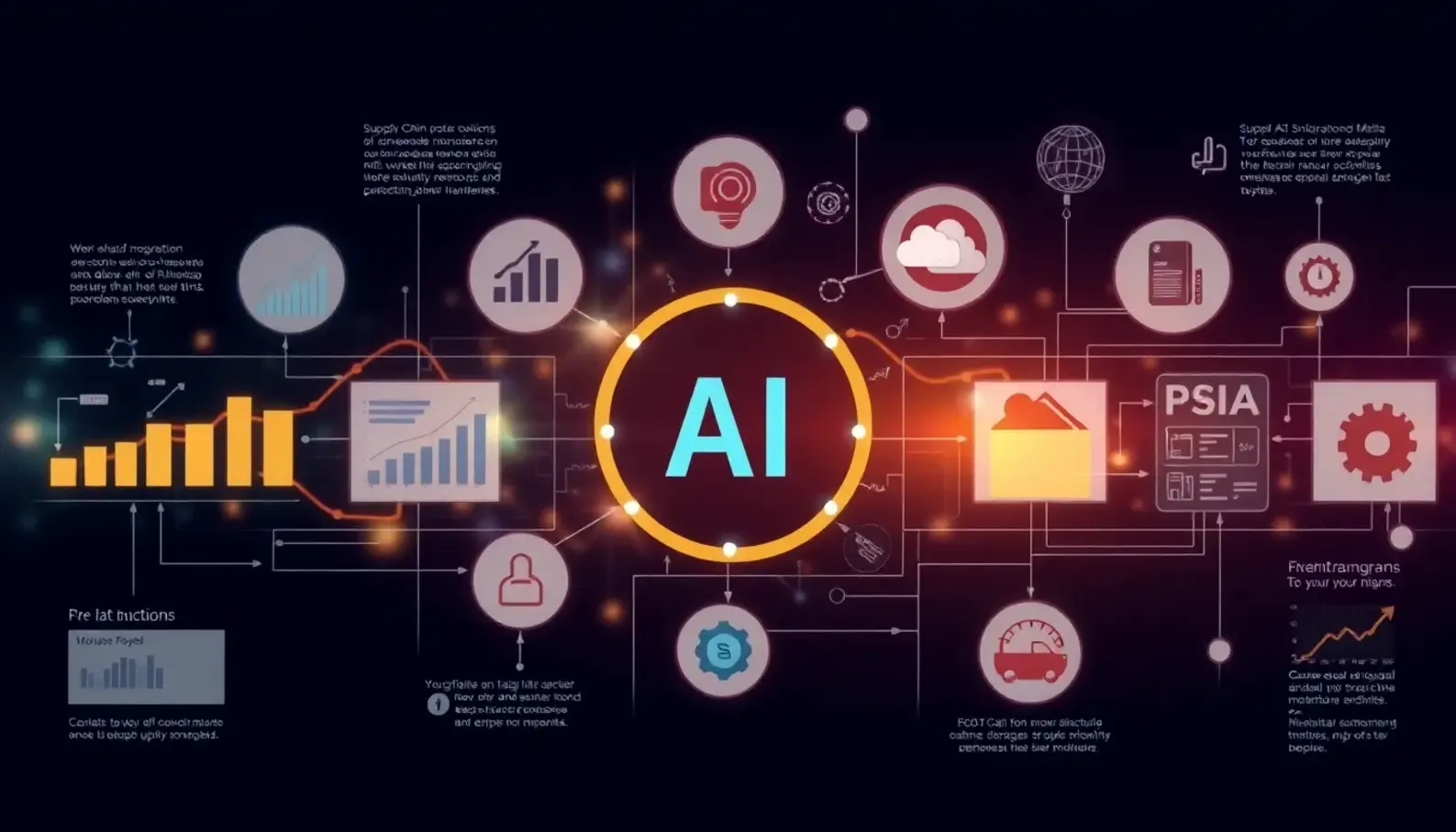
Supply chain simulation is a sophisticated tool designed to emulate the operations, problems, and dynamics of an actual supply chain. It serves as a digital rehearsal space, enabling businesses to explore different strategies, gauge their effects, and optimize processes without disrupting day-to-day operations.
At its core, supply chain simulation revolves around several key concepts: accuracy of models, data integration, and comprehensive scenario analysis. A well-built simulation model mirrors the intricacies of production processes, inventory levels, transportation routes, and customer demand patterns. The integrity of simulation outputs relies heavily on the accuracy of the models employed. Therefore, a meticulous validation process ensures that each element within the model mirrors its real-world counterpart as closely as possible.
Data integration is another cornerstone of effective supply chain simulation. The advent of IoT and digital sensors has enhanced data availability significantly. Real-time data feeds, coupled with historical data, form a robust foundation for simulations. Nonetheless, the challenge lies in weaving disparate data sources into a coherent whole. This is where the integration capabilities of AI come into sharp focus.
AI-powered algorithms facilitate the cleaning, structuring, and analysis of complex datasets. These algorithms are adept at identifying patterns and anomalies that may elude traditional processing methods. By incorporating machine learning techniques, simulations can dynamically adapt to emerging trends in the data, offering more precise forecasting and decision support.
Scenario analysis plays a pivotal role in stress-testing the supply chain. Through it, leaders can investigate potential disruptions and evaluate the resilience of proposed solutions. Scenarios may include sudden spikes in demand, supplier failures, or logistical bottlenecks. By simulating these situations, businesses can pre-emptively develop contingency plans, thereby reducing the impact of actual disruptions when they occur.
AI enhances this analysis by generating a more comprehensive array of possible scenarios. Traditional simulation tools rely on predefined parameters, yet AI-driven simulations can create complex, unexpected scenarios by learning from diverse data inputs. Moreover, by automating the scenario generation process, AI allows for a quicker and broader exploration of potential outcomes, significantly enhancing the decision-making process.
In the realm of supply chain simulation, one particularly exciting AI application is reinforcement learning. This method allows algorithms to interact with the simulation environment, learning effective strategies and policies through trial and error. Here, the AI functions akin to a human analyst who experiments with various alternatives, honing in on the most promising solutions over time.
Furthermore, the expansion of cloud-based computing solutions amplifies the reach and efficiency of AI-enabled simulations. Cloud platforms offer the computational power needed to process vast amounts of data and perform complex simulations, making these advanced techniques accessible to a broader range of companies regardless of their scale.
An often-overlooked benefit of AI-enhanced supply chain simulation is the democratization of strategic decision-making. By providing more stakeholders with accessible insights and predictive analyses, AI aids in breaking down silos within organizations. This not only fosters collaboration across different departments but also empowers teams with data-driven confidence to implement their strategies effectively.
Ultimately, the integration of AI into supply chain simulation reflects a shift from reactive to proactive strategic planning. By embracing the capabilities of advanced simulations, businesses are better equipped to navigate the uncertainties of tomorrow, ensuring smoother, more resilient operations. For more insights on similar innovations, visit this resource on AI in business growth.
The Impact of AI on Operational Efficiency
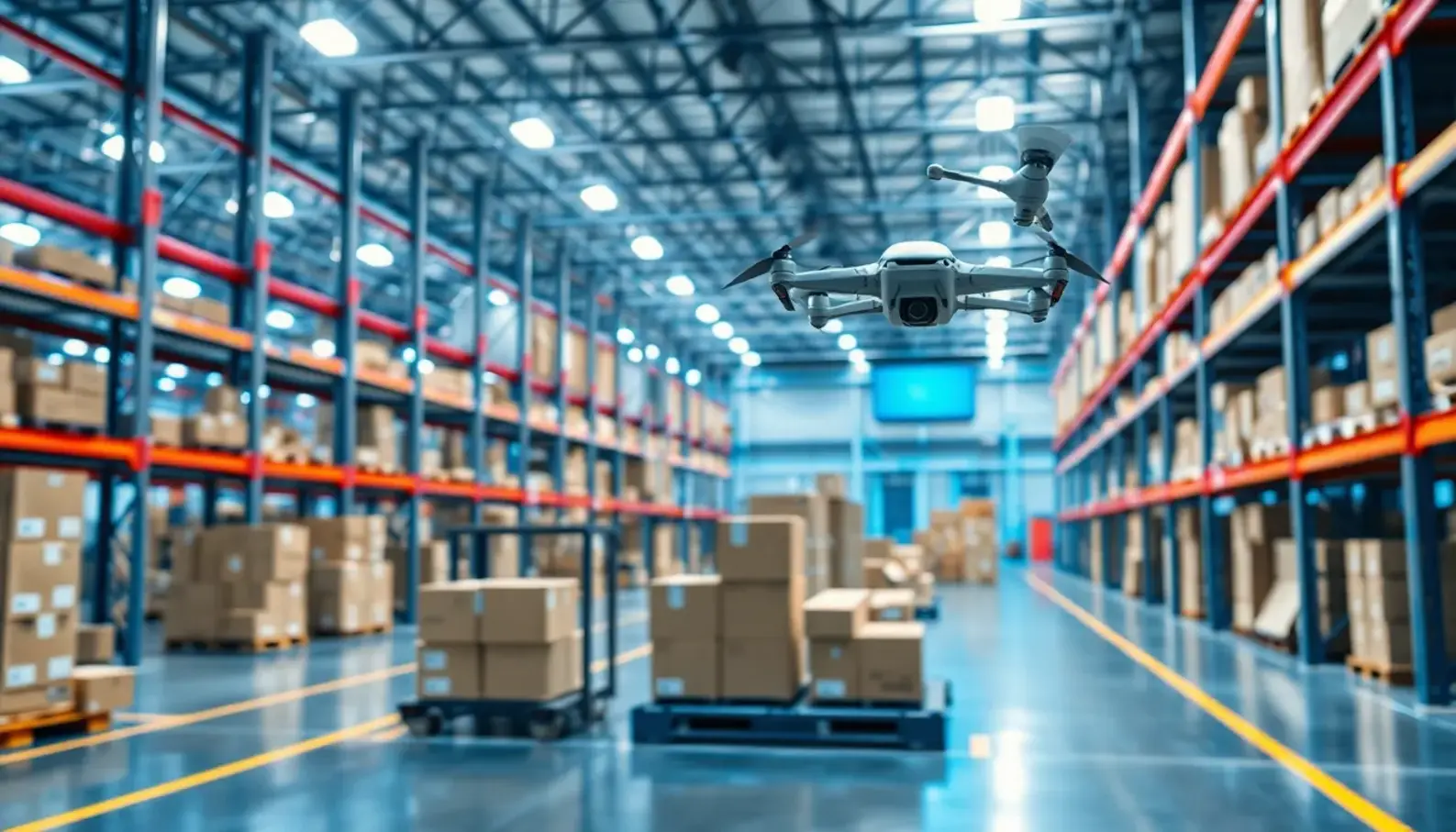
Artificial Intelligence has brought transformative power to supply chain operations, leading to unprecedented levels of operational efficiency. By generating actionable insights from massive datasets, AI empowers organizations to streamline processes and reduce costs. This chapter delves into specific areas where AI-driven insights are enhancing efficiency, focusing on inventory management, demand forecasting, and logistics optimization.
AI refines inventory management by accurately predicting demand and adjusting stock levels accordingly. Traditional inventory management systems typically encounter challenges due to their reliance on static models and historical data. However, AI incorporates real-time information and advanced algorithms to improve decision-making. This approach minimizes overstocking and understocking, cutting down on carrying costs and lost sales. A real-world example is a global retail giant that implemented AI to optimize its inventory, resulting in a 20% reduction in warehousing costs and a 30% decrease in stockouts.
Demand forecasting represents another significant area where AI-driven insights are making a monumental impact. Predicting demand has always been fraught with uncertainty, with errors leading to costly missteps. AI models sift through an extensive array of variables—including past sales, market trends, and even social sentiment—to provide more precise forecasts. As a result, businesses can adjust production schedules and marketing strategies promptly. A case study of a leading automotive manufacturer highlights AI’s efficacy in demand forecasting. By implementing AI models, the manufacturer reduced forecasting errors by 50%, allowing for more efficient production planning and inventory allocation.
In logistics optimization, AI tackles complex routing and scheduling challenges that were once beyond human comprehension. Machine learning algorithms evaluate variables such as fuel costs, traffic patterns, and weather conditions in real time to devise optimal delivery routes and schedules. This not only cuts down on transportation costs but also reduces delivery times, enhancing customer satisfaction. A logistics firm leveraged AI-based solutions to optimize its delivery network, resulting in a 15% increase in delivery speed and a 25% reduction in fuel usage.
The true synergy emerges when human expertise is combined with AI capabilities. Experts play a crucial role in setting the parameters and refining the algorithms that guide AI systems. Their intuitive understanding of the industry’s nuances allows them to interpret AI insights contextually, bridging the gap between data and action. By collaborating with AI, supply chain professionals can focus on strategic tasks that require human judgment, while AI handles repetitive and data-intensive operations.
The collaboration between humans and AI also enhances innovation. For instance, when designing new supply chain processes or adopting new technologies, human insights complement AI’s data-driven predictions. This partnership ensures that companies remain agile and responsive to market changes. Organizations that have successfully integrated AI into their supply chains report not only operational improvements but also a boost in employee satisfaction, as team members can focus on leveraging their expertise rather than mundane tasks.
AI’s potential for enhancing operational efficiency is vast, yet it’s important to acknowledge the challenges accompanying its implementation. The complexities of integrating AI systems into legacy infrastructures, the need for data privacy, and the ethical considerations in AI decision-making cannot be overlooked. As companies navigate these challenges, they must foster a culture of continuous learning and technological adaptability.
For those interested in the broader implications of AI in business, consider exploring AI in Business Growth, which discusses how AI strategies can drive overall corporate growth and innovation.
In closing, the impact of AI on operational efficiency in the supply chain cannot be underestimated. By harnessing AI-driven insights, businesses can achieve new heights of efficiency and competitiveness. As AI technologies continue to evolve, the synergy between human expertise and AI capability will undoubtedly redefine operational excellence, setting a new standard for supply chain management.
Future Trends in AI-Driven Supply Chain Simulation

The evolution of artificial intelligence (AI) in supply chain simulation is being shaped by several pioneering technologies. As AI integrates with the Internet of Things (IoT), blockchain technology, and autonomous systems, it heralds a transformation in how supply chains operate and adapt.
The integration of IoT devices into AI-driven supply chain systems is opening new horizons. IoT devices provide a vast network of interconnected sensors and smart devices that generate massive datasets. These datasets are invaluable for AI algorithms, which analyze them to derive insights that enhance decision-making. For instance, IoT-enabled sensors across shipping containers and warehouses can offer real-time data on location, temperature, and handling. This facilitates a meticulous level of transparency and efficiency previously unattainable, allowing for adjustments that preempt potential disruptions.
Blockchain integration is another trend set to reshape AI-driven supply chain simulations. Blockchain technology ensures a secure ledger for transactions and data exchanges. By harnessing blockchain, supply chain simulations can benefit from unprecedented levels of security and transparency. Transactions and processes are recorded in an immutable digital ledger, which offers a trustworthy audit trail. This trust is crucial in partnerships and for regulatory compliance, reducing fraud and discrepancies. When combined with AI, blockchain can enhance predictive modeling and optimization in real-time, empowering businesses to react to changes with agility.
Autonomous systems, such as drones and automated vehicles, stand poised to revolutionize logistics within supply chains. Fueled by AI, these systems are designed to operate with minimal human intervention. Autonomous drones are particularly advantageous for logistics. They can deliver goods to remote or challenging locations, reducing delivery times and costs. Automated guided vehicles (AGVs) within warehouses streamline internal logistics, increasing operational efficiency. By using AI algorithms, these autonomous systems optimize routes and schedules, minimizing downtime and maximizing productivity.
Despite the promising future, several challenges accompany the deployment of these technologies. One major challenge is data privacy and security. With IoT devices generating vast amounts of data, safeguarding this information is paramount. Implementing strong cybersecurity measures is crucial to prevent data breaches that could compromise sensitive operational data.
Interoperability is another challenge. As different technologies and systems are integrated, ensuring they work together smoothly is essential. Standardized protocols and systems can mitigate these issues, fostering seamless integration across diverse platforms.
Moreover, the cost of implementing these advanced technologies can be prohibitive, especially for smaller enterprises. High initial investments and upkeep expenses pose significant barriers to entry. However, as the technology matures, costs are likely to decrease, opening opportunities for broader adoption.
The opportunities presented by these technological advancements are manifold. Enhanced visibility and predictive insights lead to more resilient supply chains capable of withstanding disruptions and adapting dynamically. Businesses can transition from reactive to proactive operational strategies, supported by accurate simulations and forecasts.
The use of autonomous systems and sophisticated simulations can notably reduce human error, increasing productivity and safety. By offloading routine tasks to machines, human workers can concentrate on complex decision-making and innovation.
An exciting future where AI-driven supply chain simulations redefine operations is imminent. Companies can craft sustainable, adaptive, and robust supply chains by embracing these emerging trends. As the technology continues to evolve, maintaining a balance between adoption and ethical considerations will be paramount, ensuring the benefits of these innovations are maximized while risks are minimized.
These trends illustrate the potential for AI to have significant, multifaceted impacts on supply chain management. Meanwhile, continuous innovation in AI technology is critical for sustaining growth and achieving operational efficiency in an increasingly complex global marketplace. For further insights into AI applications transforming industries, such as their integration into logistics and other sectors, readers can explore articles like autonomous drones logistics.
Final words
Artificial Intelligence is fundamentally altering the landscape of supply chain simulation, providing unprecedented tools for leaders and scientists to refine their strategies and operations. As organizations move toward increasingly complex and interconnected environments, embracing AI will be essential for sustainable growth and competitive advantage. Understanding and leveraging AI in simulations not only fosters better decision-making but also paves the way for adaptive and resilient supply chains that can thrive in an ever-changing market.
Download Insights
Learn more: https://innoupdates.com
About us
Our company specializes in delivering cutting-edge AI solutions tailored for supply chain simulations. We provide comprehensive analytical tools, simulation software, and expert consulting services to help organizations improve their supply chain efficiency, reduce costs, and enhance decision-making capabilities. By integrating advanced technologies such as machine learning, predictive analytics, and IoT, we empower businesses to navigate complexity and achieve operational excellence in today’s dynamic marketplace.