
The integration of Artificial Intelligence (AI) in healthcare analytics testing holds immense promise for optimizing patient outcomes and ensuring systemic efficiencies. By enabling data-driven decision-making, policy makers and educators alike can facilitate a healthcare environment poised to leverage sophisticated analytics tools. As healthcare systems grapple with an increasing volume of data, the need for rigorous testing methodologies becomes paramount. This article delves into the crucial role of AI in enhancing healthcare analytics testing, examining its implications for policy implementation and educational frameworks geared toward training the next generation of healthcare professionals.
Understanding the AI-Driven Paradigm in Healthcare Analytics
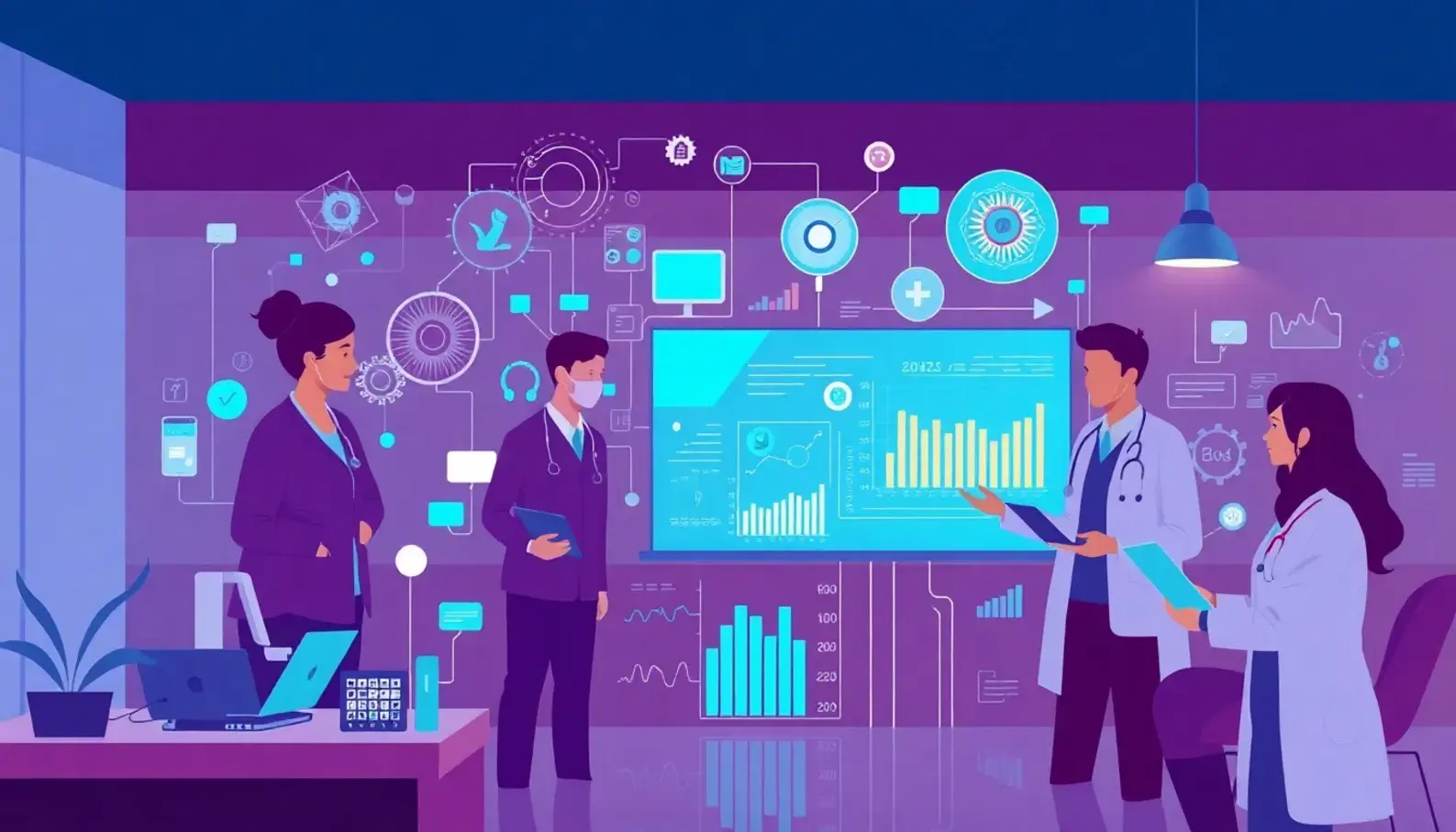
Artificial Intelligence (AI) is reshaping healthcare analytics, providing sophisticated tools to enhance decision-making efficiency and quality. The evolution from traditional data analysis to AI-driven insights has paved the way for transformative changes in healthcare policy and education. This chapter examines the core technologies involved, their applications, and the imperative of maintaining data integrity and ethical standards.
Machine learning, as a pivotal component of AI, fuels predictive analytics by identifying patterns and trends from vast datasets. It enables healthcare professionals to forecast patient outcomes, discover potential health threats, and personalize patient care plans. By leveraging historical data, machine learning algorithms make predictions that inform clinical decisions, optimize resource allocation, and improve patient engagement.
Natural Language Processing (NLP) represents another cornerstone of healthcare analytics. NLP facilitates the analysis and comprehension of clinical notes, research papers, and patient feedback. By converting unstructured data into analyzable formats, NLP enables automated coding, accelerates the research process, and enhances patient experience by extracting valuable insights from electronic health records.
Predictive analytics, powered by AI, empowers healthcare systems to anticipate patient admissions, readmissions, and treatment efficacy. Algorithms assess risk factors and patient behaviors, providing proactive healthcare solutions that reduce costs and improve population health. Through predictive models, complex scenarios are converted into actionable strategies.
The success of AI technologies in healthcare largely depends on data integrity and accuracy. Ensuring data quality involves rigorous validation processes and adherence to standards that safeguard against errors and biases. The deployment of AI hinges on reliable data streams. Models trained on inaccurate or biased data are unreliable and could lead to incorrect decisions.
Ethical considerations are paramount in the healthcare sector, given the sensitive nature of patient data. Protecting patient privacy while ensuring data accessibility for AI processing requires a delicate balance. Establishing transparent protocols and maintaining compliance with regulations are essential to build trust among stakeholders.
Clinical settings around the world have successfully integrated AI-driven analytics. For instance, hospitals utilize machine learning to reduce hospital-acquired conditions by identifying potential risk factors beforehand, thus enhancing patient safety. In another case, AI models have successfully predicted patient responses to chemotherapy, allowing oncologists to tailor treatment plans effectively.
One compelling example comes from a healthcare organization that implemented a comprehensive AI system to reduce readmission rates. By analyzing patient data in real-time, they could provide targeted interventions preemptively. This strategy not only enhanced patient outcomes but significantly lowered operational costs.
Another innovative application involved the use of NLP to analyze patient feedback. This initiative aimed at improving service delivery and ensuring patient-centric healthcare solutions. Feedback from patients was processed to uncover recurring issues, enabling healthcare providers to address systemic challenges swiftly and efficiently.
While AI presents numerous opportunities, practitioners must remain vigilant about the potential pitfalls associated with its use. The importance of maintaining up-to-date knowledge of AI capabilities and continuously refining ethical frameworks cannot be overstated.
Exploring advancements in AI within related sectors might offer valuable insights into trends likely to influence healthcare analytics. For instance, consider the burgeoning role of AI in business growth, which shares parallels with healthcare in optimizing operations and enhancing decision-making. AI and business growth strategies can offer lessons on adopting innovative tools and frameworks applicable in healthcare analytics.
Ultimately, integrating AI into healthcare analytics is not a question of if, but how effectively it can be achieved while preserving ethical standards and data integrity. As we continue to witness AI’s transformative effects, the focus must remain on harnessing these technologies responsibly for the benefit of all stakeholders involved.
Challenges in Implementing AI in Healthcare Analytics Testing
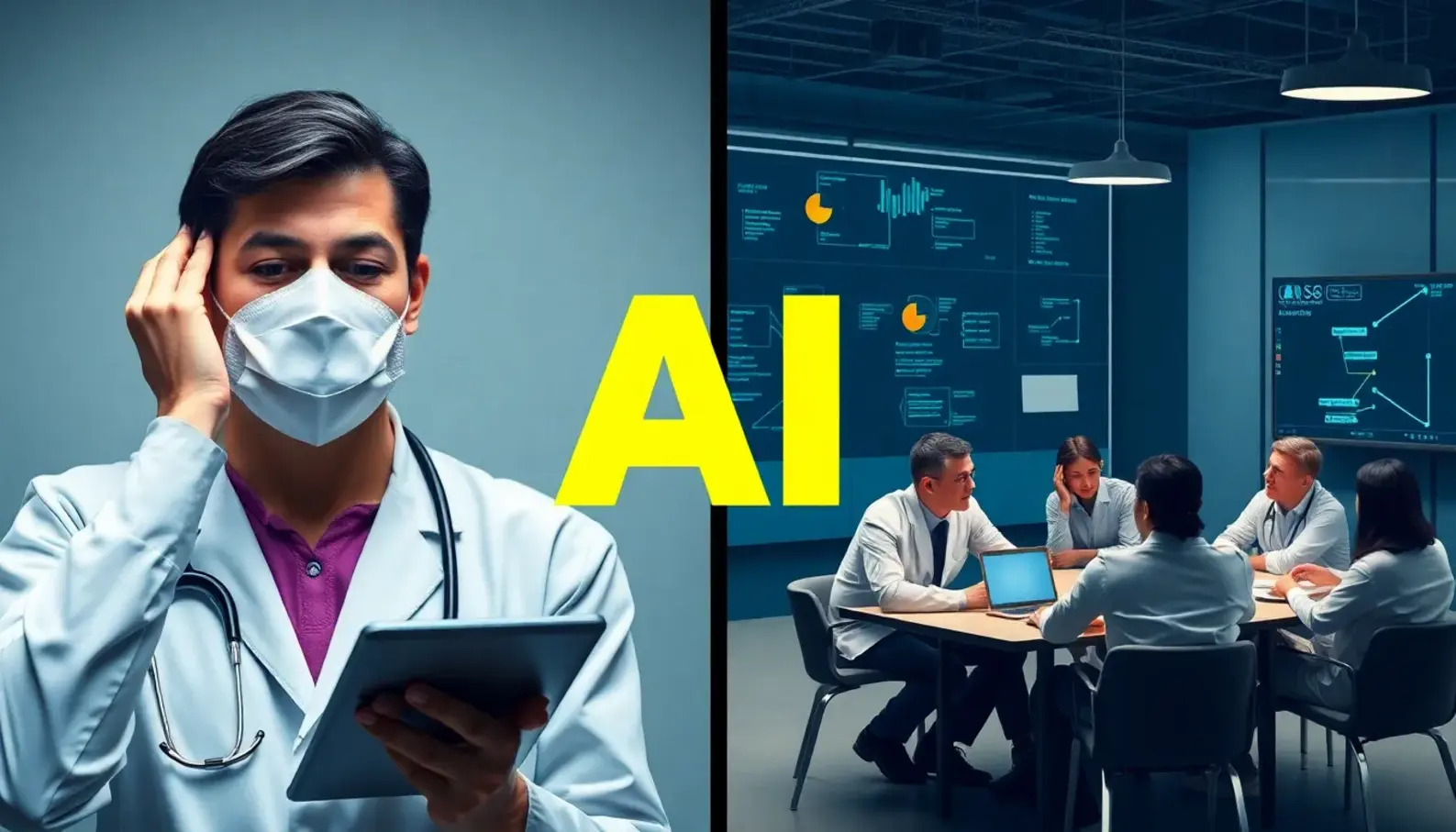
The integration of AI technologies into healthcare analytics introduces a host of challenges. Data privacy concerns are at the forefront, given the sensitive nature of healthcare information. Healthcare data must be safeguarded against breaches and misuse. The implementation of AI requires stringent data protection measures, ensuring compliance with regulations such as the GDPR and HIPAA.
Potential biases within AI algorithms also pose significant challenges. AI systems learn from historical data, which may contain inherent biases. If unchecked, these biases can result in skewed analytics outputs, affecting clinical decisions and patient outcomes. Addressing this requires the deployment of diverse and representative datasets during the AI training phase.
Regulatory compliance is another hurdle. AI tools in healthcare must adhere to various standards and protocols to ensure safety and efficacy. Navigating this complex regulatory landscape demands collaboration between AI developers and healthcare stakeholders to align on best practices.
The need for skilled professionals who can interpret AI outputs is critical. Professionals must not only understand AI technology but also the clinical context. Consequently, healthcare institutions must invest in upskilling their workforce. Training programs focused on AI literacy can bridge the knowledge gap, empowering professionals to make informed decisions based on AI insights.
These challenges have broader implications on policy and operational frameworks within healthcare institutions. Policymakers must account for evolving technologies and devise adaptive regulations. Flexibility in policy design can accommodate technological advancements while safeguarding patient interests.
Overcoming these hurdles requires strategic investments. Stakeholders should prioritize funding for AI-specific training programs and technological infrastructure. Moreover, fostering collaborative environments between tech developers and healthcare entities is vital. Such partnerships can lead to the development of ethical AI solutions that are efficient and patient-centric.
Additionally, fostering open communication channels between AI developers and healthcare professionals is essential. This can be achieved by creating interdisciplinary teams that include data scientists, healthcare providers, and regulatory experts. These teams can collaboratively tackle inherent biases and ensure AI tools meet clinical standards.
Maximizing data insights for better policy and education in healthcare necessitates a balanced approach. Institutions should focus on crafting comprehensive data governance policies. Clear guidelines on data collection, usage, and sharing, coupled with robust encryption protocols, can mitigate privacy risks.
Finally, embedding AI ethics into the development and deployment process is crucial. Ethical AI applications consider the social, economic, and cultural impacts of technology, ensuring decision-making processes respect patient welfare and rights.
Addressing these challenges will pave the way for the successful integration of AI into healthcare analytics. With appropriate strategies, AI can revolutionize healthcare by delivering insightful analytics that enhance patient care and inform policy development.
Future Directions: Enhancing Policy and Education in AI Analytics

The integration of AI in healthcare analytics offers transformative potential, but realizing this potential requires a foundational shift in policies and educational frameworks. As AI technologies rapidly evolve, regulatory landscapes must adapt swiftly to ensure these innovations are both safely leveraged and effectively nurtured. Policymakers stand at the forefront of crafting adaptable frameworks that align with the dynamic nature of AI developments, fostering environments that balance compliance with innovation.
Regulatory frameworks should consider not just the present capabilities of AI but anticipate future advancements. Policies must be sufficiently flexible to allow for innovation while ensuring stringent measures to safeguard patient data and privacy. Frameworks should establish clear guidelines, promoting transparency in AI systems. Such transparency facilitates trust among patients and practitioners, crucial for broader AI adoption in healthcare.
Dynamic policy-making also involves creating cross-collaboration opportunities between various stakeholders—healthcare professionals, technologists, and ethicists—to ensure comprehensive viewpoints inform legislation. These collaborations can lead to more nuanced regulations that accommodate the complexities of AI-driven healthcare systems, aiming to uphold patient safety without stifling technological progress.
Equally critical to policy evolution is the reformation of educational systems. Equipping healthcare professionals with AI literacy is imperative. This requires reimagining curriculums to include AI-centric courses that address not only technical aspects but also ethical considerations and real-world applications. Educators must focus not only on theoretical knowledge but also on practical skills, enabling professionals to confidently incorporate AI tools into their practice.
Promoting interdisciplinary learning is key. By fostering educational paths that combine healthcare expertise with insights into AI and machine learning, new talent can be cultivated. Emerging professionals can bridge existing gaps between technology and clinical practice, advancing healthcare delivery.
Moreover, educational institutions should collaborate closely with healthcare organizations and tech companies. These partnerships can lead to internship programs and practical exposure, offering students firsthand experience with cutting-edge AI tools in real clinical settings. Such experiences are invaluable for understanding the practical challenges and opportunities AI presents within healthcare environments.
Further, continuing education for current healthcare professionals is essential. As AI technologies advance, ongoing training ensures these professionals remain proficient in utilizing new tools effectively and ethically. Tailored workshops, seminars, and online courses can serve as vital resources, maintaining an agile workforce primed for adaptation.
A strategic approach involving policymakers, educators, and the healthcare industry is crucial for ensuring a robust pipeline of AI-proficient healthcare professionals. By prioritizing dynamic policies and comprehensive education reforms, stakeholders can catalyze a transformative phase in healthcare analytics.
Thus, the future of AI in healthcare analytics hinges on a collaborative effort to rethink traditional structures and practices. Innovations in AI offer the promise of better healthcare outcomes, but only if the ecosystem supports the necessary policy and educational reforms. For more on how AI is influencing different sectors, see this article on AI’s role in law.
Final words
The intersection of AI and healthcare analytics testing presents an invaluable opportunity for progress across multiple domains. By effectively leveraging AI technologies, stakeholders can contribute to policy frameworks that foster innovation and improve educational outcomes. With appropriate strategies and collaborations, the healthcare sector can move towards a future where data-driven decision-making is the norm, ensuring better patient care while navigating the complexities of modern healthcare challenges.
Get Toolkit
Learn more: https://innoupdates.com
About us
We offer a comprehensive toolkit for healthcare analytics that includes AI training resources, best practice guidelines, and policy development frameworks. Our goal is to empower healthcare organizations to make informed decisions based on accurate data while navigating the complexities of AI integration.