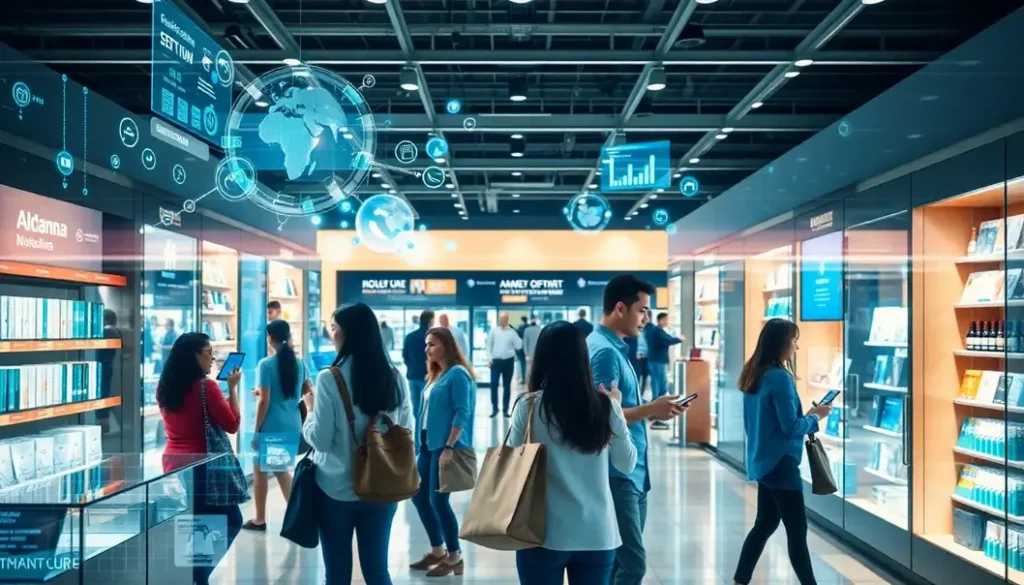
Artificial Intelligence is reshaping the retail landscape by offering unique, personalized shopping experiences that drive customer engagement and satisfaction. By leveraging AI’s capabilities, retailers can optimize operations, tailor marketing strategies, and enhance customer interactions, providing a shopping journey that delights and retains. The fusion of technology and creativity in retail opens doors to opportunities that must be explored by engineers and designers alike. This exploration delves into innovative applications of AI in retail, focusing on real-world implications for engineering and design professionals looking to enhance the retail experience.
The Data-Driven Revolution in Retail
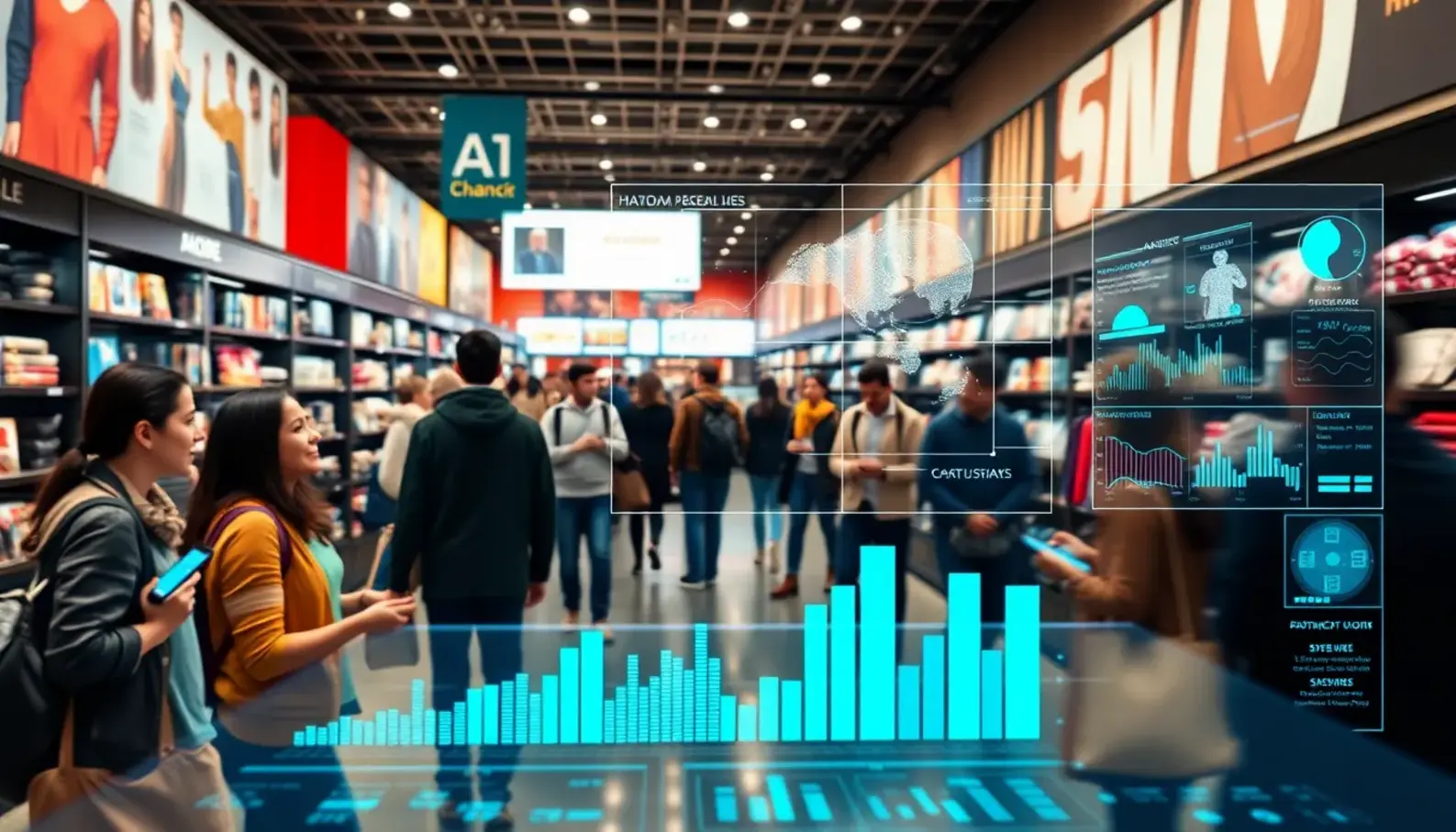
The integration of AI and data analytics is redefining retail strategies and operations in profound ways. Retailers are now leveraging an unprecedented amount of data to make informed decisions, optimize processes, and enhance customer experiences. The transformation underscores the importance of adopting a data-centric approach in engineering and design, positioning businesses to thrive in this new era.
In retail, data is the lifeblood driving personalized marketing campaigns. By analyzing consumer behaviors and preferences, retailers can craft highly targeted promotional strategies. These strategies are not just about drawing customers in; they are about creating a meaningful dialogue that resonates with individual preferences and needs. This level of personalization increases conversion rates and builds long-term customer loyalty, as shoppers feel recognized and valued. With AI, retailers can predict future purchasing behaviors, tailoring marketing efforts to maximize their impact.
Data analytics also plays a crucial role in inventory management. By analyzing shopping patterns and demand trends, retailers can optimize stock levels and reduce waste. Predictive analytics, powered by AI, enables businesses to anticipate demand surges and plan accordingly. This minimizes the risk of stockouts or overstocking, ensuring that the right products are available when customers want them. This streamlined approach not only enhances customer satisfaction but also improves profitability by lowering holding costs and reducing markdowns on unsold inventory.
Sales forecasting is yet another area where data analytics and AI deliver substantial benefits. Retailers can harness sophisticated models that incorporate various data points, from economic indicators to social media trends, to accurately predict future sales. This foresight allows businesses to plan their operations more efficiently, from staffing requirements to marketing budgets. Predictive models provide insight into potential revenue streams, enabling strategic planning and informed decision-making at all organizational levels.
Several case studies illustrate the transformative power of a data-driven approach in retail. For instance, a major clothing retailer utilized AI to analyze customer feedback and sales data, enabling personalized product recommendations that significantly boosted online sales. Another example involves a grocery chain that implemented an AI-driven inventory management system, reducing spoilage and improving the freshness of their produce. These cases underscore the tangible benefits of integrating AI analytics, highlighting increased operational efficiency and enhanced customer satisfaction.
The success of these strategies depends on the collaborative efforts of engineers and designers who embrace innovation through a data-centric lens. Engineers must ensure that AI systems are robust, reliable, and scalable, while designers need to prioritize user-friendly interfaces that facilitate data access and interpretation. Creating an ecosystem where data flows seamlessly between different systems is crucial. This synergy allows for an agile response to market dynamics and evolving consumer preferences.
In conclusion, the data-driven revolution in retail is powered by AI and analytics, driving significant improvements in marketing, inventory, and sales strategies. The integration of these technologies requires a shift in perspective, emphasizing the centrality of data in crafting innovative solutions. By embracing a data-centric mindset, retailers can navigate the complexities of the modern marketplace, ensuring they not only meet but exceed consumer expectations.
For further insights on AI’s impact across various industries, you may find this article on AI in Business Growth particularly enlightening.
Personalization through AI: Crafting Unique Shopping Experiences
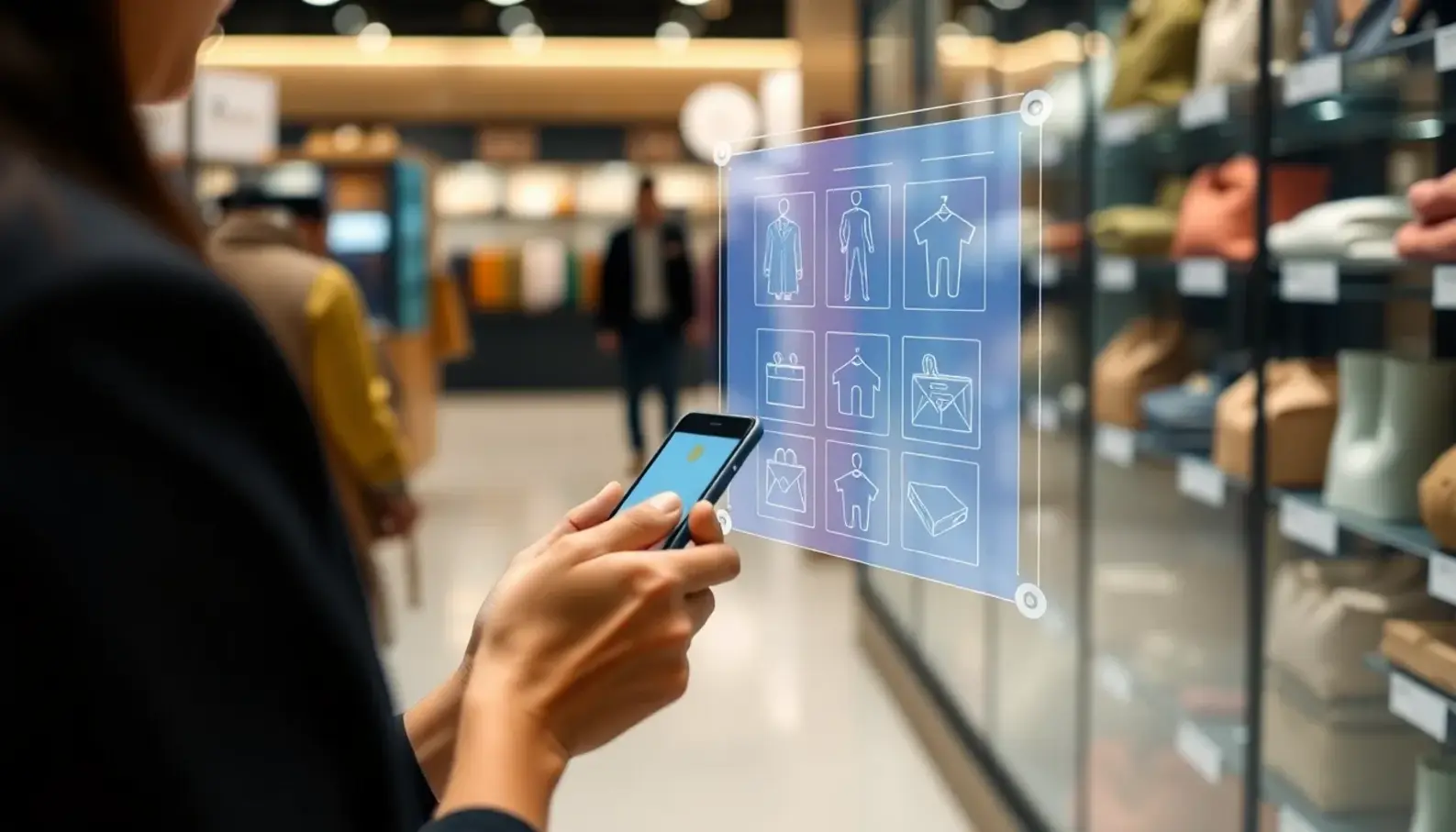
In the realm of retail, personalization is rapidly emerging as the cornerstone of customer engagement, all thanks to the potent capabilities of artificial intelligence. By analyzing consumer behavior, AI algorithms have the ability to transform mundane shopping visits into tailored experiences. This chapter dives into how these technologies work and how they can be seamlessly integrated into retail strategies.
Understanding consumer preferences is crucial. AI leverages data from various sources, such as browsing history, purchase patterns, and even social media activity, to build comprehensive consumer profiles. Machine learning algorithms then detect patterns and correlations within this data to predict what a customer might be interested in or need next. This process not only ensures that recommendations are relevant but also refreshingly personalized. By accurately anticipating customer needs, AI can suggest products with a precision that manual methods lack.
Machine Learning: Tailoring Recommendations and Search Results
One of the most visible applications of AI in retail is personalized product recommendations. By employing collaborative filtering, AI systems are able to recommend items based on the similarities between consumers and the products they’ve interacted with or purchased. Furthermore, natural language processing (NLP) enhances the search functionality in retail platforms, enabling systems to understand customer queries in a nuanced manner. As a result, search results are not just accurate but also resonate with the customer’s intent.
Consider how AI personalizes promotional offers. Unlike traditional blanket marketing strategies, AI customizes promotions based on individual consumer profiles. Predictive analytics identify not just what customers may purchase but also when they are likely to do so. Retailers can then tailor discounts or exclusive offers that encourage timely purchases, effectively driving sales and improving customer satisfaction.
Collaboration for Effective Implementation
The integration of AI into retail requires more than just technological expertise—it demands collaboration between engineers and designers. Engineers build the backend systems necessary to process and analyze vast amounts of data, while designers focus on creating intuitive interfaces that present this data appealingly to customers.
Communication between these teams is imperative. For instance, designers must understand the capabilities and limitations of AI to set realistic goals for personalization features. Engineers, on the other hand, need insights into user experience principles to develop systems that enhance rather than hinder the user journey. Regular feedback loops ensure that updates to AI systems align with evolving consumer expectations and technological advancements.
Designing User-Friendly Interfaces
Designers play a pivotal role in ensuring AI-driven personalization is visible and beneficial to consumers. A well-designed interface subtly nudges users to explore personalized content without overwhelming them with choices. For example, incorporating personalized widgets that highlight ‘‘Customers Also Bought’’ or a ‘‘Recommended for You’’ section enhances the shopping experience without disrupting the user’s browsing.
Moreover, transparency is key to user trust. While personalization offers numerous benefits, customers may feel wary if they don’t understand why certain recommendations are made. Interfaces should, therefore, provide users the option to view and modify their data profiles. This approach fosters trust and encourages interaction with the personalized features offered.
To dive deeper into how AI is shaping industries beyond retail, explore this insightful piece on AI in marketing strategies, where targeted approaches are redefining how brands connect with consumers.
The synthesis of AI technology and human creativity is propelling retail personalization to new heights. As AI continues to refine its understanding of consumer behavior, retailers that embrace these tools will not only enhance customer satisfaction but also gain a competitive edge by offering shopping experiences that are as unique as the individuals they serve.
Future Trends: AI Integrations in Retail
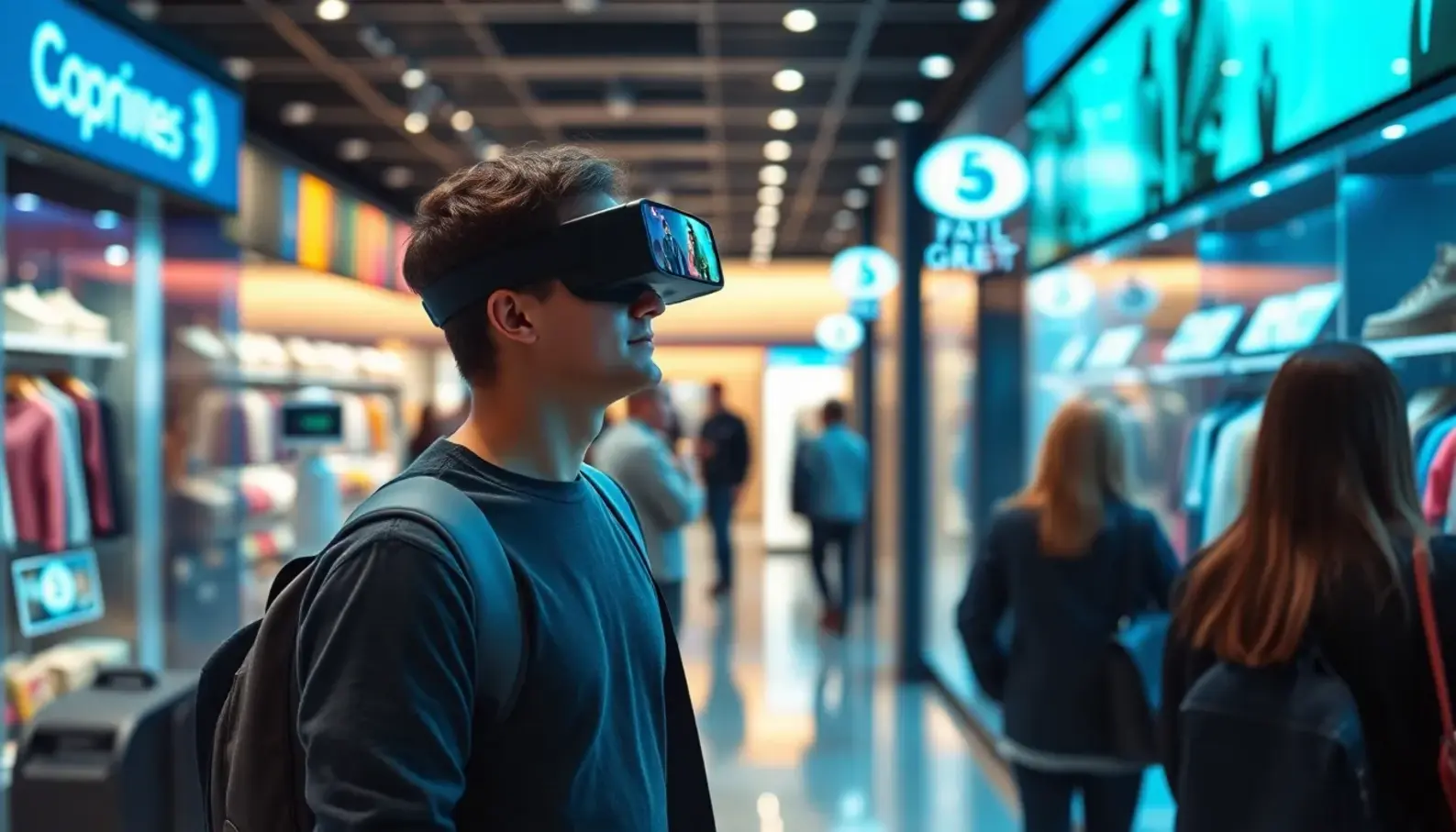
The retail sector stands on the brink of transformative change, spearheaded by advancements in artificial intelligence. These advancements promise not only to enhance operational efficiencies but also to reshape customer interactions fundamentally. One of the most captivating trends on the horizon is the emergence of virtual shopping assistants. Powered by sophisticated AI algorithms, these digital companions guide consumers through their purchase journeys. They offer personalized recommendations based on previous shopping behavior, preferences, and real-time needs, creating an experience akin to having a personal shopper.
Engineers and designers can enrich these virtual assistants further by integrating natural language processing and machine learning. Such capabilities enable assistants to understand and predict future needs, offering suggestions long before the consumer realizes them. This anticipatory service transforms how customers perceive shopping, making it more intuitive and engaging.
Another cutting-edge development is the use of augmented reality (AR) in retail. AR technology bridges the physical and digital aspects of shopping, providing consumers with unprecedented product interaction. By overlaying digital information onto the physical environment, AR allows consumers to visualize products in real-world contexts. Imagine trying on clothes virtually or seeing how a piece of furniture fits within the confines of your living room—all before making a purchase.
Augmented reality not only enhances the customer’s shopping experience but also reduces return rates by ensuring products meet expectations. This technology can be challenging to implement, requiring sophisticated software and hardware integration. However, its potential to improve customer satisfaction and loyalty makes it an essential development area for those in the retail tech sector.
Predictive analytics is another pivotal trend poised to redefine retail strategies. By analyzing vast amounts of data, AI can identify patterns and forecast future consumer behavior. Retailers can optimize inventory levels, personalize marketing campaigns, and develop customer retention strategies informed by data-driven insights. These capabilities position companies to respond proactively to market trends, staying steps ahead of competitors.
To harness the full potential of predictive analytics, engineers and designers must focus on building robust data collection and analysis frameworks. Ensuring data integrity and security is paramount as predictive models rely heavily on accurate information. Additionally, collaboration across departments is vital to align technological capabilities with business objectives, ensuring AI-driven insights translate into actionable strategies.
An often-overlooked trend is the intersection of AI with ambient intelligence to create environments that intuitively respond to consumer needs. By embedding AI into the physical retail space, retailers can craft intelligent environments that adjust lighting, temperature, and even shelving layouts based on consumer presence and preferences. This integration of ambient intelligence fosters a dynamic shopping atmosphere, enhancing the overall experience while streamlining operations.
The future of AI in retail depends also on advances in infrastructure, including quantum computing. The processing power of quantum computers could exponentially increase the capabilities of AI models, providing immediate responses and insights. Engineers and designers should stay abreast of these technological advancements and consider their implications for their AI projects. Explore more about quantum computing innovations.
As AI continues to weave into the fabric of retail, engineers and designers must adopt a forward-looking approach, anticipating developments and equipping themselves with the skills and tools necessary to integrate these innovations seamlessly. By doing so, they can craft experiences that not only meet the expectations of today’s consumers but also predict the demands of tomorrow’s market.
Integrating future trends of AI in retail is more than a technological upgrade. It is a strategic necessity. By embracing innovations such as virtual shopping assistants, augmented reality, predictive analytics, and ambient intelligence, retail professionals can create customer experiences that are interactive, personalized, and profoundly engaging. In an era where customer expectations are higher than ever, staying ahead with these innovations will be crucial for success.
Final words
AI’s integration into retail is not merely a trend; it’s a revolution that enhances customer experiences and operational efficiencies. Engineers and designers play critical roles in shaping this evolution, ensuring innovations align with consumer needs and market demands. By embracing AI, the retail sector can enhance its strategies, create engaging experiences, and ultimately thrive in a competitive landscape.
Access Case Study
Learn more: innoupdates.com
About us
We provide state-of-the-art AI solutions tailored for the retail industry, empowering businesses to enhance their customer engagement and operational efficiencies. Our offerings encompass data analytics, personalized marketing systems, user-friendly designs, and innovative technology integrations that redefine the retail experience.