
Artificial intelligence is not just a buzzword; it’s reshaping the landscape of retail experiences for both consumers and businesses. As educators and consultants in this thriving field, understanding AI’s role can dramatically enhance learning and implementation strategies. With AI, retailers can curate personalized shopping experiences, streamline operations, and leverage data analytics to anticipate consumer needs. This journey into AI in retail experience development explores its transformative potential through tailored customer interactions, predictive retail analytics, and operational efficiencies. By embracing these advancements, stakeholders can align their strategies with a dynamic market, ultimately fostering enhanced customer relationships and boosting sales. Let’s dive into the fascinating world of AI in retail and uncover practical strategies for success.
Personalization at Scale: AI-Powered Customer Insights
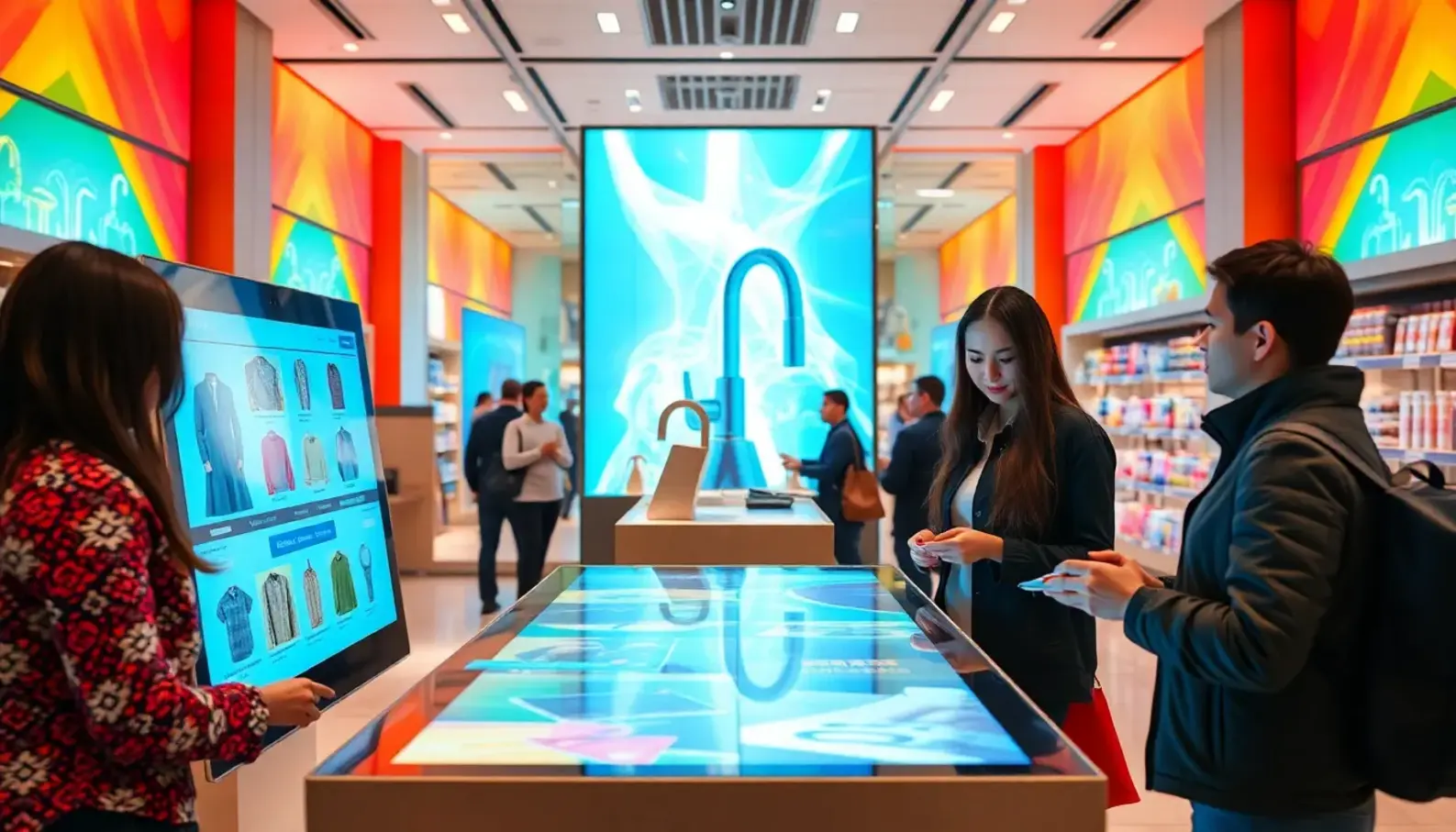
Artificial intelligence has revolutionized retail by transforming how businesses understand and interact with their customers. The key to this transformation is AI’s ability to analyze vast amounts of data to unveil insights and deliver personalized experiences at scale. Retailers have long sought to tailor their offerings to individual preferences, yet achieving personalization with traditional methods was laborious and often imprecise.
AI technologies have introduced a new era of customer personalization. Machine learning algorithms and data analytics sift through consumer data, identifying patterns and preferences that would otherwise remain hidden. These insights allow retailers to predict what products a customer might be interested in, optimizing their marketing strategies and enhancing customer engagement.
Behavioral tracking, a facet of AI integration, plays a crucial role in understanding customer preferences. Advanced algorithms monitor clicks, time spent on pages, browsing history, and past purchases. This data enables AI systems to create detailed customer profiles, which serve as the foundation for personalized recommendations. By understanding how consumers navigate online stores, retailers can tailor their offerings to meet individual needs more effectively.
Moreover, AI’s predictive analytics capabilities are indispensable in this personalization paradigm. By analyzing historical data, AI can forecast future buying trends and preferences with remarkable accuracy. Predictive insights help retailers adjust their inventory and marketing strategies, ensuring that their offerings align with consumer demand. This proactive approach not only boosts sales but also enhances customer satisfaction by providing products that customers are likely to want.
Sentiment analysis is another AI-driven innovation that is transforming retail personalization. This technology analyzes customer reviews and comments posted online, capturing the sentiment behind the words. By categorizing feedback as positive, negative, or neutral, retailers gain an understanding of how their products or services are perceived. This insight allows for rapid adjustments in marketing strategies and product offerings to better meet consumer expectations.
AI-powered chatbots and virtual assistants have become valuable tools in delivering personalized customer experiences. These digital entities interact with customers in real-time, offering recommendations based on previous interactions and preferences. By providing immediate assistance and tailored advice, chatbots enhance customer engagement and streamline shopping experiences.
Retailers are increasingly leveraging computer vision technology in physical stores to gain insights into consumer behavior. Cameras equipped with AI detect patterns such as which products are frequently picked up or which shelves attract the most attention. This information helps retailers design store layouts that cater to consumer interests, creating an intuitive shopping experience.
Furthermore, natural language processing (NLP) technologies have made significant strides in understanding customer inquiries and preferences. NLP analyzes conversations between consumers and virtual agents, extracting valuable data from the interactions. This process not only improves the accuracy of chatbot responses but also enriches customer profiles, further enhancing personalization efforts.
Additionally, AI is instrumental in identifying emerging market trends. By continually analyzing industry-wide data, AI systems detect shifts in consumer preferences and predict upcoming fashion trends. Retailers equipped with these insights can position themselves at the forefront of innovation, offering cutting-edge products that resonate with their audience.
Retailers must also consider the ethical implications of extensive data collection and analysis. Transparency in how consumer data is used and ensuring robust privacy measures are crucial for maintaining trust. Balancing ethical considerations with the desire for personalization remains a significant challenge for businesses navigating the AI landscape.
The integration of AI in retail strategies has indeed redefined how businesses understand and cater to their customers. By harnessing the unprecedented power of AI to gather and analyze customer data, retailers can deliver highly personalized shopping experiences that meet the unique demands of each consumer. For more insights into how AI impacts business strategies across various domains, exploring AI in business growth provides an expansive view of AI’s transformative potential.
As retailers continue to embrace AI-driven solutions, it is clear that personalization at scale is not just a possibility but an essential strategy for staying competitive in the evolving retail landscape.
Predictive Analytics: Anticipating Consumer Needs
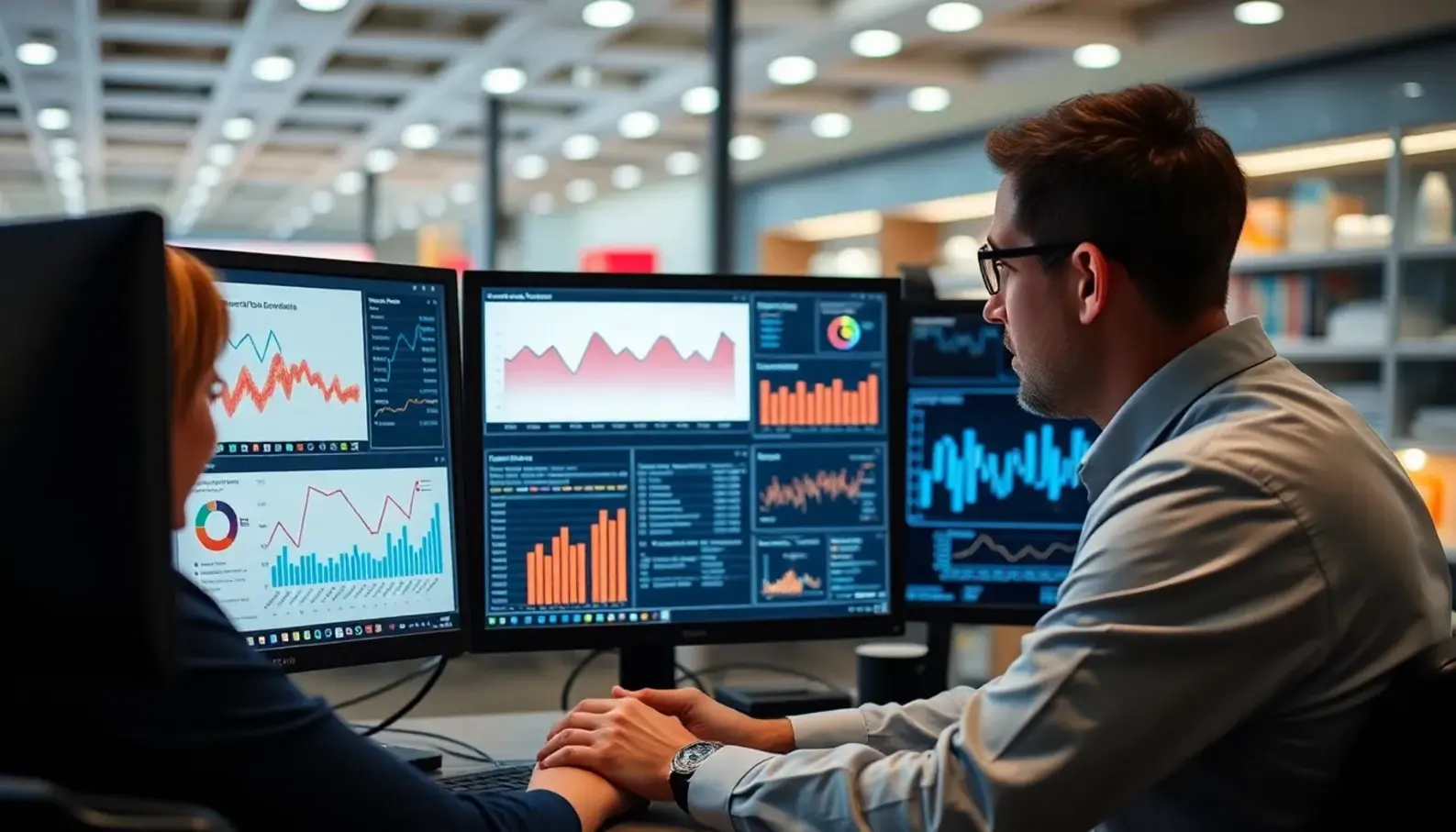
Retailers are increasingly turning to predictive analytics powered by AI to uncover consumer patterns and forecast trends. The goal is not just to react to consumer preferences, but to anticipate them. By analyzing vast amounts of data, retailers can fine-tune their inventory and maximize customer satisfaction.
Predictive analytics begins with data. Retailers collect information from diverse sources—online browsing behavior, purchase history, social media, and even weather forecasts. This data is then processed through sophisticated algorithms to discern patterns that could indicate future buying habits.
One such algorithm is collaborative filtering, which identifies similarities among users and predicts their preferences based on the choices of others with analogous tastes. For instance, if a consumer frequently buys organic foods, the system can predict they might be interested in upcoming organic product lines. Such inferences allow retailers to tailor marketing strategies and enhance cross-selling opportunities.
Time-series forecasting is another popular approach. Algorithms such as ARIMA (AutoRegressive Integrated Moving Average) or LSTM (Long Short-Term Memory networks) analyze historical sales data to predict future sales trends. This method is particularly useful for inventory management, as it helps retailers decide which products should be stocked in anticipation of demand spikes. For instance, predicting increased demand for winter coats as colder weather approaches can ensure adequate stock levels, preventing both shortages and excess stock.
Natural Language Processing (NLP) algorithms further bolster predictive analytics by mining insights from unstructured data sources. Product reviews, customer feedback forms, or social media interactions are fertile grounds for NLP. By understanding consumer sentiment, retailers can not only predict trends but also gauge the potential success of new product introductions or marketing campaigns.
Moreover, clustering algorithms group consumers into segments based on behavioral patterns or demographics. Retailers can then target these clusters with personalized promotions. For example, a fashion retailer might identify a cluster of young professionals more inclined towards sustainable fashion, tailoring their offerings and marketing to this group’s preferences.
Predictive analytics is also transforming promotional strategies. By applying uplift modeling, retailers can predict which customers are most likely to respond positively to a particular promotion, thus optimizing marketing spend. This approach contrasts with traditional models that indiscriminately target a broad user base, often resulting in wasted resources.
AI-driven predictive analytics empower retailers to innovate in customer experience and streamline operations. Automated inventory management systems use AI’s predictive power to optimize stock levels dynamically. This means a reduction in overstock situations and diminished need for clearance sales, ultimately leading to greater profit margins.
The benefits of predictive analytics extend beyond inventory and marketing. Retailers can enhance customer service by forecasting when additional staff might be necessary. Staffing algorithms that predict peak store hours ensure customer service levels remain high, thereby improving the overall shopping experience.
Ethical Considerations
As predictive analytics gains traction, ethical considerations become paramount. Retailers must ensure they use consumer data responsibly and transparently. Data privacy and security are non-negotiable, requiring retailers to adhere to stringent regulations and protect consumer information at every step.
Additionally, biases in data can lead to skewed predictions. Algorithms must be continuously monitored and recalibrated to prevent discrimination or exclusionary practices. Embracing diverse data sources helps create a comprehensive consumer profile, reducing the risk of biased predictions.
Future Outlook
The future of predictive analytics in retail promises even more sophisticated algorithms, potentially leveraging innovations in quantum computing to process complex datasets with unprecedented speed. This evolution holds the potential to refine predictions further, offering hyper-personalized shopping experiences.
While predictive analytics currently focuses on anticipating needs, emerging technologies like Ambient Intelligence could bring even more responsive retail environments. Imagine a store that automatically adjusts its offerings and ambiance based on real-time consumer mood data.
Retailers ready to embrace AI-driven predictive analytics stand to gain not only a competitive edge but a deeper connection with their consumers. This alignment of technological innovation and consumer insight signifies a transformative shift in the retail landscape.
Streamlining Operations: AI for Efficient Retail Management
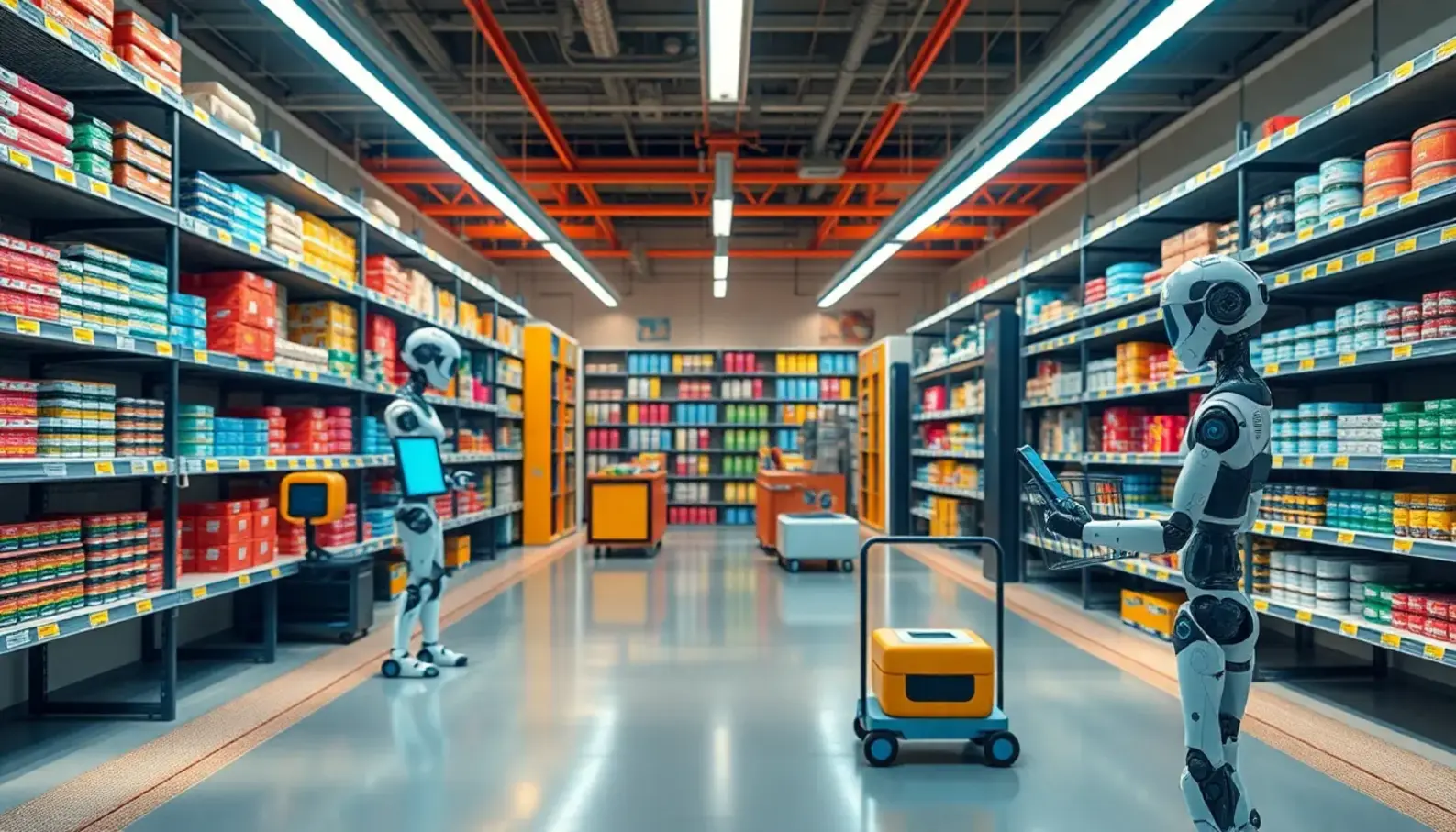
Artificial Intelligence (AI) is reshaping the landscape of retail management by driving operational efficiencies that were previously unattainable. The integration of AI technologies into retail operations has delivered substantial improvements in areas such as inventory management and customer service. These advancements not only streamline processes but also boost productivity, enabling human resources to focus on more complex tasks that require emotional intelligence and strategic decision-making.
Automated inventory management systems utilize AI algorithms to monitor stock levels, predict demand, and optimize supply chain processes. This ensures that retailers maintain the right balance of stock, avoiding both the excess that ties up capital and the shortages that frustrate customers. Machine learning models analyze historical sales data, seasonal trends, and even external factors like weather patterns to forecast demand with remarkable accuracy. This predictive capability reduces the need for manual intervention, allowing inventory managers to concentrate on strategic planning rather than routine stock checks.
In addition, AI-enhanced inventory systems can dynamically adjust reorder levels and trigger timely restocking actions. This reduces the likelihood of stockouts and overstock situations, enhancing customer satisfaction and reducing wastage. Moreover, the real-time visibility provided by these systems aids in better decision-making across various levels of an organization, from warehouse operations to sales strategies.
The role of AI in customer service is equally transformative. AI-powered chatbots and virtual assistants are operating on the front lines of customer interaction, handling a multitude of inquiries with speed and precision. These intelligent systems can be trained to respond to frequently asked questions, process orders, and assist customers in finding products. By leveraging natural language processing (NLP) and machine learning, chatbots provide personalized customer experiences that mimic human interaction without the associated overhead costs.
Furthermore, AI-driven chatbots can operate round-the-clock, ensuring customers have access to support outside of traditional business hours. This continuous availability significantly enhances customer satisfaction and loyalty, as consumers appreciate immediate responses. By handling routine inquiries and service requests, chatbots free up human staff to manage complex issues and engage in meaningful interactions that require empathy and human judgment.
The integration of AI in these areas not only streamlines operations but also creates a data-rich environment capable of generating insights that drive strategic decisions. With AI systems capturing vast amounts of data about customer preferences and behaviors, retailers can tailor their offerings to meet evolving consumer demands more effectively. This data-driven approach facilitates personalized marketing strategies and dynamic pricing models which enhance the customer experience and optimize sales outcomes.
AI’s influence also extends into workforce management through the optimization of labor schedules and forecasting staffing needs based on projected sales volumes and foot traffic data. By automating shift scheduling, retailers can ensure adequate staffing levels during peak periods without overscheduling during slower times, optimizing labor costs and employee satisfaction simultaneously.
Moreover, integrating AI systems into checkout processes can enhance both speed and accuracy. Automated checkouts employing computer vision and sensors allow customers to scan and pay for items with minimal human intervention, reducing wait times and improving the shopping experience. This seamless transaction process caters to the modern consumer’s desire for convenience and efficiency, paving the way for an innovative shopping environment.
As AI technologies continue to evolve, their potential in retail management remains vast and largely untapped. Retailers who embrace these advancements are not only redefining operational efficiencies but are also setting new standards in customer experience. By choosing to allocate AI for routine tasks, businesses open the door for human talent to thrive in roles that cultivate creativity, innovation, and strategic insight.
For those interested in the broader implications of AI in business growth, explore more on AI in Business Growth.
Final words
As the retail landscape continues to evolve, the integration of AI stands out as a critical element in enhancing the customer experience and optimizing operations. Educators and consultants must emphasize the practical applications of AI technologies, enabling their clients to remain competitive and forward-thinking. By leveraging AI’s potential for personalization, predictive analytics, and efficiency, retailers can not only meet but exceed customer expectations, driving loyalty and growth in an increasingly digital marketplace.
Book a Demo
Learn more: https://innoupdates.com
About us
Our mission is to empower retailers through cutting-edge AI solutions that enhance customer experiences and operational efficiency. We provide comprehensive tools for personalized marketing, predictive analytics, and seamless inventory management, designed to meet the specific needs of the retail sector. By integrating our solutions, retail businesses can transform their strategies, engage customers more effectively, and drive sustainable growth.