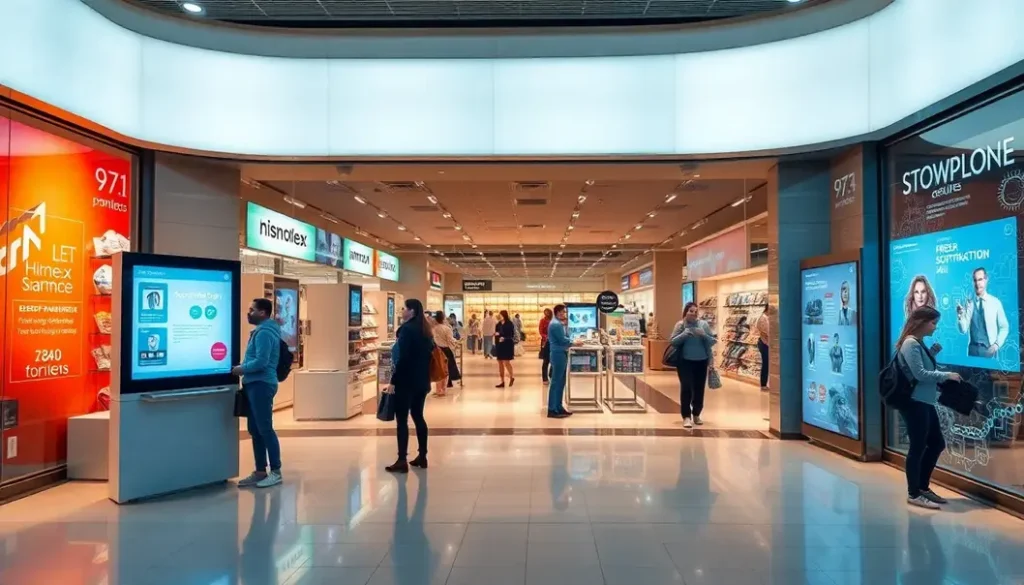
Artificial intelligence (AI) is reshaping the retail sector, driving significant changes in customer experience and operational efficiency. For entrepreneurs and HR managers, understanding the implications of AI is crucial. From personalized shopping experiences to streamlined inventory management, AI helps retailers respond to ever-evolving consumer demands. By leveraging advanced data analytics, businesses can gain insights to optimize their strategies and enhance customer satisfaction. This article delves into the practical applications of AI in retail, examining key trends, necessary skills, and future opportunities that HR managers and entrepreneurs need to embrace for sustainable growth.
Harnessing AI for Personalized Shopping Experiences
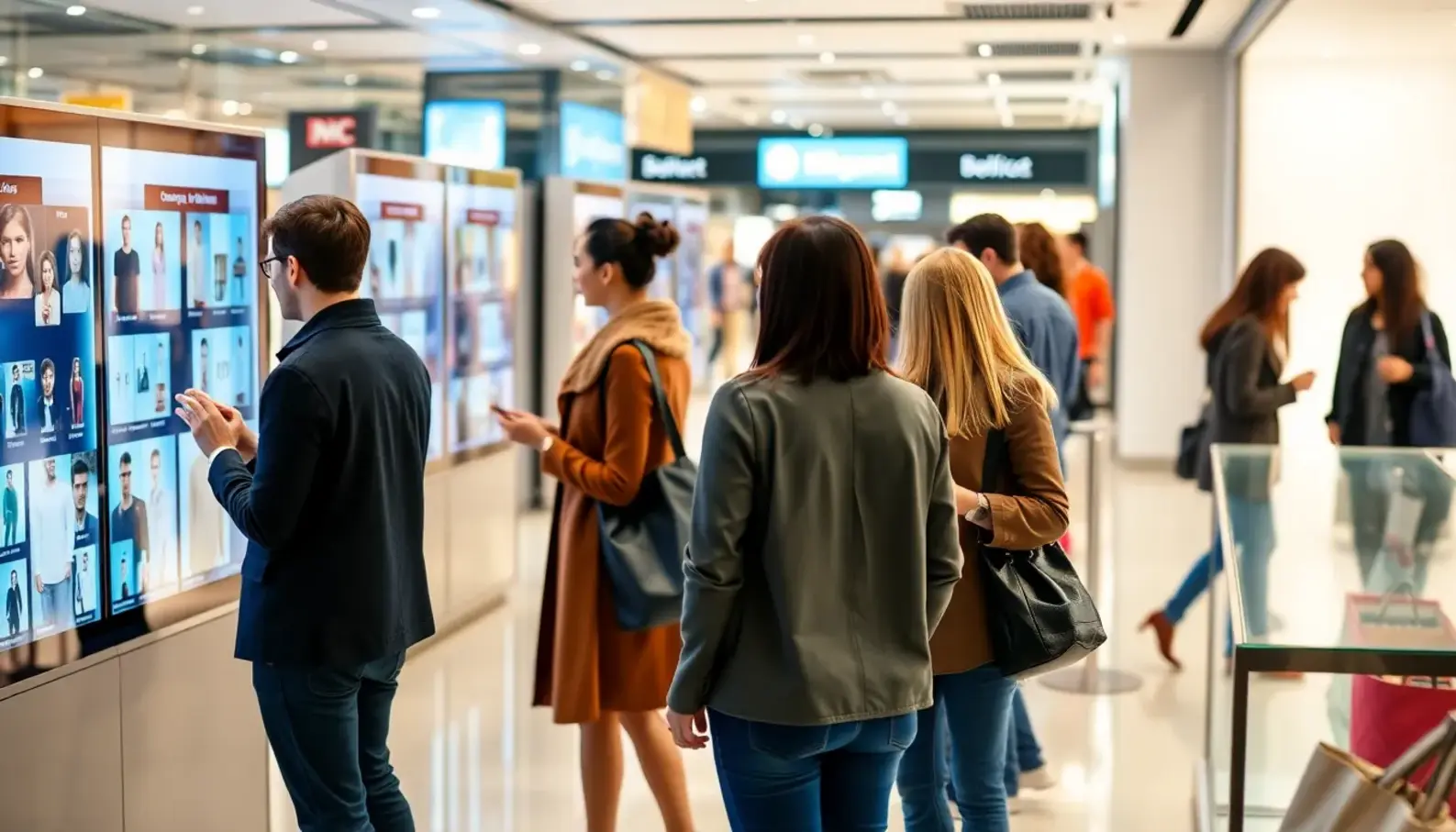
In retail, the quest for personalized customer experiences is being transformed by the power of artificial intelligence. AI is redefining how retailers understand, interact with, and serve their customers. At the core of this transformation are algorithms that analyze data to extract meaningful patterns, predict trends, and tailor interactions to individual preferences. These advanced capabilities empower retailers to enhance engagement and drive sales by delivering highly personalized shopping experiences.
Artificial intelligence achieves personalization by leveraging machine learning algorithms, which are trained on vast datasets to recognize patterns and trends. These datasets typically include customer demographics, purchase history, browsing behavior, and even social media activity. By processing this information, AI systems can accurately segment customers into distinct groups based on shared characteristics or behaviors. This segmentation is pivotal for tailoring marketing strategies and product offerings to match the specific preferences of each customer group.
One of the most impactful applications of AI in retail personalization is the implementation of recommendation systems. These systems utilize collaborative filtering and content-based filtering to suggest products that align with a customer’s previous purchases or browsing activities. Collaborative filtering creates a profile of similar customers and uses these profiles to recommend popular products. On the other hand, content-based filtering analyzes product features that a customer previously enjoyed to suggest similar items. By combining these approaches, recommendation systems can provide highly relevant suggestions, thereby enhancing customer satisfaction and increasing the likelihood of purchase.
The use of neural networks in recommendation systems further refines the accuracy of these suggestions. Deep learning models, such as convolutional neural networks (CNNs) and recurrent neural networks (RNNs), process complex and non-linear data patterns to improve prediction accuracy. These models can capture the nuances of customer preferences, enabling retailers to offer a dynamic and responsive shopping experience. The integration of these advanced AI models into recommender systems leads to enhanced personalization across diverse retail channels, from online storefronts to physical locations.
Beyond recommendation systems, AI also personalizes marketing campaigns by using predictive analytics. By analyzing past customer interactions and predictions, AI tools can forecast future behaviors and preferences. This insight allows marketers to design campaigns that not only target the right audience but also deliver the right message at the right time. Personalized marketing has been shown to significantly improve customer engagement by making each interaction more relevant and impactful.
AI-driven personalization extends into other areas of retail as well. Dynamic pricing algorithms, for instance, adjust prices in real time based on demand, competition, and individual customer willingness to pay. This strategy ensures optimal pricing for both retailers and consumers, maximizing profitability while maintaining competitiveness. Additionally, chatbots equipped with natural language processing (NLP) capabilities offer personalized customer service without the need for human intervention. By understanding and responding to customer inquiries in a conversational manner, these AI-powered chatbots can resolve issues promptly and efficiently.
The success of AI in personalizing retail experiences depends on the quality and integrity of the underlying data. Retailers must prioritize robust data collection and management practices to ensure accuracy and consistency. Moreover, ethical considerations, such as data privacy and security, must remain at the forefront of any AI implementation. Transparency about data usage and giving customers control over their personal information are crucial for maintaining trust and compliance with data protection regulations.
Retailers seeking to implement AI-driven personalization can start by leveraging existing technologies and platforms or developing custom solutions tailored to their unique needs. This flexibility allows retailers to scale their AI initiatives and enhance their capabilities gradually. Furthermore, cross-industry collaboration provides opportunities to adopt best practices and learnings from other sectors. For instance, insights from AI applications in business growth, as explored in AI in Business Growth, can inform strategies for retail personalization.
In conclusion, AI is revolutionizing the retail industry by providing unparalleled opportunities for personalization. Retailers that harness advanced AI tools and techniques can create highly engaging and effective customer interactions. As AI technology continues to evolve, its ability to personalize shopping experiences will only deepen, offering exciting possibilities for both retailers and consumers alike. The future of retail lies in the seamless blending of technology with human-centric approaches, delivering personalized experiences that resonate on an individual level.
Streamlining Operations: AI in Inventory and Supply Chain Management
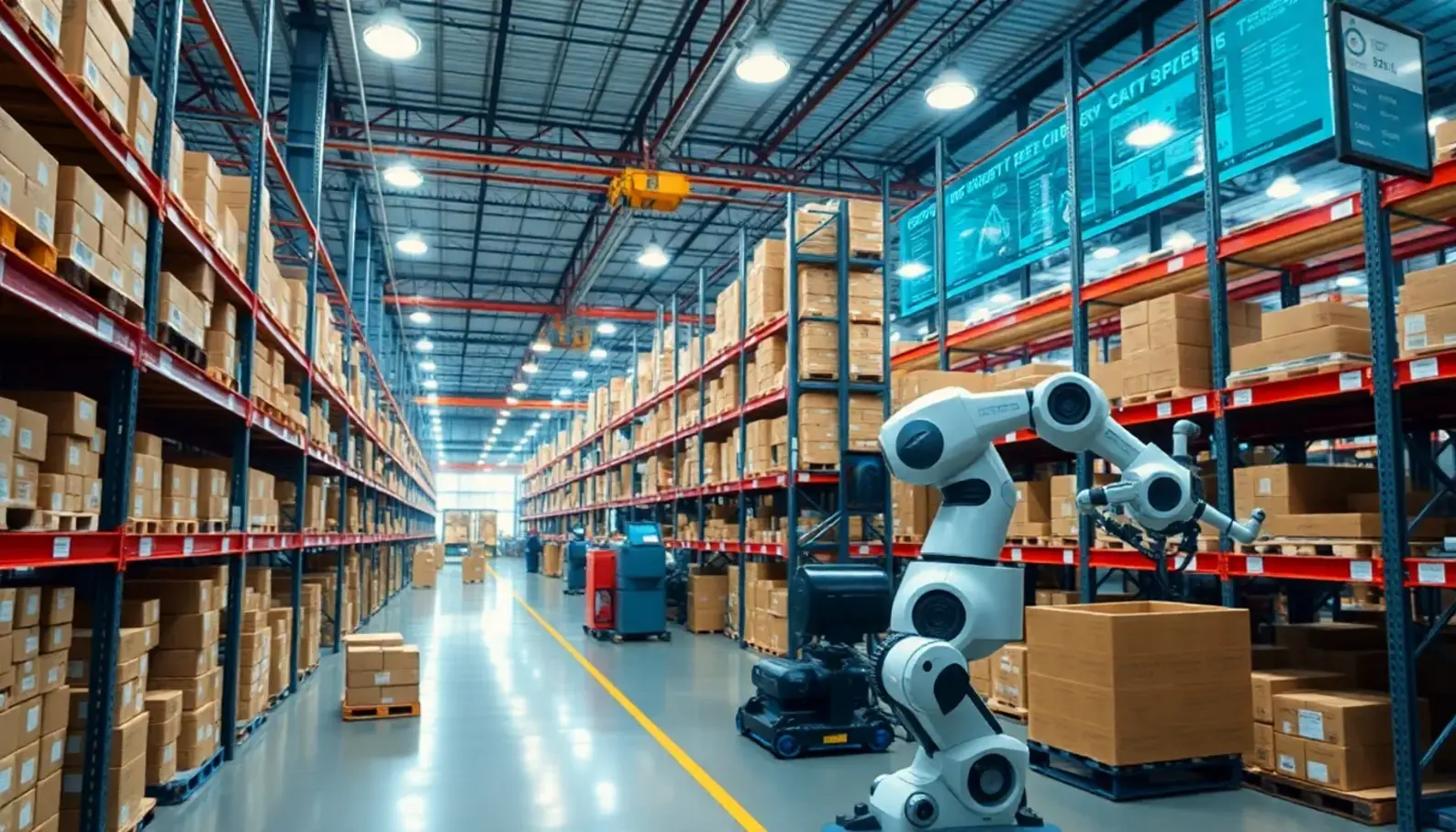
Artificial intelligence has become crucial for modern retail, transforming traditional inventory and supply chain management to more efficient and adaptable operations. AI technologies, such as predictive analytics and machine learning, address key challenges retailers face in maintaining optimal stock levels, reducing waste, and increasing supply chain visibility.
In inventory management, predictive analytics redefines how businesses forecast demand. Unlike traditional models dependent on historical sales data, AI analyzes real-time data from diverse sources, including social media trends, economic indicators, and weather forecasts. This allows retailers to dynamically adjust stock based on predicted consumer demand changes, reducing instances of overstocking or stockouts. For instance, a major retail chain implemented AI-driven predictive analytics, achieving a 30% reduction in excess inventory while improving product availability by 20%.
Machine learning algorithms further refine inventory management strategies. These algorithms continuously learn from new data, enhancing demand forecasting accuracy over time. Machine learning can identify patterns not evident to human analysts, enabling more precise inventory adjustments. A global consumer electronics retailer utilized machine learning to optimize its warehouse stocking processes, resulting in a 50% improvement in stock turnover rates.
AI-driven logistics solutions enhance supply chain efficiency by optimizing routing and delivery schedules. Traditional logistics models often struggle with variables like traffic, weather, and vehicle capacity. AI optimizes delivery routes in real-time, considering these factors to minimize delays and fuel consumption. A large e-commerce platform implemented an AI-based logistics system, reducing delivery time by 15% and fuel costs by 12%, thereby increasing overall supply chain efficiency.
Enhancing supply chain visibility is another significant benefit of AI integration. Current systems are often fragmented and lack the capability to provide a holistic view. AI technologies integrate various data streams, offering retailers comprehensive visibility into their supply chains. This enables proactive management of disruptions, such as delays or supply shortages. A fashion retailer used AI to gain end-to-end supply chain visibility, reducing disruptions by 25% and optimizing order fulfillment.
AI’s ability to process and analyze vast amounts of data in real-time is a game changer for supply chain risk management. Retailers can quickly identify and respond to potential risks, such as geopolitical events or natural disasters, minimizing their impact on operations. This proactive risk management ensures that retailers can maintain continuity in their supply chain operations.
There are numerous real-world examples where companies have successfully implemented AI solutions to enhance operational stability and profitability. A supermarket chain adopted AI to optimize its supply chain network, reducing operational costs by 10% while improving delivery precision. Another case is a leading apparel brand that employed AI technologies to monitor its vast and complex supplier network, ensuring ethical sourcing practices and improving supplier compliance by 20%.
Notably, the integration of AI does not merely automate existing processes but also opens avenues for creative problem-solving and strategic decision-making. For retailers, leveraging AI capabilities can transform supply chain management from a reactive task to a proactive strategy for sustained growth and customer satisfaction.
As AI continues to evolve, its application in inventory and supply chain management will undoubtedly expand, driving further innovations. Retailers willing to invest in AI-driven solutions position themselves at the forefront of industry advancements, ensuring they remain competitive in an ever-changing retail landscape.
To learn more about transformative innovations, explore insights on how businesses utilize AI for growth.
Final words
The integration of AI in retail is no longer a luxury; it is becoming essential for survival in today’s competitive landscape. Entrepreneurs and HR managers must prioritize AI adoption not just for immediate benefits, but as a foundational strategy for long-term growth and customer satisfaction. By embracing these technologies, businesses can position themselves as leaders, driving innovation and meeting the demands of an increasingly digital consumer base.
Try Free Demo
Learn more: https://innoupdates.com
About us
At Innoupdates, we specialize in cutting-edge AI solutions tailored for the retail industry, including personalized marketing algorithms, inventory optimization tools, and advanced customer engagement platforms. Our mission is to empower retailers with innovative technology that drives results, enhances customer experience, and streamlines operational efficiency. Explore how our services can transform your business.