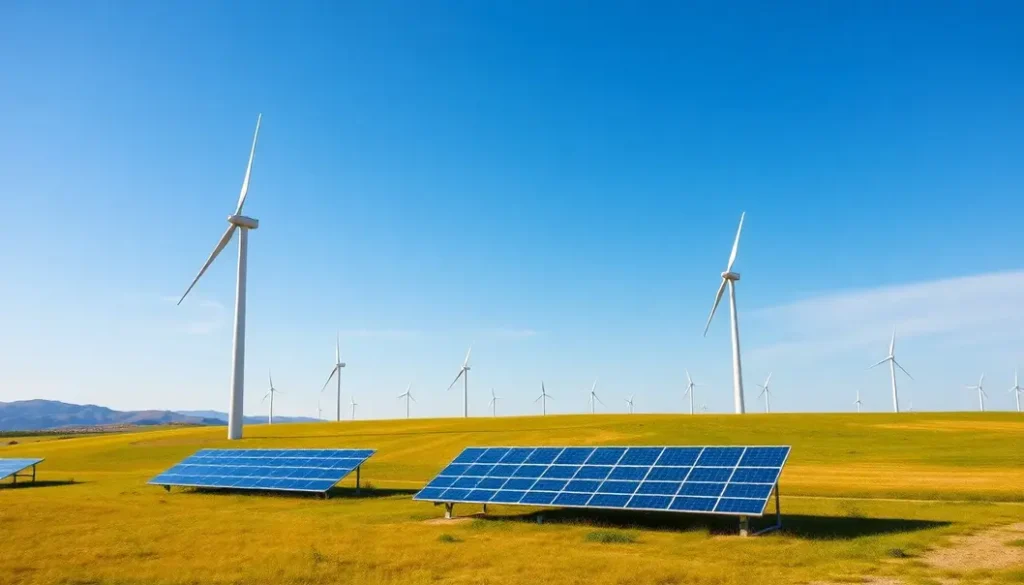
Energy harvesting technology holds the key to a sustainable future by capturing ambient energy sources and converting them into usable power. This innovative approach addresses the immense need for renewable energy solutions while minimizing our carbon footprint. With advancements in engineering and materials science, energy harvesting offers new ways for environmentalists and engineers alike to reduce dependency on fossil fuels, engage in eco-friendly practices, and support cleaner energy generation. Understanding the mechanisms and applications of this technology is vital to promote its adoption and realization of a sustainable world.
Understanding Energy Harvesting Technologies
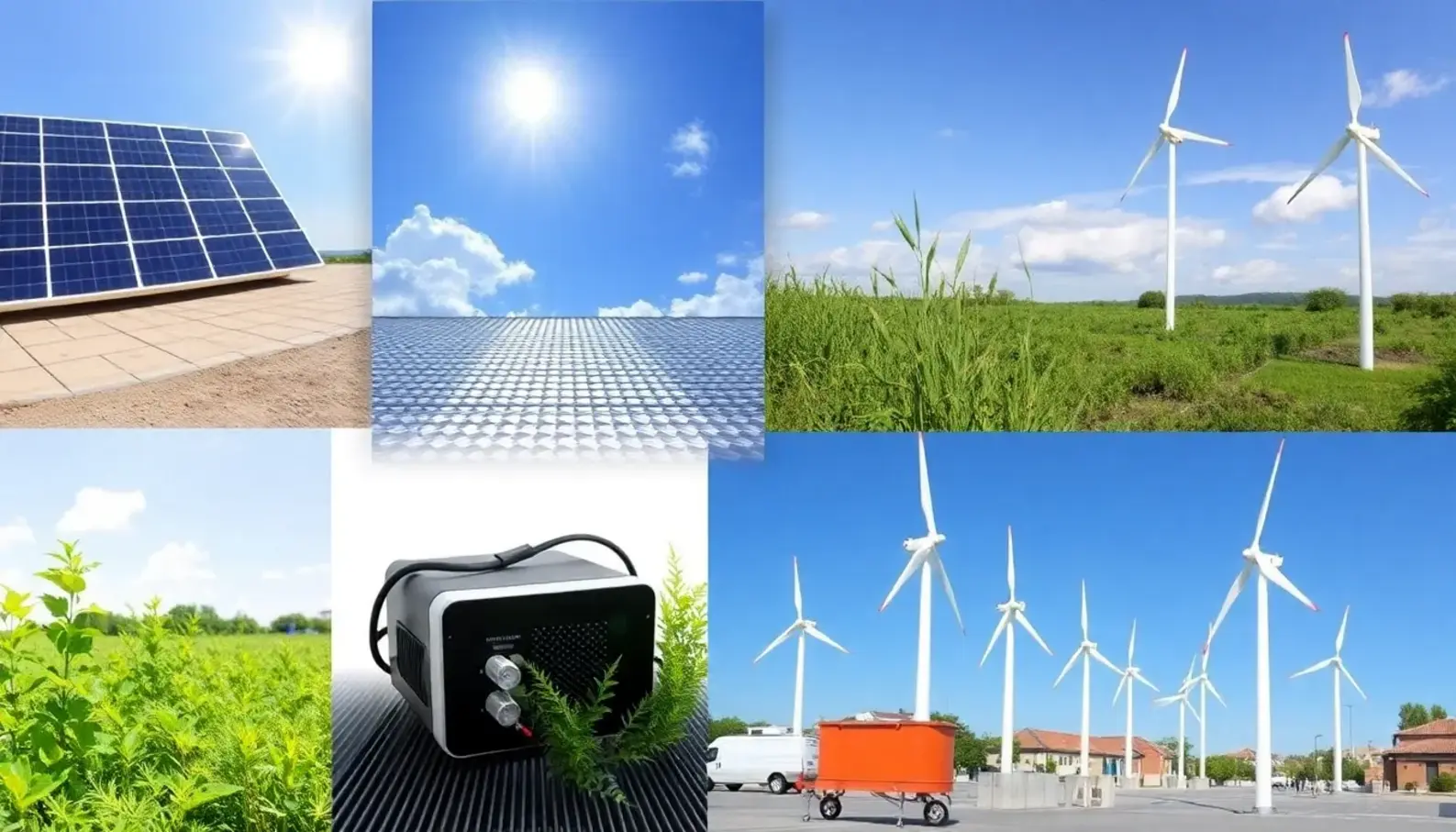
Energy harvesting technologies are transforming how we capture, convert, and utilize energy from the environment. Through innovative designs and applications, these technologies offer a sustainable approach to supplementing existing power needs. This chapter explores mechanisms behind various energy harvesting technologies, their applications, and their environmental benefits.
Solar Energy Harvesting
Solar energy is one of the most abundant sources of renewable energy. Photovoltaic cells convert sunlight directly into electricity. These cells are made of semiconductor materials, often silicon, that exhibit the photovoltaic effect. When sunlight strikes these cells, it excites electrons, creating a flow of electricity. Advances in material science are driving efficiencies higher. Organic photovoltaics and perovskite solar cells promise flexibility and lower costs, potentially revolutionizing the energy market. The integration of solar panels into buildings and vehicles exemplifies their versatility, supporting both grid-power and independent systems.
Moreover, photovoltaic systems have minimal environmental impact. Unlike fossil fuel-based power plants, solar technologies do not emit greenhouse gases during operation. As panel recycling becomes more prevalent, the lifecycle carbon footprint of solar solutions will diminish further.
Wind Energy Harvesting
Wind energy harnesses kinetic energy from atmospheric flow. Turbines capture this energy, transforming it into electricity. Wind turbines, whether onshore or offshore, convert the mechanical energy of wind into electrical energy through a generator. Recent innovations aimed at increasing blade efficiency and optimizing turbine placement are boosting the energy yield.
Wind energy’s environmental benefits are notable. It produces power without consuming water or emitting pollutants. Offshore wind farms, if strategically located, can minimize impact on terrestrial wildlife while efficiently harnessing strong and consistent sea breeze patterns.
Thermal Energy Harvesting
Thermal energy harvesting, popularly through thermoelectric generators (TEGs), captures waste heat and converts it into electricity. The Seebeck effect is at the core of this technology. A temperature difference across two dissimilar conductors or semiconductors generates a voltage.
Applications for TEGs are vast, from automotive exhaust systems to industrial processes where substantial heat dissipates. On a smaller scale, they are incorporating wearable electronics, turning body heat into energy. The ability to harvest what was once wasted energy underscores their value in efficiency drives.
Kinetic Energy Harvesting
Kinetic energy harvesting transforms motion into usable electric power. Piezoelectric materials, which generate electrical charge under mechanical stress, are commonly used. Another method employs electromagnetic induction, where the relative motion between a magnetic field and a coil produces electricity.
Kinetic harvesters show promise in settings with constant or regular motion. For example, they are installed in floors of high-traffic areas and roadways for energy capture. Personal electronic devices, such as smartwatches, now also incorporate kinetic harvesting technology to extend battery life, enhancing user convenience.
Applications Across Sectors
Energy harvesting technologies are finding applications across multiple sectors. In agriculture, solar-powered irrigation systems ensure water supply consistency while reducing carbon footprints. Transportation is seeing vehicles with embedded solar panels to charge auxiliary systems. In the industrial domain, integrating energy harvesting into equipment helps lower operational costs by reducing dependency on external power sources.
For remote and off-grid locations, these technologies provide crucial energy access. Small-scale wind and solar installations empower communities, fostering local economies by enabling electric access for business activities and education.
Environmental Benefits and Potential
The environmental benefits of energy harvesting are manifold. Reduction in fossil fuel consumption can significantly lower our carbon emissions. Furthermore, decentralized energy solutions offered by these technologies enhance energy access, promoting resilience and stability in power supply.
However, the full realization of their potential requires addressing certain challenges. Energy storage solutions, such as advanced batteries and supercapacitors, need to evolve to complement intermittent energy generation. Additionally, balancing cost and efficiency will be key in making these technologies universally viable.
In summary, energy harvesting technologies are crucial in the transition to sustainable energy. By continuing to innovate and invest in these technologies, we can tap into Earth’s natural power more effectively, reducing our ecological footprint and securing a balanced energy future.
For further insights on innovative approaches transforming our future, you might explore related themes such as ambient intelligence’s future potential.
Real-World Applications and Future Potential

Energy harvesting technologies are finding innovative applications across various sectors, demonstrating both success and untapped potential. As the world strives toward sustainability, harnessing ambient energy sources such as solar, thermal, and kinetic energies becomes increasingly vital. Exploring the real-world applications reveals both success stories and the challenges faced by engineers when integrating these technologies into contemporary systems.
In transportation, energy harvesting is gradually transforming the landscape by enhancing efficiency and reducing dependence on non-renewable energy sources. Vehicles equipped with regenerative braking systems exemplify how kinetic energy can be converted into electricity, subsequently stored for later use. This technology not only maximizes the energy efficiency of electric and hybrid vehicles but also provides a more sustainable alternative to traditional braking systems. However, challenges remain in scaling these solutions for widespread adoption, particularly in terms of infrastructure and initial investment costs.
Wearable technology offers another compelling domain for energy harvesting innovations. Devices such as smartwatches and fitness trackers can now utilize body heat or body motion to charge small sensors and processors. This advancement enables longer-lasting, self-sufficient devices that cater to consumer demand for convenience and sustainability. Engineers working in this field face challenges in miniaturizing energy-harvesting components without compromising on efficiency or device aesthetics. The integration of energy harvesting in medical wearables, such as pacemakers and other biometric monitoring devices, further illustrates the technology’s lifesaving potential, offering enhanced longevity and reliability by reducing the dependence on battery replacements.
Building infrastructure has also benefited from energy harvesting technologies, especially in the realm of smart buildings. By capturing ambient energy, such as solar or thermal gradients, buildings can significantly reduce their energy consumption. Photovoltaic windows and smart facade systems that adjust to environmental conditions exemplify how commercial and residential buildings are becoming more self-sufficient and less reliant on grid energy. Integration poses challenges, such as balancing aesthetics, efficiency, and cost, but the long-term benefits often outweigh the initial investment hurdles.
Despite the promising applications, engineers in the field of energy harvesting continue to encounter technical and logistical challenges that stall the broader adoption of these technologies. One significant obstacle is the efficiency of energy conversion and storage. Achieving high conversion rates, especially from low-intensity or fluctuating sources, remains a complex task. The development of advanced materials with improved energy-harvesting properties could address these limitations, proving essential for more robust applications.
As we look toward the future, energy harvesting technologies have the potential to revolutionize sectors beyond their current applications. One exciting prospect lies in the development of urban environments that function as integrated energy systems, where every building, street, and vehicle contributes to a shared energy ecosystem. Such an approach not only aligns with the sustainability goals but also ensures energy security and resilience.
Moreover, the miniaturization of energy-harvesting devices can lead to significant advancements in the Internet of Things (IoT). Deploying vast networks of sensors powered autonomously by energy harvesting would enable smart cities to achieve unprecedented levels of efficiency and connectivity. For example, self-powered sensors for monitoring infrastructure health, traffic patterns, and environmental conditions could transform urban management and resource allocation.
The expansive potential of AI in wearable technology also hints at future synergies with energy harvesting. As wearable devices become more intelligent and capable, sustaining their power autonomously becomes increasingly critical. Integrating AI with energy harvesting could usher in a new era of self-sustaining, adaptive technology tailored to individual and societal needs.
In summary, real-world applications of energy harvesting showcase immense potential across various sectors, yet they highlight the considerable challenges that must be overcome. As engineers and researchers continue to innovate, the integration of energy harvesting into everyday applications is likely to catalyze a sustainable shift in how we perceive and consume energy. Exploring future opportunities in ubiquitous energy ecosystems and smarter, self-powered devices suggests a promising trajectory for energy harvesting, paving the way toward a sustainable future.
Final words
The ongoing evolution of energy harvesting technologies represents a pivotal step towards a more sustainable planet. By harnessing renewable energy sources and integrating them into daily applications, we can significantly reduce our environmental impact. This collaborative effort among environmentalists and engineers plays a vital role in fostering a brighter, cleaner future for generations to come.
Go Green with Tech
Learn more: https://innoupdates.com
About us
Sustainable Energy Solutions is dedicated to providing innovative technologies that harness renewable energy sources, empowering individuals and businesses to reduce their carbon footprint and embrace eco-friendly practices. We offer a range of energy harvesting products and solutions that can be seamlessly integrated into various applications, promoting sustainability and environmental conservation.