
AI has emerged as a pivotal force in retail, redefining the way businesses analyze customer experiences and optimize operations. By delving into customer behavior patterns, preferences, and feedback, retail planners and CTOs can leverage AI-driven analytics to create a more personalized shopping experience. This leads to improved customer satisfaction and increased sales revenue. With cutting-edge technologies at their disposal, these leaders need to understand how to implement AI effectively to derive actionable insights. This exploration delves into the advancements of AI in retail experience analytics and offers practical steps for successful integration, ensuring businesses remain competitive in a digitally-driven market.
Optimizing Customer Journeys with AI Insights
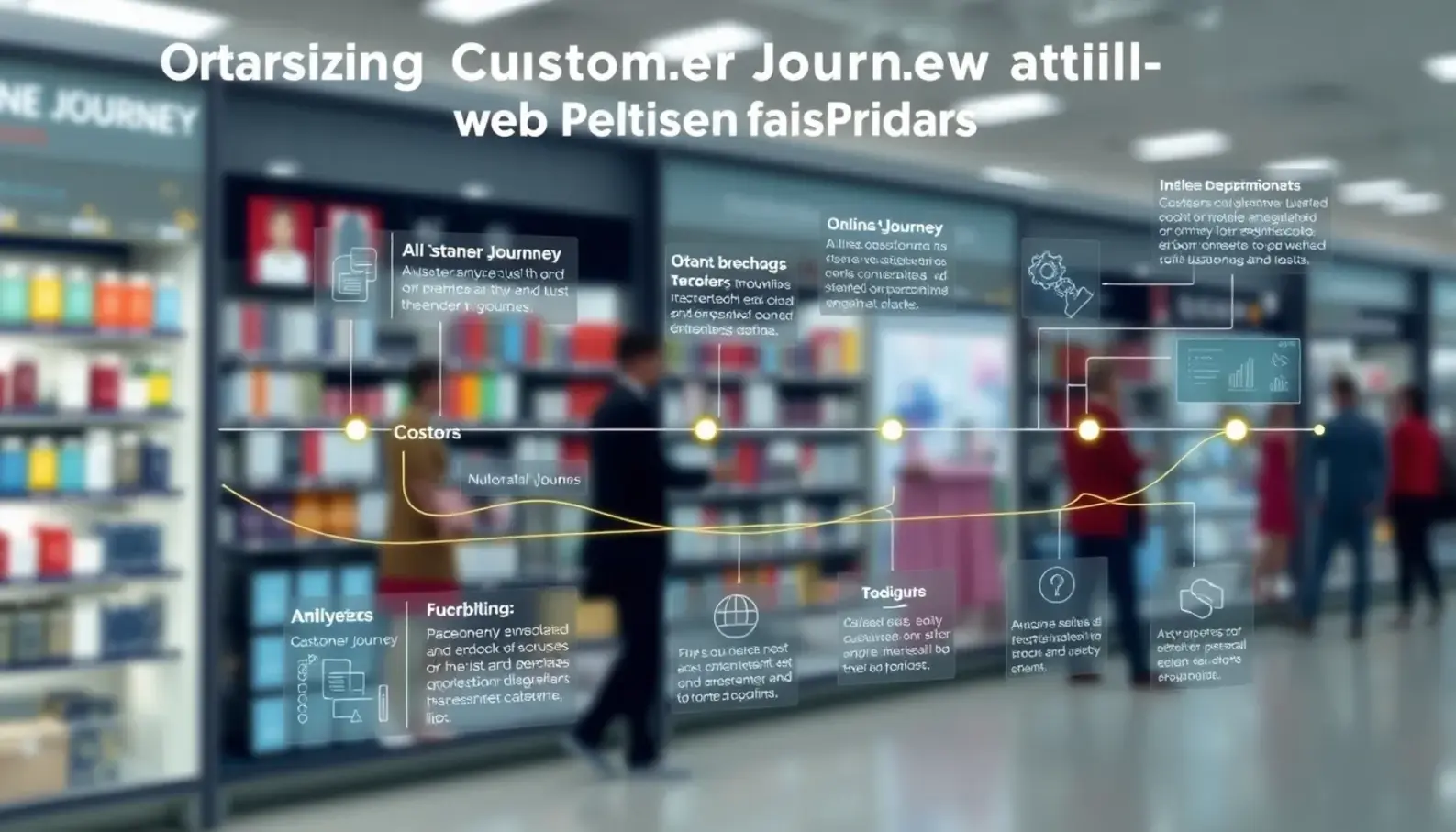
Retail experiences are evolving rapidly as businesses strive to meet growing customer expectations across multiple touchpoints. Integrating Artificial Intelligence (AI) into retail strategies can offer transformative solutions for optimizing customer journeys. By employing AI to analyze these journeys, planners and CTOs can garner vital insights to personalize and improve the shopping experience.
Understanding the customer journey in retail involves dissecting every interaction a customer has with a brand, from initial interest to final purchase and post-purchase support. AI provides the capability to track and analyze these interactions across various platforms, including online stores, mobile applications, physical stores, and social media, allowing for a comprehensive view of customer behaviors and preferences.
Data Sources Available for Analysis
Effective AI systems rely on robust and diverse data sources to yield meaningful insights. Some key data sources include:
- Transaction Data: Captured from point-of-sale systems, this data helps understand purchasing patterns and preferences.
- Online Behavior: Clickstreams, site visits, and browsing patterns provide insights into customer interests and how they navigate online platforms.
- Social Media Interactions: Analyzing engagements and sentiment on social media platforms can reflect customer opinions and preferences.
- Customer Feedback: Surveys, reviews, and feedback forms offer direct insights into customer satisfaction and expectations.
- In-Store Sensors: Data collected from sensors tracking foot traffic and in-store interactions paints a picture of customer behavior and store layout effectiveness.
Types of Analytics for Customer Journey Optimization
Various analytics methods can be applied using AI to deepen understanding and optimize customer journeys:
- Predictive Analytics: By analyzing past data, AI can predict future buying behaviors and identify patterns, allowing retailers to anticipate customer needs.
- Prescriptive Analytics: AI can suggest the best actions or strategies for enhancing customer experiences based on current data analyses.
- Sentiment Analysis: Natural language processing (NLP) techniques can gauge customer sentiment from text data, such as reviews and social media posts, to understand their perceptions and emotions.
- Behavioral Segmentation: AI can segment customers based on specific behaviors and preferences, permitting more tailored marketing strategies.
Actionable Strategies for Implementation
To translate AI insights into practical strategies, retailers can undertake several initiatives:
- Personalization: Use AI-driven insights to offer personalized recommendations, thereby enhancing the shopping experience for each customer. This can increase engagement and conversion rates.
- Inventory Management: Align inventory with predictive analytics to ensure that stock levels meet anticipated demand, reducing the likelihood of stockouts or overstock.
- Responsive Customer Service: Implement AI chatbots to provide instant and personalized responses to customer queries, enabling real-time support and improving satisfaction.
- Targeted Marketing Campaigns: Leverage customer segmentation analytics to create targeted campaigns that resonate with specific customer groups, improving marketing efficiency and ROI.
Retailers can significantly benefit from AI insights to streamline the customer journey and enhance customer satisfaction. However, the successful implementation of AI strategies requires careful planning and a strong understanding of the technology and data involved. For those seeking to delve deeper into related strategies, exploring insights on AI Marketing Strategies could provide additional valuable perspectives.
Utilizing AI endows retailers with continued adaptability, ensuring they remain competitive in an ever-changing marketplace. By building AI-driven frameworks that pivot around customer-centric insights, retailers can tailor experiences that not only meet but exceed customer expectations, driving loyalty and long-term success. As we move forward, harnessing intelligent insights to enhance the retail experience will be an indispensable element for growth and sustainability.
Data-Driven Decision Making: AI Applications in Retail
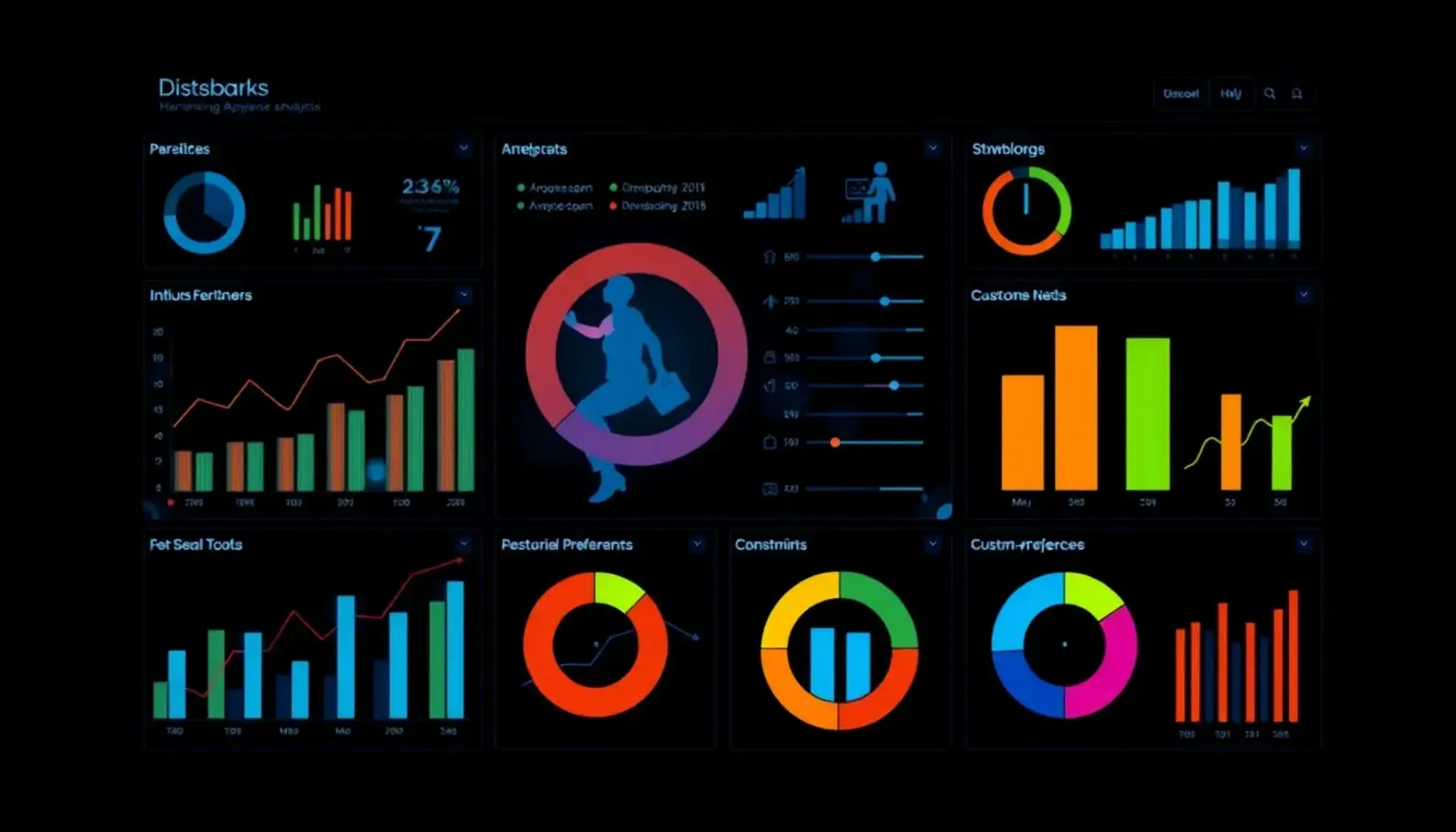
Artificial Intelligence (AI) is transforming the retail landscape by equipping decision-makers with robust analytics to enhance operations and customer interactions. AI-driven tools such as predictive analytics, demand forecasting, inventory management, and personalized marketing campaigns are critical in optimizing both strategy and experience.
Predictive Analytics
Predictive analytics aggregates and analyses historical data to make predictions about future outcomes. Retailers employ predictive analytics to glean actionable insights into customer behaviors and preferences. By understanding these patterns, retailers create precisely targeted strategies to enhance customer satisfaction and drive sales. When predictive models foresee a spike in demand for specific products, retailers can prepare with marketing campaigns and inventory stocking. This anticipation reduces waste and ensures shelf availability during peak demand periods.
AI’s predictive capabilities extend beyond customer behaviors to external influences such as market trends and economic shifts. These insights enable retailers to stay ahead of competitors by proactively adjusting strategies to align with the changing marketplace. As a result, retailers can maintain a resilient and adaptable business strategy even amidst uncertainties.
Demand Forecasting
Accurate demand forecasting is vital for maintaining an efficient supply chain. AI-powered demand forecasting models process vast amounts of data from multiple sources—past sales, market conditions, holidays, and geopolitical events—to predict future product demands. These models are constantly learning and adapting, refining predictions over time with emerging data.
Demand forecasting enabled by AI helps avoid both overstock and stockouts, which are notorious for costing retail businesses significantly. By ensuring the right product quantity is available at the right time, AI-driven forecasting maintains the balance of supply and demand efficiently, thus optimizing inventory turnover.
Advanced machine learning techniques extend demand forecasting abilities by identifying new patterns and correlations in the data. These capabilities can lead to discovering untapped market segments, providing retailers with opportunities for expansion and diversification into new product lines or marketplaces.
Inventory Management
AI enhances inventory management by improving tracking, analysis, and replenishment processes. Automated AI systems monitor inventory levels in real time, assessing stock data to regulate order fulfillment and restocking effectively. These systems reduce the laborious task of manual inventory checks while minimizing human error.
With AI, retailers can implement dynamic pricing models that adjust prices based on inventory levels, ensuring optimal sales and margin retention. For instance, as inventory nears depletion, a slight increase in price may maximize profit without significantly reducing demand.
Moreover, AI systems integrate seamlessly with supply chain partners, fostering effective communication and coordination. This connectivity allows for timely responses to changes in demand or supply disruptions, ensuring the smooth operation of the inventory lifecycle.
AI-powered inventory systems also incorporate environmental data, such as weather patterns and social media trends, to anticipate disruptions and expedite contingency plans proactively. This holistic overview enables retail businesses to remain agile and responsive in the face of evolving challenges.
Personalized Marketing Campaigns
The personalization of marketing campaigns significantly enhances customer engagement and retention. AI algorithms examine customer data to create detailed profiles, allowing retailers to deliver targeted and relevant marketing messages. These personalized interactions build stronger customer relationships and increase the likelihood of converting engagement into sales.
AI-driven solutions handle extensive datasets, segmenting audiences based on browsing history, purchase behaviors, and preferences. With these segments, retailers craft promotional offers and content that resonate with each customer’s interests.
Advanced natural language processing and image recognition contribute to more engaging content curation. AI systems can tailor visual and textual content in marketing materials to match individual tastes, thereby increasing personalization’s effectiveness.
Retailers leverage AI for real-time campaign optimization as well. Algorithms continuously monitor consumer responses to marketing efforts, adjusting strategies to improve engagement rates. This dynamic approach ensures that campaigns remain relevant and effective, adapting to customer preferences efficiently.
Retail planners and CTOs benefit from integrating these innovative AI tools into their operations. By harnessing AI’s analytical power, retail strategies become more informed and agile, grounding decision-making in real-time insights rather than assumptions. These technologies not only foster improved operational efficiency but also unlock new dimensions of customer engagement.
Embracing AI in retail does more than streamline existing processes; it prompts a paradigm shift towards a proactive, data-centric approach to business. Retailers not only react to market demands but anticipate them, evolving alongside customer expectations. The continuous adaptation catalyzed by AI sets a foundation for sustained growth and competitive advantage in the dynamic retail industry.
Harnessing AI to its full potential also means understanding the ethical implications of leveraging these technologies in retail. As explored in other domains like AI ethical considerations, responsible AI deployment ensures trust and transparency between retailers and their customers. This balance between innovation and ethical standards promotes a sustainable and mutually beneficial retail ecosystem.
Final words
Utilizing AI in retail experience analytics equips planners and CTOs with the tools needed to effectively respond to market demands and enrich customer interactions. By integrating these intelligent solutions, businesses can streamline decision-making processes, enhance operational efficiencies, and cultivate loyalty among their customer base. As the retail landscape continues to evolve, staying ahead through AI analytics will be crucial for enduring success.
Get your Checklist for implementing AI in retail!
Learn more: https://innoupdates.com
About us
Our company specializes in providing intelligent analytics solutions tailored for the retail sector. With a focus on AI integration, we offer cutting-edge tools and resources to help businesses understand their customers, enhance operational effectiveness, and drive sales through actionable insights. Our team is dedicated to guiding retail planners and CTOs in their journey towards data-driven success.