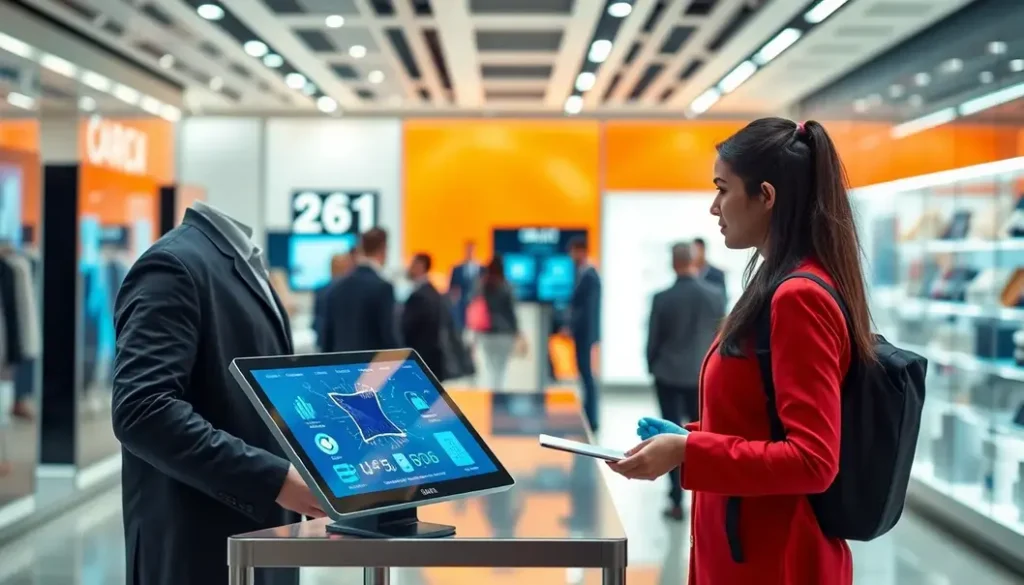
Artificial Intelligence is not just a buzzword but a cornerstone of modern retail strategy. By leveraging AI technologies, retailers are reshaping customer interactions, optimizing supply chains, and enhancing overall employee experiences. Engineers tasked with developing these solutions, along with HR managers focused on talent acquisition and workplace culture, are at the forefront of this evolution. Understanding how AI tools can create immersive and effective retail experiences is pivotal for staying competitive in today’s market.
The AI Revolution in Retail: Understanding the Landscape
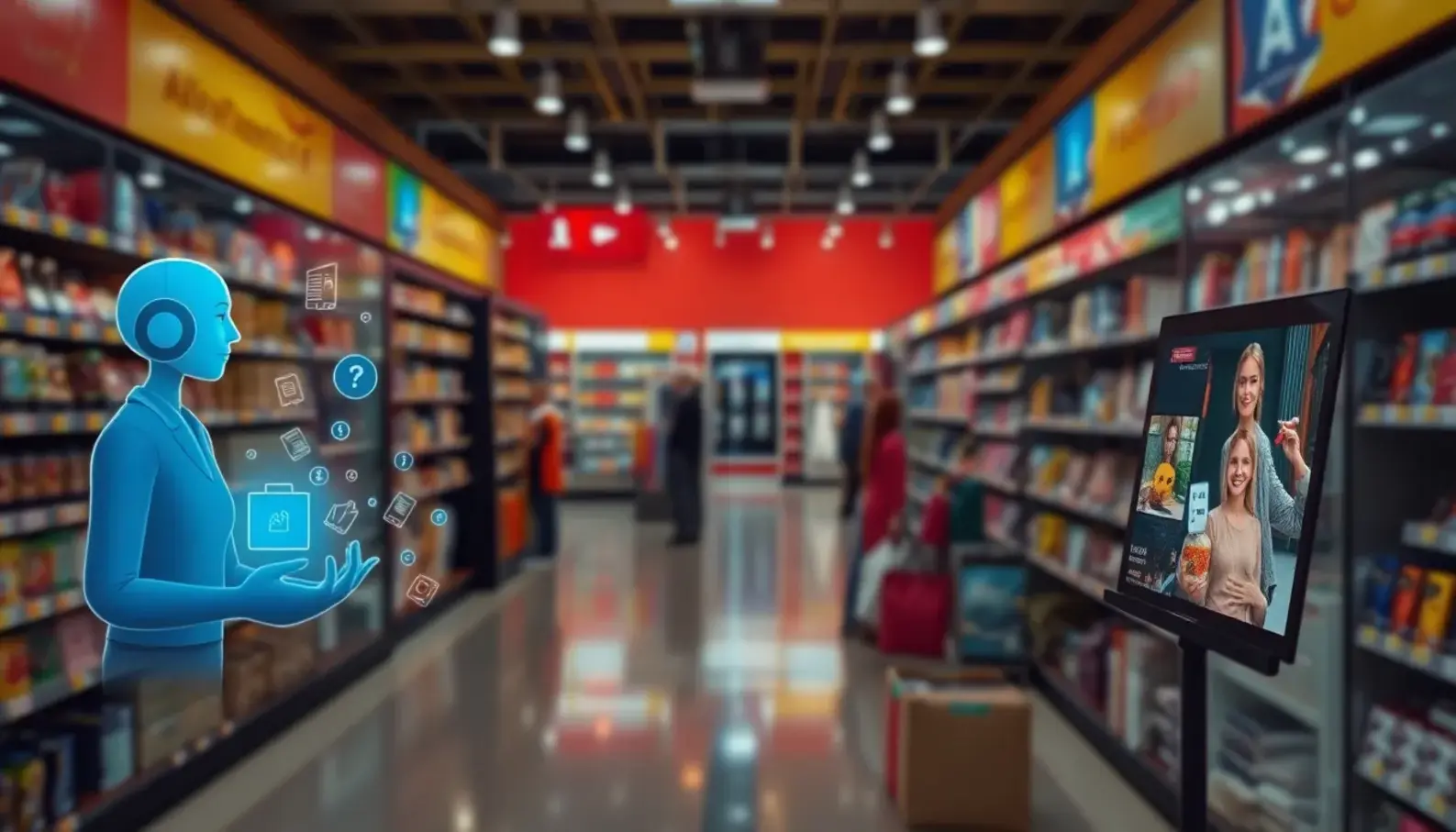
Artificial Intelligence (AI) is reshaping the retail industry, providing both challenges and opportunities. By automating processes, personalizing customer experiences, and optimizing supply chains, AI enables retailers to transform traditional business models. Understanding these applications requires examining the specific technologies and strategies being employed. Engineers and HR managers play crucial roles in this transition, facilitating both implementation and workforce adaptation.
AI in retail encompasses various technologies, including machine learning, natural language processing, and computer vision. These tools analyze data, predict trends, and automate complex tasks. For instance, machine learning algorithms can forecast demand, adjust pricing dynamically, and manage inventory. Natural language processing powers chatbots and virtual agents, enhancing customer service by offering 24/7 assistance with minimal delays.
Computer vision opens new possibilities for personalizing in-store experiences. Smart mirrors and interactive displays customize recommendations based on visual cues and customer interactions. This technology helps create engaging shopping environments, driving customer loyalty and sales. Additionally, facial recognition systems are employed for security and targeted marketing, though ethical considerations must be addressed to ensure customer trust.
Engineers implementing these AI solutions must focus on integration, scalability, and security. Building robust infrastructures that support real-time data processing is essential. Engineers also need to ensure systems can scale to handle increasing data volumes without compromising performance. Security is paramount, as sensitive data must be protected from breaches and misuse.
In the context of workforce management, HR managers face the challenge of training employees to work alongside AI tools. Developing digital literacy and technical skills is essential to harness AI’s potential. Employees should be encouraged to embrace continuous learning through training programs, workshops, and certifications. Encouraging a culture of innovation helps teams collaboratively explore new applications of AI in retail.
Cross-functional collaboration is critical in this environment. Engineers, data scientists, and retail strategists must work together to design solutions that align with business goals. This synergy helps leverage AI technologies more effectively, ensuring innovations meet both operational needs and customer expectations.
As AI evolves, retail businesses can explore advanced applications like augmented reality (AR) and virtual reality (VR). These immersive technologies further engage customers by allowing them to visualize products in real-world settings before making purchases. For further reading, consider exploring insights on AI in marketing strategies here.
Adopting AI in retail is not without challenges. Addressing data quality issues is crucial, as AI models rely on accurate data to function effectively. Organizations must establish data governance frameworks to standardize data collection and ensure compliance with privacy regulations. Transparency in AI operations also fosters customer trust, particularly in personalized marketing efforts.
AI’s impact on retail is profound, offering opportunities to redefine customer interactions and streamline operations. As this transformation progresses, both engineers and HR managers play vital roles in ensuring successful implementation and workforce adaptation. Closing skills gaps, promoting collaboration, and embracing continuous innovation will help retail businesses capitalize on AI’s potential, setting the stage for a more engaging and efficient retail future.
Enhancing Customer Experience: AI-Powered Solutions
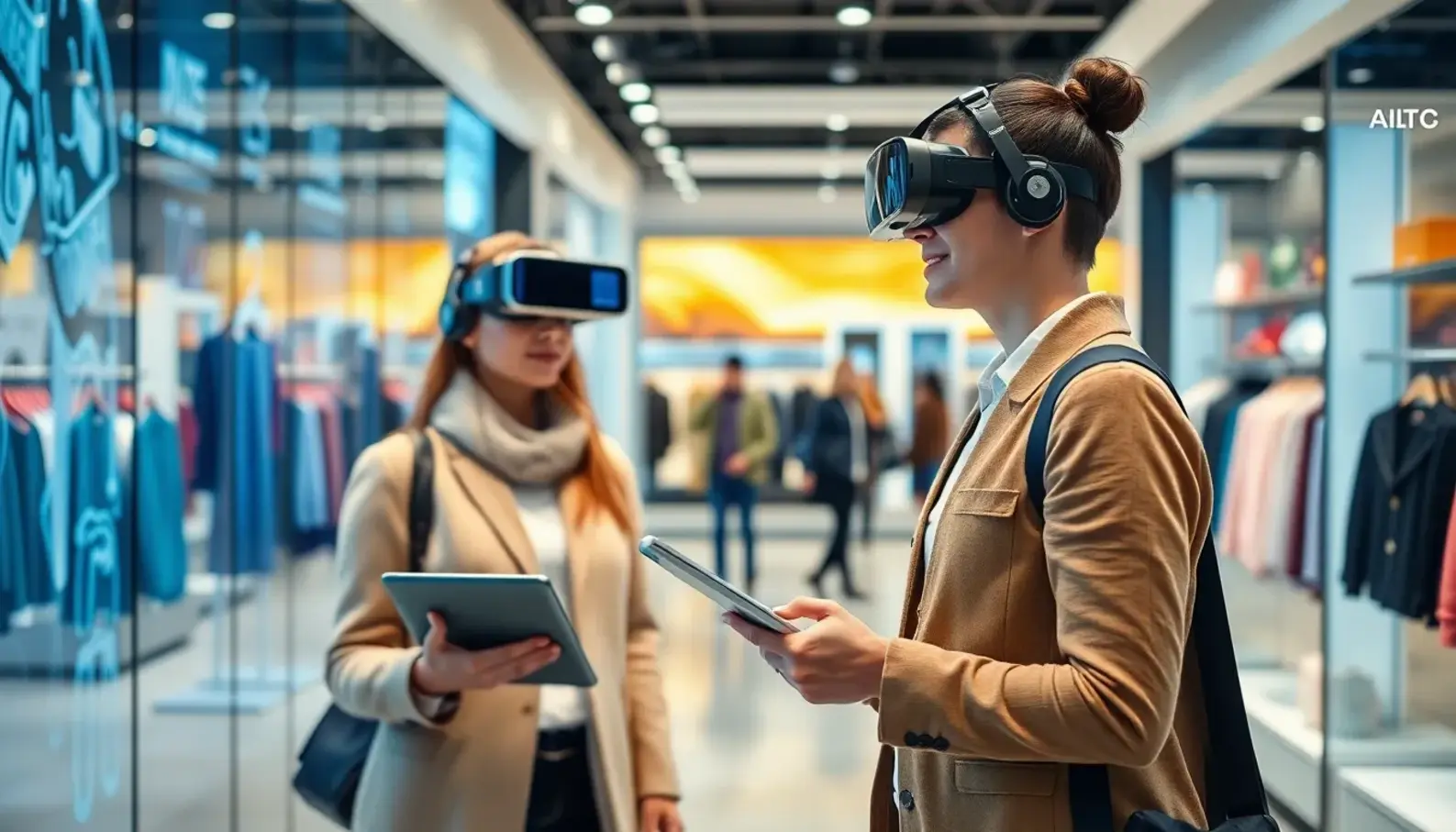
Artificial intelligence is transforming the retail landscape by significantly enhancing customer experiences. Retailers are leveraging AI tools to create more personalized, efficient, and engaging customer interactions. From personalized recommendations to state-of-the-art augmented reality fitting rooms, AI technologies are making retail experiences more immersive and tailored to individual preferences.
One of the most prominent AI applications in retail is personalized recommendations. By analyzing customer behavior and purchase history, AI algorithms can predict products a customer might be interested in. This capability allows retailers to offer personalized product suggestions, resulting in higher conversion rates and increased customer satisfaction. Technical insights for engineers show that these systems rely on machine learning models trained on vast datasets, requiring sophisticated data processing and storage architectures.
Another practical AI application is the implementation of chatbots. These AI-powered virtual assistants are revolutionizing customer service by providing instant, 24/7 support. They can handle a wide array of queries, from product information to order tracking, freeing up human staff for more complex tasks. For engineers, the challenge lies in developing natural language processing systems capable of understanding and responding to diverse customer inputs. HR managers, on the other hand, must adapt training protocols to ensure staff can effectively collaborate with AI systems, focusing on areas where human empathy and decision-making add value.
Augmented reality (AR) fitting rooms are another groundbreaking AI innovation enhancing customer experience. By utilizing AR technology, customers can try on clothes virtually, experiencing how they look and fit without needing to visit physical stores. This not only improves customer satisfaction but also reduces return rates. Technical teams need to address challenges related to real-time image processing and the precise simulation of textures and colors, ensuring the virtual experience is as realistic as possible.
AI tools are not limited to in-store experiences. Online platforms benefit substantially from AI-driven insights. Machine learning algorithms optimize website layouts and product placements, aiming to enhance user engagement and conversion rates. For engineers, this involves deploying sophisticated A/B testing setups and continuous integration pipelines to refine website functionality in real-time.
In addition, linking platforms such as customer review systems and loyalty programs with AI tools enhances customer insights. AI can identify trends and sentiment in customer feedback, helping retailers swiftly address common concerns. HR managers can use these insights to tailor training programs, ensuring customer queries are handled more effectively and consistently.
Moreover, AI’s role in optimizing logistics and inventory management cannot be understated. Predictive analytics enable retailers to maintain optimal stock levels, predict demand fluctuations, and streamline supply chains. Engineers tasked with these systems need to develop robust forecasting models and integrate them seamlessly with existing enterprise resource planning platforms.
From an HR perspective, these technological transformations demand a parallel shift in workforce skills. Training programs must focus on equipping employees to work with AI tools, emphasizing collaboration between human intuition and machine efficiency. Frontline staff should be adept at interpreting AI-generated insights, ensuring they enhance rather than hinder the overall customer experience.
For optimal results, retailers must maintain a balance between AI automation and human touch. While AI excels in data analysis and recommendation automation, retaining a human element for emotional engagement remains crucial. This is particularly important where nuanced customer interactions are necessary, such as handling grievances or making complex purchasing decisions.
The intersection of AI technology and human interaction provides fertile ground for innovation in retail. As more retailers adopt AI strategies, understanding the technical underpinnings and human factors becomes increasingly crucial. Continuing developments in AI applications promise even more sophisticated, seamless experiences in the future of retail.
For further insights on the impact of AI across various industries, consider exploring AI in Business Growth.
Workforce Transformation: Upskilling through AI Integration
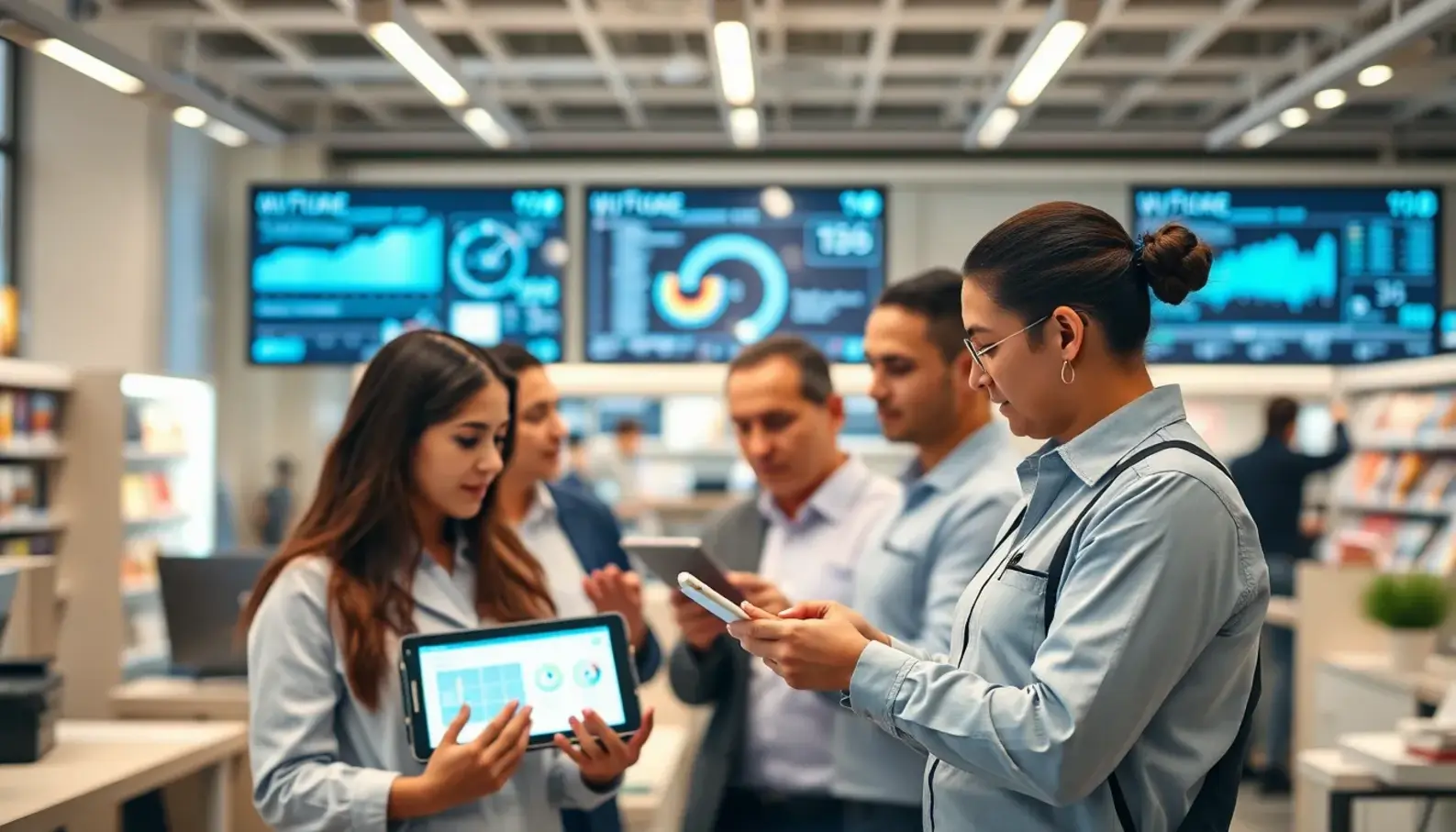
The retail industry is experiencing a transformative shift as artificial intelligence tools become increasingly integrated into its operations. While customer-facing applications of AI are often highlighted, the impact on internal workforce management is equally significant. AI is instigating a revolution in how employees interact with their tasks, reducing the burden of monotonous activities and allowing a focus on strategic, high-impact endeavors.
Human resources managers, in particular, are finding new opportunities to reshape workforce dynamics. Automation of routine functions, such as data entry and inventory management, liberates time previously tied up in repetitive work. This technological shift enables employees to engage more profoundly with customer service roles, fostering an environment where interpersonal skills are prioritized.
HR managers must now navigate the balance between deploying AI tools and maintaining human elements in retail. This involves developing recruitment strategies that emphasize hiring individuals with adaptability and technical acumen. Skills focusing on creativity, problem-solving, and emotional intelligence are becoming vital, as employees must operate alongside AI systems.
In terms of training, AI presents opportunities to personalize learning experiences. Machine learning algorithms can assess individual skill gaps and curate tailored development programs that address specific needs, enhancing overall employee productivity. By continuously analyzing employee performance data, AI tools recommend training sessions, workshops, or materials aimed at optimizing human capital.
Employee satisfaction sees the benefits of AI integration. With technology handling mundane tasks, employees can find greater fulfillment in their roles, leading to a more motivated workforce. Satisfaction is further elevated when organizations invest in teaching staff how to utilize AI tools effectively, ensuring they do not feel displaced but rather empowered.
The importance of upskilling cannot be overstated. As AI tools become essential, workers need to possess a baseline understanding of these technologies. Programs focusing on digital literacy, data analysis, and AI ethics are crucial. Employees proficient in these areas can better harness AI’s potential, creating value beyond merely implementing automatic systems.
HR departments must be proactive in identifying and implementing tactics that support ongoing learning. This might involve partnerships with educational institutions or adopting online learning platforms. Workplace training should prioritize continuous improvement, reflecting both the rapid evolution of AI technology and the industry’s changing needs.
Furthermore, AI can enhance recruitment processes by optimizing candidate screening and assessing potential employees via predictive analytics. Algorithms can evaluate resumes to predict the likely success of candidates in specific roles, allowing HR managers to allocate more resources to interviewing prospective hires who fit the company culture and needs.
In workforce management, AI tools can predict staffing needs, preventing overworking during peak seasons or underutilization during slower periods. By analyzing sales trends and customer behavior, AI can assist in scheduling employees efficiently, optimizing labor costs and enhancing service quality.
Employee retention is another area where AI integration offers benefits. By analyzing feedback and engagement levels, AI tools can identify dissatisfaction trends and help HR managers intervene before turnover escalates. Developing proactive strategies based on these insights ensures a stable, committed workforce.
An internal link to consider is AI in HR Strategies, as it further explores how AI is reshaping human resources practices, aligning with the concepts discussed in this chapter.
Overall, AI integration in retail is not solely a technological upgrade; it’s a catalyst for organizational and cultural change. By facilitating skill development and creating more meaningful work experiences, AI is redefining the landscape of retail employment, setting a new standard for workforce engagement.
Final words
AI tools are not only revolutionizing retail but are also integral to the future of the workforce. Engineers and HR managers must collaborate to harness these technologies, ensuring optimal customer experiences while enhancing employee capabilities. Understanding and implementing AI efficiently can lead to significant advantages in the competitive retail landscape.
Subscribe for Updates
Learn more: https://innoupdates.com
About us
Our company specializes in AI solutions tailored for retail, supporting engineers in deploying innovative technologies that enhance customer experiences. We also assist HR managers in developing training programs focused on the necessary skills to thrive in a tech-driven workplace.