Brain-Computer Interfaces (BCIs) stand at the pioneering frontier of neuroscience, fusing human cognition with advanced technologies. These systems are not mere tools; they represent a radical shift in how we can interact with the world around us. By decoding neural signals and translating them into actionable outputs, BCIs are poised to revolutionize communication, rehabilitation, and even the landscape of artificial intelligence. As we dive deeper into this emerging field, the dialogues between neuroscience and technology become more crucial, revealing both immense potential and ethical complexities ahead.
Unveiling the Neural Nexus: Innovations in Brain-Computer Interfaces
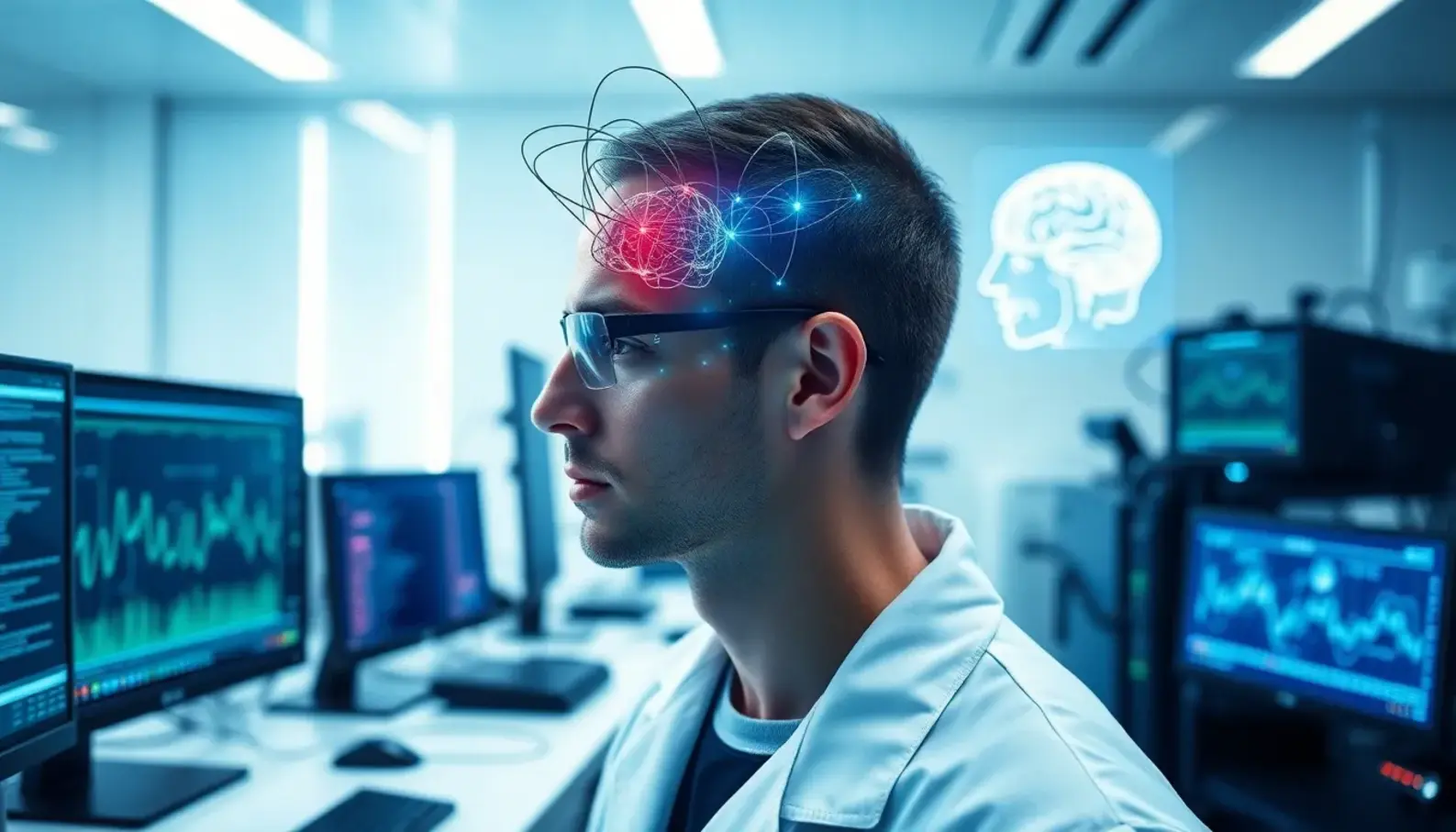
The landscape of brain-computer interfaces (BCIs) is rapidly evolving, pushing the boundaries of human-machine integration. Today, BCIs comprise an exciting convergence of neuroscience and technology, offering powerful tools for direct communication between brains and digital systems. These interfaces range from non-invasive devices, which measure neural activity through external sensors, to sophisticated implantable systems deeply embedded within the brain. each advances the potential to transform fields from healthcare to entertainment.
At the core of these innovations lies the science of neural decoding. This process interprets the brain’s intricate electrical patterns to discern intentions and thoughts. Utilizing advanced algorithms, these systems can translate neural signals into commands, thereby enabling devices to respond to mental cues seamlessly. For example, a user thinking about moving a robotic arm can see it in action without any physical interaction.
Signal processing plays a pivotal role in this translation process. It involves filtering and enhancing neural data, allowing systems to pinpoint relevant activity amidst noise. Complex algorithms, often enhanced by machine learning, analyze the data to refine their understanding and improve interaction accuracy. These enhancements pave the way for real-time applications, minimizing the delay between thought and action to imperceptible levels.
Non-invasive BCI technologies leverage Electroencephalography (EEG) to interpret brain signals. EEG sensors positioned on the scalp capture the brain’s electrical activity with considerable resolution. Recent advancements have seen the integration of dry sensors that eliminate the need for conductive gels, thus enhancing user comfort without sacrificing data quality. These systems, while tethered by the need for extensive data preprocessing, are becoming crucial in contexts such as gaming and accessibility technologies.
Implantable BCIs, on the other hand, offer more accurate and granular data by directly interfacing with neural tissues. Neurosurgeons implant these devices to record local neural activity in unprecedented detail. In medicine, they provide new hope for patients with motor impairments, enabling control over prosthetics or communication devices using mere thoughts. Although these methods carry inherent risks, including surgical complications, the rewards, particularly in therapeutic applications, are increasingly apparent.
Innovations in BCIs also find a fertile ground in the realm of entertainment. Gaming, for instance, has begun to experiment with BCI technologies, offering users experiences where their mental states directly influence game mechanics. The potential for creating immersive environments through thought-driven interfaces is not just exciting but represents a significant leap forward in interactive design. This mind-controlled gaming could revolutionize user engagement by fostering a more profound connection between the player and digital experiences.
In medicine, BCIs are driving a revolution in patient care through personalized treatments and rehabilitation. Stroke patients are among the first to benefit, as BCIs aid in retraining neural pathways, promoting superior recovery rates. The development of adaptive neuroprosthetics that adjust to the user’s evolving needs illustrates the potential of these systems to integrate more deeply into healthcare paradigms, offering new avenues for treatment and recovery.
Research in BCIs is also venturing into daily life applications, with potential uses in smart home systems and automated vehicles. Imagine living spaces that adjust lighting, temperature, and entertainment options based on the user’s mental state or preferences. Vehicles could utilize direct neural interfaces to enhance safety by predicting driver fatigue or emotional stress levels, thereby reducing accidents and improving user experience.
The implications of BCIs are vast, entering areas as different as law enforcement, where they could provide insights into cognitive states during interrogation, or finance, where they might enable transactions via thought alone. However, these advancements do pose ethical and privacy concerns. The ability to decode thoughts necessitates stringent safeguards to protect individual privacy and ensure informed consent. As the boundaries of technology and thought conflate, society must engage with these challenges head-on to harness the technology’s full potential responsibly.
Exciting developments in the field are being propelled by cross-disciplinary research involving neuromorphic computing (https://innoupdates.com/innovation/neuromorphic-computing-architecture/). This innovative approach designs processors that mimic the brain’s neural architectures, offering new possibilities in processing neural data more efficiently and rapidly. Such advancements could lead to smaller, more powerful BCI systems with lower energy consumption, opening doors to enhanced portability and usability.
In conclusion, brain-computer interfaces are not just pioneering tools for manipulation and interaction with the digital world; they signal a profound shift in how humans and technology could collaborate. As research continues to unlock the mysteries of the brain and how it communicates with external systems, BCIs are set to redefine the interface between our thoughts and our digital surroundings.
Ethical Conundrums and Future Horizons: The Implications of BCIs
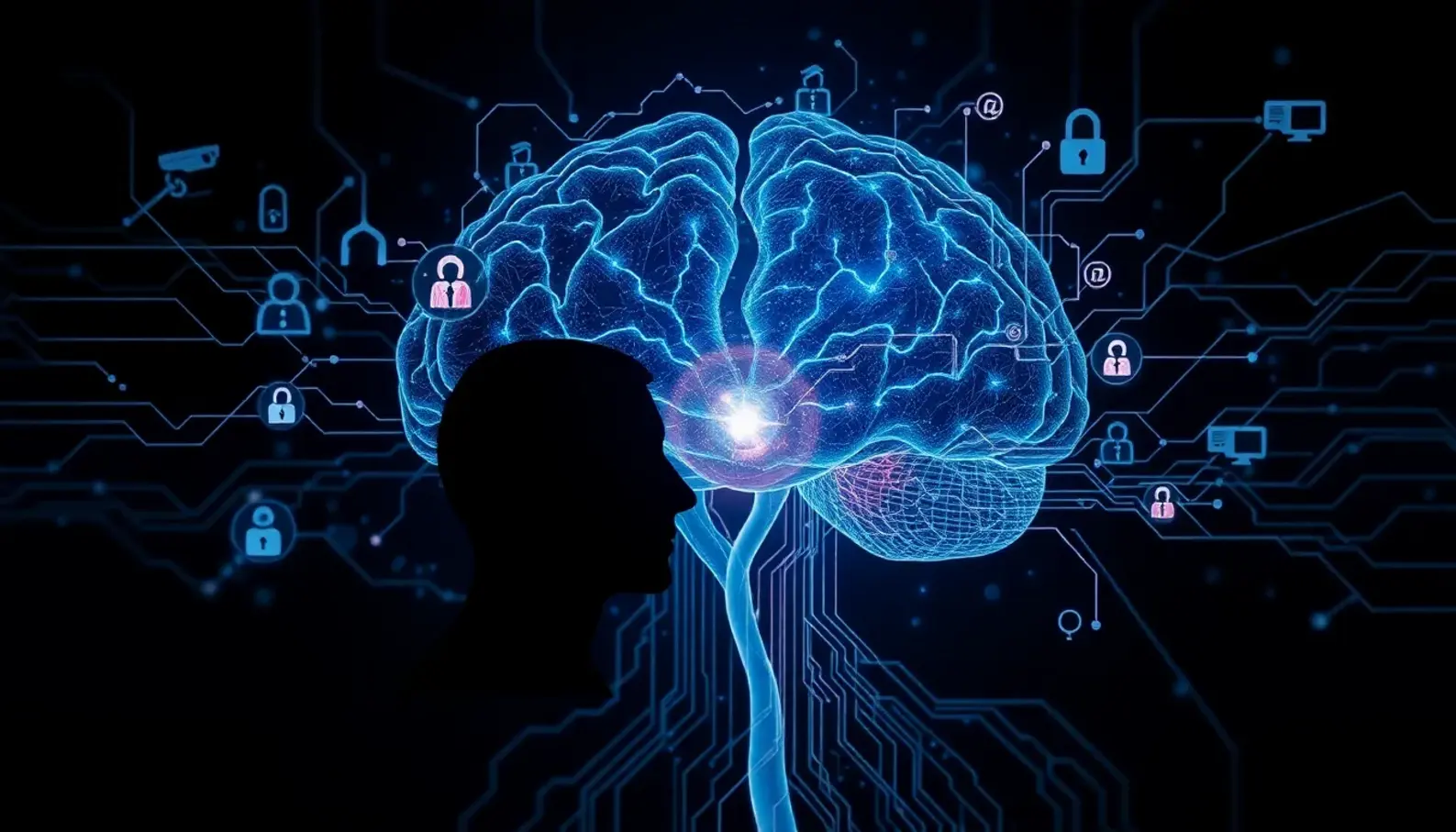
In the world of Brain-Computer Interfaces (BCIs), promises of enhanced connectivity and cognitive advancement come entwined with a labyrinth of ethical questions. As these technologies bridge the gap between human thought and machine, they prompt us to reconsider fundamental concepts of privacy, autonomy, and the potential for misuse.
Privacy Concerns
In an era where data privacy is increasingly prioritized, BCIs represent a unique risk. Unlike traditional data, brain data encompasses intimate thoughts and emotions. Thus, the potential for sensitive information to be intercepted or manipulated is profound. While current regulatory frameworks address data protection, the nuance and unprecedented nature of brain data demand an evolution in these protections.
Autonomy and Consent
As BCIs develop, ensuring user autonomy becomes crucial. The extent to which these interfaces can influence a user’s decisions remains a topic of concern. When BCIs can modify behavior or opinions, the integrity of consent comes into question. Users must fully comprehend the potential impact of BCIs on their queendom of thought, requiring transparent communication from developers.
Misuse and Security
There is always a potential for misuse with advanced technology. The integration of BCI with AI presents a double-edged sword. On one hand, AI can amplify the capabilities of BCIs, offering tremendous benefits. On the other, the risk of malicious actors leveraging these technologies to manipulate or control thoughts is real. Rigorous security measures alongside ethical protocols are imperative to guard against such eventualities.
Inequality and Accessibility
While BCIs promise enhancement, there is a risk of widening socioeconomic divides. As with many cutting-edge technologies, initial access may be limited to the affluent or privileged. This disparity could lead to a bifurcation where sections of society possess augmented cognitive abilities, exacerbating existing inequalities. Deliberate steps must be taken to promote accessibility to ensure BCI benefits are equitably distributed, preventing a societal chasm.
Integrating BCIs with AI
The fusion of AI with BCIs heralds not just enhanced capabilities but also augmented ethical responsibilities. This integration could facilitate unprecedented cognitive processing and learning rates. However, issues such as the ethical use of AI models in processing brain data become paramount. The thoughtful development of regulations around these integrations will dictate their impact on society.
Ongoing Regulatory Conversations
Regulatory bodies and ethicists must continually address the broader implications of BCI advancement. International collaboration could foster harmonized regulations, reflecting the global nature of technology. As BCIs evolve, ongoing dialogues involving technologists, ethicists, and policymakers are necessary to craft policies that uphold human dignity and rights.
For further insights into ethical considerations in technology, the Generative AI Ethics article discusses parallel trends and considerations.
As BCIs advance, they beckon us to navigate complex ethical terrains. The ways we respond will shape the future interface between human cognition and technology, requiring constant vigilance and thoughtful innovation.
Final words
The advancement of Brain-Computer Interfaces blurs the lines between thought and action, paving the way for unprecedented opportunities in medicine, communication, and beyond. As we stand on the threshold of this integration between human cognition and technology, it is incumbent upon us to navigate the complexities of ethics and accessibility. With ongoing research and collaboration, a future where our minds connect seamlessly with machines may soon be within reach.
Connect Your Mind
Learn more: innoupdates.com
About us
Explore our Neural Interface Devices that offer unprecedented capabilities in bridging the gap between human thoughts and technology. Our state-of-the-art devices are designed for ease of use, tailored for both research and practical applications. Join us in the journey toward enhancing human potential through innovative, ethical technology that respects privacy and transcends capabilities.