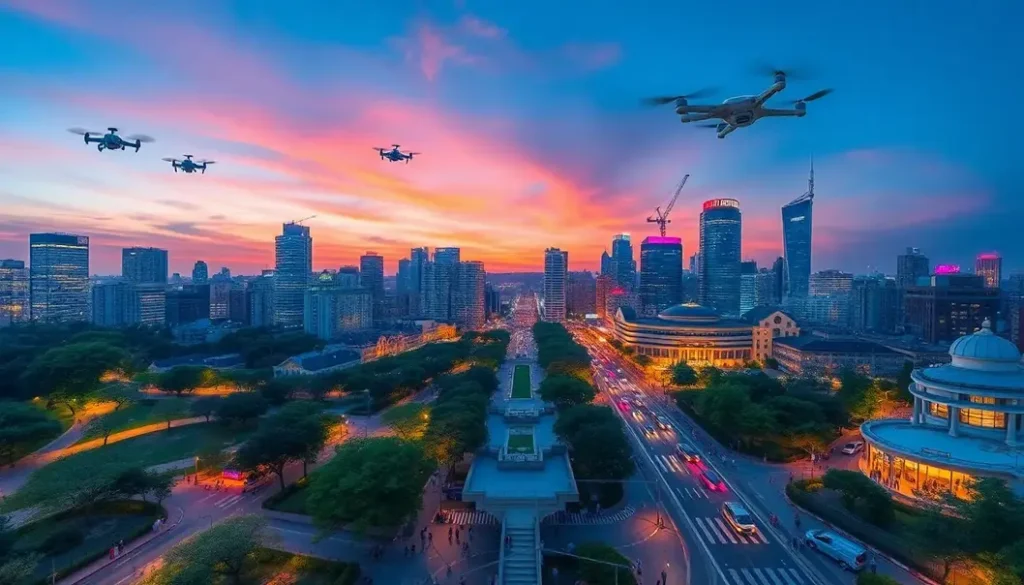
Cities are evolving, and so is the way we experience urban living. Smart Cities 2.0 is more than just a technological upgrade; it’s about creating vibrant, inclusive communities. By integrating technology with urban planning, we can redefine how we live, work, and interact. This article explores how urban planners and citizens can work hand-in-hand to shape dynamic cityscapes that prioritize sustainability, accessibility, and livability while harnessing the power of data and innovation.
Building the Foundation: Infrastructure and Technology
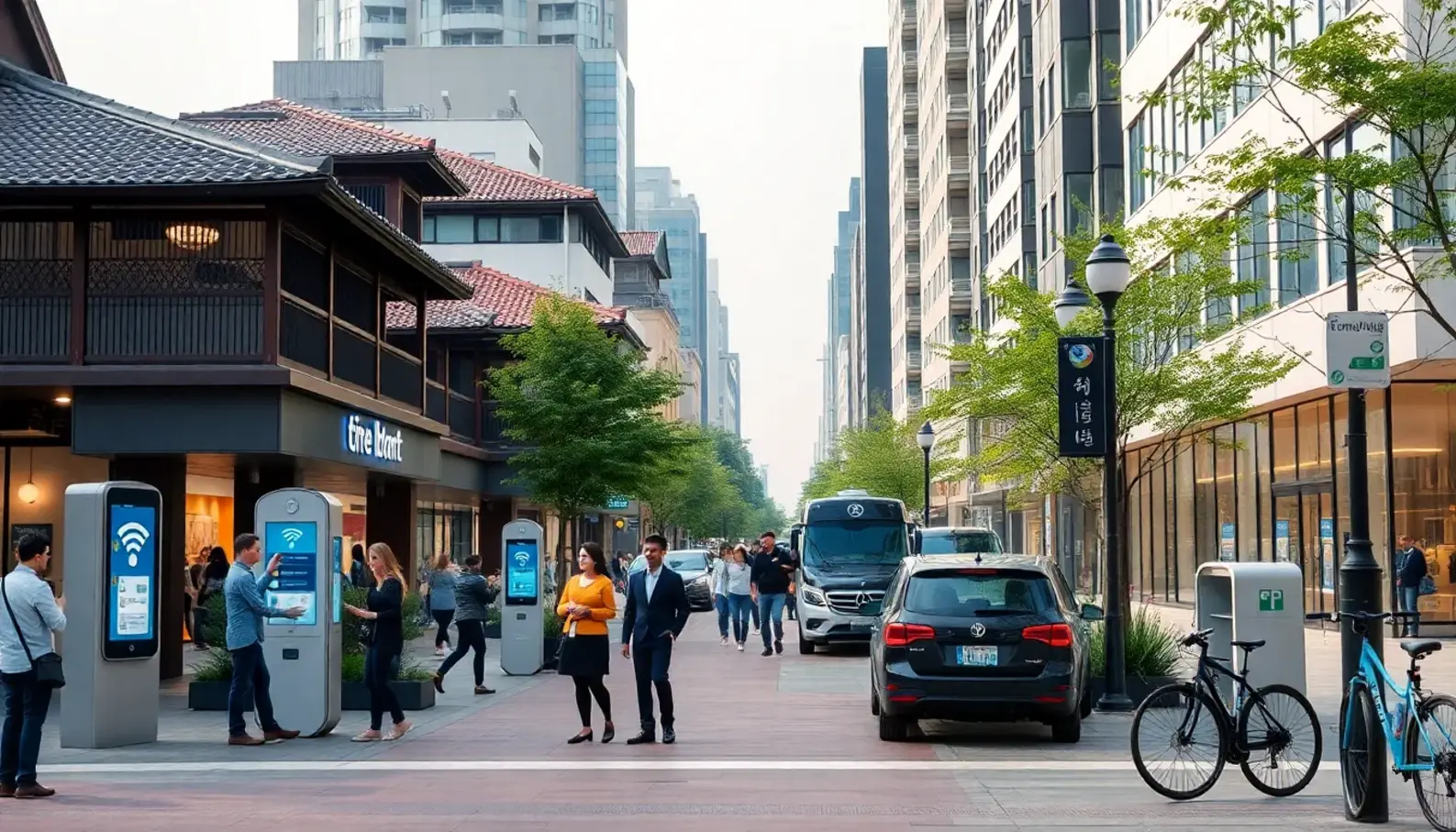
The evolution of smart cities hinges significantly on the seamless integration of infrastructure and technology. Together, they form the essential backbone of what we now recognize as Smart Cities 2.0. This sophisticated arcitecture prioritizes sustainable urban living through the implementation of advanced data networks, the Internet of Things (IoT), and environmentally-friendly infrastructure.
The role of data networks in a smart city cannot be overstated. These networks form the neural pathways of urban areas, allowing for the efficient flow of information between devices, systems, and stakeholders. High-speed internet connectivity, increasingly using fiber-optic cables, has become the standard. It enables real-time communication, which is crucial in managing everything from transportation to energy distribution.
IoT further extends the capabilities of these networks by interconnecting devices and systems. Sensors on traffic lights, energy meters, and trash bins exemplify the integration of IoT in daily urban management. These devices contribute to a dynamic data ecosystem. Urban planners use this data to monitor, predict, and respond to the varying needs of a city’s population. For instance, in Singapore, IoT sensors help manage traffic flows, adaptively controlling signals to reduce congestion during peak hours.
A smart city must also prioritize sustainable infrastructure. By embedding technology into buildings, roads, and even parks, urban planners can significantly cut down on energy use and emissions. Green buildings, equipped with energy-efficient heating and cooling systems and smart grids, exemplify this advancement. In Amsterdam, the installation of smart meters in homes has led to a substantial decrease in energy consumption. Real-time data allows residents to become actively aware of their usage patterns and adjust accordingly, leading to environmentally conscious behavior.
The benefits of this symbiosis between technology and infrastructure surface in multiple facets of everyday life. Transportation systems, often a backbone for many urban dwellers, stand transformed by smart traffic management and e-mobility solutions. Urban centers like Barcelona have integrated intelligent transport solutions, resulting in a more efficient public transit system and reduced emissions.
Moreover, the provisioning of utilities such as water and electricity benefits from smart grid technology. These grids facilitate balanced energy distribution, reducing waste, and promoting the use of renewable energy sources. In Stockholm, smart grid projects have optimized the distribution of electricity generated from wind and hydroelectric power sources. IoT devices allow for the remote monitoring and management of these resources, ensuring a steady and resilient supply.
Waste management, another crucial urban concern, also sees improvements through smart solutions. Utilizing sensor-equipped bins that relay data on fill levels allows for optimized waste collection routes, diminishing fuel use and emissions. San Francisco’s implementation of smart waste bins serves as a prime example of successful deployment, leading to cleaner streets and reduced operational costs.
Urban planners play a pivotal role in translating these technological advancements into functional components of smart cities. Their ability to foresee how individual elements interact within larger urban systems is crucial for creating cohesive and inclusive living environments. Planners must seamlessly integrate cutting-edge technology without disrupting daily life, ensuring improvements in quality while also addressing potential privacy concerns associated with increased data collection.
Collaboration between urban planners and technologists results in forward-thinking designs that can accommodate the rapid pace of technological change. Planners must consider the adaptability of infrastructure to emerging technologies, such as 5G networks and autonomous vehicles, which are set to redefine city landscapes. Continuous dialogue between these stakeholders fosters innovation and provides scalable solutions to urban challenges.
Additionally, involving citizens in the planning process is vital for smart city success. Creating channels for feedback and participation ensures that developments meet the populace’s actual needs. Public workshops and digital platforms allow residents to engage with ongoing projects and provide valuable insights, cultivating a sense of ownership and responsibility towards their environment.
To summarize, the development of Smart Cities 2.0 relies on the intricate weaving together of technology with robust infrastructure. This synergy is indispensable in creating urban environments that are not only sustainable but also resilient and adaptive to future challenges. Urban planners are essential in orchestrating this integration, ensuring it enhances the quality of life for all citizens. Through innovative strategies and citizen involvement, the promise of smarter living becomes achievable—a testament to the future of urban life.
For further insights into technology’s ever-growing role in urban living, explore strategies like those discussed in hybrid computing strategies, which are shaping the modern cityscape.
Creating Community: Engaging Citizens in Smart City Initiatives
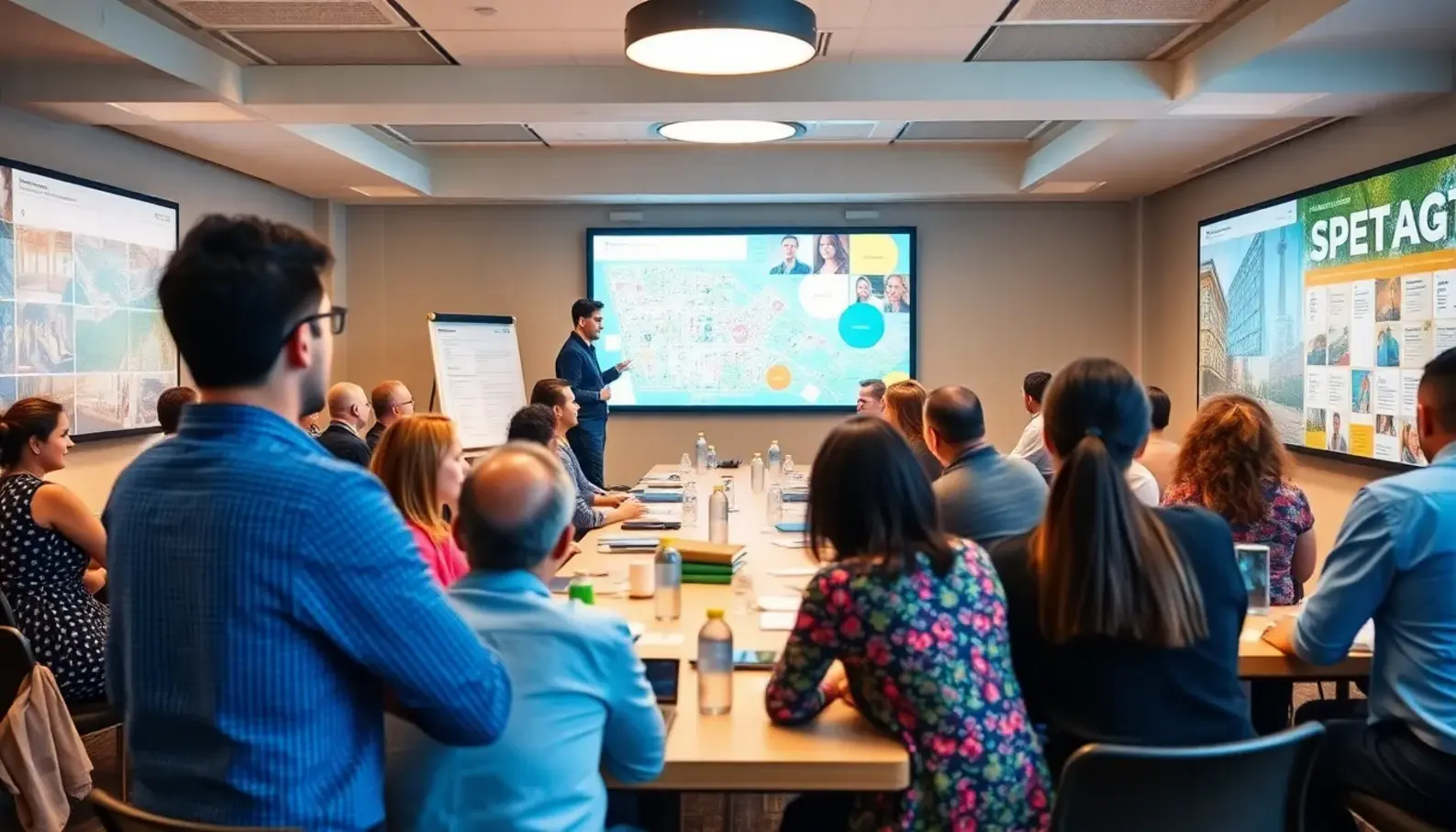
The success of Smart Cities 2.0 heavily depends on the involvement of citizens as active participants in the evolution of their urban environments. Citizen engagement is not merely a cliché component of contemporary urban planning; it is a critical element that drives innovation, fosters resilience, and ensures that technological advancements align with community needs. By engaging citizens, urban planners can obtain valuable insights into local challenges and aspirations, leading to solutions that are more tailored and impactful.
Methods of Citizen Engagement
Urban planners can employ a variety of methods to engage citizens effectively. Participatory Design Workshops are an interactive way to involve residents in the design processes. These workshops provide a platform for communities to voice their needs and preferences and collaborate on envisioning solutions. They serve as a practical tool for urban planners to gather feedback while also empowering citizens with a sense of ownership over their environment.
Digital platforms have also revolutionized citizen engagement. Online Surveys enable the collection of a broad range of opinions and preferences from the community. They can be used to assess perceptions about proposed smart city developments or gather insights about specific issues affecting urban life. Moreover, these surveys reach a wide audience, ensuring inclusivity and representation.
Hackathons represent another innovative engagement model. By inviting local citizens to participate in time-bound collaborative projects, cities can harness communal creativity and technical skills. Hackathons often result in creative solutions to urban challenges and encourage a collaborative spirit among participants.
The use of Community Advisory Boards helps maintain ongoing communication between citizens and planners. Such boards, composed of diverse community representatives, provide a structured way for planners to validate ideas and ensure that projects remain transparent and accountable to the public.
Case Studies of Successful Engagement
Several smart city projects worldwide exemplify successful citizen engagement. In Barcelona, the “Citizens’ Sensor Network” empowered residents to collect environmental data and share it with municipal authorities. This initiative not only increased government transparency but also motivated citizens to actively contribute to enhancing urban life. Through real-time data collection and sharing, residents directly influenced policy decisions regarding air quality and public transportation.
In Amsterdam, the “Smart Citizen Lab” is another pioneering example. This initiative focused on co-creating smart solutions with citizens. Participants could propose ideas, test IoT applications, and work alongside researchers. The lab fostered a culture of innovation and cooperation, underscoring the importance of community-driven development. It demonstrated how collaborative processes yield innovative urban solutions aligned with citizens’ needs.
Sustainable Solutions Through Feedback
Citizen feedback is invaluable in shaping solutions that are sustainable both environmentally and socially. When citizens are actively engaged, planners can avoid off-the-mark projects that fail to address actual community demands. Involvement guarantees that the solutions are not only technically sound but also contextually relevant.
For example, in Singapore’s Smart Nation Initiative, citizen feedback played a crucial role in the design and optimization of smart transport systems. By understanding the daily routes and habits of commuters, city planners could design efficient systems that reduce congestion and promote sustainable urban mobility.
Interestingly, some cities are beginning to use ambient intelligence to further enhance citizen engagement. Smart systems embedded in urban infrastructure are capable of detecting and responding to citizens’ needs dynamically, improving the real-time adaptability of urban solutions. For further reading on ambient intelligence and its role in shaping the future of smart cities, visit Ambient Intelligence Insights.
Fostering Trust and Collaboration
Engaging citizens effectively also involves building trust between urban authorities and the public. Transparency in communication and decision-making processes strengthens this trust. Cities should embrace open data initiatives, allowing public access to information about urban projects and resource allocation. Transparency demonstrates accountability and mitigates skepticism towards technologically advanced projects.
Additionally, fostering collaboration through partnerships with local organizations can also enhance citizen engagement efforts. Local groups often have established networks and a deep understanding of community dynamics, which can be instrumental in driving participation.
By prioritizing citizen engagement in Smart Cities 2.0, urban planners can create responsive and inclusive environments that truly reflect the needs of their inhabitants. The resulting communities are not only smarter but also more resilient and cohesive, where technology is leveraged to enhance rather than disrupt everyday life.
Final words
Smart Cities 2.0 represents a new era of urban living, combining technology, infrastructure, and community engagement for a richer experience. By working together, urban planners and citizens can create spaces that are not only smart but also deeply human-centered. This journey requires open dialogue, innovation, and shared goals, paving the way for cities that are just as much about people as they are about technology.
Live Smarter
Learn more: https://innoupdates.com
About us
Urban Tech Consulting transforms cities into smarter living spaces by guiding urban planners through innovative solutions, community engagement, and technology integration. Our expertise helps create sustainable urban environments that prioritize citizen needs and community well-being.