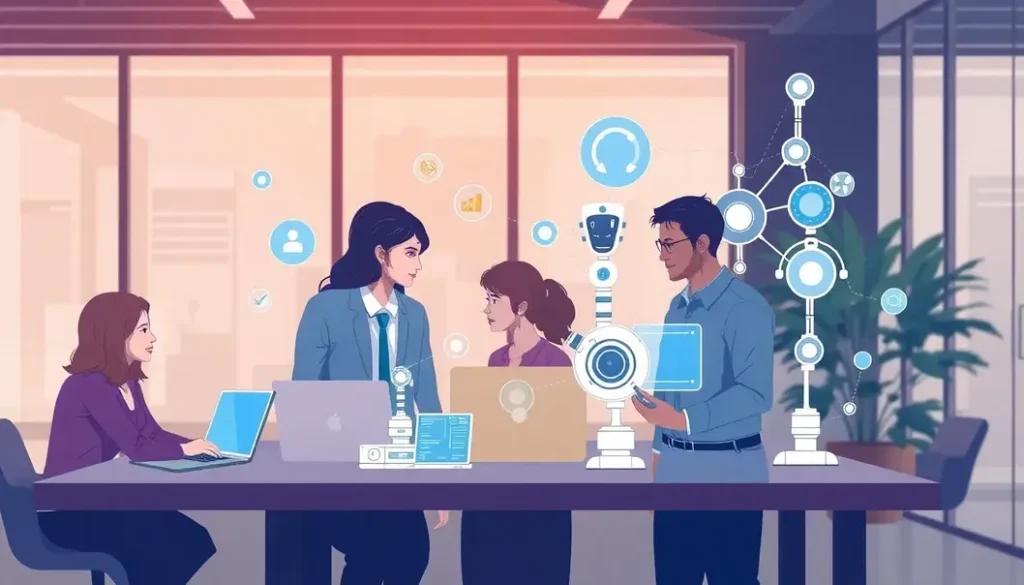
In today’s evolving workplace landscape, integrating AI into business operations is not just an option; it’s a necessity. The partnership between humans and artificial intelligence is reshaping roles and enhancing efficiency across industries. As HR and business leaders, understanding how to leverage this collaboration effectively is crucial for driving innovation and maintaining a competitive edge. This exploration delves into the best practices for harnessing AI in talent acquisition and workforce development, as well as the ethical considerations that must guide these advancements.
Harnessing AI for Talent Acquisition

The dynamics of talent acquisition are undergoing a transformative shift, significantly influenced by artificial intelligence. AI-driven tools streamline every aspect of recruitment, from initial candidate sourcing to onboarding, enhancing efficiency and providing new insights into candidate potential.
One of the most compelling aspects of AI in recruitment is its ability to process vast amounts of data swiftly. Predictive analytics can mine resumes and applications, identifying top candidates with minimal human intervention by analyzing patterns and predicting candidate success based on historical data. This makes the identification of qualified candidates not only faster but also more accurate, minimizing the risk of overlooking talent.
Chatbots are also becoming indispensable in modern recruitment processes. These AI-driven assistants handle initial candidate interactions, providing information about job roles and requirements and answering basic queries. This not only saves time for HR professionals but also ensures that candidates have a consistent point of communication, which enhances their overall experience. Moreover, natural language processing enables these chatbots to understand and even predict candidate needs, offering tailored interactions that make potential hires feel valued from the start.
A critical aspect of effectively harnessing AI in talent acquisition is addressing and reducing biases. Traditional recruitment methods are often fraught with unconscious biases, affecting the objectivity of hiring decisions. Machine learning algorithms, when designed thoughtfully, have the potential to mitigate these biases by focusing purely on skillsets and suitability for the role. However, it’s essential to ensure that these algorithms themselves are transparent and regularly audited to prevent the perpetuation of existing prejudices encoded into the data.
Further enhancing the recruitment process, AI can optimize job descriptions to attract more suitable applicants. Content analysis technologies can tailor job postings to appeal to diverse candidates, thus broadening the talent pool. Additionally, sentiment analysis of candidate interactions during interviews can provide new dimensions of insights, helping HR teams understand not just the skills but the enthusiasm and potential cultural fit of candidates.
While AI provides numerous benefits in improving efficiency and reducing human resource burdens, the human aspect should not be underestimated. AI tools should complement recruiters, providing data and insights that humans might miss but not replace the invaluable human intuition and empathy. Building a successful AI-driven recruitment strategy involves careful planning to leverage technology while maintaining personalized engagement that respects the individuality of each candidate.
Integrating AI into recruitment processes also demands a shift in how HR teams operate. Training on AI tools and understanding their workflows will be crucial for HR professionals to fully exploit the benefits offered by these technologies. Collaboration between AI and human recruiters is essential, ensuring that technologies are used to amplify and augment human judgment rather than supplant it.
The emergence of AI in HR strategy reshapes traditional practices, requiring both technological adaptation and a culture shift within companies. Coordinating this synergy ensures that recruitment processes are both effective and empathetic, fostering an inclusive workforce equipped for the challenges of modern business landscapes. More insights into this topic can be found in various strategies for integrating AI into HR processes, highlighting the balance between technological power and human intuition in creating a robust talent acquisition framework.
Fostering Continuous Development with AI
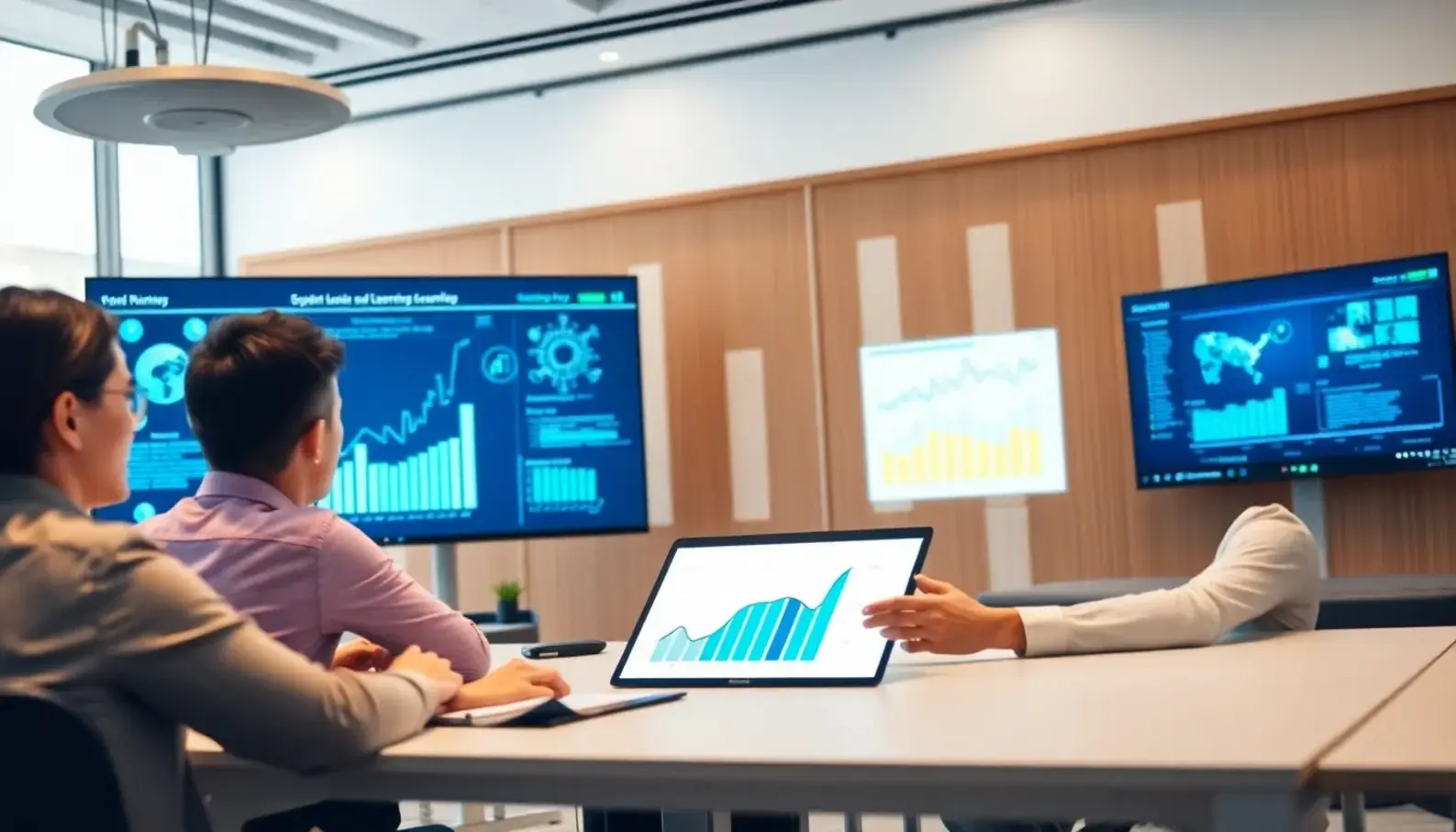
In the dynamic landscape of workforces adapting to technological advancements, AI emerges as a pivotal tool in workforce development and upskilling. AI not only fosters growth but also assists employees in acquiring relevant skills to meet evolving demands. Here, we delve into the transformative role AI plays in creating personalized, engaging, and effective learning experiences.
AI-driven learning platforms revolutionize training by tailoring experiences to individual learning styles, preferences, and existing skill levels. These platforms utilize machine learning algorithms to analyze employee interactions, adapt content delivery, and inform the most effective learning paths. As a result, employees receive customized training experiences that are not only more engaging but also significantly more effective.
Consider, for example, an AI learning platform that tracks an employee’s progress over time. By understanding their strengths and identifying areas for improvement, the platform selects the most suitable content. It might recommend interactive simulations for one employee and detailed research articles for another, based on their unique learning preferences. This level of personalization, once the realm of highly resource-intensive human intervention, is now possible at scale thanks to AI.
Moreover, AI-powered analytics provide businesses with actionable insights into workforce capabilities. By analyzing patterns in performance data, AI systems can identify skill gaps across an organization. These insights enable management to address deficiencies proactively, devising targeted training programs to mitigate skill disparities. As these systems continuously learn and adapt, they ensure that development strategies evolve in tandem with organizational needs.
Performance measurement is another area where AI demonstrates its value. Traditional performance evaluations often rely on subjective assessments, but AI introduces a data-driven approach that offers more objectivity. Through continual monitoring of performance metrics, AI identifies trends and delivers real-time feedback. Such insights help managers make informed decisions regarding promotions, role adjustments, and professional development opportunities.
To cultivate a culture of lifelong learning, it is essential that AI does not operate in isolation but rather complements human oversight. Organizational leaders play a vital role in championing new tools and methodologies. Encouraging employees to embrace AI-enhanced learning promotes an environment where curiosity and growth flourish. Leadership can further demonstrate commitment to development by integrating these practices into the overarching corporate strategy.
Businesses can leverage AI to create immersive and interactive learning experiences. From virtual reality simulations that replicate challenging work scenarios to AI-driven gamification that engages and motivates, the possibilities are expansive. These innovative methods not only enhance learning but also improve retention as they engage multiple senses and promote active participation.
The role of AI in workforce development is not merely speculative—real-world applications are already in motion. Many organizations witness substantial returns on investment as improved employee skills lead to increased productivity and innovation. As AI capabilities continue to expand, businesses that integrate these tools into their development strategies position themselves to thrive in a competitive market.
For further exploration of AI’s impact on continuous learning and skill development, consider visiting EdTech Personalization, which delves into how educational technology tailors learning experiences to the individual.
In conclusion, combining AI’s ability to customize and optimize learning with human expertise helps cultivate a workforce that is both adaptable and proficient. By embracing AI as a partner in development, businesses ensure they remain at the forefront of innovation, ready to meet the challenges of tomorrow with confidence and skill.
Final words
As organizations increasingly adopt AI technologies, the focus must remain on creating a synergistic relationship between human talent and artificial intelligence. This collaboration can not only streamline operations but also enrich employee experiences, driving overall business success. By prioritizing ethical considerations and continuous learning, leaders can ensure that their workforce is well-equipped to thrive alongside AI.
Boost Team Productivity
Learn more: https://innoupdates.com
About us
Workforce AI Integration provides tailored solutions for integrating artificial intelligence within HR processes, enhancing talent acquisition and employee development.