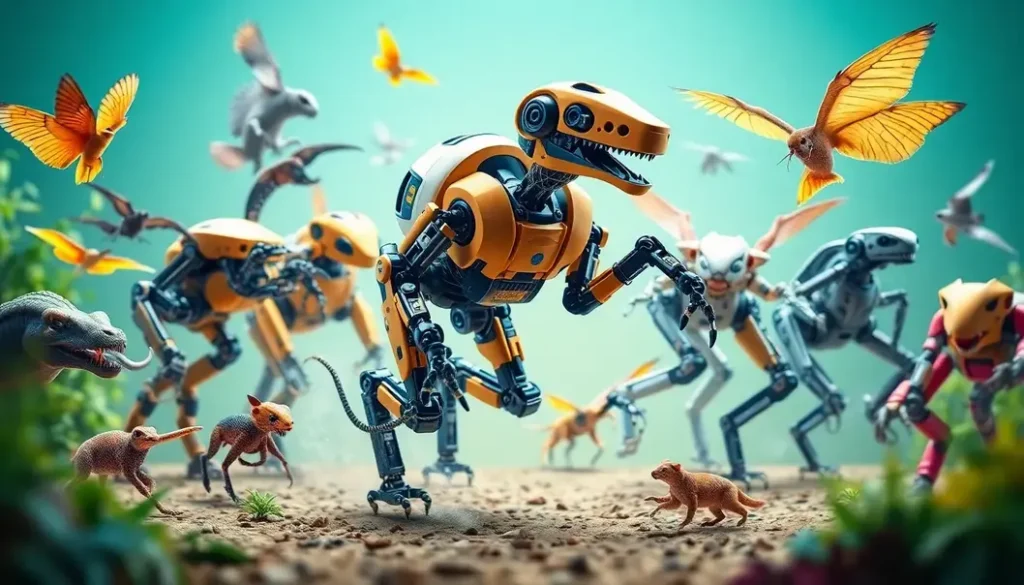
Bio-inspired robotics merges biological insights with engineering to create innovative robotic systems. Drawing lessons from natural organisms—such as the fluid motions of jellyfish or the efficient flight patterns of birds—researchers aim to enhance robotic functionality and efficiency. This interdisciplinary field thrives on collaboration between biologists and robotics engineers, propelling advancements in areas such as autonomous systems, healthcare, and environmental monitoring. By understanding the underlying principles of life, bio-inspired robotics aspires to create machines that can perform tasks with intelligence and adaptability, emulating nature’s time-tested solutions.
Understanding Biological Mechanics: Principles and Applications
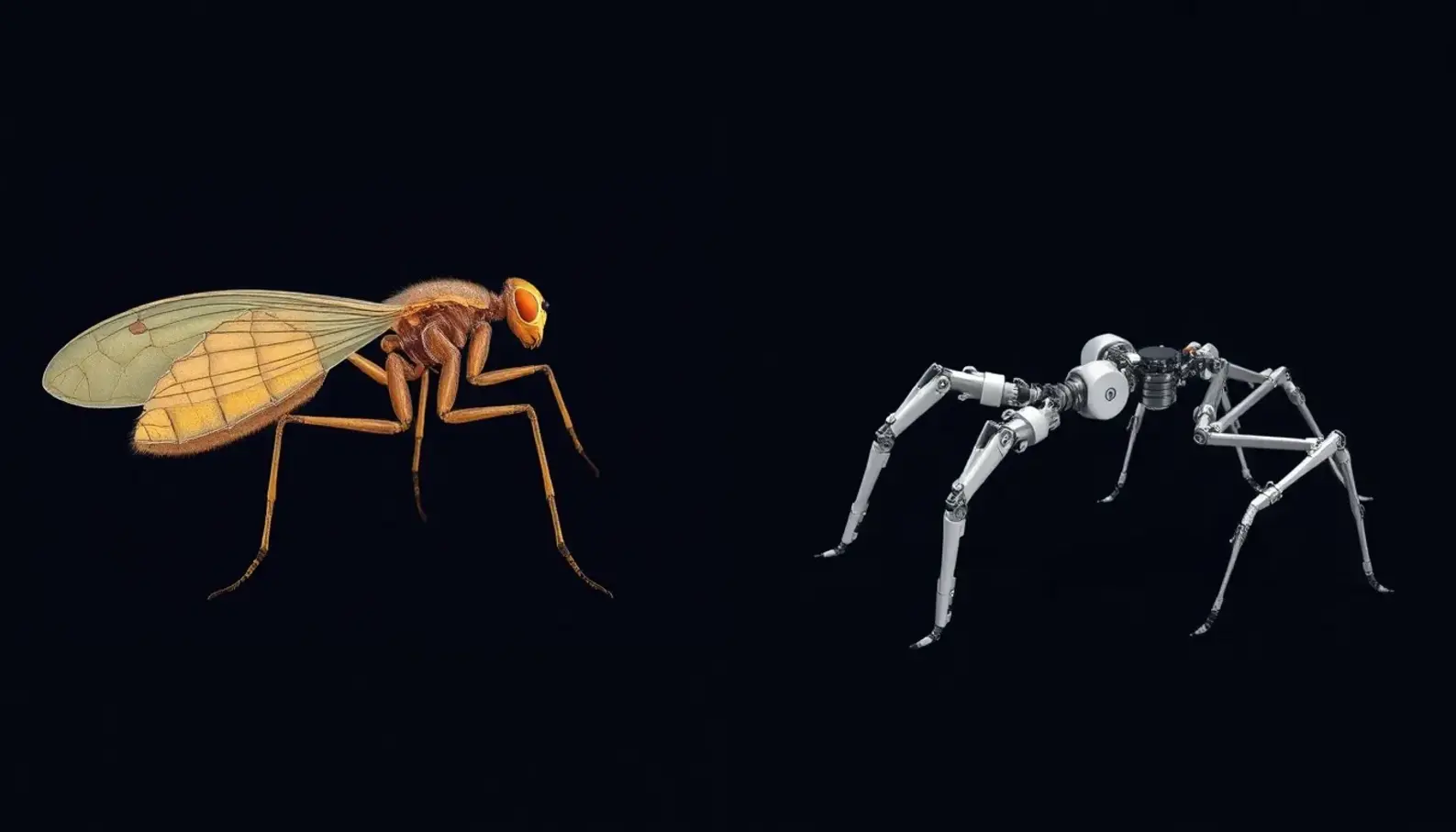
Nature’s proficiency in engineering is evident in the intricate mechanics of biological systems. The realm of biomechanics provides a treasure trove of insights, driving innovation in robotic design. By understanding the mechanics of animals, engineers and designers can develop robots that exhibit efficiency and adaptability comparable to those of living organisms.
One of the fundamental aspects of biological mechanics is locomotion, which in nature has been optimized through millions of years of evolution. Take for instance, the study of insect locomotion. Insects, despite their tiny size, demonstrate remarkably efficient movement. Their ability to traverse challenging terrains with ease has inspired the development of agile drones. These biomimetic aerial robots imitate the wing-flapping mechanism of insects, delivering a high degree of maneuverability and stability even under turbulent conditions. The layers of these mechanics become crucial when designing drones meant for reconnaissance or search and rescue missions in unstable environments.
Moreover, understanding the energy dynamics in insects provides crucial insights. Insects efficiently convert metabolic energy into mechanical work, allowing for prolonged activity without the need for frequent recharging or refueling. This principle is applied in robotics through the development of energy-efficient locomotion systems that mimic these biological processes.
Not only insects, but larger mammals offer valuable lessons in biomechanics. Human anatomy, in particular, provides a blueprint for the design of robotic limbs. The human arm, with its range of motion and dexterity, serves as an archetype for robotic manipulators. Engineers dissect the mechanics behind our muscle and joint coordination to replicate these functionalities in robotics. Such biomimetic limbs find applications in prosthetics, offering improved interaction for users in their daily activities, thus enhancing the integration of robots in social settings.
The articulation of human limbs is not simply a matter of replicating form but also of function. Muscles and tendons work in tandem to stabilize and move joints with precision. Robotics can mimic this system using motors and actuators that adjust in real time, allowing robotic limbs to perform complex tasks mimicking human efficiency and precision. By focusing on adaptive control systems inspired by human reflexes, robots can achieve a balance between force and fragility.
Moreover, the concept of feedback in biological systems has profound implications for robotics. Biological systems use sensory feedback for adaptive control. For instance, when a cat lands on a surface, its sensitive paw pads send information back to its brain to adjust accordingly. This concept of sensory feedback is indispensable in robotics, allowing machines to interact with their environments in a responsive and adaptive manner. By incorporating sensors that mimic biological sensory systems, robots can adapt their behavior to changing environments, similar to their biological counterparts. This enhances their functionality in unpredictable settings, like disaster zones or industrial environments.
The integration of adaptive algorithms and machine learning further enhances this process. By combining data from these sensory systems with learning algorithms, robots can improve their performance over time, much like how living organisms adapt to their surroundings through experience and learning. To explore how AI is transforming various sectors, you can read more about AI’s role in business growth.
The adaptability observed in nature is not only about how an organism moves but also about how it interacts and affects its environment. For example, the way geckos climb walls has inspired the development of robots capable of vertical locomotion in complex terrains. Geckos use millions of microscopic hairs on their toes to create van der Waals forces, allowing them to cling to surfaces without adhesive. Engineers have replicated this unique sticking mechanism to design robots that can maneuver vertically, offering potential for applications in inspection, repairs, and maintenance in hazardous environments.
Analyzing survival strategies in biological systems also presents a wealth of knowledge applicable to robotics. Consider how certain animals alter their behavior to survive harsh conditions. For instance, desert animals are often nocturnal to avoid extreme heat. Robotic systems can incorporate similar principles by optimizing operational cycles to coincide with favorable environmental conditions, thus reducing energy consumption and extending operational lifespan.
In conclusion, the profound efficiency and adaptability portrayed by biological systems provide an excellent framework for bio-inspired robotics. From the microscopic features of insects to the complex anatomy of mammals, each biological model presents unique properties that can be ingeniously adapted for robotic applications. Bridging these biological principles with technological advancements in robotics not only promises innovative designs but also promotes sustainable and energy-efficient robots capable of meeting the diverse needs of society.
Integrating Biological Sensory Systems into Robotics
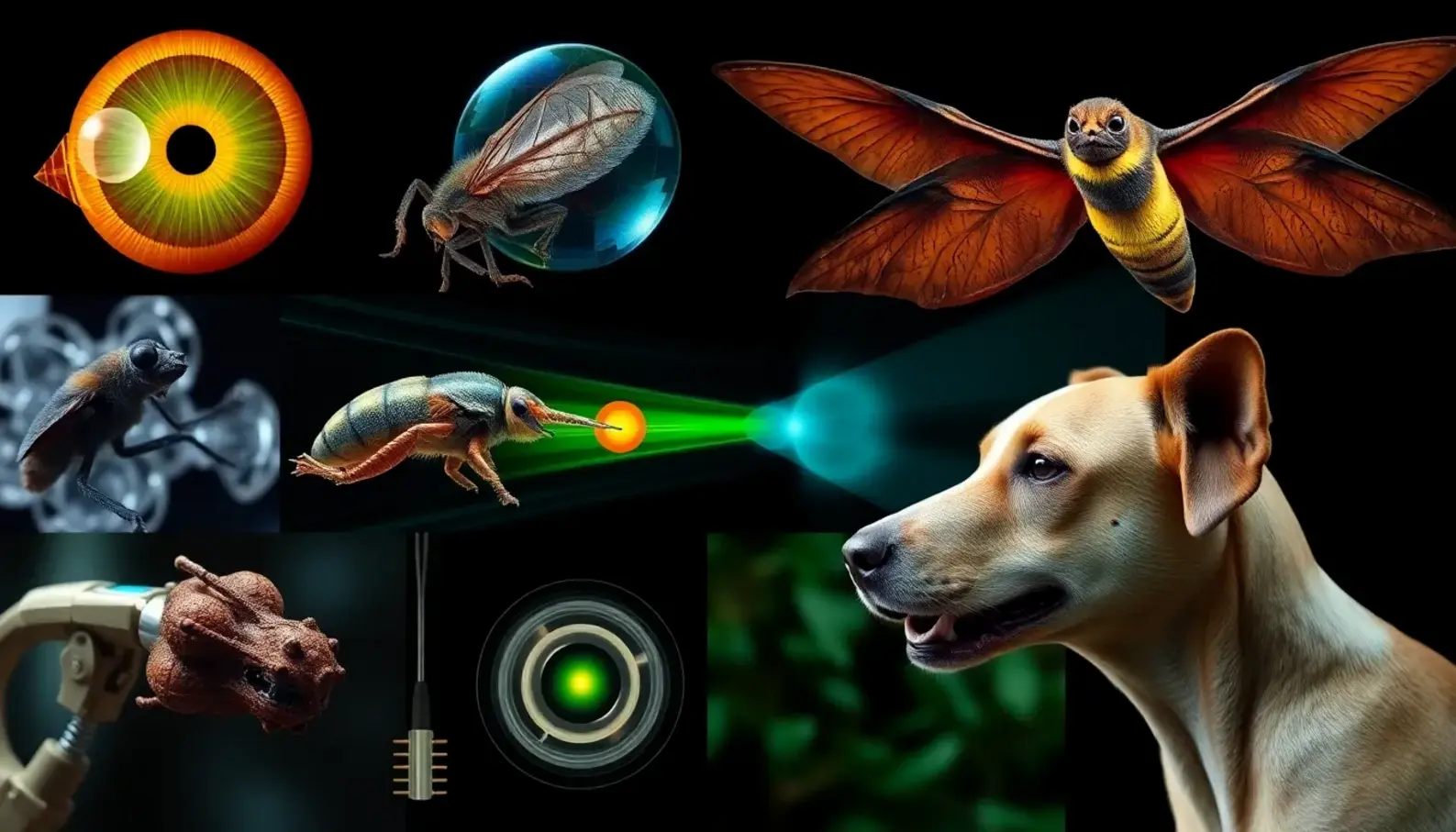
In the expansive realm of bio-inspired robotics, the integration of biological sensory systems into machines stands as one of the most promising avenues for innovation. By emulating the sensory capabilities of living organisms, especially in areas such as vision, olfaction, and touch, robots can achieve an unprecedented level of interaction with their environments. This approach does not merely enhance functionality but also enables robots to perform tasks with a kind of intuitive responsiveness akin to biological entities.
Vision Systems Inspired by Nature
Biologically inspired vision systems provide a fascinating example of technology drawing directly from nature. Many insects possess compound eyes, which consist of numerous small visual units known as ommatidia. These compound eyes offer several advantages such as a wide field of view and rapid motion detection. Engineers have developed robotic vision systems that mimic these compound structures to enable enhanced surveillance and navigation capabilities. Such systems are particularly advantageous for drones and autonomous vehicles, where processing speed and field of view are critical.
A case study worth highlighting involves the development of robotic eyes for environmental monitoring. Inspired by the dragonfly’s ability to track fast-moving objects with incredible precision, researchers have designed vision systems that allow drones to swiftly detect and respond to environmental changes. This advancement has implications not only for monitoring ecological changes but also in search and rescue missions where precision and speed can save lives.
Olfactory Systems: Robots with a Sense of Smell
Olfaction in animals often surpasses current technological capabilities. Dogs, for instance, have an extraordinary capacity to detect and differentiate between smells. Mimicking these capabilities, scientists have developed artificial olfactory systems that exponentially expand the potential for robots in various sectors, including security and environmental monitoring.
One specific study demonstrates robotic noses capable of detecting volatile organic compounds, much like the keen scent-tracing abilities of canines. These systems utilize sensor arrays equipped with compounds that change properties upon contact with specific molecules, akin to olfactory receptors in the nasal cavity. Such technology can be applied to detection dogs in airport security, identifying explosives or narcotics more efficiently.
Furthermore, the integration of these olfactory systems can aid in agricultural sectors by helping monitor plant health through the detection of stress-related chemicals released by crops. This application allows for early intervention, potentially increasing yield and reducing crop loss.
Mimicking Touch: The Tactile Sense in Robotics
The sense of touch is another area where nature offers refined mechanisms that robotics can emulate. The human fingertip, with its density of nerve endings, provides exquisite sensitivity to pressure, texture, and temperature. Engineers have pioneered electronic skin, or “e-skin,” that replicates these capabilities. Constructed using silicon and flexible compounds, e-skin can discern minute changes in pressure and texture, mirroring the human sense of touch.
Through advances in electronic skin, robots can acquire dexterity and delicacy. This trait proves crucial in human-robot interactions, where machines handle objects alongside humans or assist in caregiving tasks. In laboratory settings, robots equipped with tactile sensors have been able to sort objects by texture, assemble small components, and even perceive human emotion through grip tension and skin temperature changes.
Applications and Future Outlook
The integration of biological sensory systems revolutionizes the way robots perceive and interact with their surroundings. Enhanced robotic vision, olfactory, and tactile capabilities improve machine autonomy, allowing for greater decision-making accuracy in situations ranging from industrial automation to autonomous navigation. These technologies enable more sophisticated responses to dynamic environments, which is particularly useful in areas such as espionage, search and rescue operations, and healthcare assistance.
In security, robots with advanced sensory systems can detect potential threats through subtle visual, olfactory, or tactile anomalies. In environmental monitoring, sensory-equipped drones provide a non-invasive method for tracking wildlife, supervising conservation efforts, and assessing ecosystem health. When equipped with tactile abilities, service robots might soon offer meaningful companionship and support, especially to the aging population.
Moreover, the responsiveness of these systems to rapidly changing inputs makes them invaluable for human-machine collaboration. As robots integrate into personal and professional spaces, developing sensory capacities that allow them to understand nuanced human interactions is essential.
In summary, integrating biological sensory systems into robotics disciplines not only enriches the machines’ sensory perception but also draws a closer parallel between technological innovation and the natural world. While we continue to explore the capabilities of biology-inspired technology, these advancements pave the way towards a future where robots operate seamlessly within diverse environments, answering complex needs with the intuitive precision of biological organisms.
For more insights into the complementary innovations influencing technology and society, explore our blog on hybrid computing strategies, which delves into exciting new developments that further blur the lines between biological and artificial systems.
Final words
Bio-inspired robotics stands at the forefront of convergence between biology and technology, borrowing insights from nature to fuel innovation. By understanding the mechanisms of biological systems, engineers can develop robots that are not only functional but also efficient and adaptable. This field promises to harness the lessons learned from millions of years of evolution, pushing the limits of what is possible in robotic design.
Explore Bio-Inspired Designs
Learn more: https://innoupdates.com
About us
Advanced Robotics Components specializes in high-quality, bio-inspired robotic parts and systems, designed to empower engineers and biologists in creating advanced solutions. Our components facilitate the integration of biological principles into robotic designs, ensuring superior performance and adaptability.