The integration of artificial intelligence in retail is reshaping operational strategies and enhancing customer experiences. Retail managers and marketers are increasingly harnessing AI to analyze data, predict trends, and personalize consumer engagements. As the retail landscape evolves, understanding and utilizing AI tools becomes essential for driving informed decisions that elevate both service and sales. This shift not only optimizes inventory management and operational efficiency but also cultivates more meaningful interactions with customers, paving the way for sustained growth and competitive advantage.
Harnessing AI for Data-Driven Decision Making
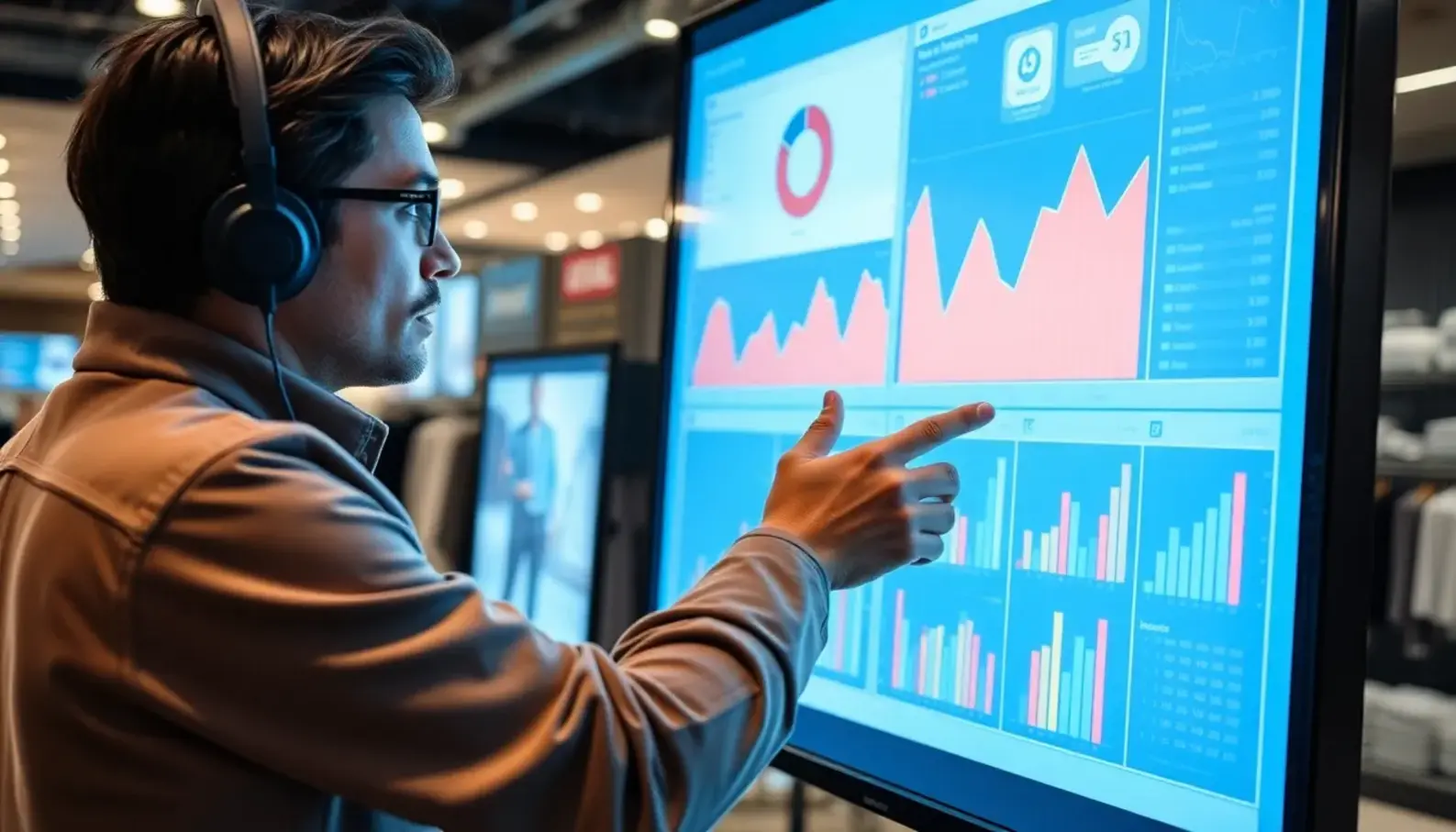
Leveraging AI technologies in the realm of retail offers unprecedented opportunities for data-driven decision making, enabling managers to boost performance across varied operations. By analyzing vast data sets, AI empowers retail managers to optimize inventory, predict customer preferences, and ultimately drive sales. Fundamental to this process are machine learning, predictive analytics, and customer segmentation, each bringing unique capabilities to the table.
Machine learning algorithms have become essential in processing and analyzing complex data for decision-making. In retail, they transform how businesses interpret customer interactions and behaviors. By continuously learning from transactional data, machine learning adjusts to evolving consumer preferences. When applied to inventory management, these algorithms predict demand patterns, helping retailers minimize overstock and understock scenarios. For example, a large supermarket chain implemented machine learning algorithms to enhance their restocking processes. The result was a significant reduction in product shortages and overstock, translating into increased sales and customer satisfaction.
Another crucial component is predictive analytics, which anticipates future trends based on historical data. Retailers can use these insights for strategic planning. Predictive models aid in forecasting sales, optimizing pricing strategies, and improving inventory rotation. For instance, a clothing retailer might leverage predictive analytics to anticipate seasonal trends and preferences, allowing them to stock adequate inventory levels. This proactive approach can significantly reduce markdowns and increase profitability. Moreover, these predictions provide invaluable insights into market dynamics, allowing retailers to stay ahead of their competition.
Customer segmentation further refines this approach by tailoring experiences to specific customer groups. AI tools analyze demographics, buying behaviors, and preferences to group customers into segments. This segmentation helps in targeting marketing efforts more effectively, ensuring a personalized customer journey. Consider a scenario where a cosmetic company uses AI for customer segmentation. By personalizing promotions for different customer groups, they experienced heightened engagement and improved sales without increasing the marketing budget.
These technologies contribute to understanding customer behavior at a granular level. AI algorithms digest data from various touchpoints, including online interactions, in-store purchases, and social media engagement. This holistic view enables retail managers to customize offers and services, fostering customer loyalty. AI also plays a role in anticipating churn by identifying at-risk customers based on their behaviors. Retailers can then deploy retention strategies, such as personalized offers or targeted communications, to retain these customers and reduce churn rates.
The practical benefits of leveraging AI in retail are exemplified by numerous successful implementations. A global e-commerce platform enhanced their recommendation engine using AI, resulting in a 20% boost in conversion rates. By analyzing customer data and behaviors, the AI-driven engine provided personalized product recommendations, enhancing the shopping experience and increasing basket sizes.
Furthermore, AI technologies streamline operations by reducing manual effort in data analysis. Retail staff can focus on more strategic tasks, confident in the insights generated by AI systems. This increases overall productivity and allows for faster decision-making processes. Retailers are empowered to respond more adeptly to market changes and customer demands, contributing to a more agile business model.
For retail managers aiming to maximize these benefits, integrating AI requires a strategic approach. Starting with identifying key areas where AI can deliver value is essential. This might include supply chain optimization or personalized marketing efforts. It’s crucial to establish clear goals and metrics for success to guide AI implementation effectively.
Building a data-driven culture within the organization also supports AI adoption. Ensuring that employees understand the value of AI-generated insights can lead to wider acceptance and utilization. Training programs focused on AI capabilities and data literacy are instrumental in achieving this cultural shift.
Retailers must remain cognizant of data privacy and ethical considerations inherent in AI use. Transparent communication with customers about data usage builds trust and ensures compliance with regulations. Implementing robust data protection practices safeguards customer information and enhances the brand’s reputation.
Finally, an iterative approach to implementation ensures continual improvement. By regularly reviewing AI performance metrics and adjusting strategies, retailers can refine their AI applications for optimal results. Continuous learning and adaptation are key to maintaining competitive advantage in a rapidly evolving retail landscape.
In conclusion, AI technologies present a transformative opportunity for data-driven decision making in the retail industry. From optimizing inventory and enhancing customer understanding to increasing sales through targeted efforts, the potential of AI is vast. Embracing these tools not only enhances operational efficiency but also sets a foundation for long-term customer engagement and business success.
For further insights on leveraging AI across different sectors, explore AI in Business Growth, offering a broader perspective on how AI drives strategic advancements.
Personalization and Customer Engagement through AI
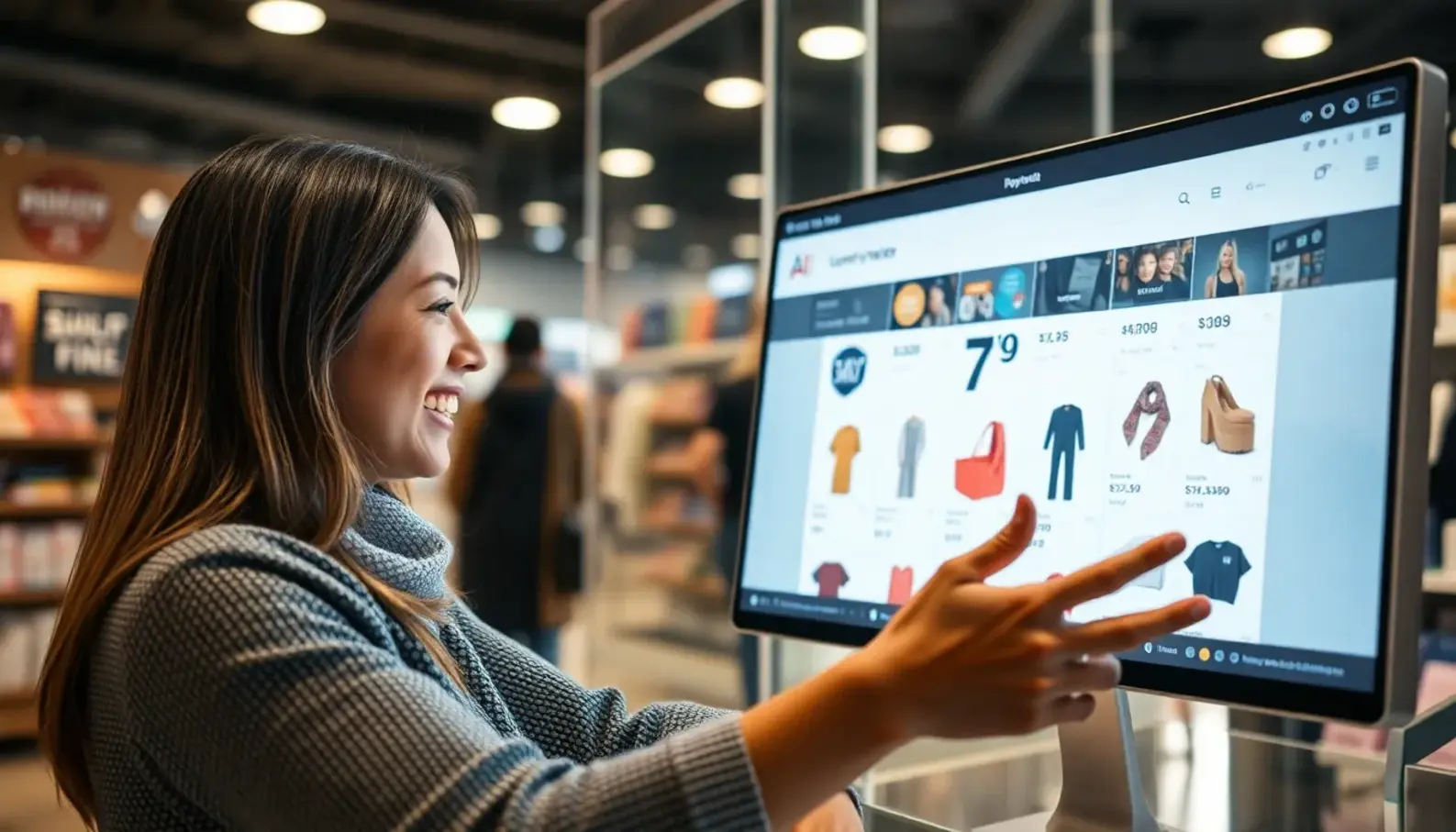
Personalization in retail is revolutionizing the way businesses engage with customers. At the heart of this transformation is artificial intelligence. AI enhances customer experience by tailoring marketing strategies to individual preferences, thus increasing engagement and fostering loyalty. This chapter explores the mechanisms like recommendation engines, customer profiling, and targeted promotions that drive these changes.
Recommendation engines have become vital in personalized marketing. These AI systems suggest products or services to customers based on their past behaviors and preferences. The algorithm analyzes data from previous purchases, browsing history, and even real-time activities to predict what customers might be interested in next. As a result, users receive a personalized shopping experience akin to a seasoned salesperson’s recommendations, greatly increasing the likelihood of a purchase.
A case study that exemplifies the power of recommendation engines can be seen in an online clothing retailer. By implementing a robust recommendation system, the retailer reported a 20% increase in sales within six months. Customers consistently found products that matched their tastes, leading to higher satisfaction and repeat purchases.
Customer profiling is another significant AI-driven strategy. By gathering and analyzing vast amounts of data, AI constructs detailed profiles of customers. These profiles consider factors beyond basic demographics, delving into nuances like interests, buying habits, and preferred communication channels. Retailers can segment customers more effectively, allowing them to design marketing campaigns that resonate deeply with specific groups.
For instance, a large department store utilized AI-based customer profiling to segment its marketing efforts. By recognizing distinct customer preferences, the store crafted personalized email campaigns that saw open rates up by 15%. The targeted messaging generated a stronger emotional connection with the audience, translating into higher conversion rates.
Targeted promotions further amplify the personalization capabilities of AI. By anticipating future behavior based on past interactions, retailers can create promotions that are not only timely but also highly relevant to individual customers. These promotions can be delivered through various channels, increasing the possibility of engagement.
Consider a grocer who used AI to predict customer interests based on seasonal trends and past purchases. By deploying targeted promotions through mobile push notifications and email newsletters, the grocer reported increased customer footfall and a noticeable improvement in average basket size. The promotion alignment with customer expectations resulted in heightened satisfaction levels and a loyal customer base.
The impact of personalized experiences on building customer loyalty cannot be overstated. When customers feel understood and valued, their trust in the brand grows. This trust fosters long-term loyalty, essential for sustained business success. Personalized marketing leverages AI’s ability to process complex data sets and derive actionable insights, enabling managers and marketers to offer remarkable customer journeys.
Through AI, businesses understand their customer preferences better, allowing them to foretell needs and deliver tailored experiences. The strategic use of AI does not only improve sales but elevates customer satisfaction to new heights. By weaving together insights from customer behaviors and preferences, retailers can ensure that their offerings always meet or exceed expectations.
In a rapidly evolving market, personalization remains a game-changer that helps businesses maintain a competitive edge. The careful integration of AI into personalization strategies cultivates relationships that are beneficial for both retailers and customers. As we delve deeper into the roles AI continues to play in the retail landscape, the potential for further innovation and success seems boundless.
For additional insights into how AI is reshaping other markets, you might find this resource on AI-powered marketing strategies useful.
Final words
AI is no longer just a technology trend; it’s a vital component that influences retail success. By effectively harnessing the power of AI, retail managers and marketers can significantly enhance decision-making capabilities and customer engagement levels. Implementing AI-driven strategies fosters a more responsive and efficient retail environment that meets today’s consumer expectations.
Try Our AI-Powered Retail Analytics
Learn more: https://innoupdates.com
About us
Retail Analytics & Automation Services provide comprehensive AI solutions designed to enhance operational efficiency and customer satisfaction through advanced data analysis and innovative automation technologies.