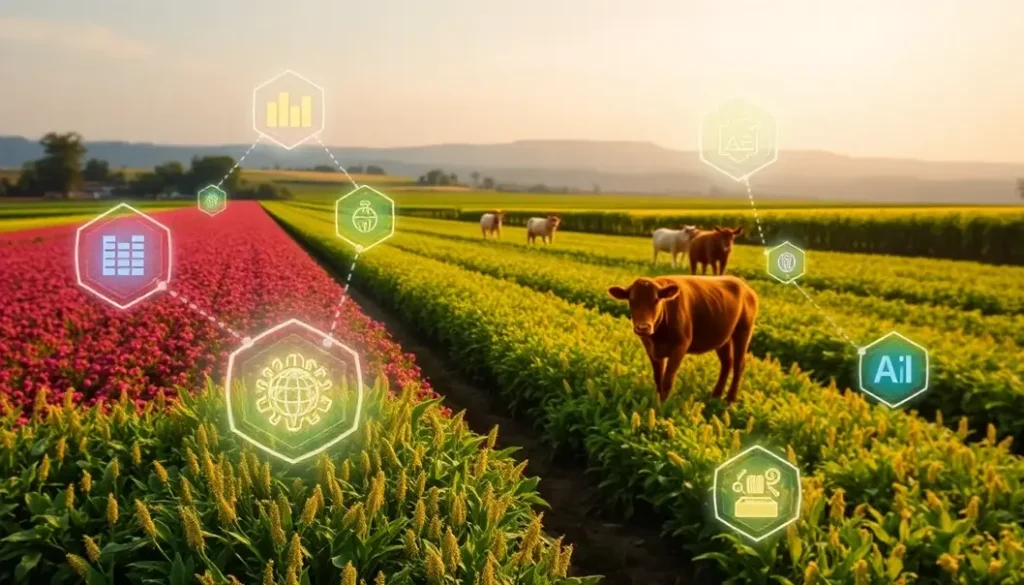
Artificial intelligence (AI) is revolutionizing the agricultural landscape, enabling farmers to enhance productivity and sustainability. Integrating AI technologies allows for intelligent decision-making, optimizing resource usage, and improving crop monitoring. From precision farming to livestock management, AI tools are reshaping traditional farming methods. Adopting these innovations not only boosts yields but also supports sustainable practices that are critical in today’s world. As agriculture faces challenges like climate change and rising demand, leveraging AI can provide farmers with the tools needed for a resilient future.
Precision Agriculture: Cultivating Insights with AI
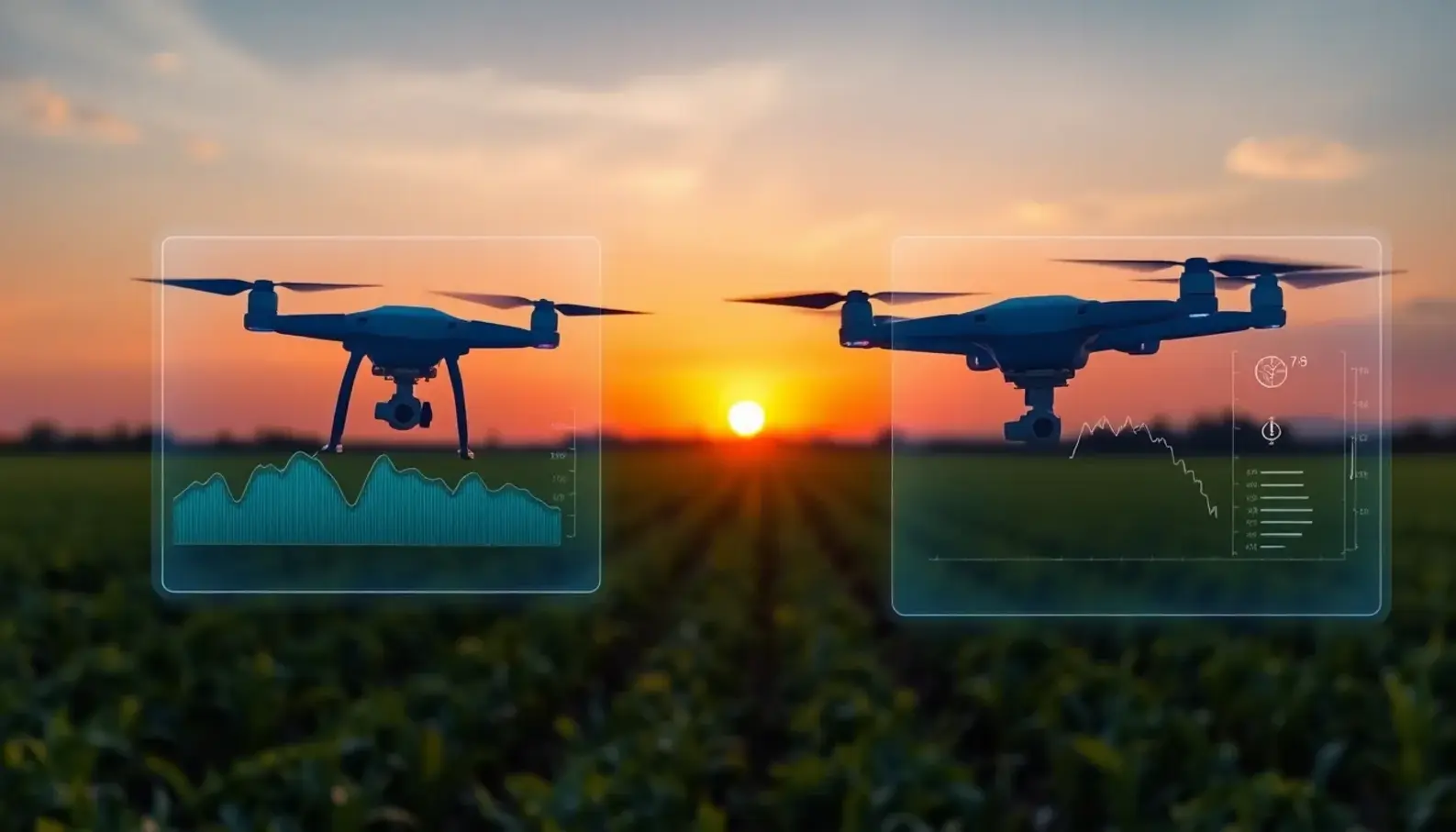
Precision agriculture represents a transformative approach in farming, empowering producers to tailor operations with incredible accuracy. With the introduction of artificial intelligence, this method has reached unprecedented heights. By utilizing advanced technologies such as drones, sensors, and machine learning algorithms, farmers can address the nuanced conditions of the field, optimize resource use, and enhance crop productivity.
The core of precision agriculture lies in data collection and analysis, a process significantly enhanced by AI. Sensor networks distributed throughout fields collect vast quantities of data on soil health, moisture levels, and temperature. AI systems then process this data, delivering actionable insights to farmers. For example, soil sensors can detect nutrient deficiencies or pH imbalances, allowing for targeted fertilizer application rather than a uniform approach. This not only improves crop yields but also reduces environmental impact by minimizing excess nutrient runoff.
Drones equipped with multispectral imaging technology serve as surveyors of the skies, capturing precise data on plant health and field variability. These aerial views reveal patterns invisible to the naked eye, such as areas of water stress or pest infestation. Through machine learning, these images are analyzed to predict crop behavior under various conditions, assisting farmers in making informed decisions on irrigation and pest control. This predictive power is particularly beneficial during seasons of unpredictable weather, where rapid adaptation is crucial.
Machine learning algorithms provide the backbone for modeling and simulation in precision agriculture. By analyzing historical agricultural data combined with current inputs, these algorithms forecast crop performance. Advanced models simulate how alterations in variables like water usage or crop rotations impact output, thus refining agricultural practices. Farmers employing AI models can run hundreds of ‘what-if’ scenarios within seconds, assessing strategies that best mitigate risks and boost yields.
Real-world examples of AI-driven precision agriculture are replete with success stories. A vine-growing estate in Spain implemented drone surveillance and AI to monitor vineyard conditions. This approach revealed subtle moisture variations and provided insights into irrigation management, resulting in a substantial increase in grape quality and yield. Similarly, a rice farm in Japan utilized machine learning to adapt its planting techniques according to real-time weather predictions. The result was not only an increase in overall production but a reduction in operational costs due to optimized resource deployment.
Moreover, AI’s integration into agricultural machinery has revolutionized the way tasks are executed. Autonomous tractors equipped with GPS navigation systems can plant, cultivate, and harvest with pinpoint accuracy. These machines use onboard AI to adjust planting depth and seed rate akin to soil conditions, ensuring every square meter is optimized for maximum productivity. The real-time adjustment capabilities mean resources like seeds, water, and fertilizers are utilized just where they’re needed, reducing waste significantly.
The benefits of precision agriculture extend beyond efficiency and yield improvements. By fostering sustainable practices, it helps in addressing broader challenges such as food security and climate change. With resource optimization, farmland stress can be minimized, contributing to the long-term health of agricultural ecosystems. Moreover, the data-driven nature of AI also promotes transparency and traceability, traits valued by increasingly conscientious consumers seeking sustainably produced food.
While the future of precision agriculture appears bright, it is crucial to address associated challenges. Data privacy, technology accessibility, and farmer education represent areas needing significant attention to ensure equitable benefits across different agricultural scales and regions. Nonetheless, as AI continues to evolve, the collaboration between technologists and agriculturalists will likely accelerate the production of innovative solutions, driving agriculture into a new era of efficiency and sustainability.
This exploration of precision agriculture highlights the broader theme of technological integration across industries. Just as AI reshapes modern farming, it similarly finds roles across sectors like finance and marketing, as discussed in this deeper dive into AI-driven business growth strategies. Hence, the advancements in AI-driven agriculture not only promise to revolutionize farming practices but also serve as a testament to AI’s transformative potential across diverse domains.
Livestock Management: Health Monitoring and Productivity Enhancement
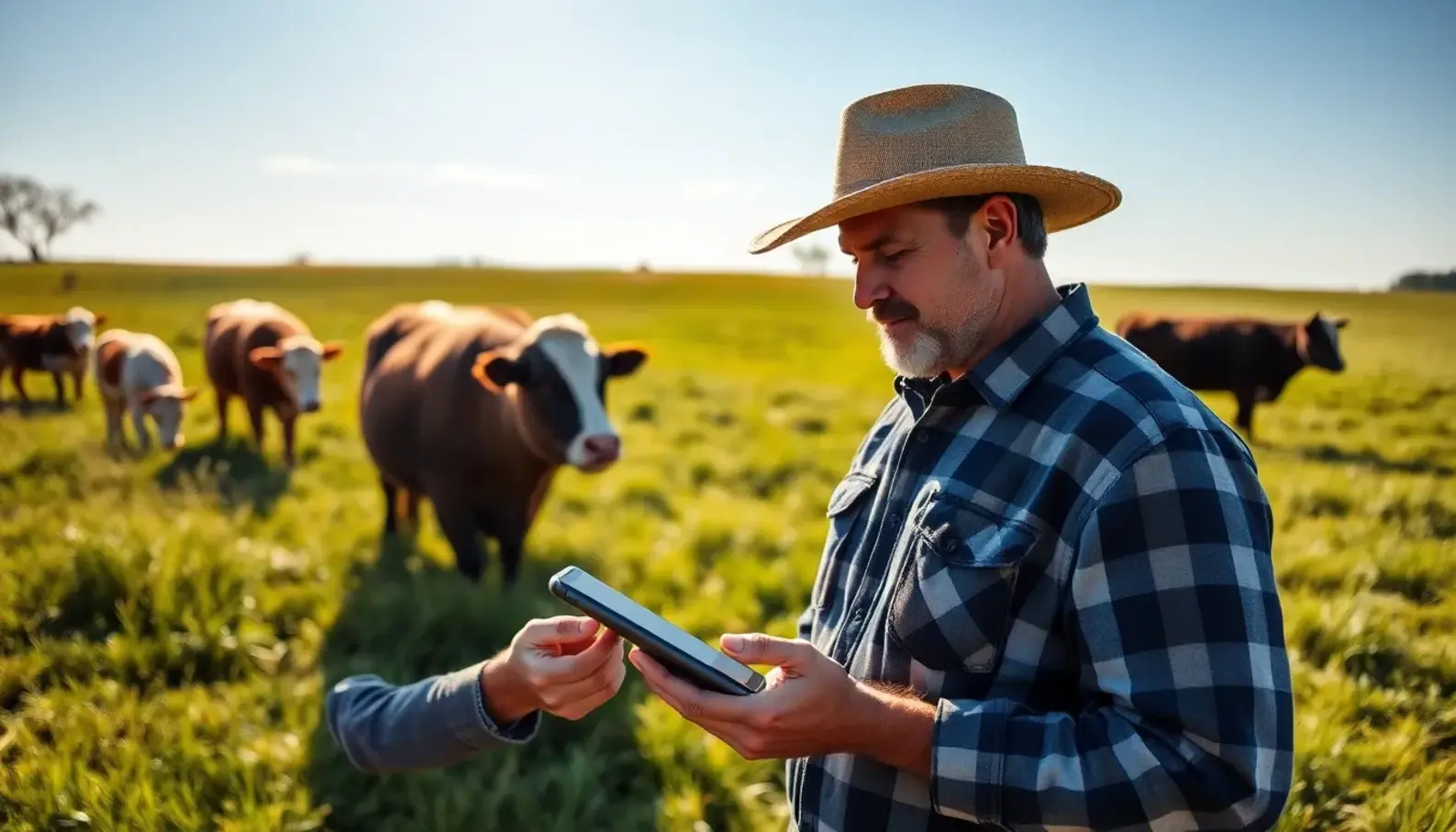
In the realm of agriculture, artificial intelligence (AI) is revolutionizing livestock management. By integrating AI technologies, farmers are transforming traditional practices into efficient, data-driven systems that enhance animal health and increase productivity.
AI provides powerful tools for monitoring animal health. Wearable devices fitted with sensors capture crucial health data around-the-clock. These devices collect information on vital signs, activity levels, and eating patterns, enabling real-time health monitoring. Farmers receive alerts to any anomalies, ensuring timely intervention and reducing the risk of disease outbreaks.
In a recent study, a dairy farm deployed advanced AI algorithms to analyze the data collected by these devices. The farm successfully identified early signs of mastitis in cows, enabling early treatment and significant reduction in lost milk production. This is just one example where AI has successfully ensured animal health and economic sustainability.
Optimizing feeding routines is another area where AI excels. By analyzing patterns in feeding data, AI systems can develop personalized feeding plans. These tailored plans ensure that livestock receive the optimal nutrition required for growth and production. For instance, rather than following a one-size-fits-all approach, farmers can accurately adjust feed quantities and compositions based on individual animal needs.
A case in point is a beef farm that implemented AI-driven feeding systems. The farm noticed a marked improvement in weight gain and meat quality. By assessing dietary impacts on growth rates, the farm optimized resource usage and minimized waste. This not only improved productivity but also resulted in environmental benefits due to reduced feed wastage.
AI is also enhancing breeding programs. Algorithms analyze genetic information and animal performance data. This allows farmers to select animals with traits that result in healthier, more productive offspring. Traits such as growth rate, milk yield, and disease resistance are meticulously assessed. The result is a more refined breeding strategy that amplifies desirable characteristics in future generations.
An exemplary use of AI in breeding can be seen in a livestock operation focusing on sheep. By integrating machine learning models, the farm achieved substantial improvements in wool quality and meat yield. The predictive capabilities of AI enabled the farm to make informed decisions about optimal breeding schedules, maximizing returns and improving flock quality.
The implementation of AI technologies in livestock management transforms farm operations. The emphasis shifts from reactive to proactive management, providing a significant advantage. Health issues can be prevented rather than treated, reducing veterinary costs and increasing overall herd health.
These AI-driven innovations also allow farmers to adapt quickly to changing conditions. With the emergence of new diseases or environmental challenges, AI provides the agility to modify management strategies efficiently. This adaptability is crucial for maintaining consistent productivity in an ever-evolving agricultural landscape.
An interesting dimension of AI in livestock management is its intersection with wearable technology, akin to health wearables in human healthcare. These devices are pivotal in providing continuous, precise data about the health and well-being of animals. For more information on wearable health technology, check this insightful resource.
In conclusion, AI is integral to modern livestock management, driving innovations that translate into healthier animals and more productive farms. By leveraging AI for health monitoring, feeding optimization, and breeding enhancement, the agricultural sector is poised to meet future challenges with increased resilience and productivity.
Final words
Implementing AI technologies in agriculture is not merely a trend but a necessity for future-ready farming. With precision agriculture and advanced livestock management, farmers can achieve unprecedented levels of efficiency and sustainability. Embracing these innovations will ensure that agriculture continues to thrive amid growing global challenges.
Subscribe for Farming AI Updates
Learn more: https://innoupdates.com
About us
Explore our Agricultural AI Tools and Services designed to enhance farming efficiency, productivity, and sustainability. From precision farming solutions to livestock health monitoring, we provide tailored AI applications to meet the diverse needs of modern agriculture.