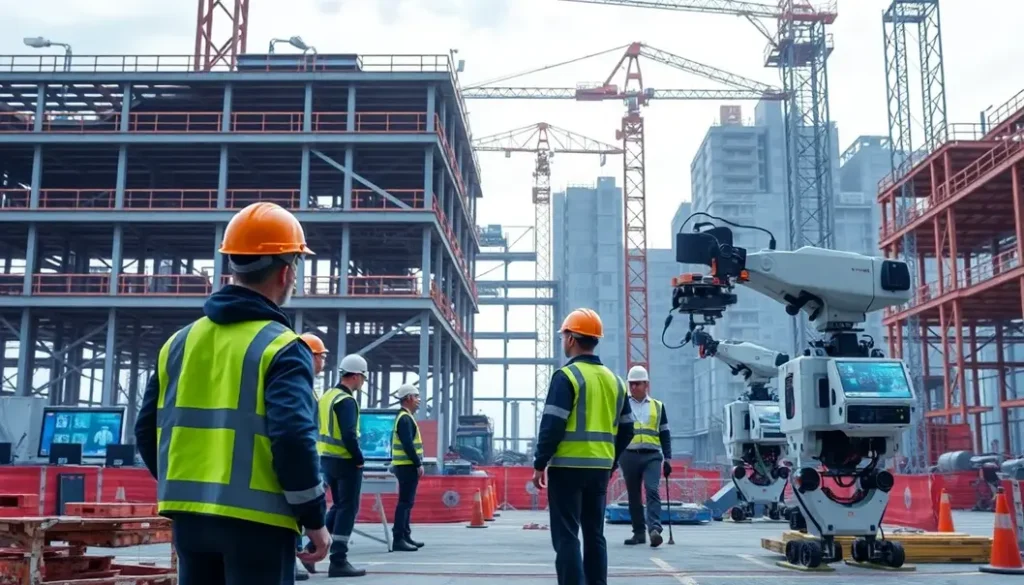
The construction industry is at a pivotal crossroads where advanced technologies are reshaping management practices. AI applications are emerging as essential tools for construction managers, promising to enhance project efficiency, improve safety, and reduce overall costs. By harnessing predictive analytics, machine learning, and automated robotics, construction managers can gain better insight into project workflows, optimize resource allocation, and make data-driven decisions. As we explore the potential of AI, it becomes clear that its implementation is not merely optional but vital for those looking to stay competitive.
The Role of AI in Enhancing Project Management
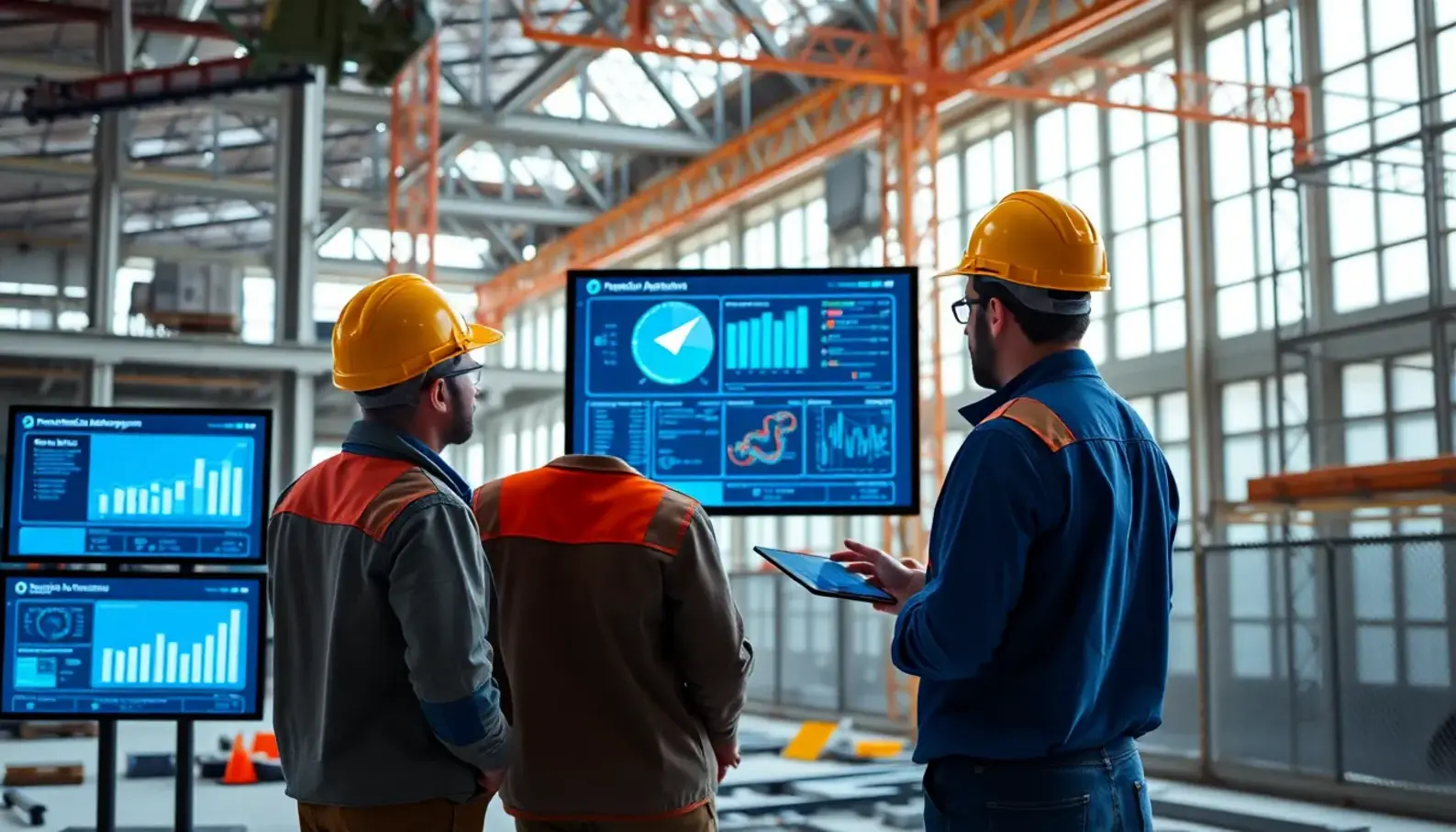
Artificial Intelligence is transforming project management in construction, significantly improving efficiency and accuracy. This transformation can be attributed to several AI applications that seamlessly integrate with construction management. These tools offer predictive analytics, automate reporting, and streamline communication, redefining how projects are planned and executed.
Predictive analytics, a core AI application, enhances project planning by analyzing historical and real-time data to forecast future outcomes. By leveraging vast datasets, AI models predict project timelines, budget overruns, and resource availability with increasing accuracy. Construction managers use these insights to mitigate risks and optimize planning.
For instance, AI systems scan past project data to identify patterns that may indicate potential delays. If certain weather conditions have historically led to delays, the AI can forecast similar issues for active projects. This predictive capability enables proactive decision-making, helping teams prepare and adjust schedules before issues arise.
Budget management also benefits from AI-driven predictive analytics. Analyzing financial data from previous and ongoing projects allows AI systems to identify cost trends and anomalies. Construction firms can then adjust budgets and allocation strategies, effectively managing costs and avoiding overruns. AI tools also assess market trends to predict material costs, offering crucial data for budget forecasting.
Beyond prediction, AI excels in automating tasks, notably in reporting. AI-powered systems generate reports with speed and precision, extracting and compiling data from various sources. This automation saves time and reduces human error, ensuring stakeholders receive timely and accurate project updates.
Automated reporting systems are particularly advantageous in large-scale projects where data is extensive and complex. AI systems can monitor progress and generate real-time updates on various parameters such as workforce productivity, equipment usage, and resource consumption. These reports become actionable insights, guiding managers in decision-making and maintaining transparency with clients.
Another transformative aspect of AI in construction project management is enhanced communication. AI tools facilitate seamless collaboration among teams by providing centralized communication platforms and predictive algorithms that prioritize and route messages based on urgency. These platforms integrate with existing project management software, consolidating communications in one accessible location.
Moreover, AI tools provide sentiment analysis, understanding tone and urgency in communications. This analysis helps prioritize messages and flag potential issues before they escalate. By automating and optimizing communication, teams improve collaboration, reducing misunderstandings and enhancing overall project efficiency.
An essential advantage of AI in communication is the management of large datasets. AI can facilitate datadriven decision-making by aggregating data from disparate sources and presenting it in a coherent format. In scenarios where construction sites span various geographical locations, AI tools ensure all teams have access to synchronized data, reducing the silos that often impede project progress.
AI technologies also aid in resource management, an intricate facet of construction projects. By analyzing patterns in labor availability and material usage, AI helps construction managers allocate resources strategically. AI models predict labor shortages, enabling proactive hiring or resource reallocation. Similarly, AI tools track material consumption patterns to avert supply shortages, optimizing stock management and procurement processes.
Forecasting resource needs with AI reduces downtime caused by resource bottlenecks. It allows seamless task progression as each stage of construction is adequately supplied with materials and workforce. For large projects, this efficiency can translate to significant cost savings and time conservation.
Furthermore, AI facilitates better quality control by integrating with Internet of Things (IoT) devices on construction sites. These devices collect real-time data on various factors like temperature, humidity, and equipment performance. AI then analyzes this data to detect anomalies and potential quality issues, alerting managers to take corrective action promptly.
AI’s role in quality control extends to safety monitoring. Incorporating AI-driven safety protocols, such as analyzing video feeds for hazardous occurrences, proactively enhances site safety. This technology flags potential safety violations, ensuring that compliance with safety standards is maintained continuously.
In conclusion, AI stands as a pivotal ally in elevating project management within the construction industry. By offering predictive insights, automating processes, and fostering robust communication, AI ensures that projects are managed efficiently and effectively. The continued advancement and integration of AI technologies promise an even greater transformative impact, ushering in a new era of construction management excellence.
For a broader context on the impact of AI across different sectors, explore insights on AI in business growth and understand how these advancements drive innovation.
Safety and Quality Assurance through AI Innovations
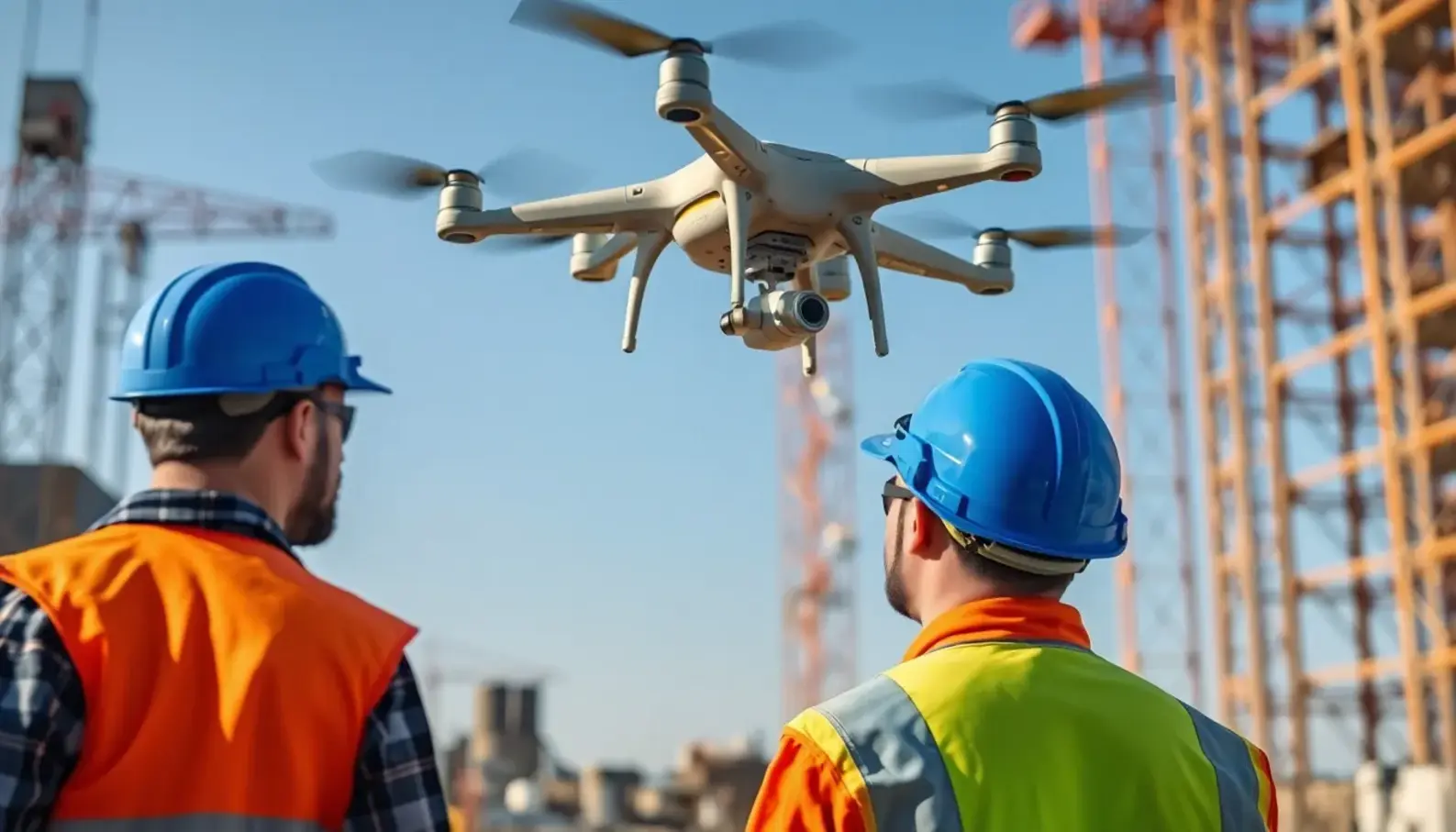
AI has become a cornerstone for advancing safety and quality assurance in construction management. The industry’s traditional approaches were often reactive, handling issues as they arose; however, AI’s predictive capabilities redefine how safety measures and quality protocols are implemented.
AI-enabled monitoring systems are transformative tools for construction sites. These systems use sensors and cameras to gather vast amounts of data, which is then analyzed in real-time. This process ensures that any deviation from safety standards or quality benchmarks is immediately flagged. Such systems allow for proactive management of construction environments, minimizing accidents and delays.
Drones play a crucial role in enhancing site surveillance. Equipped with high-resolution cameras and sensors, drones can access hard-to-reach areas, providing detailed overviews of construction sites. They gather essential data quickly, which is crucial for maintaining both safety and quality. Drones eliminate the need for human inspectors to enter potentially hazardous areas, significantly reducing the risk of accidents while ensuring thorough inspections.
In addition to real-time inspections, drones can map sites with precision, identifying potential risk factors long before they pose a threat. Their surveillance capabilities also extend to ensuring that materials and structures conform to project specifications by providing accurate measurements. This ensures that quality assurance starts from the ground up, integrating seamlessly with AI systems to maintain high standards consistently.
Machine learning algorithms further enhance safety by analyzing historical and real-time data to predict potential hazards. These algorithms identify patterns associated with past incidents, using them to forecast future risks. This predictive analysis enables construction managers to implement preventative measures tailored to specific site dynamics, optimizing resource allocation for safety equipment and personnel.
For example, machine learning models can predict weather-related disruptions, allowing projects to adjust schedules to avoid unnecessary downtime or increased accident risk. They can also analyze worker behavior data, identifying practices that could lead to future incidents. By addressing these behaviors proactively, managers can cultivate a culture of safety that permeates the entire workforce.
These AI-powered tools not only enhance safety but also elevate construction quality. AI systems can inspect and verify the integrity of structures more accurately and quickly than manual methods. Machine learning models assess the quality of materials, ensuring consistency and compliance with the highest construction standards.
Furthermore, AI-driven quality assurance protocols identify flaws in design or construction processes early. By automating the detection of discrepancies between design plans and actual construction, these systems ensure that the final product meets all specified criteria, thus reducing costly rework.
The integration of AI in construction management emphasizes a shift towards a data-driven approach. As more construction firms adopt these technologies, the wealth of data collected will foster a cycle of continuous improvement. Each project generates insights that refine AI models, making them more effective at ensuring safety and quality in successive projects.
For those interested in the broader implications of AI in various industries, one can explore resources such as AI in business growth to understand how similar innovations drive efficiency across sectors.
Embracing AI innovations in safety and quality assurance not only protects workers and raises standards but also reinforces the industry’s commitment to innovation. The construction sector’s evolution, supported by these advanced technologies, points to a future where efficiency and efficacy become hallmarks of construction practices worldwide.
Final words
AI is cementing its presence within the construction industry, providing managers with unprecedented capabilities to optimize operations and ensure project success. As these technologies evolve, embracing AI becomes not just a progression but a necessity for remaining relevant in a highly competitive market.
Download Our Construction AI Guide
Learn more: https://innoupdates.com
About us
AI Solutions for Construction focuses on providing cutting-edge AI applications tailored specifically for the construction industry, aiming to enhance project management efficiency, improve safety, and ensure quality, driving overall productivity to new heights.