The integration of Artificial Intelligence (AI) into supply chain management is rapidly reshaping the industry landscape. By providing data-driven insights and optimizing processes, AI is enabling organizations to improve efficiency, reduce costs, and enhance decision-making capabilities. As supply chain managers grapple with the growing complexity of market demands, harnessing AI tools offers a pathway to more resilient and agile supply chains. This article delves into the various applications of AI in supply chain management and how these technologies are redefining operational excellence.
Optimizing Supply Chains with AI: Key Applications
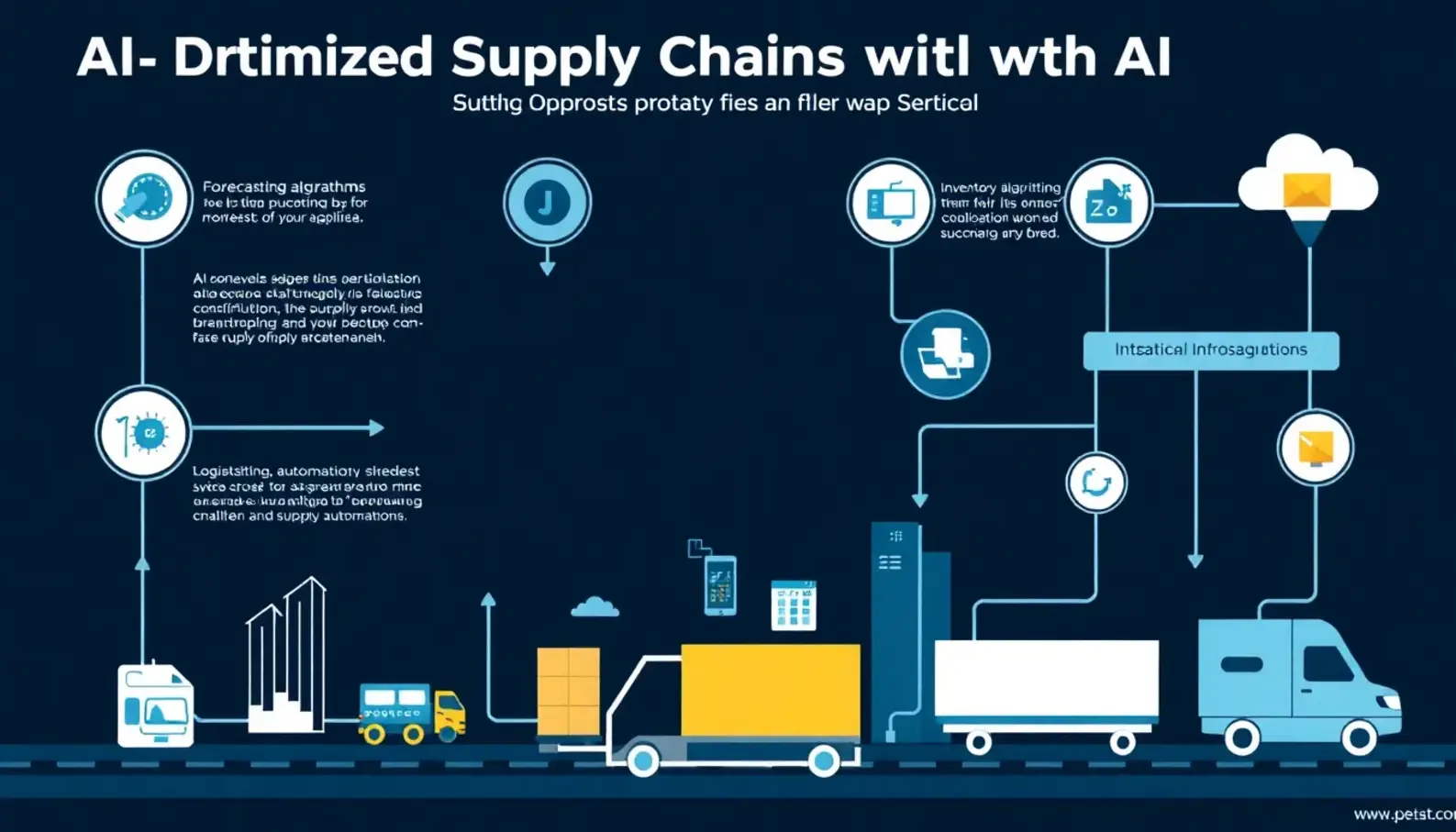
Artificial intelligence is playing a transformative role in supply chain management by enabling smarter, more agile operations. Supply chain managers today can leverage AI to optimize several critical aspects, including demand forecasting, inventory management, and logistics. By understanding and applying machine learning algorithms alongside AI-driven analytics and automation tools, organizations can achieve remarkable efficiency gains and cost reductions.
Demand forecasting is one area where AI proves invaluable. Traditional forecasting methods often rely on historical sales data and are thus subject to the inherent limitations of these data sets. In contrast, AI algorithms can analyze vast amounts of structured and unstructured data, including market trends, economic indicators, and social media sentiment. By processing this information in real-time, AI models can predict demand with greater accuracy, allowing businesses to align production schedules and inventory levels more closely with actual market needs, thus minimizing costly overproduction and stockouts.
Inventory management is also revolutionized by AI technology. Machine learning algorithms can monitor inventory levels in real-time, adjusting them proactively based on predictive analytics. This anticipatory approach helps mitigate risks associated with both excessive inventory holding and unexpected shortages. AI systems can optimize reorder points and quantities by considering variables such as lead times, fluctuations in customer demand, and even transportation delays. Managers benefit from reduced holding costs and improved cash flow as excess stock is trimmed and resources are allocated more effectively.
Moreover, logistics operations gain significant advantages from AI applications. Route optimization algorithms can process dynamic variables like traffic patterns, weather conditions, and fuel costs. This capability ensures that transportation routes are not just cost-efficient but also adaptable to sudden changes in the environment. AI-powered platforms facilitate real-time tracking of goods, reducing uncertainties and enhancing the transparency of the supply chain. This real-time visibility is crucial in maintaining an efficient logistics process, as it allows immediate corrective action when potential disruptions are detected.
AI-driven analytics extend further by providing actionable insights that help supply chain managers make informed decisions. Advanced data analytics can reveal inefficiencies and bottlenecks that might not be apparent through traditional analysis methods. For instance, they might identify a supplier consistently causing delays, prompting a re-evaluation of the supplier relationship or negotiation of better terms. Such strategic adjustments, informed by AI insights, contribute to a more resilient and responsive supply chain.
Incorporating automation tools powered by AI can also yield substantial benefits. Automation in routine tasks, such as order processing and shipment scheduling, reduces the need for manual intervention, increasing both speed and accuracy. Workflow automation powered by AI can allocate resources optimally based on predictive demand patterns, ensuring the supply chain operates smoothly without unnecessary human intervention. This not only reduces errors and delays but also frees human resources to focus on more strategic tasks.
As AI continues to develop, its capabilities will broaden, potentially integrating with other cutting-edge technologies like quantum computing and autonomous systems. For example, the use of autonomous drones in logistics, discussed at this blog post, presents a glimpse into the near future where AI-driven aerial systems may handle last-mile delivery efficiently, particularly in urban settings.
In conclusion, AI’s integration into supply chain management brings new dimensions of efficiency and adaptability. By harnessing AI’s capacity for enhanced forecasting, precise inventory management, and optimized logistics operations, companies can achieve significant operational benefits. The implementation of AI requires thoughtful planning and a willingness to invest in data competence and technological infrastructure. However, those who successfully integrate AI into their supply chains will likely find themselves ahead of the competition in an increasingly demanding market landscape.
Data-Driven Decision Making for Supply Chain Managers
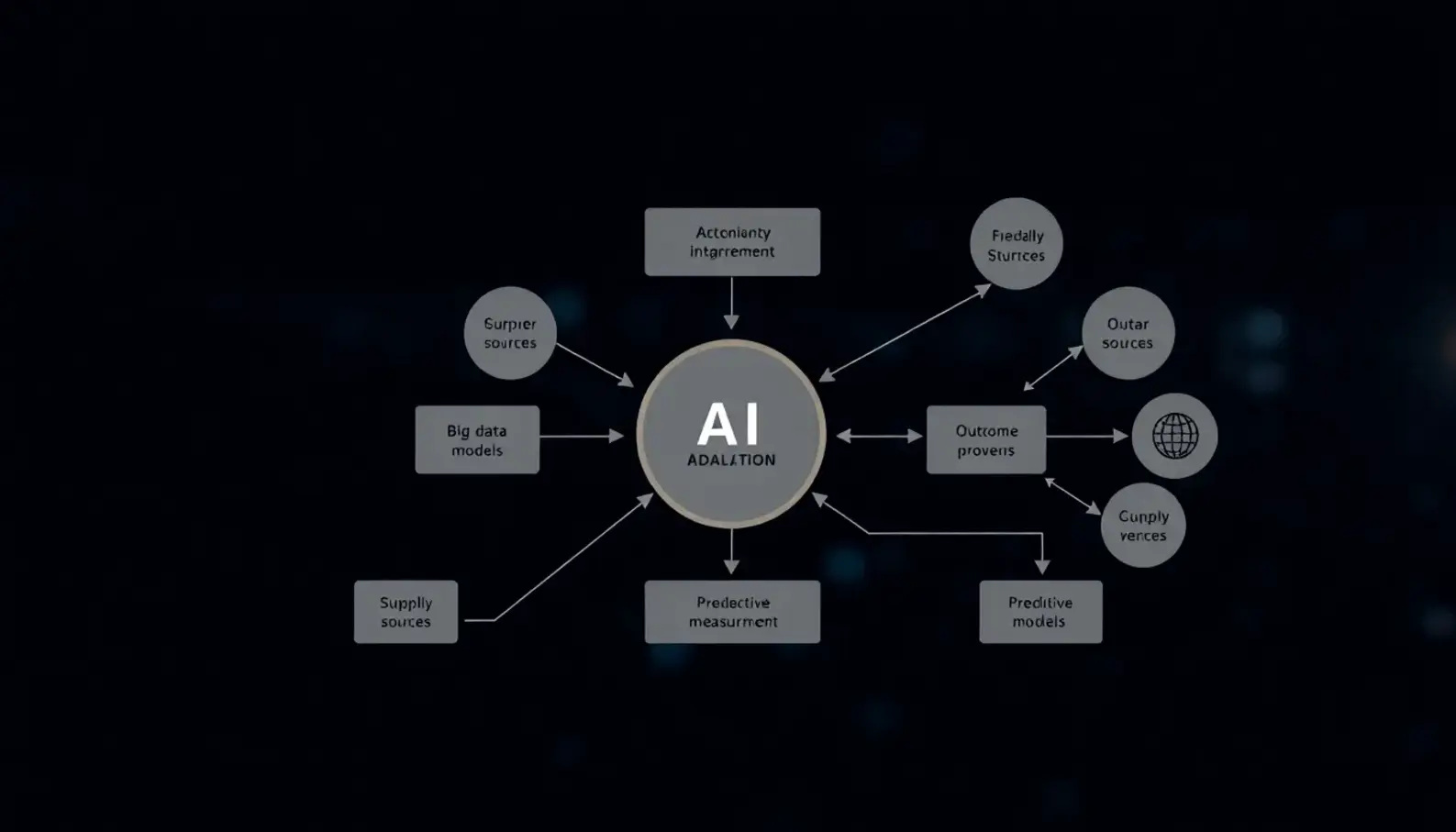
The ability to harness and interpret vast amounts of data is an indispensable asset for supply chain managers. The age of digital technology revolutionizes operations by infusing intelligence at every level. Managers who leverage artificial intelligence in data analytics can make informed decisions that not only optimize efficiency but also adapt to unexpected challenges.
Harnessing Big Data
Big data describes massive volumes of information that grow exponentially, especially critical in supply chains. These data sets come from numerous sources, including transactional records, sensors on manufacturing equipment, and even real-time social media trends. When analyzed effectively, big data can uncover patterns and insights, allowing managers to optimize inventory levels, streamline logistics, and forecast demand with impressive accuracy.
AI enhances the capability of big data by categorizing, processing, and analyzing it far beyond human capabilities. Algorithms sift through complex data sets to identify trends and anomalies. This can lead to more precise demand forecasting, reducing both overstock and stockouts. AI also enables real-time adjustment of supply chain parameters, ensuring responses to shifting demands are swift and efficient.
Predictive Analytics for Strategic Planning
Predictive analytics uses historical data combined with AI to forecast future outcomes. This is invaluable for supply chain managers aiming to anticipate market shifts, supply disruptions, or potential bottlenecks. AI models, trained on historical data, can predict potential delays or identify inefficient processes, offering recommendations for alternative strategies or proactive adjustments.
For example, when applied to transportation logistics, predictive analytics can forecast weather disruptions, allowing managers to reroute shipments in advance. Such foresight minimizes delays and maintains service levels, ultimately boosting customer satisfaction and lowering costs.
Real-Time Monitoring and Adjustment
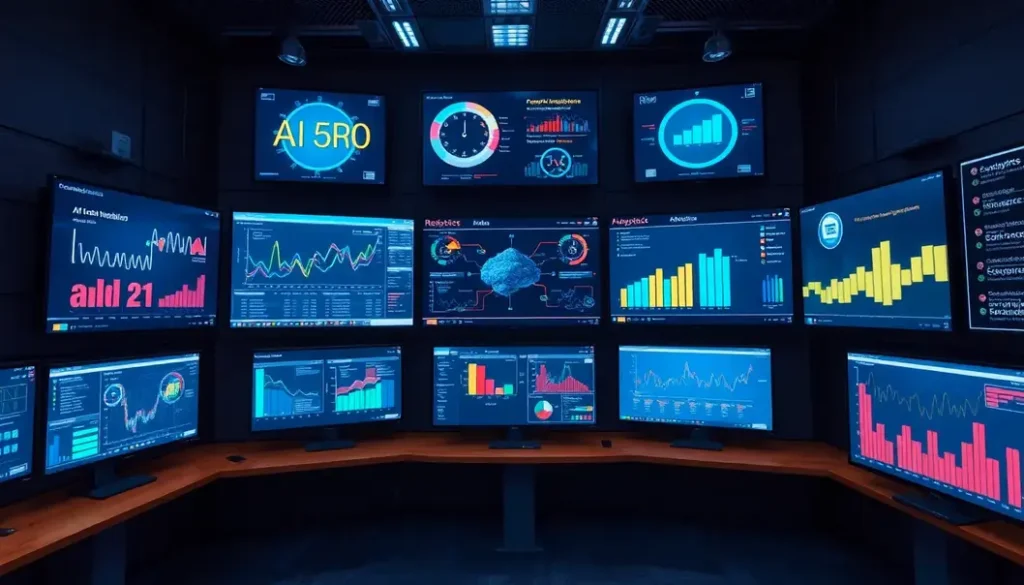
AI-powered real-time monitoring allows supply chain managers to access live data dashboards that showcase current performance metrics. This feature enables managers to keep a constant eye on key factors such as inventory levels, delivery status, and production throughput.
This capability often ties into IoT technologies, with sensors providing continuous updates from production floors or warehouses. As a result, the supply chain operates with increased transparency. Real-time data facilitates immediate responses to emerging issues, mitigating risks associated with equipment failures or fluctuating demand.
An example of real-time monitoring’s value is its ability to automatically adjust reorder points and safety stock levels. By constantly evaluating demand patterns and supplier lead times, AI can autonomously modify stock parameters. This dynamic management reduces carrying costs and guarantees stock availability, significantly improving service levels.
Case Study: Transformative Impact of Data-Driven Strategies
Consider a manufacturing company aiming to streamline its operations. By integrating an AI-driven data analytics system, the company achieved a seamless flow of information across its supply chain. With comprehensive data insights, managers identified underperforming suppliers and optimized procurement strategies. Real-time tracking tools enabled them to minimize delivery times and costs.
The effects were profound: inventory errors decreased by 40%, and logistics costs were cut by 25%. Predictive analytics also allowed the company to accurately forecast product demand six months ahead, ensuring optimal production levels.
Such transformative achievements underscore the critical role of data-driven decision-making in modern supply chains. Diving deeper, these strategies align with broader business growth tactics, as discussed in the blog article AI in Business Growth.
Leveraging AI for Risk Management
Beyond operational efficiency, AI helps in risk management by detecting and mitigating potential disruptions. Machine learning models can simulate various scenarios, identifying weaknesses and providing solutions for potential problems. This proactive approach reduces exposure to risk, ensuring a resilient supply chain.
Supply chain managers can employ AI to track supplier performance and geopolitical factors affecting supply chains. This continuous risk evaluation supports strategic decisions, such as diversifying suppliers or modifying logistics networks, ensuring steadier operations.
Conclusion
AI-driven data analytics is not just a tool; it’s a vital component of supply chain management. By leveraging big data, predictive analytics, and real-time monitoring, supply chain managers can navigate challenges with precision and confidence. As case studies reveal, these innovations are more than technological quirk—they are transformative forces that redefine modern supply chains.
Final words
The advent of AI in supply chain management is ushering in a new era of efficiency and resilience. By embracing AI-driven solutions, supply chain managers can navigate complexities, reduce operational costs, and improve overall performance. Staying ahead of the curve means continuously exploring these technologies and implementing data-driven strategies to enhance decision-making capabilities.
Optimize Your Supply Chain with Our AI
Learn more: https://innoupdates.com
About us
Supply Chain AI Management Solutions