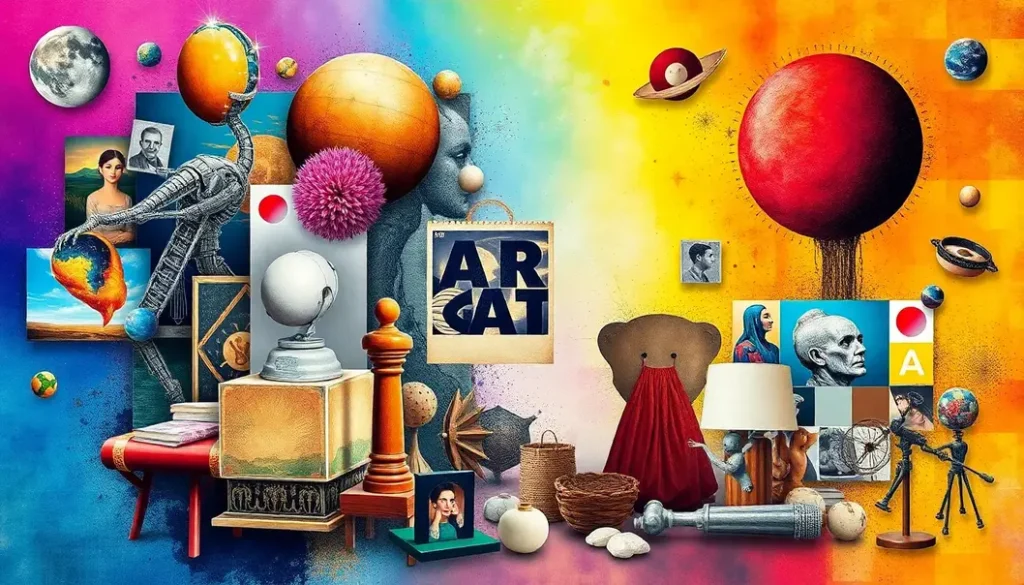
AI is reshaping how artists and designers conceive and create their works. With tools that enhance creativity, redefine processes, and challenge perceptions, the integration of AI into art and design invites a new era of inspiration. This dynamic interaction not only redefines the boundaries of artistic expression but also empowers creators to explore uncharted territories of their craft. As we delve deeper into this synergy between technology and creativity, the implications for the future of art and design become beautifully perplexing, offering a spectrum of opportunities that await the visionary minds willing to embrace them.
The Evolution of Creativity: AI as the Muse
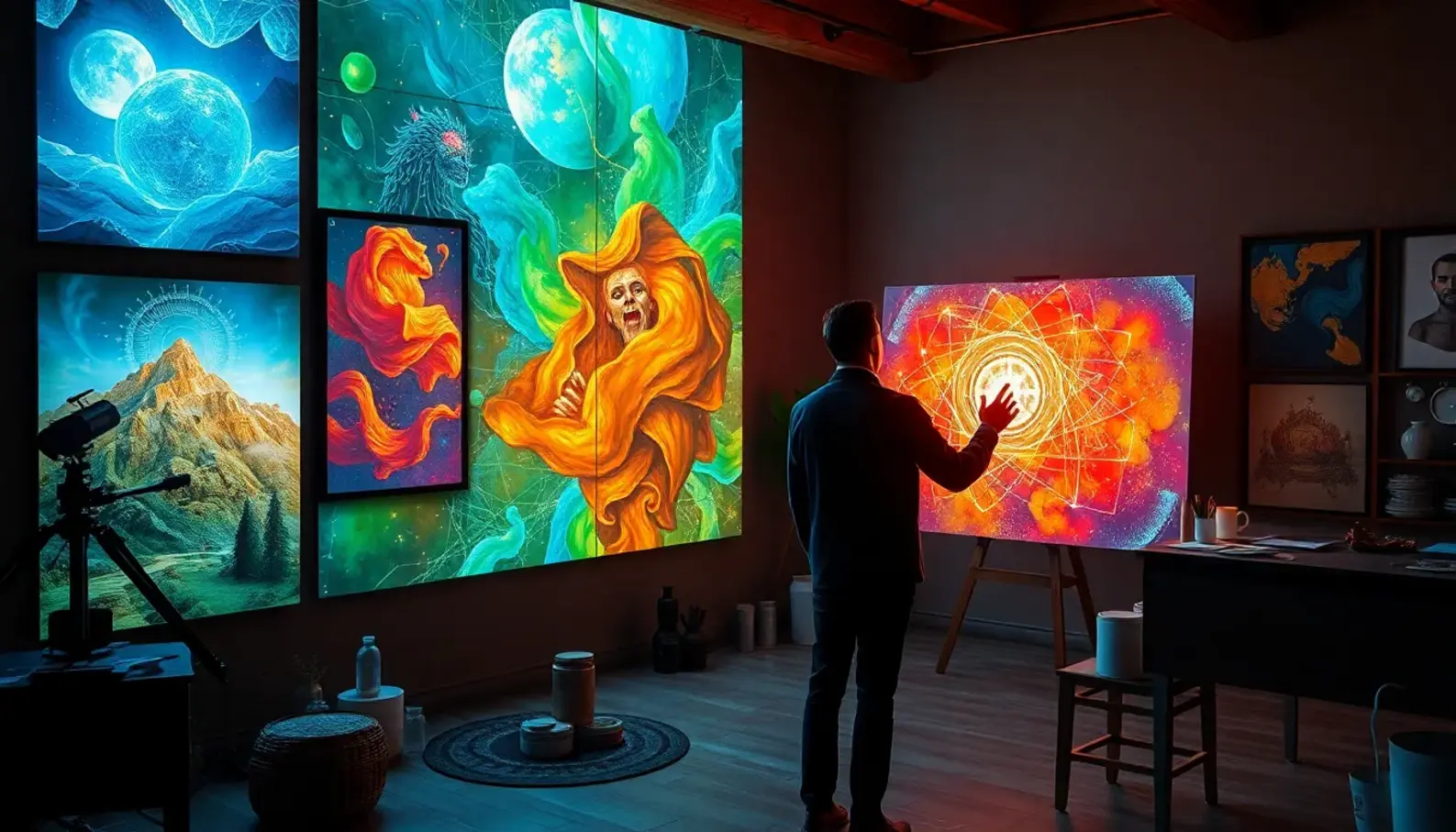
In the ever-evolving landscape of art and design, AI emerges both as a formidable tool and an inspiring collaborator. The notion of creativity has transcended its traditional boundaries, encompassing a vast array of digital and algorithmic processes that redefine what it means to create. AI art generation is not simply a novelty; it represents a paradigm shift in how art is conceived, produced, and perceived.
For artists and designers, AI serves as a powerful extension of their imagination. It is not a surrogate for human creativity but enhances it by opening up avenues that were previously inaccessible or unimaginable. Algorithms like neural networks learn from vast arrays of data, generating new patterns, styles, and interpretations that challenge conventional aesthetics. This transformative potential is realized through various innovative projects and platforms.
One profound illustration of AI elevating creativity is the development of generative adversarial networks. These complex systems create art that mimics human ingenuity by pitting two networks against each other to refine outputs continuously. The interplay between AI’s analytical prowess and human intuition creates a new form of visual grammar that is both unpredictable and spellbinding.
Projects that integrate AI into art creation demonstrate the collaborative dynamics at play. Artists leverage AI to experiment with form, color, and composition without the constraints typically associated with traditional methods. This leads to a democratization of creativity, where the barriers of entry recede, inviting a broader participation in the art-making process.
One groundbreaking example is the journey of AI in digital art can be seen in a tool that, with its neural networks inspired by human imagination, crafts visuals from textual descriptions. This illustrates a dialogue between human inputs and machine outputs, blending structured cues with the fluidity of artificial imagination to achieve unprecedented artistic results.
In tandem with machines, artists embark on explorations that dare to defy norms and push beyond the known. This partnership births creations that reflect both precise technological skills and the unpredictable nature of human creativity. A compelling showcase of such collaborations can be seen in projects that amalgamate fractal complexity with human emotion, weaving into existence artworks that resonate deeply with audiences.
The computational power that AI brings into art acts as an accelerator, allowing artists to iterate at unprecedented speeds. Rapid prototyping of ideas becomes feasible, leading to a vibrant atmosphere of innovation. Artists not only save time but also dive deeper into their exploratory processes, uncovering insights that further inform their work.
The symbiotic relationship between AI and artists also extends to the marketing and distribution of art. AI’s capabilities in audience analytics enable a more personalized approach to reaching art enthusiasts, tailoring experiences that resonate with specific tastes. This integration of AI into marketing does not only enhance exposure but also enriches audience engagement.
Amidst these technological advancements, ethical considerations emerge that artists must navigate with care. Balancing the creative autonomy of AI with human agency remains crucial. Art, after all, is an expression of our inner world, and its authenticity should not be compromised by algorithmic efficiency.
Art critics and enthusiasts often question the originality of AI-generated art. However, many projects illustrate how AI can serve as a conduit for human creativity rather than a replacement. Artworks produced through AI-human collaborations display unique styles that neither could have achieved independently, underscoring the value of this symbiotic relationship.
The fusion of AI with art and design invites discussions on the nature of creativity itself. Does an algorithm hold creativity, or is it the symbiosis of human intent and machine precision that propels art to new heights? This philosophical inquiry forms the backdrop against which many artists work today, continuously redefining what it means to innovate.
In this nuanced ecosystem, the role of AI as a muse is evident. Artists tap into machine learning tools to uncover new perspectives and challenge preconceived notions of art and design. It is an era where creativity assumes myriad forms, transforming not only the end product but the entire creative journey.
In conclusion, through projects, collaborations, and individual artistry, AI asserts itself as an instrumental force in the art world. It beckons artists to expand their horizons and embrace the unknown, guiding them toward uncharted territories where artistic expression blooms in harmoniously unison with technological prowess.
Potential readers interested in the broader implications of AI in diverse industries might explore insights on how generative AI is ethically transforming fields beyond art. Through this intersection, the evolution of creativity stands as a testament to the limitless potential awaiting those willing to partner with machines in their quests for artistic discovery.
Pushing Boundaries: AI’s Impact on Design Thinking
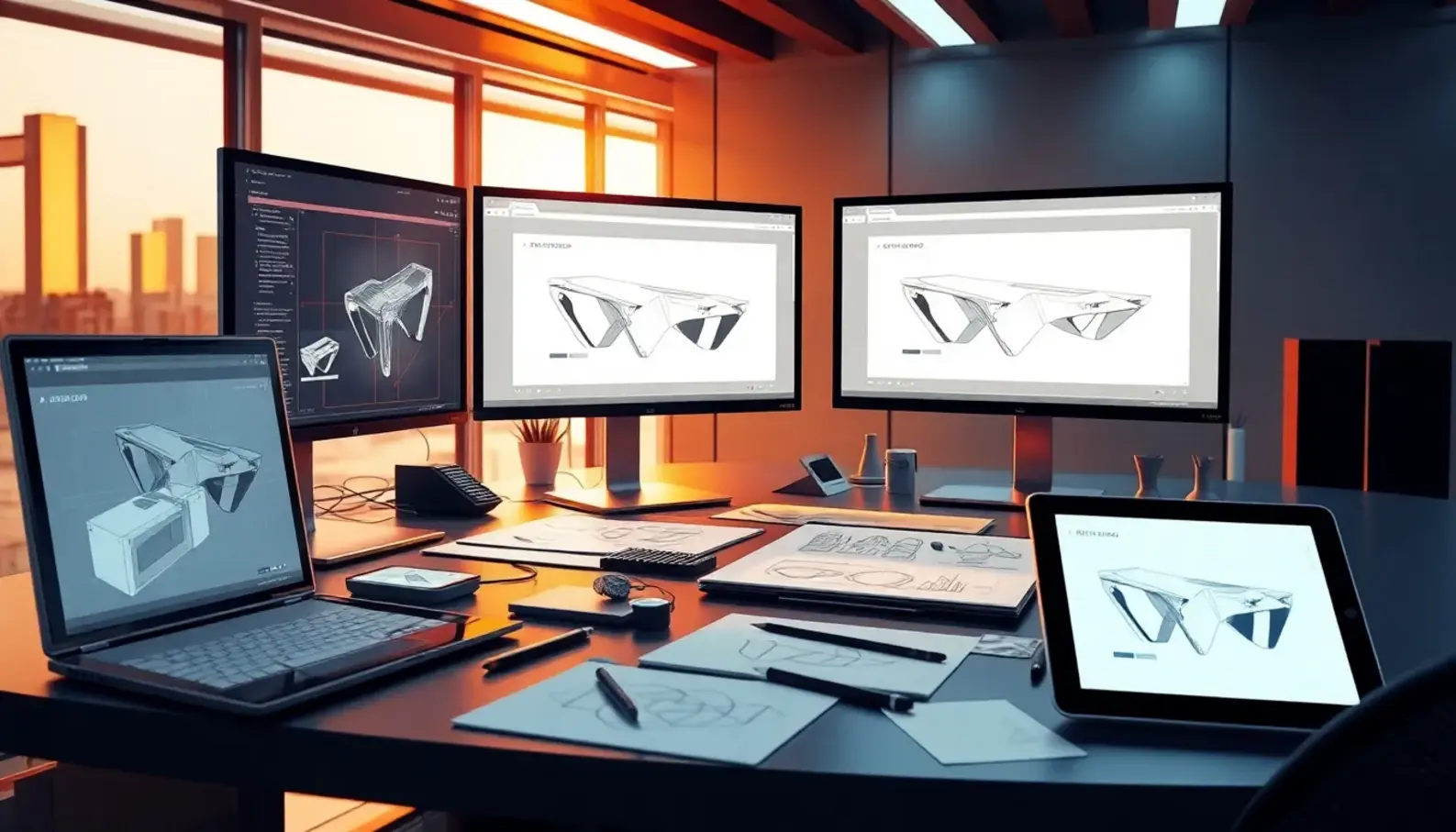
Artificial Intelligence (AI) has profoundly transformed the landscape of design thinking and creative processes. By plunging into oceans of data and deriving meaningful insights, AI reshapes the way designers approach their craft. No longer confined to traditional linear methods, design thinkers can now adapt a more fluid, interconnected approach facilitated by AI’s powerful analytical tools.
One of the most striking contributions of AI to design is its unparalleled capacity to analyze vast datasets. By processing massive amounts of information, AI algorithms identify patterns and correlations that might elude human cognition. This ability is particularly beneficial during the initial stages of design thinking, where understanding the problem space is crucial. AI can sift through user data to uncover latent needs and desires, providing designers with a comprehensive understanding of their audience.
This data-driven insight extends into rapid prototyping, allowing designers to iterate quickly and effectively. AI tools generate numerous design variations in a fraction of the time it would take a human team. This rapid iteration process enables designers to explore a wide range of possibilities, thereby fostering creativity and innovation. Moreover, AI-driven prototyping tools can simulate real-world usage scenarios, providing immediate feedback on potential design flaws and user experience issues.
The integration of AI into user experience (UX) and user interface (UI) design is another area where AI is making a significant impact. AI algorithms analyze user behaviors and preferences to create personalized experiences. For example, adaptive interfaces can change in real time to suit individual user needs, thereby enhancing user satisfaction and engagement. This level of personalization was previously unattainable at scale but is now becoming commonplace as AI continues to advance.
Streamlining workflows is another advantage brought by AI in the design process. Automated systems handle repetitive tasks, allowing designers to focus on more strategic and creative aspects of their work. Machine learning models can optimize the layout of a digital interface by predicting optimal user paths and identifying elements that enhance usability and accessibility. With AI handling these tasks, designers can dedicate more time to refining the aesthetic and emotional aspects of a project.
A case study that exemplifies successful integration of AI in design is that of a global fashion brand. The brand utilized AI to analyze fashion trends and consumer preferences over several years. Through AI-generated insights, the brand was able to anticipate market shifts and create collections that resonated with consumers on a personal level. The blend of AI’s analytical prowess with the designers’ creative vision resulted in highly successful product launches.
Furthermore, an innovative tech company harnessed AI to develop a smart home device with a user-friendly interface. By leveraging AI, the company created an interface that learns and adapts to its owners’ preferences, seamlessly integrating into their daily routines. This approach not only enhanced the user experience but also established a deep sense of connection between the user and the product.
Balancing AI integration with human creativity remains a pivotal aspect of design. As AI takes on more analytical and procedural roles, designers are increasingly focused on the conceptual and expressive dimensions of their work. Human intuition and emotional intelligence remain irreplaceable components of design, ensuring that products resonate at a personal and societal level. The synergy between AI and human creativity can generate designs that are not only functional but also deeply impactful.
The melding of AI and creativity is not without its debates. Ethical considerations around data privacy and the autonomy of creative processes are ongoing concerns. Designers must navigate these challenges carefully, ensuring that AI complements rather than overshadows human ingenuity.
For further exploration of AI’s role in reshaping industries, consider insights from AI marketing strategies, which delve into how AI is transforming marketing paradigms by offering targeted engagement solutions.
As AI continues to evolve, the design landscape will undoubtedly witness more groundbreaking developments. The challenge for designers will be to harness AI’s capabilities while nurturing the human touch that remains at the heart of inspired design.
Final words
The journey of AI in art and design heralds an exciting new era of creativity and innovation. As artists and designers continue to explore the unique potential of AI, they not only enhance their workflows but also redefine the very essence of creativity itself. Embracing this partnership opens up infinite possibilities, allowing a new generation of creators to express themselves in unprecedented ways, where imagination meets intelligent technology.
Explore the Future of Art with AI
Learn more: innoupdates.com
About us
Art and Design AI Tools and Innovation: Embrace intelligent technology tailored for artists and designers. Harness AI’s potential to elevate your creative outputs, streamline your design processes, and unlock novel avenues in your artistic journey.