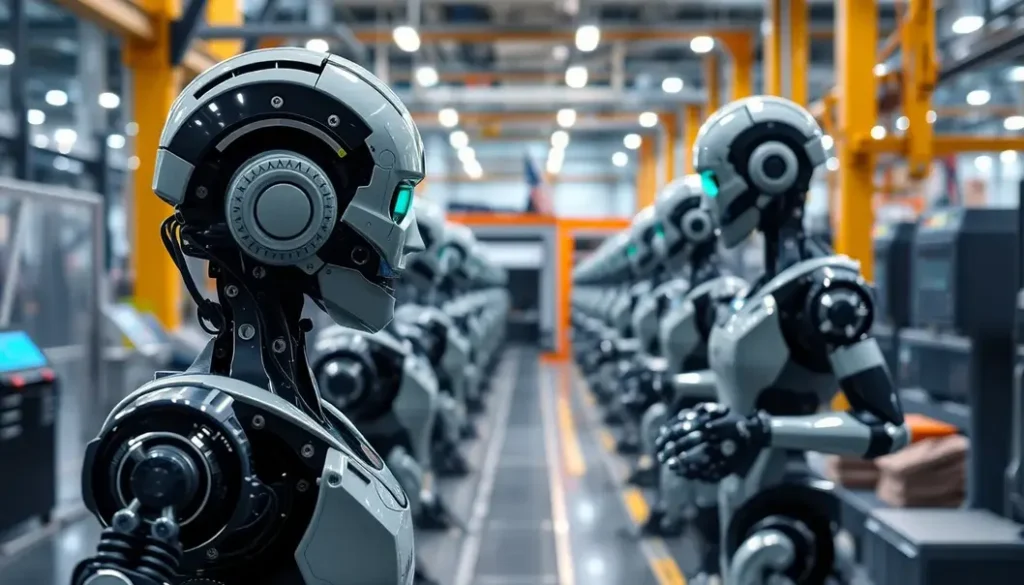
With the advent of artificial intelligence, the realm of autonomous robots has transcended traditional manufacturing paradigms. Robotics manufacturers and automation experts are witnessing a paradigm shift where intelligent machines are not only capable of performing tasks but can also learn, adapt, and optimize processes autonomously. This evolution brings forth new challenges and opportunities for engineering and design, compelling professionals to re-imagine their approach to automation solutions. Understanding the unique interplay between AI and robotics is crucial for industry stakeholders to harness the full potential of this dynamic technology, paving the way for smarter, more efficient production environments.
Understanding the Landscape of AI and Robotics
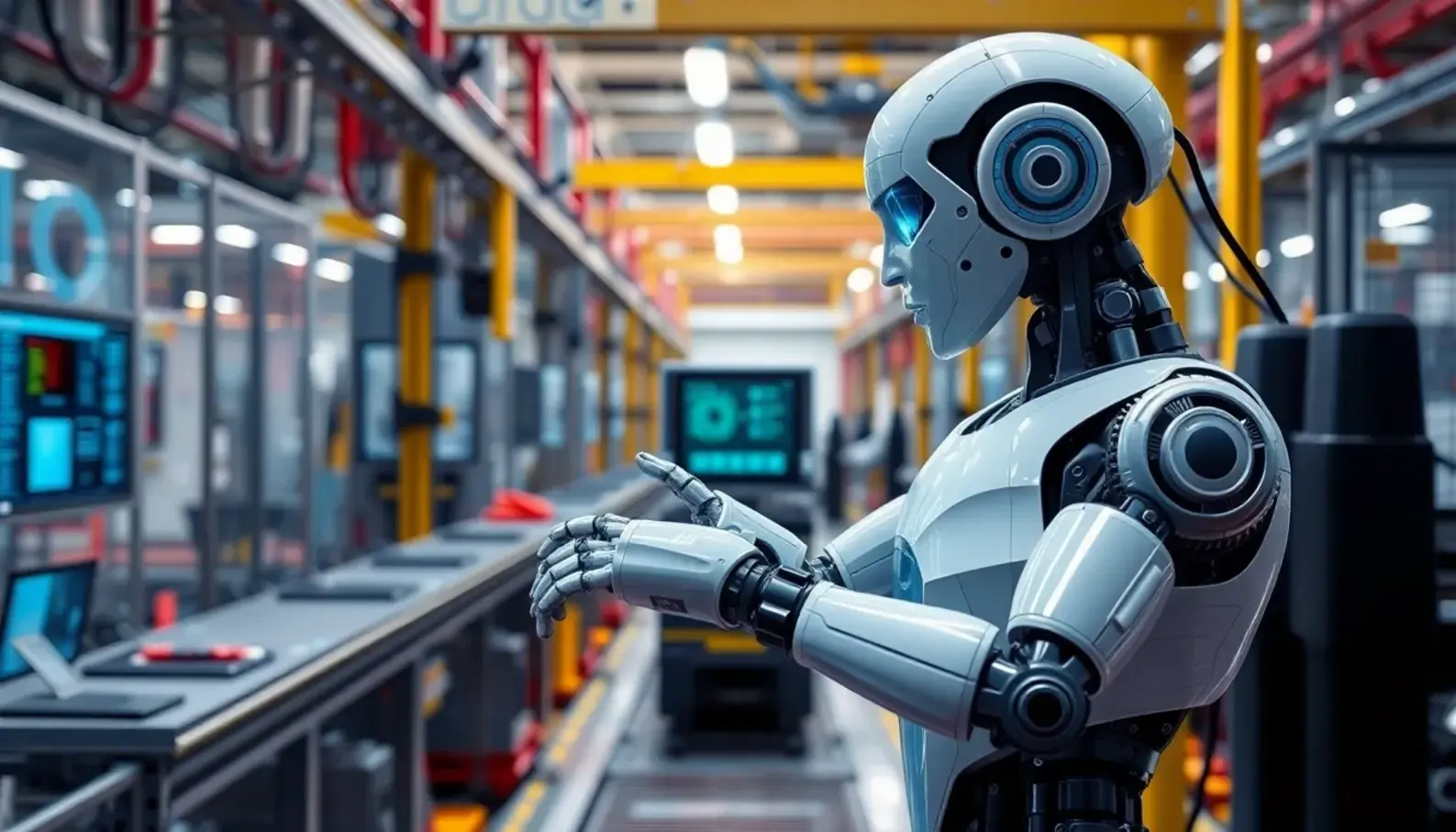
As the boundaries of technology continue to expand, the integration of artificial intelligence in autonomous robots is transforming manufacturing. This integration is reshaping industries by enhancing performance and efficiency. The landscape of AI in robotics is vast, driven by sophisticated algorithms and increasing computational power.
AI in Navigation
One critical area of AI’s impact is navigation. Modern autonomous robots are equipped with AI algorithms that allow them to traverse complex environments with ease. These algorithms process vast amounts of sensor data to map surroundings and identify optimal paths. The use of deep learning models enables robots to learn from previous navigational tasks, improving their ability to handle obstacles. Industries such as logistics and warehousing benefit immensely from these capabilities, allowing machines to automate tasks previously requiring human intervention.
For instance, robotics deployed in warehouses use AI for path planning and obstacle avoidance. This results in faster operations and reduced error rates in inventory management. The capabilities of AI-enhanced navigation have also paved the way for mobile robots in services like delivery. They move not just in static environments but dynamic ones, adapting to changes instantaneously.
Enhancement Through Object Recognition
The power of AI in object recognition is another dimension revolutionizing robotics. Algorithms now enable machines to identify and categorize items with high accuracy. These capabilities are crucial for quality control in manufacturing and retrieving stored items in warehouses. By employing convolutional neural networks (CNNs), robots achieve near-human-level recognition abilities.
For example, in the automotive industry, robotic arms equipped with AI can identify and sort parts on assembly lines, ensuring precision and speed. This reduces human error and accelerates production timelines. Manufacturing companies have seen substantial benefits from such implementations, cutting costs while boosting output.
Decision-Making Processes
The decision-making prowess of AI is redefining how robots function autonomously. Rule-based systems have evolved into machine learning models capable of making complex decisions. AI systems simulate human cognitive processes, considering multiple variables and outcomes. These advanced decision-making abilities allow for superior resource management and operational strategies.
Real-world examples include AI-driven robotic systems in healthcare, performing intricate surgeries. The decision algorithms not only enhance precision but also adapt to real-time changes in patient vitals. Such applications underscore the potential transformations AI can bring to sensitive and critical fields.
Case Studies Illustrating AI Success in Robotics
Several industries serve as benchmarks for AI’s successes. In agriculture, robots equipped with AI capabilities are deployed for crop monitoring, pest control, and harvesting. AI models analyze plant health and optimize harvesting schedules, leading to increased yield and sustainability.
In the automotive sector, robots help in precision welding and parts inspection. AI algorithms assess quality in real time, identifying defects and minimizing waste. This integration of AI reduces production times and increases product consistency, having a direct impact on profitability and competitiveness.
Additionally, in retail environments, AI-powered robots manage inventory, evolve customer service, and streamline logistical challenges. These robots perform stock-checking, reducing labor requirements and increasing speed and accuracy in restocking processes.
Hardware and AI Software: A Symbiotic Relationship
The advancement of AI in robotics is deeply intertwined with hardware advancements. Robotics manufacturers are developing more sophisticated sensors, processors, and communication modules, creating a robust backbone for AI integration. Conversely, AI algorithms are optimized to run on these evolving platforms, enhancing their efficiency and capability.
The rapid developments in neuromorphic computing, for instance, are pushing processing capabilities to new heights. These innovations enable AI algorithms to mimic human brain functions more closely, rendering more accurate and faster decisions. This interplay between hardware and AI software is a driving force behind the unprecedented opportunities in automation.
As the ecosystem of AI and robotics continues to advance, manufacturers and automation experts are unlocking new realms of possibility. The emerging landscape promises increased productivity and previously inconceivable efficiencies. For more on transformative innovations, take a look at the insights on robotics in daily life, exploring how these technologies are permeating various facets of our existence.
Future Trends: The Next Frontier of Autonomy
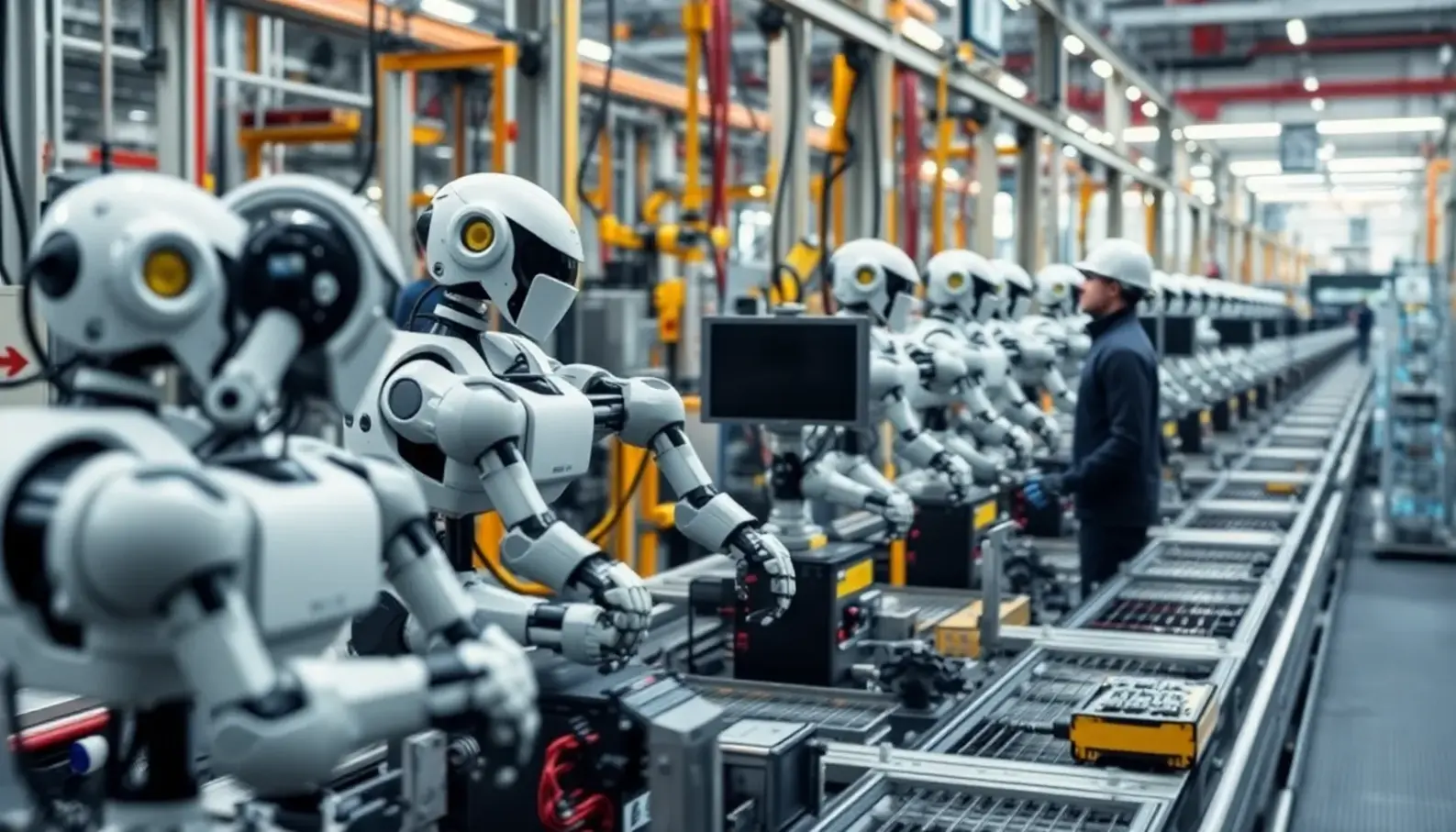
As technological advancements continue to surge, the landscape of autonomous systems is set for a groundbreaking transformation. With rapid developments in machine learning, the capabilities of autonomous robots are expanding exponentially. This expansion is crucial for manufacturing sectors that are increasingly reliant on such technologies to enhance productivity and precision.
Machine learning has paved the way for robots that can learn and adapt, rather than merely follow programmed instructions. Algorithms now enable these machines to improve their functions over time, presenting a future where robots can diagnose issues, forecast maintenance needs, and autonomously optimize workflows. The driving force behind these advancements lies in reinforcement learning, where robots learn through interactions with their environment. Such learning models are integral to the development of robots capable of operating in unpredictable settings.
One of the most vital components in this evolution is data integration. The cohesion and analysis of vast datasets allow for more informed and accurate decision-making processes. By leveraging big data, robots can monitor intricate manufacturing systems more effectively, leading to heightened operational efficiency. Predictive analytics becomes indispensable, enabling proactive interventions before disruptions escalate. Moreover, the convergence of IoT devices enriches this data ecosystem, providing robots with real-time data streams that enhance responsiveness and agility.
In parallel, collaborative robotics, or cobots, are becoming increasingly prevalent in industrial environments. Unlike their more isolated predecessors, cobots work alongside humans, augmenting human capabilities rather than replacing them. This paradigm shift is redefining workplace dynamics, facilitating safer and more efficient environments. Technological advancements focus on enhancing cobots’ ability to comprehend and execute complex tasks, utilizing sophisticated sensors and AI-driven analytics to ensure seamless interaction and safety.
Emerging technologies such as computer vision and natural language processing (NLP) are also set to revolutionize how robots interact with humans. Computer vision equips robots with advanced visual perception, allowing for precise navigation and interaction with objects and environments. Real-time image processing and object recognition are vital in ensuring the robot’s contextual understanding. Simultaneously, NLP allows robots to interpret and respond to human language, making interactions more intuitive and effective. Robots can thus serve as more than just operational tools; they can become conversational partners that enhance decision-making in manufacturing contexts.
With the continuous integration of these AI technologies, the deployment of autonomous vehicles and drones will span diverse sectors beyond manufacturing, including logistics, agriculture, and smart cities. In logistics, autonomous vehicles promise to refine supply chain operations with increased efficiency and reduced errors. Self-optimizing fleets can offer a more sustainable solution by minimizing fuel consumption and emissions as explored in detail. Similarly, in agriculture, drones can be employed for crop monitoring, precision spraying, and livestock management, drastically improving yield quality and resource management.
As we anticipate these advancements, strategic insights become indispensable for manufacturers and automation experts to remain competitive. First, they must invest in research and development to foster innovation within their production lines. Embracing adaptive AI systems that can respond to real-time data will be essential to outmaneuver dynamic market demands. Additionally, fostering partnerships with AI pioneers and tech innovators could provide an edge in accessing cutting-edge technologies.
Moreover, cultivating a skilled workforce that can operate, maintain, and synergize with these intelligent systems is crucial. This involves not only technical skills but also fostering a culture of adaptability and lifelong learning. Companies should consider partnering with educational institutions to tailor curricula that meet these emerging demands.
Finally, it’s imperative to continuously evaluate and refine ethical standards and regulatory frameworks. While the potential of AI-driven robotics is vast, so too are the challenges it presents in terms of safety, privacy, and ethical considerations. Open discourse with stakeholders, policymakers, and the public can pave the way for responsible innovation that aligns with societal values.
Navigating this frontier will define the competitive landscape of the coming years. By embracing these trends, manufacturers can harness AI’s transformative power, ensuring not only survival but prosperity in the rapidly evolving industrial ecosystem.
Final words
Artificial intelligence is revolutionizing autonomous robots, catalyzing unprecedented improvements in efficiency and adaptability in manufacturing environments. As robotics manufacturers and automation experts navigate this evolution, embracing AI technology will be pivotal in achieving operational excellence and staying competitive.
Explore the Potential of Autonomous AI Robots
Learn more: innoupdates.com
About us
AI for Robotics Control and Navigation offers state-of-the-art solutions for enhancing autonomous robots, providing cutting-edge algorithms for navigation, task execution, and operational efficiency.