
AI’s integration within supply chains is more than just a technological advancement; it’s a redefinition of operational norms. With the increasing complexity of global trade dynamics and consumer expectations, organizations are under immense pressure to refine their supply chain processes. AI offers innovative solutions that enable firms to make data-driven decisions, improve efficiency, and reduce costs. The potential for predictive analytics, intelligent automation, and sophisticated demand forecasting presents businesses with an unprecedented opportunity. As AI continues to evolve, its applications in supply chain optimization will be paramount in achieving sustainable organizational success and maintaining competitive advantages in an increasingly digital landscape.
Understanding AI’s Role in Supply Chain Logistics
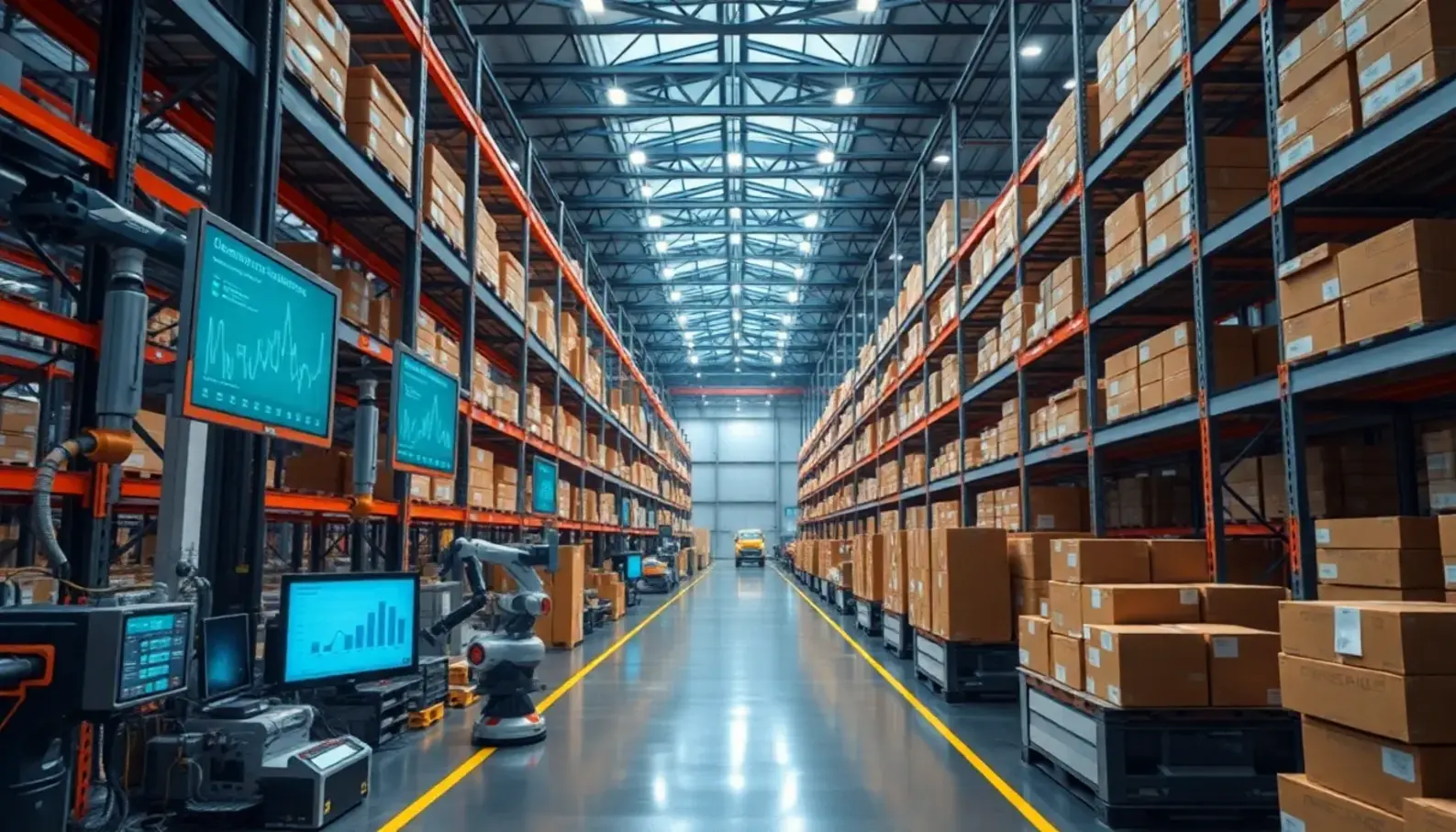
Artificial Intelligence (AI) is transforming supply chain logistics by leveraging advanced technologies like machine learning and natural language processing. These innovations are not simply enhancing existing processes; they are fundamentally reshaping how logistics are managed. Delving into AI’s core, one finds algorithms that learn from data, identify patterns, and make autonomous decisions. This capability is particularly crucial in logistics, where optimization and efficiency are paramount.
Machine learning algorithms analyze vast datasets from various sources within the supply chain. They detect inefficiencies, predict demand fluctuations, and recommend inventory adjustments. Such insights lead to better decision-making and agility in operations. For example, a machine learning model can predict a sudden rise in demand for a particular product by analyzing social media trends and past sales data, enabling timely inventory replenishment and avoiding stockouts.
Natural language processing (NLP) plays an equally pivotal role. It allows systems to process and understand human language, facilitating improved communication between supply chain stakeholders. NLP-powered chatbots handle routine customer queries, freeing human staff for complex issues, thus streamlining operations and enhancing customer satisfaction.
Beyond predictive analytics and improved communication, AI is revolutionizing logistics through automation. Autonomous vehicles and drones, supported by AI algorithms, are altering last-mile delivery strategies. They provide efficient delivery solutions, reducing lead times and enhancing user experience. By utilizing AI, companies can not only cut costs but also contribute to eco-friendly solutions by optimizing routes and reducing carbon footprints.
AI integration enhances operational resilience. For instance, when natural disasters or unforeseen events disrupt supply chains, AI systems leverage real-time data to reroute logistics networks, minimizing delays. This resilience supports business continuity even in the face of significant challenges.
Operational efficiency is significantly impacted by AI-driven predictive maintenance. Machine learning models forecast equipment malfunctions before they occur, scheduling maintenance that minimizes downtime and maximizes productivity. Such preventive strategies extend the lifespan of logistics tools and machinery, contributing to cost savings.
Furthermore, AI’s role in demand forecasting is transformative. Accurate forecasts allow companies to fine-tune procurement strategies, ensuring they meet customer needs without overstocking. A machine learning model, for example, can integrate weather data to adjust predictions for seasonal products, allowing for smarter inventory decisions.
The adoption of AI in logistics represents more than just technological advancement; it signifies a shift towards smarter, data-driven decision-making. Companies are investing in AI to gain a competitive edge, recognizing that AI’s analytical power can unlock new efficiencies and capabilities that traditional methods cannot match.
As AI continues to evolve, its potential to innovate logistics strategies expands. Businesses must stay agile, adapting to new AI developments and integrating them coherently into their supply chain frameworks. This approach ensures they remain leaders in a competitive landscape.
In conclusion, AI is a transformative force in supply chain logistics. By automating processes, enhancing predictive accuracy, and facilitating real-time communication, AI elevates operational efficiency and effectiveness. The ongoing evolution of this technology promises further groundbreaking impacts on logistics management. For more insights into related innovations, the exploration of autonomous drones in logistics provides an intriguing perspective on the future of delivery solutions.
Leveraging Data Analytics for Intelligent Forecasting

The transformative potential of data analytics in supply chain management is immense. Harnessing AI to process vast datasets enables organizations to forecast demand with unprecedented precision. Such enhanced predictive capabilities lead to reduced costs, increased efficiency, and improved customer satisfaction. Predictive models rely on AI algorithms to parse through historical and real-time data, recognizing patterns that human analysts might overlook. These models are integral in anticipating demand fluctuations, seasonal trends, and even unexpected shifts in consumer behavior. Consequently, they empower businesses to optimize inventory levels, production schedules, and logistics operations.
Predictive models must be tailored to fit the specific needs of each organization. Machine learning techniques play a crucial role in this customization. By training models on historical data, businesses can refine their forecasting methods to achieve greater accuracy. With continuous data input, these models learn and evolve, becoming more reliable over time. Such adaptability is vital in a volatile market where conditions can change rapidly.
Demand forecasting accuracy directly impacts a company’s bottom line. Overestimating demand can lead to excess inventory, increased storage costs, and potential obsolescence. Conversely, underestimating demand can result in stockouts, missed sales opportunities, and dissatisfied customers. By leveraging AI-driven analytics, companies can strike the perfect balance. Machine learning models that incorporate factors like economic indicators, social media trends, and consumer sentiment offer a more holistic view of potential market changes.
Implementing AI-driven demand forecasting models involves several steps. First, stakeholders must identify critical supply chain segments that benefit from advanced analytics. This process requires collaboration between departments, ensuring that all relevant data inputs are included in the model. Next, companies must aggregate and clean their data. Data quality is paramount, as inaccuracies can skew predictions and undermine the reliability of the AI models. Afterward, selecting the appropriate machine learning algorithms to analyze the data is crucial. Supervised learning, unsupervised learning, and reinforcement learning each have unique applications and strengths. Choosing the right method depends on the complexity and nature of the data.
Once the model is developed and tested, integration with existing supply chain management systems is vital. Seamless communication between AI tools and legacy systems ensures that insights generated by predictive models are actionable and relevant. Furthermore, employees must be trained to interpret AI-driven recommendations and incorporate them into daily operations. A comprehensive strategy for data-driven decision-making empowers staff at every level to contribute to the organization’s goals.
The impact of data analytics on customer satisfaction cannot be understated. Accurate forecasting diminishes the likelihood of stockouts and delays, ensuring that products are available when consumers seek them. Enhanced inventory management also allows for quicker response times to market demand, improving service levels and delivery times. Additionally, efficient supply chains can offer more competitive pricing, building brand loyalty and increasing market share.
As AI technologies advance, the potential for intelligent forecasting continues to grow. Innovations such as agentic AI insights, which you can explore more about here, promise to push the boundaries of what is possible in predictive analytics. These technologies hold the promise of even more sophisticated applications, from real-time decision-making to fully autonomous supply chain networks. The ongoing development and implementation of these technologies will redefine how companies understand and respond to market demands, cementing AI-driven analytics as a cornerstone of modern supply chain management.
Automating Operations: Enhancing Efficiency with AI
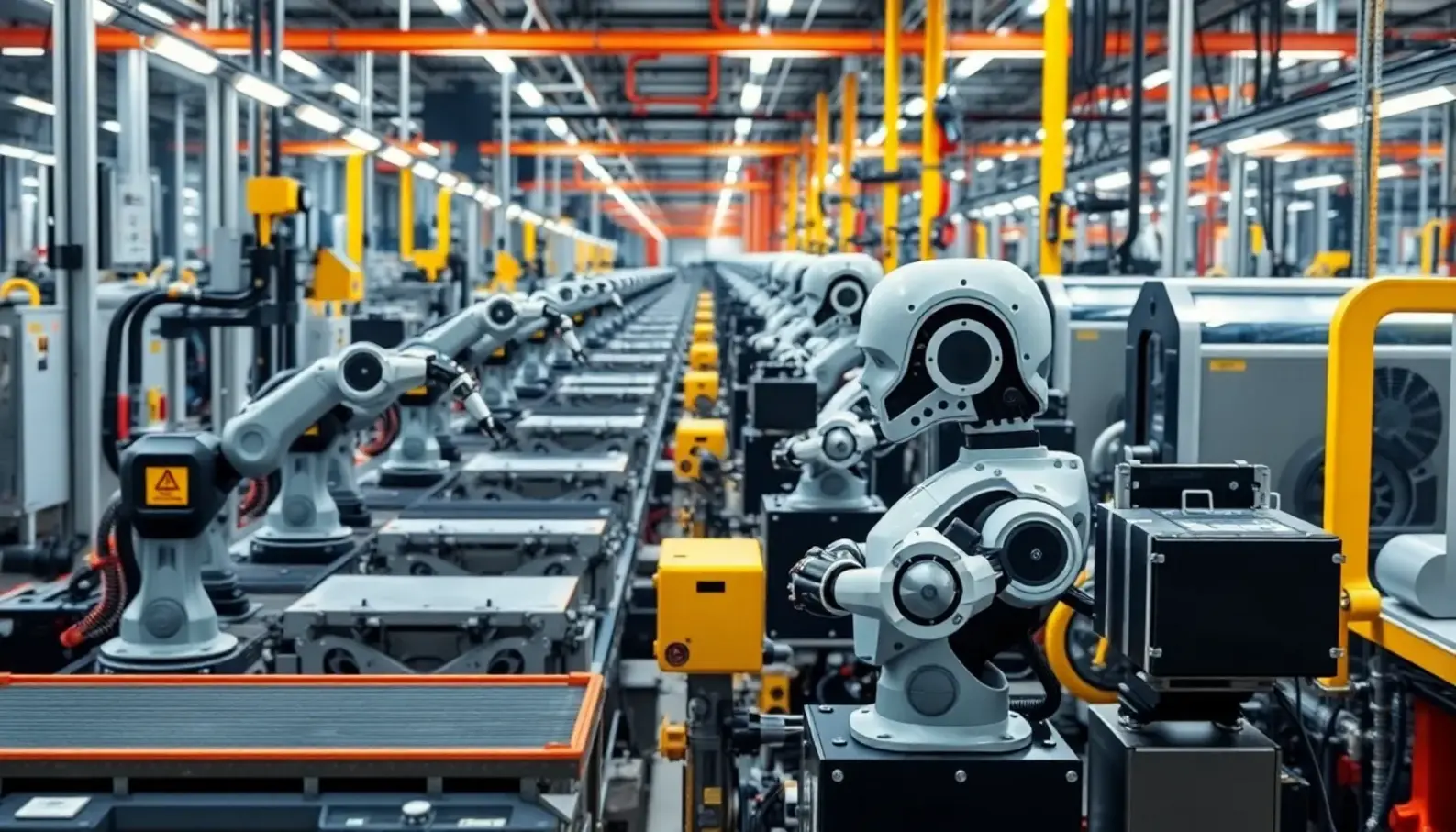
The automation of supply chain operations through artificial intelligence (AI) technologies has emerged as a transformative force in enhancing operational efficiency. By introducing AI, companies can streamline processes, reduce human error, and optimize the entire supply chain network. This shift not only promises immediate gains in productivity but also strategic advantages in adapting to fluctuating market demands.
One pivotal advantage of AI in supply chains is its capacity to process vast amounts of data and provide actionable insights. Automated processes powered by AI can efficiently manage inventory levels, predict demand surges, and even suggest optimal shipping routes. By leveraging machine learning algorithms, AI can predict product demand with unprecedented accuracy, reducing overstocking or understocking risks. These predictions are based on analyzing historical sales data, market trends, and even social media sentiment, providing a comprehensive overview of the market landscape.
Automation further aids in minimizing human error—a common but significant disruptor in supply chain operations. AI systems can detect anomalies or deviations in processes, flagging them for further analysis or automatic correction. For instance, AI can continuously monitor the temperature of perishable goods during transit. If a deviation from the set temperature range occurs, the system can adjust environmental controls or reroute the goods to ensure quality assurance. Such real-time interventions, powered by AI, drastically reduce waste and maintain quality standards.
Additionally, AI-driven automation enhances efficiency through robotic process automation (RPA). RPA offers the ability to automate repetitive and mundane tasks previously handled by human workers. Tasks like data entry, order processing, and routine analysis can now be undertaken by bots, freeing up human resources for tasks requiring critical thinking and problem-solving. This not only accelerates operations but also reduces costs associated with human labor.
Moreover, AI’s role in predictive maintenance within supply chain infrastructure is nothing short of revolutionary. Predictive maintenance uses AI to monitor equipment health in real-time, predicting potential failures before they occur. This technology reduces downtime, as maintenance can be scheduled proactively rather than reactively. By anticipating when a machine might require servicing, organizations can avoid unexpected disruptions, thereby maintaining continuous and efficient operations.
One case study exemplifying the successful implementation of AI automation is a leading global logistics company. Faced with the challenge of managing an extensive fleet across multiple continents, the company integrated AI-based systems to optimize fuel consumption and route planning. By using AI to analyze traffic patterns and weather conditions, the logistics firm reduced its fuel expenses by 15% and improved delivery times by approximately 20%.
Another example is a major retailer that implemented AI to enhance its warehouse operations. With the integration of AI-powered robots, the retailer increased its stock-picking efficiency by 300%. These robots, equipped with computer vision, seamlessly navigate aisles, picking and packing products at a pace that significantly outstrips human capability.
Furthermore, AI’s predictability and ability to learn over time allows supply chains to become more resilient. During unforeseen disruptions—be it a pandemic, natural disaster, or trade conflict—AI systems can rapidly reconfigure supply chain operations. By dynamically adjusting sourcing, manufacturing, and distribution strategies, AI ensures continuous supply chain operations despite external challenges.
In conclusion, the automation of supply chain operations through AI technologies is not merely about doing things faster but doing them smarter. By embedding AI into supply chain processes, organizations unlock new levels of efficiency, accuracy, and adaptability. As AI technologies continue to evolve, their role in revolutionizing supply chain management will become ever more integral. For more insights into the transformative impact of AI across various sectors, explore AI in Business Growth.
Final words
The integration of AI into supply chain optimization represents a significant advancement for businesses. By utilizing AI, organizations can improve their operational effectiveness, enhance forecasting accuracy, and automate crucial processes. This not only leads to cost reductions but also fosters innovation in logistics and customer service. Adopting AI-driven strategies will be essential for firms aiming to thrive in today’s data-driven environment, ensuring they remain resilient and agile in the face of future challenges.
Watch Video Series
Learn more: https://innoupdates.com
About us
At Innoupdates, we specialize in harnessing cutting-edge AI technology to optimize supply chain management. Our solutions focus on leveraging advanced analytics, intelligent automation, and predictive insights to help organizations enhance their operational efficiencies, reduce costs, and improve customer satisfaction. Discover how our innovative tools and expert consultations can transform your supply chain processes today.