
The application of artificial intelligence in supply chains is rapidly gaining traction among industry leaders. As businesses navigate increasingly complex markets, AI offers powerful solutions to optimize operations, enhance decision-making, and drive innovation. From predictive analytics to automation, AI equips administrators and CFOs with the tools to streamline processes, reduce costs, and improve responsiveness. This exploration of AI in supply chain innovation delves into practical strategies and real-world examples that demonstrate how embracing this technology can lead to not just incremental improvements but also significant business transformation.
Smart Inventory Management: A New Era
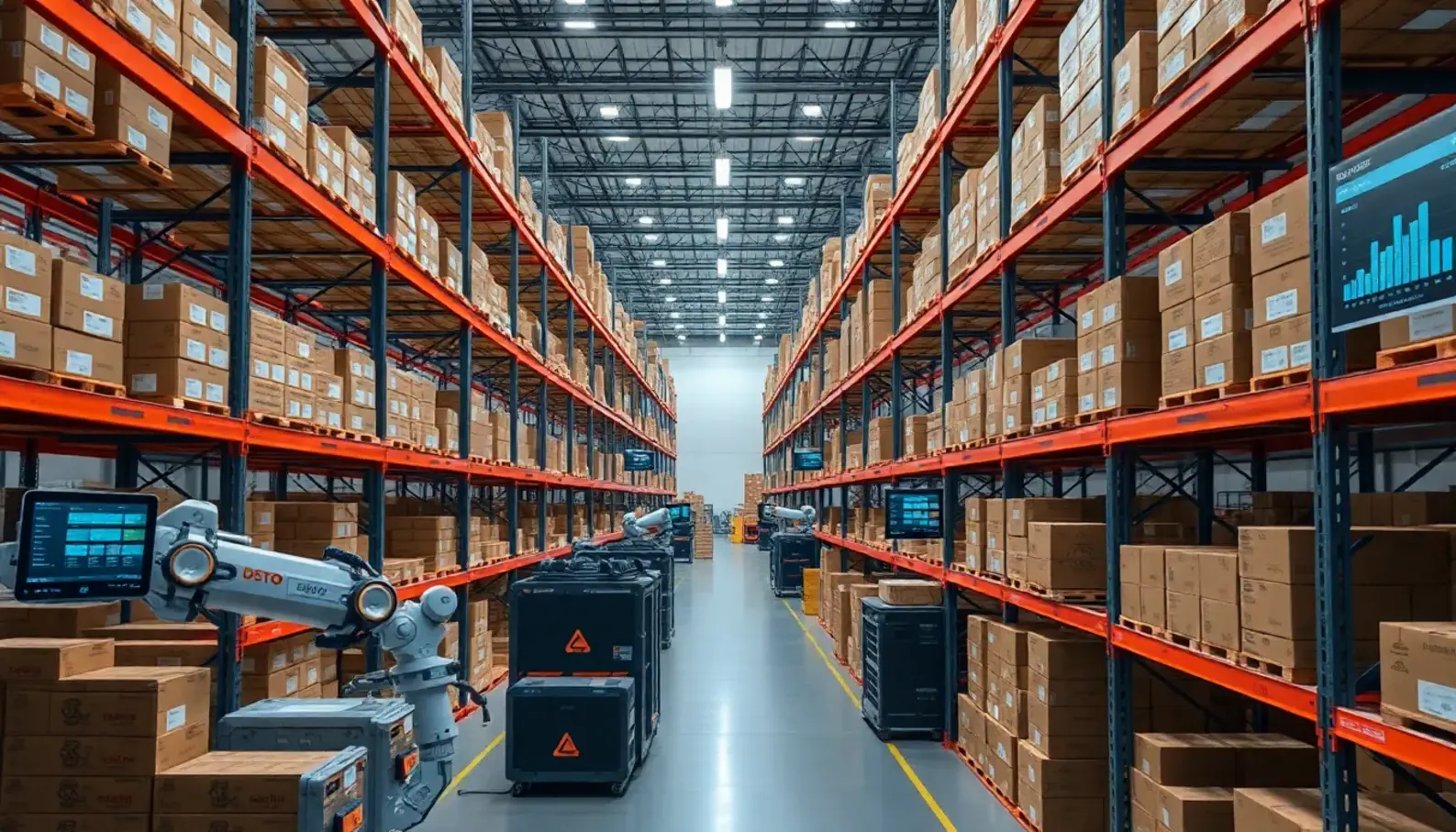
Artificial intelligence is reshaping the landscape of inventory management, heralding a new era defined by precision, agility, and foresight. With the ability to analyze vast amounts of data instantaneously, AI-driven tools are poised to make inventory management more efficient and accurate.
One of the central applications of AI in inventory management is demand forecasting. Traditionally, estimating future demand has been an educated guess. However, AI utilizes machine learning algorithms to predict demand with greater accuracy. These algorithms analyze historical sales data alongside external factors such as market trends, economic indicators, and even weather patterns. This multi-faceted approach enables businesses to anticipate customer needs more effectively, reducing the risk of overstock or stockouts.
For example, a retail company implemented AI-based demand forecasting tools and ostensibly reduced their inventory costs by 20%. By predicting demand more accurately, they could order stock more efficiently, avoiding excess inventory and the associated holding costs. This case underscores the massive potential for cost savings and resource optimization through AI.
Beyond forecasting, AI contributes significantly to stock optimization. Sophisticated AI models can dynamically adjust reorder points and quantities based on real-time data inputs. This adaptability is invaluable for businesses managing large inventories across multiple locations. The models process data from RFID tags, IoT devices, sales records, and supplier reports to maintain optimal stock levels.
One logistics firm leveraged AI for stock optimization by integrating sensors and IoT devices into their supply chain, significantly improving their reorder efficiencies. AI algorithms recommended precise order quantities, which minimized both excess stock and stockouts, ensuring a smoother supply chain experience. Their efforts demonstrated marked improvements in warehouse utilization, with KPI metrics indicating a 30% enhancement in order fulfillment rates.
Moreover, real-time tracking facilitated by AI can further bolster inventory management. With real-time insights, managers gain a clear view of stock levels, location, and movement, enabling swift responses to discrepancies. This constant monitoring is essential for businesses prioritizing transparency and accuracy in their operations.
An e-commerce giant has embraced AI-driven real-time tracking to perfect their delivery operations. By employing AI and IoT technologies, they managed to streamline their process so effectively that delivery times improved by 25%, offering their customers seamless service enhancements.
For administrators and CFOs aiming to integrate AI into their inventory systems, several strategies and practical tools can be pursued. Firstly, investing in AI-driven platforms that offer end-to-end visibility and control is crucial. These platforms should integrate seamlessly with existing ERP and CRM systems to centralize data processing and analysis.
Secondly, continuous training and development are paramount. Ensuring that staff at all organizational levels understand AI tools and can use them effectively facilitates smoother operational shifts. Providing education in AI technologies widens the staff’s ability to leverage these tools for strategic decision-making, thereby fostering a culture of innovation.
Lastly, establishing concrete metrics for measuring success is essential. Metrics should include inventory turnover rates, forecast accuracy, stock holding costs, and service level improvements. For instance, an organization might measure improvements in forecast accuracy to assess AI’s impact on its demand planning.
In conclusion, businesses that have effectively integrated AI into inventory management illustrate the transformative potential of this technology. Successful examples showcase substantial cost savings, operational efficiencies, and enhanced customer satisfaction. As industries navigate this new era of smart inventory management, they will find that AI’s capabilities present unprecedented opportunities for innovation and growth.
While considering AI adoption, studying these successful business strategies and measuring subsequent improvements can guide companies towards becoming leaders in their respective industries. For more strategic insights on leveraging AI for business expansion, visit AI in Business Growth.
Enhanced Supply Chain Visibility with AI

AI is revolutionizing supply chain management, providing unparalleled visibility across various stages. Machine learning and data analytics are pivotal in this transformation, offering enterprises the tools to predict potential disruptions, enhance transparency, and bolster collaboration with suppliers. By understanding the dynamics of AI integration, businesses can achieve greater operational efficiency and resilience.
Machine learning, at its core, processes vast amounts of data to identify patterns and trends. When applied to supply chains, it can predict disruptions like supplier delays, demand fluctuations, and logistical issues. This prediction capability serves as a proactive measure, allowing companies to adjust strategies before disruptions occur. For instance, utilizing AI-driven forecasting reduces the reliance on reactive approaches, which often entail higher costs and inefficiencies.
Data analytics is equally transformative, offering insights into every node of the supply chain from procurement to delivery. It enables real-time monitoring of goods, ensuring that any deviations from the planned path are swiftly addressed. Enhanced visibility allows for more informed decision-making, empowering managers to reallocate resources or reroute shipments when unforeseen events arise. This adaptability not only enhances the supply chain’s resilience but also improves service levels, keeping end consumers satisfied.
Transparency is another significant advantage brought about by AI. With insightful data easily accessible, businesses can foster trust and collaboration with their suppliers and vendors. This transparency is often manifested through shared platforms where stakeholders access relevant data to ensure that operations are aligned. This mutual visibility encourages partner accountability and creates a culture of collaborative problem-solving.
For administrators and CFOs contemplating the integration of AI technologies, a strategic implementation plan is vital. Start with a comprehensive audit of the existing supply chain, identifying critical pain points where AI can offer substantial improvements. Next, invest in training programs for employees to build familiarity with new tools and systems. Ensuring your teams understand the potential of AI technology is crucial for its successful adoption and implementation.
Another practical step involves selecting appropriate AI solutions tailored to specific supply chain needs. Administrators must define clear goals for what they wish to achieve, whether it’s reducing lead times, improving inventory management, or enhancing logistics. Once objectives are established, collaborate with IT departments and technology partners to deploy AI technologies that align with business strategies.
Many industry leaders have already demonstrated the tangible benefits of enhanced supply chain visibility through AI. A global retailer, for instance, managed to reduce stockouts by integrating AI-driven demand forecasting tools, resulting in improved customer satisfaction and increased sales. Similarly, a leading automotive manufacturer utilized machine learning algorithms to predict potential factory delays due to parts shortages, allowing for timely supplier interventions and safeguarding production schedules.
For further insights, the piece “AI in Business Growth” found at this link delves deeper into how AI not only enhances supply chain visibility but also drives overarching business success.
Enhanced visibility through AI isn’t just about efficiency—it’s about creating a robust, responsive, and harmonious supply chain that adapitates to the modern market dynamics. As technology evolves, those who embrace AI will find themselves at the forefront of strategic innovation in supply chain management.
Final words
AI’s integration into supply chain processes marks a significant shift toward greater efficiency and innovation. By harnessing the power of artificial intelligence, administrators and CFOs can not only enhance productivity but also build a more agile and resilient supply chain. Embracing these technologies isn’t just an option—it’s a strategic imperative for businesses aiming to thrive in a competitive landscape.
Download our comprehensive e-book to dive deeper into AI innovations in supply chains!
Learn more: https://innoupdates.com
About us
At Innoupdates, we specialize in cutting-edge digital solutions designed to enhance business operations. Our platform offers robust AI tools tailored for supply chain management, aimed at optimizing efficiency, improving insights, and ultimately driving growth. Discover how our customized services can transform your supply chain today.