
The integration of artificial intelligence in supply chains is more than just an innovative feat—it’s a necessity. As businesses expand in complexity and their operations involve intricate logistics, ensuring safety through predictive technologies is crucial. AI offers unprecedented capabilities to preemptively identify risks, streamline procedures, and fortify the safety of products and personnel alike. From predictive maintenance in warehousing to AI-driven risk assessments, the future of supply chain safety is intertwined with smart technologies. As decision-makers and innovators in the realm of logistics, understanding how AI can be a proactive ally in creating a safer supply chain becomes essential for sustaining growth and maintaining trust.
The Landscape of Supply Chain Risks
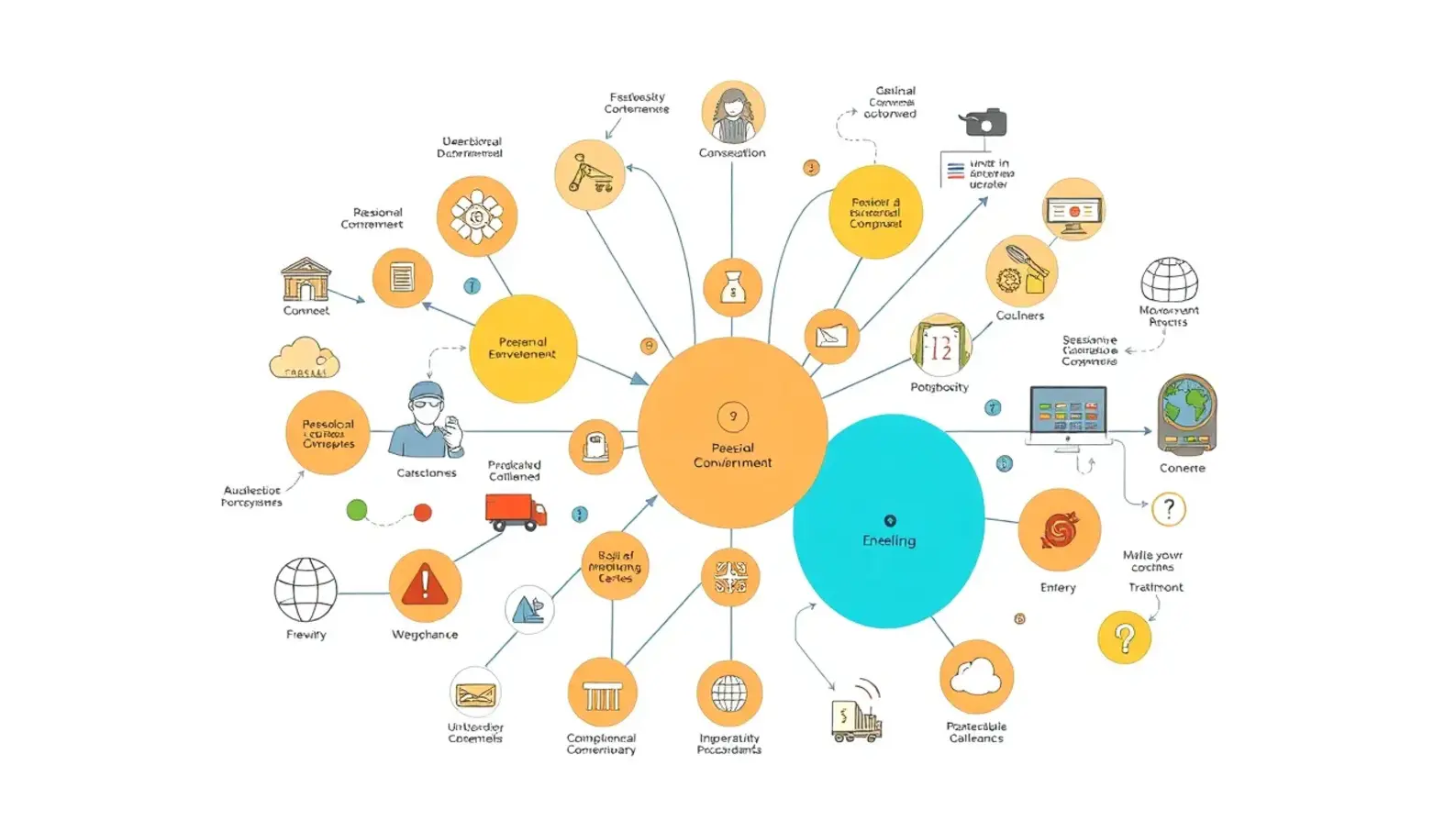
Supply chains are intricate networks, each element interwoven with potential vulnerabilities that can ripple throughout the entire system. Understanding the risks inherent in these networks is crucial to maintaining not only efficiency but also safety and security. As supply chains expand globally, they face an increasingly complex array of challenges.
Operational Risks
Operational risks often stem from everyday functions and processes within the supply chain. These include errors in inventory management, disruptions in logistics, and unforeseen obstructions in production schedules. For example, a miscalculation in demand forecasting can lead to either surplus inventory, which increases storage costs, or shortages, causing delivery delays. A significant case highlighting such operational risk is the 1999 Coca-Cola fiasco in Europe, where a mishap in manufacturing led to product recalls and massive logistical disruptions.
Failures in communication can also pose operational threats. When information does not flow smoothly, decision-making is impaired. Delays in communication during the 2011 Thailand floods, which heavily affected the hard drive industry, exemplified how operational hold-ups can cause substantial production losses worldwide.
Environmental Risks
Natural disasters, climate change, and other environmental factors play a significant role in disrupting supply chains. The 2011 Tōhoku earthquake and tsunami in Japan severely impaired both local and international supply chains, showcasing the vulnerability of global operations to environmental unpredictabilities. These events not only damaged infrastructure but also caused long-term ramifications for industries dependent on Japanese manufacturing.
Tormenting further are the incremental changes brought on by climate change, such as altered weather patterns and rising sea levels, which affect transportation and production capabilities. The impact of such environmental factors can be widespread, affecting consumer pricing and availability.
Technological Challenges
Supply chains are also increasingly reliant on technology, bringing about its own set of risks. Cybersecurity threats loom large as more supply chains digitize their operations. A prime example is the 2017 ransomware attack named “NotPetya,” which significantly impacted several companies with widespread supply chain operations. This attack immobilized ports, stalled production, and resulted in billions of dollars in damages.
Beyond cyber threats, technological obsolescence poses another risk. As new technological innovations rapidly emerge, older systems can become a liability. Companies relying on outdated technologies may find themselves unable to respond swiftly to market demands or unexpected disruptions. Solutions such as autonomous drones in logistics and quantum computing innovations are cutting-edge strategies that some organizations are integrating to future-proof their operations.
Implications on Efficiency and Security
The implications of these risks on overall supply chain operations are profound, often manifesting as increased costs and compromised customer satisfaction. Delays due to operational inefficiency can lead to lost sales and diminished brand reputation. Furthermore, environmental disruptions can lead to a complete halt in operations, affecting everything from raw material sourcing to final product delivery.
Security issues, particularly those related to technological vulnerabilities, not only compromise data integrity but can also derail entire logistics frameworks. Organizations must be diligent and proactive in fortifying their systems against both digital and physical threats to safeguard their operations.
Understanding the multidimensional nature of these risks is fundamental to developing intelligent strategies and solutions that enhance supply chain safety. The implications extend beyond economic losses and encompass broader societal impacts, including employment and sustainable practices.
To address these challenges, it is imperative that organizations leverage artificial intelligence and other innovative technologies as part of their contingency planning and risk management frameworks. By doing so, they can build more resilient supply chains capable of withstanding the diverse array of threats they face.
Leveraging AI for Predictive Safety
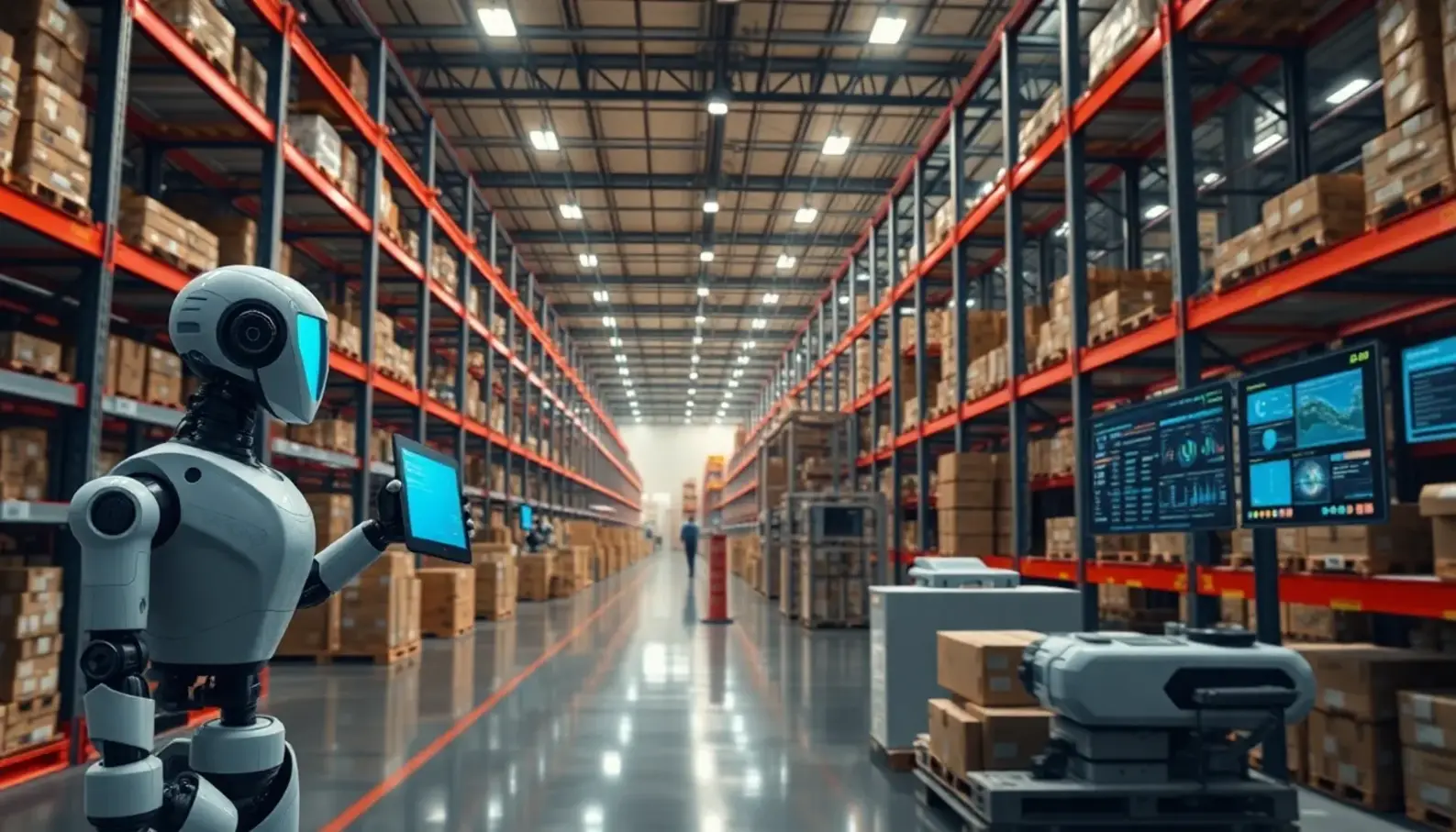
Artificial intelligence offers significant potential to enhance supply chain safety through predictive capabilities. By employing predictive analytics and machine learning algorithms, organizations can identify potential risks before they escalate into severe problems. This proactive approach allows companies to safeguard their supply chains, ensuring seamless operations and minimizing disruptions.
Predictive analytics empowers supply chain managers by providing forecasts and insights into future trends. Combining massive data sets with advanced algorithms allows for identifying patterns and anomalies. Machine learning models, trained on vast historical and real-time data, can predict potential safety issues related to demand fluctuations, logistical bottlenecks, and vendor reliability. These insights enable timely interventions, preventing hazards before they materialize.
One of the critical applications of AI in supply chains is AI-driven inventory tracking. Accurate inventory management is crucial for maintaining safety and efficiency. AI systems use predictive analytics to optimize inventory levels, ensuring consistent availability without overstocking. Machine learning models analyze historical sales data, seasonality, and current market conditions to forecast demand more accurately. This reduces risks associated with stockouts or excessive stock, which may lead to unsafe storage conditions or inefficient supply chain operations.
Automated quality assurance processes also play a pivotal role in supply chain safety. AI systems enhance traditional quality control methods by leveraging machine learning algorithms to detect defects or inconsistencies in products more effectively. By continuously monitoring production lines and product quality data, AI can identify deviations from quality standards early. Automated alerts and corrective actions can be triggered before goods leave the facility, significantly reducing the risk of faulty products entering the supply chain.
Moreover, predictive maintenance powered by AI is revolutionizing equipment safety within supply chains. By analyzing data from sensors on machines, AI can predict when maintenance will be needed, thus preventing unexpected equipment failures. Machine learning models assess variables such as equipment temperature, vibration, and usage patterns in real time. These insights help preemptively schedule maintenance, avoiding unexpected downtime or hazardous equipment failures that could compromise safety.
The integration of AI into supply chain management systems increases safety by facilitating faster and more informed decision-making. Data integration capabilities allow various systems within an organization to communicate efficiently. AI analyzes data from disparate sources — including suppliers, transportation carriers, and market changes — to provide a comprehensive view of the entire supply chain. This holistic view enables managers to respond quickly to potential threats, ensuring safety protocols are maintained across all touchpoints.
In logistics, for instance, AI enhances safety through route optimization. Machine learning algorithms analyze traffic patterns, weather conditions, and road safety statistics to suggest the safest and most efficient transportation routes. This reduces the risk of accidents and ensures timely delivery, maintaining both safety and operational efficiency.
In conclusion, AI’s role in predictive safety within the supply chain is transformative. By employing predictive analytics, automated quality control, and maintenance scheduling, AI mitigates risks before they impact operations. Through effective data integration and processing, AI supports a robust, secure, and safe supply chain environment. For more insights into AI’s applications in business, consider exploring AI in business growth strategies.
Building a Resilient Future: Best Practices

Integrating artificial intelligence into supply chain safety protocols requires a strategic approach that ensures both resilience and adaptability. Organizations must develop a set of actionable strategies and best practices to leverage AI effectively while fostering a culture of safety and innovation.
One key strategy is prioritizing data integration across all levels of the supply chain. AI thrives on data, requiring accurate and real-time information from diverse sources. Organizations should establish comprehensive data collection and sharing mechanisms. This involves using IoT devices, sensors, and blockchain technology for transparent and secure data transfer. Consequently, AI systems can process real-time information, identifying potential risks and bottlenecks before they escalate.
To cultivate a culture of safety, it is essential to embed safety as a core value within organizational culture. Employees at all levels should understand the importance of safety in the supply chain and how AI contributes to it. Regular workshops and training sessions can highlight AI’s role in safety enhancements, ensuring employees feel equipped and confident to leverage these technologies in their day-to-day tasks.
Continuous training and stakeholder engagement are crucial components of successful AI implementation. As AI evolves, so too should the skills and understanding of those who interact with it. Organizations need to provide ongoing training that adapts to technological advancements and evolves alongside AI capabilities. Moreover, engaging stakeholders—including suppliers, partners, and customers—in these training initiatives fosters a collaborative approach to safety across the supply chain.
Best practices also involve establishing AI governance frameworks that ensure ethical and transparent use of technology. These frameworks should address data privacy concerns, algorithmic bias, and accountability measures. Implementing robust governance not only builds trust but also ensures that AI applications adhere to legal and ethical standards.
As we look forward, AI’s impact on supply chain safety will continue to evolve. One trend is the increasing use of autonomous drones in logistics (see autonomous drones in logistics), which can be seamlessly integrated with AI tools for enhanced efficiency and safety. Drones can conduct real-time inventory checks, monitor environmental conditions, and provide surveillance in hazardous areas, reducing the risk of human exposure to dangerous situations.
Staying ahead in this dynamic landscape involves embracing predictive analytics and machine learning models to foresee potential disruptions and devise mitigation strategies proactively. By leveraging these tools, organizations can anticipate changes in demand, adjust supply routes, and manage inventory more intelligently, ensuring the continuity and safety of operations.
Ultimately, innovation and safety must go hand in hand. Embracing AI’s potential while maintaining a vigilant approach to safety will prepare supply chains for future challenges. Organizations that prioritize both technological advancement and a strong safety culture will navigate the complexities of the modern supply chain more effectively.
Final words
AI is not merely an add-on but a cornerstone of supply chain safety. As companies navigate an increasingly complex operational landscape, the ability to predict and address risks through AI becomes essential. Embracing these technologies lays the groundwork for a safer, more resilient supply chain.
Start Free Trial
Learn more: innoupdates.com
About us
We offer cutting-edge AI solutions designed to enhance safety and efficiency across supply chains. Our technology integrates predictive analytics, machine learning, and real-time data processing to empower businesses to foresee risks, streamline operations, and ensure personnel safety.