
Artificial Intelligence is reshaping the landscape of supply chain management through advanced analytical capabilities. By enabling real-time insights and predictive analytics, AI provides CFOs and strategists with tools to enhance operational efficiencies and decision-making processes. The integration of AI into supply chain analysis not only streamlines operations but also prepares firms to anticipate market fluctuations and meet consumer demands with agility. This evolution encourages a shift from traditional methods, where organizations can leverage data-driven strategies to enhance performance and cut costs. Understanding how to optimize these AI applications is crucial for maintaining a competitive advantage in a dynamic market environment.
The Role of AI in Supply Chain Analysis
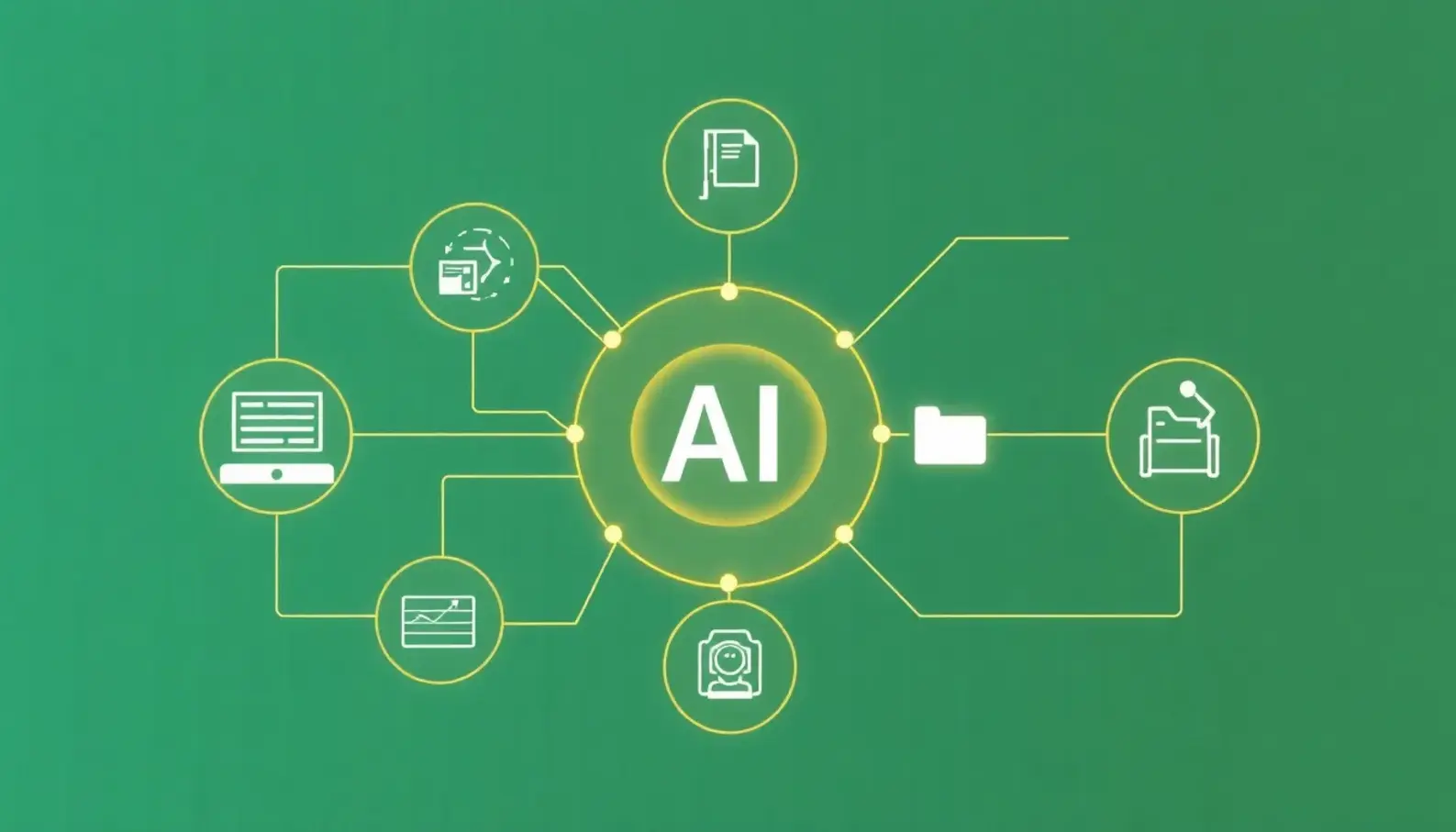
Artificial Intelligence (AI) is redefining how supply chains operate, transforming traditional methods into highly efficient processes. The dynamic nature of supply chains involves numerous variables; AI technologies, therefore, become invaluable in optimizing these complex systems. Central to this transformation are technologies like machine learning, predictive analytics, and real-time data processing.
Machine Learning and Predictive Analytics
Machine learning stands at the forefront, adapting algorithms to learn from data patterns without explicit programming. For supply chains, this means improved demand forecasting. By analyzing historical sales data and considering external factors like market trends, machine learning models anticipate product demand with greater accuracy. Such forecasting facilitates strategic planning for manufacturers and retailers, reducing stockouts and excess inventory.
Predictive analytics complements machine learning by offering insights into future events. For example, by integrating weather forecasts, geopolitical events, and consumer behavior data, predictive analytics can foresee disruptions and provide alternative strategies, ensuring continuous flow of goods.
Real-Time Data Processing
Real-time data processing empowers supply chains with immediacy in decision-making. Access to real-time information allows a supply chain to react swiftly to evolving circumstances. Transportation routes can be adjusted instantly based on traffic data, avoiding delays and minimizing transit costs. Moreover, real-time inventory management enables businesses to maintain optimal stock levels by dynamically adjusting to demand fluctuations, thus reducing holding costs and enhancing service levels.
Automated Inventory Management Systems
Automation plays a significant role in inventory management. AI-driven systems automate reordering processes, ensuring stock levels are replenished efficiently while maintaining minimal capital tied in inventory. These systems leverage historical data, seasonality trends, and sales forecasts to determine precise quantities required, minimizing the bullwhip effect common in supply chains born from poor forecasting.
AI-Driven Logistics Optimization
Logistics optimization is another field receiving massive AI-driven improvements. Autonomous vehicles and drones offer new logistics solutions, reshaping the logistics landscape. AI’s ability to analyze route efficiency and traffic patterns allows for smarter load planning and route optimization. Such achievements not only cut down transportation costs but also contribute to a reduction in greenhouse gas emissions.
Resource Allocation and Cost Savings
Efficient resource allocation is crucial in capital-intensive industries. AI provides the analytical prowess needed for impactful resource optimization. For instance, machine learning models can gauge asset utilization, deploying resources where they yield maximum benefit. This meticulous allocation directly contributes to significant cost reductions by minimizing wastage.
Implementing AI solutions in supply chain operations can yield remarkable cost savings. For example, by reducing lead times through predictive analytics, operational costs fall significantly. The cascading effect of optimized logistics processes, such as lowered transportation expenses and fewer penalties for delayed deliveries, compounds these savings.
Impact on Service Levels
AI’s precision in analyzing and predicting demand translates into improved service levels. Faster and more accurate deliveries boost customer satisfaction and loyalty, essential metrics in competitive markets. By minimizing errors in order processing and ensuring availability of popular items, AI fortifies the reliability of supply chain operations.
In conclusion, AI technologies are indispensable in converting supply chain challenges into opportunities for advancement. As organizations increasingly adopt these solutions, they unlock new potentials in efficiency, accuracy, and customer satisfaction. The transformative power of AI not only meets contemporary supply chain demands but also paves the way for a sustainable future, where strategic decisions are data-driven and anticipatory rather than reactive.
Driving Strategic Decisions through Data Insights
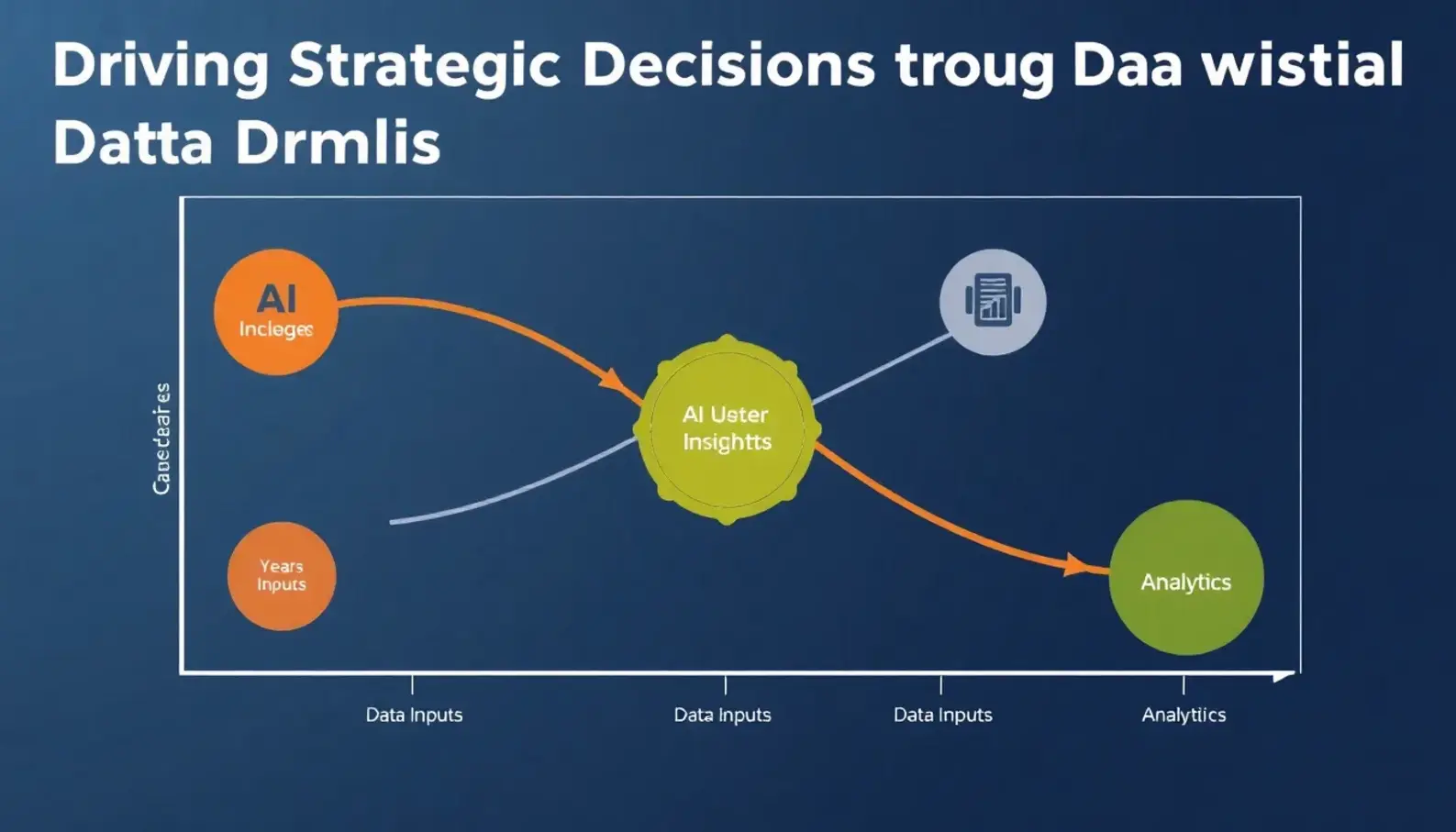
Artificial Intelligence (AI) has emerged as a pivotal tool in transforming strategic decision-making within supply chains. By harnessing advanced data analytics, organizations can uncover insights that lead to more informed business strategies. Central to this transformation is the ability of AI to process vast amounts of data at unprecedented speeds, revealing patterns and trends that are not immediately apparent through traditional analysis methods.
The pivotal role of AI in strategic decision-making is exemplified through various case studies across industries. For instance, a leading retail company implemented AI to enhance their demand forecasting. By analyzing historical sales data combined with external factors such as weather patterns and economic indicators, the company could predict demand more accurately. This not only optimized inventory levels but also minimized stockouts and reduced excess inventory, aligning supply chain activities more closely with consumer demand.
AI’s ability to leverage data for strategic insights extends to supplier relationship management. One notable example is a global manufacturing firm that utilized AI-powered analytics to monitor supplier performance. By continuously analyzing data on delivery times, quality metrics, and order fulfillment rates, the firm identified patterns indicative of potential risks. Armed with this information, the company negotiated better terms with suppliers, diversified its supplier base, and implemented contingency plans that ensured supply chain resilience.
A crucial advantage AI offers in strategic decision-making is its role in scenario planning and risk management. By simulating various scenarios, AI allows organizations to visualize potential outcomes of different strategic decisions. For example, a logistics firm employed AI to analyze the impact of geopolitical changes on its supply routes. Through scenario analysis, the firm identified alternative routes and transport modes, reducing its dependency on any single channel and thereby mitigating potential disruptions.
An essential tool that enhances the decision-making process is predictive analytics. This tool empowers CFOs and strategists to make data-driven decisions that align supply chain objectives with broader business goals. By predicting future trends and customer behaviors, organizations can adapt rapidly to market changes. For example, an electronics company used predictive analytics to anticipate shifts in consumer preferences, enabling them to adjust their production schedules and marketing strategies promptly.
Furthermore, machine learning algorithms contribute significantly to optimizing inventory levels. Through continuous learning from incoming data, these algorithms identify optimal stock levels, considering factors such as sales velocity, lead times, and external disruptions. For instance, a pharmaceutical company successfully reduced its inventory costs by employing AI-driven inventory management systems. These systems suggested optimal reorder points and buffer stocks, aligned with market demand and supply chain constraints.
In addition to inventory optimization, AI-driven insights facilitate enhanced communication and collaboration across departments. By providing real-time data visualization, stakeholders across the organization can access intuitive dashboards that present actionable insights. This transparency fosters collaboration between logistics, finance, and operations teams, ensuring alignment and a unified approach to strategic objectives.
While AI offers remarkable potential, its successful implementation requires careful consideration of ethical and logistical challenges. Decision-makers must ensure that data privacy is maintained, and bias in algorithms is minimized. A strategic approach to AI adoption involves selecting algorithms and models that are transparent and explainable, enabling stakeholders to trust the insights generated.
For organizations looking to integrate AI into their strategic frameworks, the importance of a well-defined implementation strategy cannot be overstated. This involves not only selecting suitable technological tools but also investing in skill development. Training teams to interpret data insights and effectively utilize AI tools is crucial for maximizing the benefits AI offers.
As AI continues to evolve, its capacity to mitigate uncertainties and enhance strategic decision-making will only grow. By turning data into actionable insights, AI empowers organizations to not only respond to market changes but anticipate them. This foresight offers a significant competitive advantage, driving efficiency and innovation within supply chains.
For more insights on innovations in AI and its impact across various sectors, you can explore the trends in AI-driven strategic growth highlighted at InnoUpdates AI in Business Growth.
Challenges and Solutions in AI Implementation
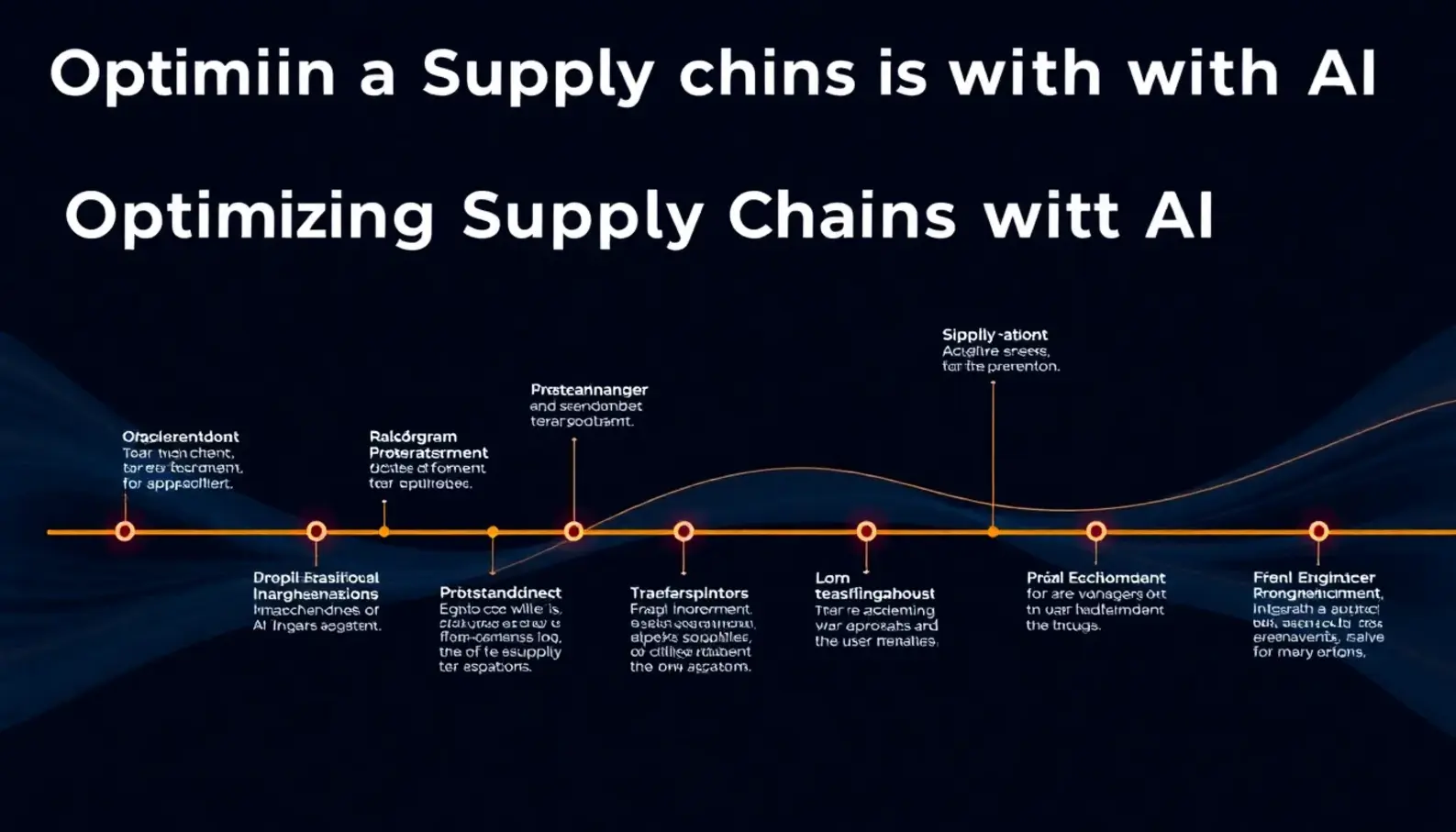
Implementing AI in supply chains presents unique challenges. Organizations face hurdles such as data quality, integration complexities, and user acceptance. Addressing these issues requires a strategic plan and comprehensive understanding of both current capabilities and future goals.
Data quality remains a primary concern. Inconsistent or incomplete datasets can derail AI initiatives, leading to inaccurate predictions and ineffective decision-making. Organizations must prioritize data hygiene, ensuring their databases are clean and accurate. Employing robust data governance frameworks can establish uniform data standards and promote high-quality datasets. Regular audits and updates to data management practices also help maintain data integrity.
Integration complexities can arise when AI systems are introduced into existing infrastructure. Often, legacy systems lack the compatibility needed to effectively interact with modern AI technologies. This can create silos, reducing the efficacy of AI implementations. Investing in middleware solutions that bridge these gaps is vital. Additionally, embracing modular and scalable architectures allows for smoother integration, paving the way for future advancements.
User acceptance is equally crucial. Employees may resist adopting new AI systems due to fear of obsolescence or reluctance to change entrenched workflows. To overcome this, organizations need to foster a culture of innovation. Providing ongoing training programs can empower employees, instilling confidence in their ability to utilize AI tools effectively. Demonstrating AI’s potential to augment human capabilities rather than replace them can alleviate concerns and encourage buy-in.
Cross-department collaboration is fundamental for successful AI implementation. Often, decisions are siloed, leading to disjointed strategies. Facilitating communication and collaboration across departments ensures a unified approach where insights and challenges are shared and addressed collectively. It also promotes a holistic view of how AI can enhance the supply chain, leveraging insights from diverse perspectives.
A strategic implementation plan should include clear objectives and measurable goals. This roadmap can guide the organization through the initial stages of AI integration, followed by iterative assessments to ensure continued alignment with overall business objectives. Regular evaluations are necessary to adapt strategies and stay ahead of evolving challenges.
Successful case studies illustrate how organizations can effectively navigate these challenges. One such example involves a global retailer that tackled data quality issues through a robust governance framework, leading to improved efficiencies. Another case highlights how a manufacturing firm overcame integration problems by adopting scalable architectures, resulting in better streamlined operations.
For more insights on how AI can transform industries, see this article, which explores AI’s impact on business growth. Understanding the broader applications of AI provides leverage for refining supply chain strategies.
In conclusion, while challenges in AI implementation exist, solutions are within reach. By fostering a culture of continuous learning and collaboration, organizations can harness AI’s full potential, optimizing supply chains for greater efficiency and decision-making prowess.
Final words
Artificial Intelligence is no longer a futuristic concept but a practical tool reshaping supply chain analysis. By embracing AI, organizations can enhance operational efficiencies, drive strategic decision-making, and navigate challenges effectively. As AI continues to evolve, its role in supply chain management is bound to expand, making it essential for strategists and CFOs to understand and leverage these technologies for long-term success.
Download Free Report
Learn more: innoupdates.com
About us
Our company offers cutting-edge AI solutions that focus on optimizing supply chain operations. By leveraging advanced analytics, machine learning, and automation, we empower organizations to make data-driven decisions that enhance efficiency and profitability. Our dedicated team collaborates with clients to tailor solutions that meet specific operational needs, ensuring a seamless integration of AI technologies into existing supply chain frameworks. Embrace the future of supply chain management with our innovative tools and insights.