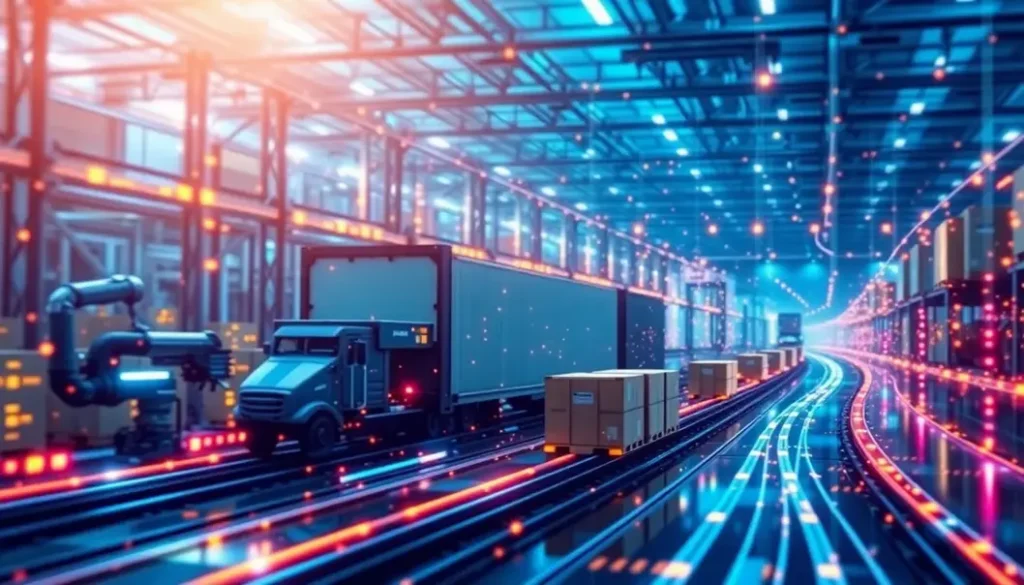
As businesses navigate an increasingly unpredictable global landscape, the demand for efficient and responsive supply chains has intensified. The integration of artificial intelligence (AI) marks a paradigm shift, enabling organizations to harness advanced analytics, predictive modeling, and automation. This evolution extends beyond mere cost-cutting; it encompasses improved decision-making, enhanced customer experiences, and a commitment to sustainability. Analysts and investors must recognize AI not as a transient buzzword but as a fundamental component in shaping resilient supply chains. Understanding its potential is crucial for those who wish to drive innovation, secure competitive advantages, and realize long-term growth. As such, exploring AI’s multifaceted applications within supply chain management will unpack its implications for today’s market players.
The AI-Driven Supply Chain Framework
The emergence of artificial intelligence (AI) has ushered in an unprecedented transformation within supply chains. AI introduces a series of foundational technologies and methodologies that culminate in highly efficient and streamlined processes. The core components such as machine learning, predictive analytics, and robotics lie at the heart of this transformation. These technologies collaborate to enhance operational efficiency, improve forecasting accuracy, and optimize inventory management, reshaping the traditional supply chain landscape.
Machine learning stands as a critical pillar of AI-driven supply chains. It offers the ability to analyze vast amounts of data rapidly, uncover patterns, and make informed decisions. Unlike traditional algorithms that require explicit programming, machine learning models learn and improve from experience. This adaptability makes them invaluable for various supply chain operations, from demand forecasting to anomaly detection.
Predictive analytics further amplifies the capabilities of supply chains by providing visibility into future trends and behaviors. With predictive analytics, companies can anticipate supply chain disruptions, optimize routes, and align inventory levels with demand forecasts. By leveraging historical and real-time data, predictive models offer actionable insights. This proactive approach ensures that potential challenges are addressed before they become critical issues, ensuring a seamless flow of goods.
Robotics enhances the efficiency of supply chains by automating repetitive tasks. Advanced robots equipped with AI can execute tasks with precision, speed, and accuracy. In warehousing operations, robots manage everything from picking and packing to transporting goods. This robotics integration reduces operational costs, minimizes errors, and frees up human resources for more strategic roles.
A real-world example of AI in supply chain management is its application in the manufacturing industry. Through AI algorithms, manufacturers track each stage of production, from raw material procurement to finished product delivery. Predictive maintenance powered by machine learning reduces downtime by anticipating equipment failures before they occur. This approach not only extends equipment life but also enhances overall process efficiency.
In the retail sector, AI optimizes inventory management by aligning stock levels with predictive models of consumer demand. Machine learning algorithms analyze purchasing behavior and market trends, recommending optimal inventory levels. This minimizes excess stock, reduces holding costs, and ensures the availability of high-demand products.
The logistics industry benefits greatly from AI’s role in route optimization. Predictive analytics assess traffic patterns, weather conditions, and delivery constraints to recommend the most efficient routes. This not only shortens delivery times but also reduces fuel consumption, contributing to cost savings and environmental sustainability.
Despite these advancements, AI integration in supply chains is not without challenges. Data quality, infrastructure limitations, and integration complexities are hurdles that companies face. However, as technological advancements continue, these challenges are being addressed through innovative solutions.
AI’s role in supply chain management also intersects with AI in logistics, where autonomous drones offer added layers of efficiency. These drones provide real-time surveillance and quick deliveries in hard-to-reach areas, further optimizing supply chain processes.
Overall, the AI-driven supply chain framework represents a strategic evolution. By embracing machine learning, predictive analytics, and robotics, organizations can achieve unmatched efficiency, agility, and resilience. As more businesses recognize the value of AI, the future of supply chain management promises even greater innovations and advancements across various industries.
Risk Aversion and Inventory Optimization through AI
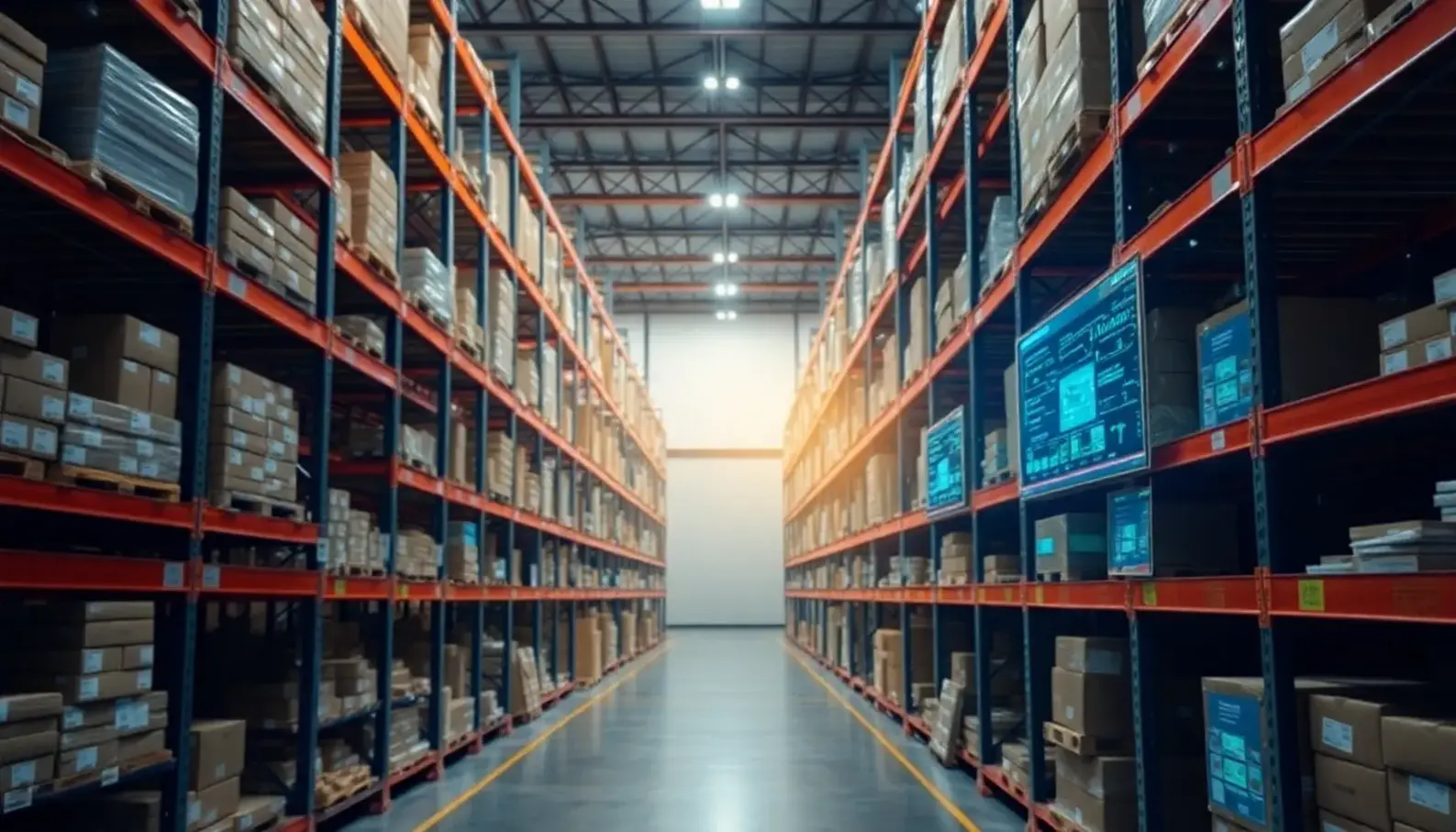
Artificial intelligence (AI) is revolutionizing risk management and inventory optimization across global supply chains, introducing unprecedented precision and efficiency. At the core of this transformation is AI’s ability to process massive datasets and identify patterns that may not be apparent to human analysts. Through data-driven insights and predictive analytics, organizations can reduce the risk of supply chain disruptions by anticipating challenges before they arise.
Supply chain disruptions, whether from geopolitical tensions, natural disasters, or sudden shifts in consumer demand, pose significant risks to businesses worldwide. AI contributes to mitigating these risks by providing predictive insights and suggesting proactive strategies. Machine learning algorithms, by analyzing historical data and current trends, can forecast potential disruptions and enable companies to adjust their strategies promptly. This ability to anticipate and react swiftly is crucial in maintaining a smooth flow of goods from manufacturer to consumer.
Case studies from various industries illustrate the practical implementation and benefits of AI in inventory management. For example, a major retailer integrated AI-driven demand sensing techniques to better understand customer buying patterns. By analyzing point-of-sale data along with social media trends and promotional activities, the retailer optimized its inventory levels. This approach led to a marked improvement in customer satisfaction due to fewer stockouts and overstock situations. Additionally, the company lowered its overall carrying costs by ensuring that only necessary inventory was stocked, all without sacrificing service levels.
Another compelling case involves a leading manufacturing company that adopted AI technologies for automated replenishment. By employing AI to predict optimal ordering times and quantities, the company reduced excess inventory, thereby cutting down on storage costs. With AI-driven replenishment systems, manual checks were minimized, freeing up resources for other critical business operations. This automation not only streamlined supply chain processes but also mitigated risks associated with human error in order forecasting.
The pharmaceutical industry also demonstrates AI’s potential in inventory optimization. Accurate demand forecasting is vital in this sector to prevent drug shortages, which can have severe implications. By deploying AI, a pharmaceutical company enhanced its forecasting accuracy for drug stocks. Predictive models accounted for seasonal trends, health policy changes, and emerging global health threats, allowing the company to maintain optimal stock levels. This foresight ensured that patients received necessary medications without delay, highlighting AI’s role in safeguarding public health.
Despite the significant advancements, implementing AI in supply chain management entails challenges. Data quality remains a primary concern. Clean, accurate, and relevant data is essential for training AI algorithms. To ensure robust AI models, companies must invest in sophisticated data management systems. Furthermore, integrating AI into existing ERP systems requires technical expertise and a cultural shift towards embracing digital transformation. These investments, however, are often justified by the long-term cost savings and efficiency gains realized through optimized inventory and risk management.
Ethical considerations also play a vital role in AI deployment. For AI systems to remain unbiased and fair, continuous monitoring and updating are necessary to ensure they reflect diverse input and evolving business climates. This aspect is crucial, especially in industries where supply chain decisions impact human livelihoods extensively.
The integration of AI into supply chains is more than a technological enhancement—it’s a strategic evolution. By leveraging AI for risk aversion and inventory optimization, organizations can maintain balanced inventory levels and anticipate unforeseen disruptions. These capabilities are essential in an era where agility and accuracy determine market leaders.
A related topic within the broader spectrum of AI’s impact is its ethical application across industries, explored in depth in this article. Understanding ethical implications is critical to maximizing AI’s potential while minimizing unintended consequences.
As AI continues to evolve, its role in enhancing supply chain efficiency will expand, driving innovations that keep pace with markets’ dynamic nature.
Sustainability and Ethical Dimensions of AI in Supply Chains

Artificial Intelligence (AI) is revolutionizing supply chains by embedding sustainability into the very fabric of operations. Among its many benefits, AI aids in significantly reducing emissions through enhanced route optimization and predictive maintenance. By analyzing massive datasets in real-time, AI systems enable logistics providers to determine the most efficient paths, reducing unnecessary fuel consumption. Predictive maintenance ensures machinery functions optimally, reducing emissions associated with repairs and downtime.
AI’s ability to process and analyze data allows businesses to forecast demand with remarkable accuracy. This foresight helps in minimizing waste by aligning production closely with actual demand, thereby preventing overproduction and reducing inventory stress. Companies can leverage AI to implement just-in-time inventory management systems, decreasing the need for extensive storage facilities.
Moreover, AI plays a pivotal role in resource management, supporting efforts to reduce water usage and energy consumption. Machine learning algorithms can predict the precise amount of resources needed for manufacturing processes, ensuring more efficient resource allocation.
In areas such as recycling and waste management, AI can significantly improve efficacy. For instance, AI-driven robots are increasingly used to sort recyclables efficiently, enhancing the quality and rate of material recovery. Sophisticated algorithms help identify areas for improvement in waste management practices, encouraging circular economy principles.
However, while AI’s potential to drive sustainability is profound, its deployment isn’t without ethical considerations. A prime concern lies in transparency. Stakeholders must understand AI decision-making processes to ensure compliance with both ethical standards and regulations. This transparency extends to the data used by AI, which should be accurate, unbiased, and protected against misuse.
Accountability is another critical ethical dimension. As AI systems make decisions that can affect peoples’ lives and the environment, assigning accountability becomes complex yet necessary. Companies need frameworks for accountability that delineate responsibility clearly across the AI development and deployment lifecycle.
AI also poses implications for labor markets within supply chains. While AI-driven automation can eliminate some roles, it can simultaneously create new opportunities. The challenge is to balance automation with human roles, facilitating reskilling and upskilling of the workforce to navigate this transition. Emphasizing human-AI collaboration can help alleviate fears and empower employees to work alongside machines effectively.
Implementing AI responsibly necessitates a collaborative approach among stakeholders. Industries must foster partnerships with governments, academic institutions, and non-profits to develop standards and best practices that align with sustainable goals. Establishing a shared vision for responsible AI use can lead to innovations that benefit the broader community.
Internationally, regulatory bodies are increasingly focused on AI’s ethical deployment, highlighting the need for global cooperation. Crafting policies that balance technological advancement with ethical norms is paramount to realizing AI’s full potential in supply chain transformations.
For those interested in the evolution of AI in different domains, exploring how AI transforms various sectors can provide valuable insights. One resourceful avenue is the examination of AI in HR strategies, illustrating AI’s multifaceted role across industries.
As AI continues to integrate within supply chain practices, its potential for fostering sustainability and efficiency is indisputable. Engaging with ethical deployments collaboratively ensures AI advances are paired with responsible practices, promoting a future where supply chains are not only smarter but also more sustainable and ethical.
Final words
AI’s integration into supply chain management presents unprecedented opportunities for efficiency, risk management, and sustainability. As organizations adapt to technological advancements, investors and analysts should focus on AI’s role in shaping resilient, environmentally conscious supply chains. A forward-thinking approach can uncover new dynamics in competitive advantage and operational effectiveness.
Stay informed on the latest trends in AI and supply chain innovation. Subscribe for updates!
Learn more: innoupdates.com
About us
Our company specializes in providing cutting-edge analytical insights and AI-driven solutions to optimize supply chain operations. We empower businesses by integrating advanced technologies, allowing them to adapt swiftly to market changes while maximizing efficiency and sustainability. Partner with us to unlock the full potential of your supply chain.