
Artificial intelligence (AI) is reshaping various sectors, and the supply chain is no exception. Entrepreneurs and legal professionals are finding that integrating AI into supply chain strategies can enhance efficiency, reduce costs, and foster innovation. With AI’s capabilities to analyze large datasets, predict trends, and automate processes, businesses can stay competitive and responsive to market changes. Understanding how to effectively leverage AI can be a game-changer in navigating complexities within supply chains, leading to informed decisions and strategic growth.
Understanding AI: Core Concepts and Applicability in Supply Chains
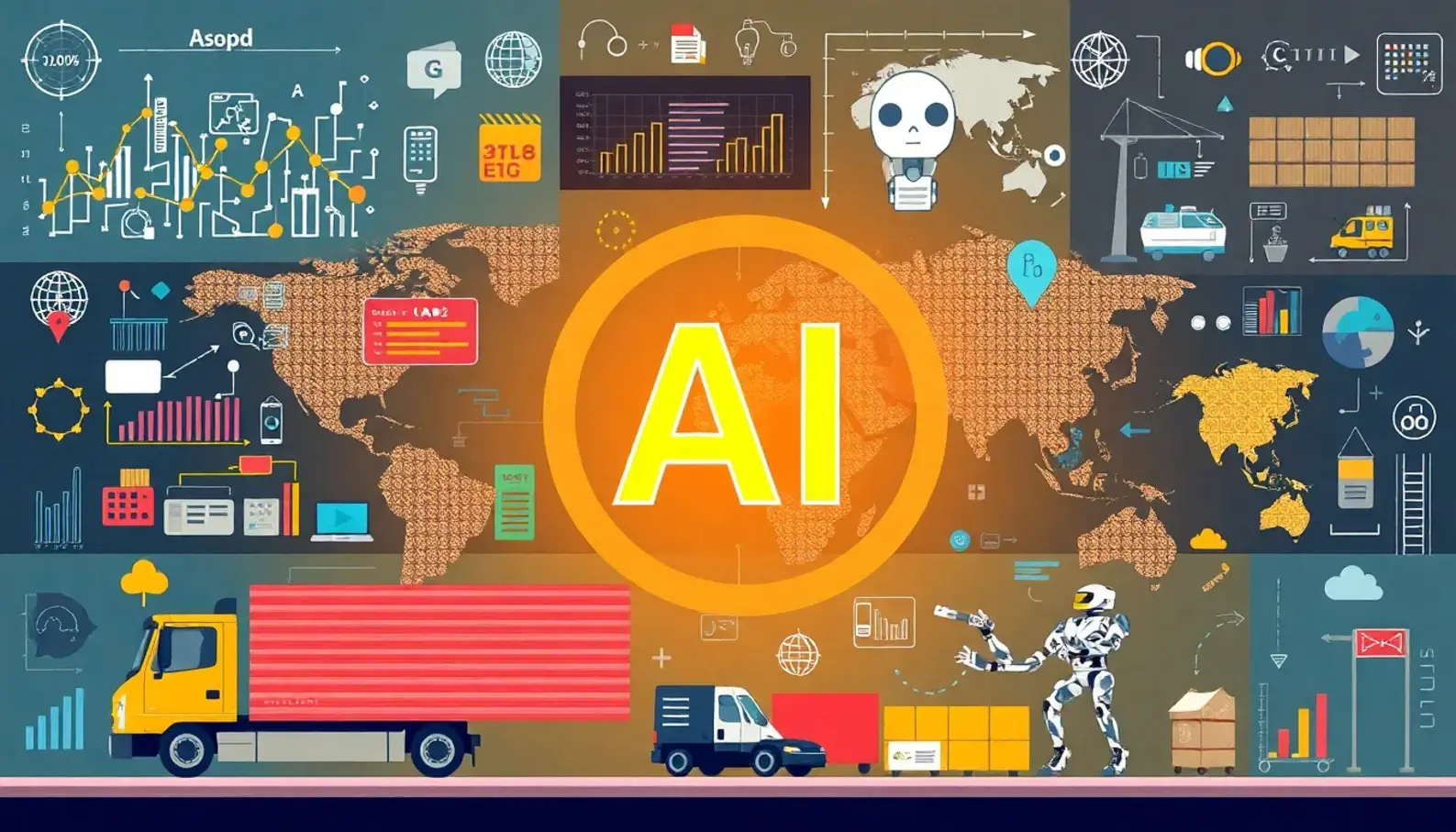
Artificial Intelligence (AI) is reshaping industries by introducing capabilities that drive efficiency and innovation. At the heart of AI lies machine learning (ML), a subset focused on algorithms that improve through experience. In supply chain management, ML enables systems to predict demand, optimize routes, and enhance procurement processes. By analyzing vast datasets, ML algorithms identify patterns and insights that support proactive decision-making.
Data analytics plays a pivotal role in AI’s impact on supply chains. Data, often described as the new oil, fuels AI models. Through data analytics, supply chains harness real-time insights to refine operations. This involves extracting actionable information from structured and unstructured data, offering a robust understanding of market dynamics. Entrepreneurs and legal advisors benefit by gaining clarity on risk management, compliance, and strategic positioning.
Automation, another cornerstone of AI, transforms repetitive tasks. In supply chains, automation minimizes human intervention in standard processes, reducing errors and increasing throughput. Automated robotics in warehouses expedite inventory management, while self-organizing logistics frameworks enhance delivery precision. The reduction in manual labor allows human resources to focus on strategic initiatives.
One practical application of AI in supply chains is in demand forecasting. Traditional methods relied on historical sales data, often missing external influences like market trends. AI integrates various data sources—consumer behavior, social media sentiment, and economic indicators—to deliver nuanced forecasts. This approach reduces stock-outs and excess inventory, improving operational agility and cost efficiency.
Enhanced decision-making through AI is a game changer. By leveraging predictive analytics, supply chain managers anticipate disruptions and dynamically adjust plans. This foresight is invaluable for legal experts who must navigate regulatory landscapes and ensure compliance. AI’s predictive capability aligns business strategies with evolving legal frameworks, fostering a collaborative approach to risk mitigation.
Furthermore, AI’s capabilities extend to supplier relationship management. Algorithms evaluate supplier performance, enabling transparent and efficient selection processes. This clarity strengthens negotiation positions and ensures adherence to compliance standards. Legal advisors gain from AI’s potential to streamline contract management, reducing uncertainties related to performance obligations.
Blockchain interoperability with AI presents another promising frontier. Utilizing AI to monitor and verify transaction authenticity enhances supply chain transparency. Smart contracts facilitate automated execution of agreements, providing legal experts with tools to audit compliance effortlessly.
To remain competitive, businesses must adapt to AI-driven supply chain strategies. The transition requires investment in AI literacy across all organizational levels. A holistic understanding allows stakeholders to leverage AI’s potential adequately. Continuous learning modules and cross-functional teams foster an environment of innovation, integrating AI seamlessly into supply chain architecture.
Incorporating AI into supply chain strategies not only streamlines operations but also establishes a foundation for sustainable growth. By adopting cutting-edge technologies, entrepreneurs and legal experts can confidently navigate the complexities of the modern supply chain landscape. As AI evolves, its role in transforming supply chains will continue to expand, offering unprecedented opportunities to enhance efficiency and decision-making.
Also, the adoption of AI in logistics is further explored in the article Autonomous Drones in Logistics, which delves into how drones are revolutionizing the supply chain network.
Legal Considerations: Navigating Regulatory Landscapes in AI Implementation

Incorporating artificial intelligence into supply chain strategies offers numerous advantages, but it also presents a complex legal landscape for entrepreneurs and legal experts. A key aspect is understanding the regulatory framework that governs AI-related activities, focusing on data protection regulations and compliance issues. This chapter analyzes these elements in depth, equipping readers with essential knowledge to avoid legal pitfalls while ethically leveraging AI innovations in supply chains.
At the core of AI’s functionality is data, and thus, data protection laws hold significant relevance. Primary legislation in several jurisdictions, including the General Data Protection Regulation (GDPR) in the European Union, establishes stringent rules for data handling. Entrepreneurs must ensure that any AI system deployed within the supply chain complies with consent requirements and data processing standards. Non-compliance can result in hefty fines that may reach up to €20 million or 4% of global turnover, whichever is higher.
Data minimization and purpose limitation are pivotal under the GDPR. AI applications must be designed to process only the data necessary for specified purposes. Legal experts need to assess AI models to ensure these principles are adhered to, thereby mitigating risk of infringement. Additionally, implementing robust data protection mechanisms like anonymization and encryption is crucial to protect sensitive information.
In the United States, while no federal law mirrors the GDPR’s scope, a patchwork of regulations such as the California Consumer Privacy Act (CCPA) governs data usage. These laws grant consumers specific rights over their data, such as access and deletion, which organizations must accommodate. Understanding these various requirements is essential for maintaining compliance across different territories.
Beyond data protection, AI implementation raises concerns regarding transparency and accountability. Legal precedents indicate a growing expectation for AI systems to explain their decision-making processes, especially in industries where biased outputs could result in unequal treatments. Case law stemming from employment and financial sectors heavily influences this perspective, emphasizing fair AI practices.
Transparency mandates legal experts assess algorithmic biases to ensure equitable treatment of stakeholders. Legal professionals should engage with tech developers to audit and revise AI models, eliminating discriminatory elements where necessary. This proactive approach not only aligns with legal expectations but also reinforces corporate integrity.
Intellectual property (IP) considerations also come into play in AI-powered supply chains. Protecting AI innovations through patents or trade secrets is vital, yet intricate. AI algorithms, in particular, present IP challenges because their outcomes might change with data variations, complicating patent applications. Moreover, collaboration with third parties often leads to co-ownership issues, necessitating clear contractual agreements to safeguard IP rights.
Contractual clarity extends to AI service agreements, which must delineate responsibilities regarding data security and compliance. These agreements should include service level expectations and liability clauses in the event of data breaches or non-performance. Entrepreneurs armed with detailed contracts can better navigate legal disputes while fostering trust with stakeholders.
Ethical considerations further compound legal challenges, especially as AI can amplify existing social inequalities if not regulated effectively. Ethical use of AI requires adhering to principles such as fairness, transparency, and accountability. Legal experts should guide companies in developing ethics-centric policies, reflecting a commitment to responsible AI use.
Emerging case law continues to shape the legal landscape, reinforcing certain standards while prompting reevaluation of others. For legal practitioners, staying informed on these developments is crucial for advising on AI strategy effectively. Cases involving AI misinterpretations or privacy violations provide critical insights into judicial reasoning and enforceability aspects.
Entrepreneurs and legal professionals should leverage AI’s potential by integrating it into supply chains while being vigilant about legal nuances. Addressing these regulatory and ethical considerations not only ensures compliance but also strengthens competitive advantage. For comprehensive understanding, additional resources can be explored, such as insights on AI’s legal interactions in various industries (read more: AI in Law).
In summary, navigating the regulatory landscape for AI in supply chains requires a concerted effort to understand and apply data protection laws, transparency standards, and ethical principles. Legal experts must be proactive, ensuring that AI innovations are both legally compliant and ethically sound, positioning companies well for future advancements.
Final words
AI’s integration into supply chain strategies is imperative for contemporary entrepreneurs and legal professionals. By understanding its capabilities and adhering to legal guidelines, businesses can harness AI to enhance efficiency, reduce costs, and ensure compliance. The future of supply chains will increasingly rely on informed decisions driven by AI insights, offering growth and competitive advantage.
Join the Community
Learn more: innoupdates.com
About us
At Innovate Updates, we specialize in providing cutting-edge insights and resources that empower entrepreneurs and legal professionals to harness the potential of AI in supply chain management. Our platforms connect industry experts and innovative thinkers, fostering collaboration and sharing best practices. Stay ahead in the rapidly evolving landscape of supply chains with our tailored guidance as you implement AI strategies to drive efficiency and ensure legal compliance.