Ambient Intelligence represents a paradigm shift where technology becomes an invisible yet pervasive part of our environments. It extends beyond traditional smart devices, creating context-aware ecosystems that respond intelligently to human needs. Designers and tech enthusiasts alike are inspired by the potential of this transformative technology. Imagine entering a room that adjusts to your preferences without your input or a city that responds to traffic in real-time—a world where the distinction between the digital and physical fades away. This exploration will take you deeper into the vibrant tapestry of Ambient Intelligence, its possibilities, and implications for future design.
The Concept of Ambient Intelligence: Where Technology Meets Subtlety

Ambient Intelligence (AmI) embodies a vision where technology harmonizes with our surroundings, making environments more sensitive, adaptive, and personalized to our needs. Unlike the explicit interaction models where users consciously engage with devices, AmI subtly integrates technology in ways that feel natural and intuitive. It operates in the background, enhancing our spaces without demanding active participation.
At the core of Ambient Intelligence is the seamless integration of multiple technologies, each working in concert to create environments that respond to human presence and activities. This involves a confluence of sensors, artificial intelligence (AI), and machine learning algorithms that together build an ecosystem capable of understanding and predicting human behavior. The subtle yet profound impact of AmI lies in its ability to transform spaces into intuitive habitats that adapt to the rhythms of daily life.
In smart homes, ambient intelligence manifests in systems that manage lighting, climate, and security autonomously. For instance, intelligent lighting systems can adjust based on the time of day or detected activity, creating the perfect ambiance without manual input. Such systems rely on sensors that detect motion, presence, and ambient light levels, feeding data into AI models to make real-time adjustments. In this manner, homes not only conserve energy but also enhance comfort and convenience.
Public spaces utilize ambient intelligence to create safer and more efficient environments. In cities, intelligent traffic systems leverage a network of sensors and AI to optimize traffic flow and reduce congestion. These systems analyze real-time data to adjust traffic signals dynamically, ensuring smoother commutes. Additionally, AmI in public transport can personalize travel experiences by providing commuters with real-time information based on their location and preferences.
Workplaces benefit from ambient intelligence by enhancing productivity and well-being. Smart offices equipped with ambient technology can adjust heating, cooling, and lighting based on occupancy and preference profiles. Sensors and AI work together to create environments conducive to focus and collaboration. Beyond physical adjustments, AmI can personalize digital workspaces by tailoring information delivery to individual roles and projects, integrating seamlessly with digital assistants. Explore smart assistants in home settings, which mirrors similar applications in the workplace.
Central to the success of AmI is advanced sensor technology. These sensors, often networked and distributed throughout a space, gather vast amounts of data that feed into algorithms trained to recognize patterns and predict needs. Whether through motion detection, temperature sensing, or even biometric data collection, these sensors form the backbone of AmI systems, enabling environments to respond with precision.
Machine learning and AI further enhance the capability of ambient intelligence by allowing systems to learn from interactions and evolve. AI models can recognize habitual patterns and preferences, adjusting environmental settings proactively. This ability to learn ensures that AmI solutions are not static but grow increasingly attuned to user needs, providing assistance that feels both timely and appropriate.
Privacy and security are paramount in ambient intelligence systems, given the depth of personal data involved. Ensuring that data is gathered, processed, and stored securely fosters trust in AmI technologies. It is essential for spaces to be not only intelligent but also respectful of privacy, with transparent practices around data usage and user control.
The impact of ambient intelligence extends beyond mere convenience. It has the potential to redefine how we interact with the world, fostering environments where technology is invisible, yet its benefits are omnipresent. The subtlety of AmI ensures that technology enhances rather than intrudes, creating spaces that feel naturally attuned to the people within them. By leveraging cutting-edge technologies and continuously refining interactions, ambient intelligence paves the way toward truly intelligent environments.
Designing for Ambient Intelligence: The Art of Human-Centric Tech
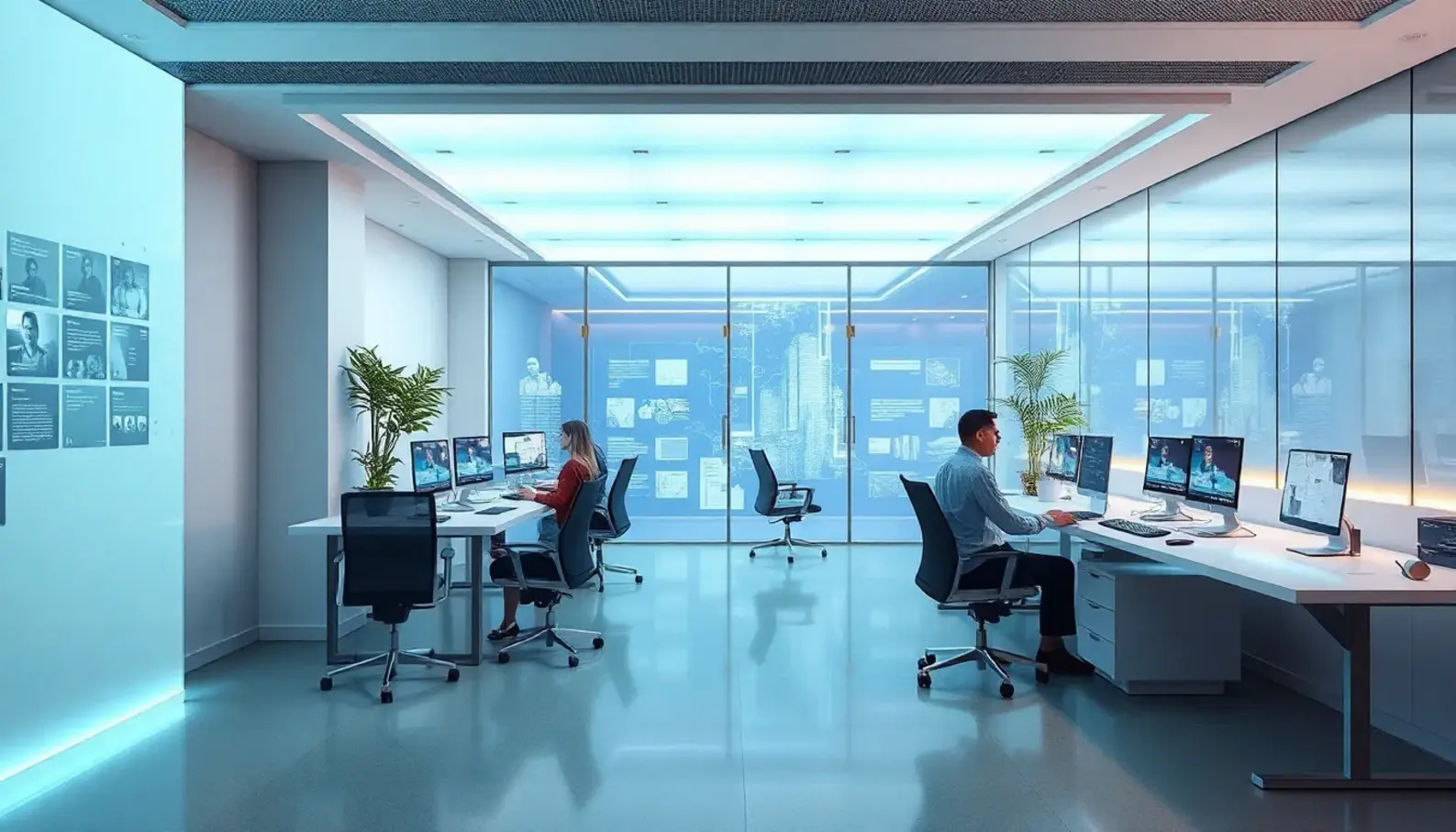
Creating inspiring Ambient Intelligence (AmI) experiences hinges on meticulous design principles that focus on seamless integration of user experience with advanced technologies. Attention must be paid to cultivating intuitive interactions, ensuring these technologies serve as invisible yet indispensable aids to daily life. Synthesizing user needs with technological capabilities forms the crux of engaging designs that feel both natural and interactive.
To achieve this, designers should prioritize simplicity and accessibility. Technologies should adapt to user needs, not the other way around. Users must feel like they’re interacting with an extension of their cognitive and physical capabilities rather than feeling limited or overwhelmed. Designs must account for various user demographics, including age, tech-literacy, and physical abilities. Inclusive design ensures that everyone can benefit from these advancements.
A core principle in AmI design is context-awareness—the system’s ability to recognize and respond to a user’s environment and behavior. Designers need to anticipate and accommodate diverse contexts, behaviors, and preferences. Contextual cues must be used to deliver tailored experiences that seem personalized and predictive. For instance, in smart cities, ambient intelligence can be employed to efficiently manage traffic flow, also enhancing pedestrian safety by adapting to real-time data.
Another fundamental aspect is transparency—users should understand how and why their data is collected and used. AmI systems must strive for open communication about data use, empowering users to make informed decisions about their interactions with technology. Establishing trust through transparent practices helps mitigate concerns regarding privacy and surveillance.
The importance of ethical considerations cannot be overstated. As AmI systems become increasingly embedded in personal spaces, ethical frameworks must guard user data and respect individual privacy. Strategies like data minimization, encryption, and differential privacy are essential in safeguarding sensitive information. Designers hold a responsibility to integrate these technological safeguards without compromising user experience.
Real-life applications of AmI underscore the essential interplay between design and technology. In healthcare, intelligent systems monitor patient vitals and predict potential health concerns before they escalate. Here, user-centered design ensures these interfaces are user-friendly and accessible, especially for people with limited technological proficiency.
Similarly, in retail, ambient intelligence transforms shopping experiences. AI-driven systems provide suggestions and optimize store layouts for efficiency and customer satisfaction. Designers must ensure these systems feel personal and responsive, crafting interactions that are intuitive and engaging, ultimately enhancing the purchasing experience.
Interdisciplinary collaboration is the bedrock of innovative AmI solutions, merging the expertise of technologists and designers. Technologists bring forth the necessary infrastructure and functionality, while designers infuse empathy and user-centric insights. This synergy fosters innovation, pushing the boundaries of what ambient intelligence can achieve.
By integrating user experience with technology, designers of Ambient Intelligence systems play a critical role in reimagining spaces that are more aware, responsive, and accommodating. As technology continues to weave itself into the fabric of everyday life, the emphasis should remain on making these interactions as smooth and natural as possible, empowering users in their environments with respect, ethics, and utility at the core.
Final words
Ambient Intelligence is not merely about advanced technologies but about crafting experiences that resonate deeply with our human instincts. As environments become increasingly intelligent, the role of designers expands to envision spaces that harmonize our needs and aspirations with seamless technology. This journey reveals that Ambient Intelligence has the potential to redefine how we interact with the world around us, creating not just spaces but experiences that enrich life.
Experience the Future
Learn more: https://innoupdates.com
About us
Smart Home Solutions: Transform your living space with innovative smart home technologies designed for comfort, security, and energy efficiency. Our solutions integrate ambient intelligence, enhancing your lifestyle with seamless automation and control.