Artificial Intelligence (AI) is starting to reshape various industries, and supply chain maintenance is no exception. As pressures increase for efficiency, cost savings, and sustainability, organizations are eager to incorporate AI technologies into their infrastructure. From predictive analytics that anticipate equipment failures to real-time data processing enhancing operational effectiveness, the integration of AI presents significant opportunities. Understanding how these innovations impact maintenance processes will not only facilitate smoother operations but also pave the way for a more agile workforce. Dive deeper to explore the role of AI in redefining maintenance within the supply chain.
Unleashing Predictive Maintenance through AI
The traditional approach to maintenance in supply chain management often relies on reactive strategies or scheduled maintenance. These methods can be inefficient, leading to unexpected downtime and inflating operational costs. Enter the era of predictive maintenance, where artificial intelligence (AI) algorithms form the backbone of a revolution in upkeep and efficiency.
Predictive maintenance uses advanced algorithms and machine learning models to predict equipment failures before they occur. This proactive approach allows supply chain managers to schedule repairs and maintenance activities at the most opportune times, minimizing disruptions and enhancing the overall lifecycle of assets.
Applications of Predictive Maintenance
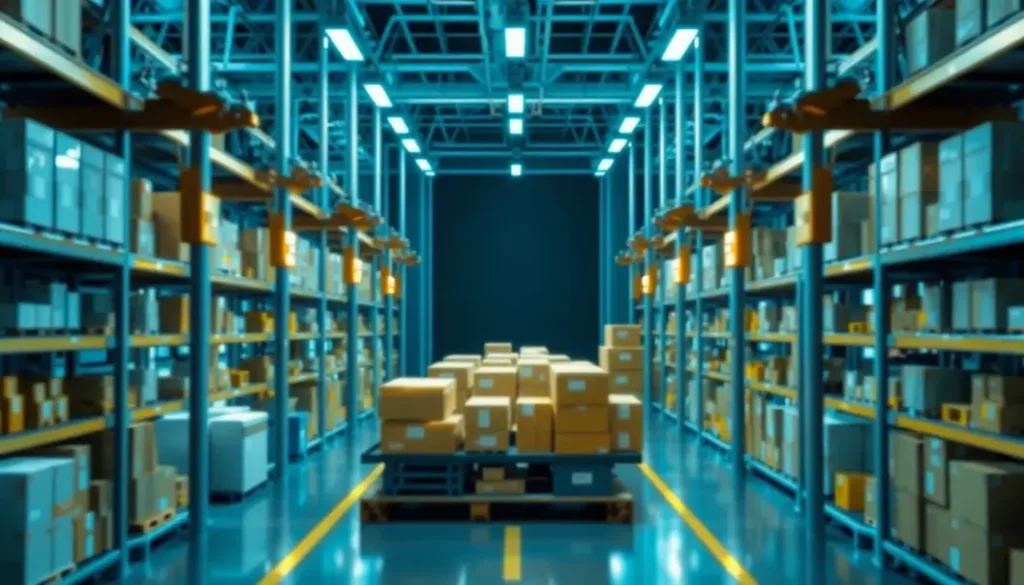
Predictive maintenance can be applied in numerous ways across the supply chain. In warehouse management, AI systems analyze data from various sources like sensors and historical records to foresee equipment malfunctions. For logistics, predictive analytics play a pivotal role in forecasting potential issues with transportation assets, such as trucks or ships, thus improving delivery schedules.
Manufacturing lines benefit significantly from predictive maintenance by harnessing data from IoT-enabled devices. For example, sensors can monitor temperature, vibration, and operational speed, feeding this data into AI models to predict and prevent machine wear. This ensures a seamless production flow, reducing the risk of operational bottlenecks.
The Technology Behind Predictive Maintenance
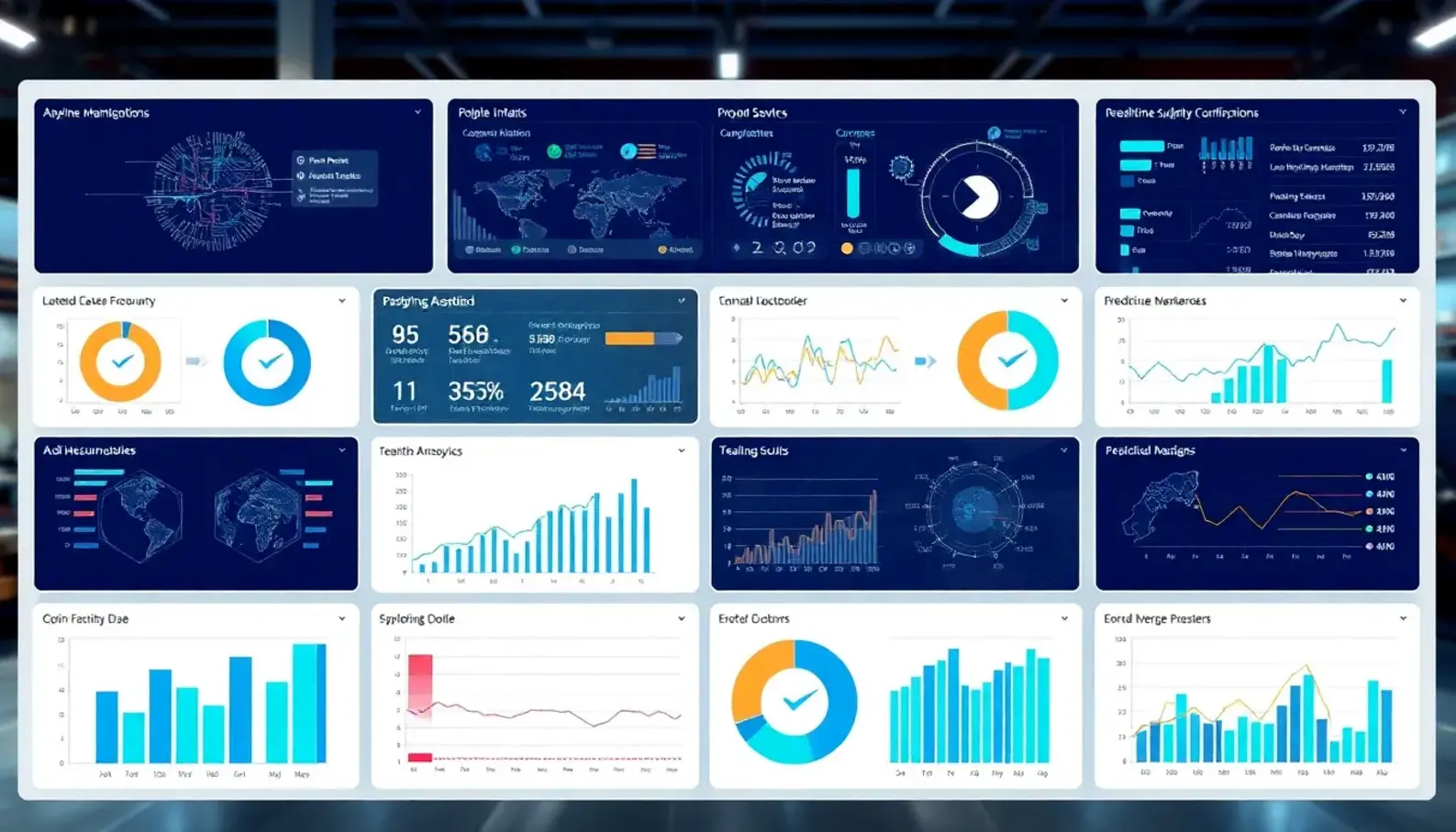
The core technology enabling predictive maintenance is the integration of machine learning and vast data sets. Machine learning algorithms, particularly those related to time series forecasting and anomaly detection, are tailored to identify patterns indicative of impending failures. These models require substantial data, thus making data collection and management critical.
Data needs to be collected from a multitude of sources, including equipment sensors, historical maintenance records, and operational logs. This diverse data is then processed and analyzed to train AI models which continuously improve over time. The deployment of such sophisticated technologies necessitates a robust infrastructure, including cloud computing capabilities and high-speed data processing systems.
Real-World Impact and Benefits
In the real world, companies that have adopted predictive maintenance report significant improvements. One logistics company reduced downtime by 30%, translating into substantial cost savings and more reliable service. Another manufacturing enterprise improved asset utilization by leveraging predictive insights, thus extending the lifespan of critical machinery.
The benefits of predictive maintenance extend well beyond cost savings. Improved asset management leads to enhanced resource efficiency and sustainability by maximizing equipment performance. Additionally, scheduling maintenance proactively fosters safer working environments by preventing catastrophic failures.
Moreover, AI-driven maintenance strategies enable a more efficient allocation of workforce resources. Technicians can focus on tasks that require human intervention, guided by insights derived from predictive analytics. This raises productivity and satisfaction levels among staff, aligning daily activities with strategic goals.
Challenges in Implementation
Despite its numerous advantages, implementing predictive maintenance systems is not without challenges. The transition from reactive to predictive frameworks requires a cultural and operational shift within organizations. Supply chain professionals must adapt to interpreting data-driven insights and integrating them into decision-making processes.
For HR managers, the primary challenge lies in reskilling the workforce to work alongside AI systems. New skills in data analysis and understanding AI-driven insights become paramount as traditional maintenance roles evolve. There is also the need to manage resistance to change, a common hurdle when introducing new technologies to established practices.
Finally, there are logistical and technical hurdles to overcome. Establishing the necessary IT infrastructure, ensuring data security, and maintaining data integrity are essential to the successful deployment of AI-powered predictive maintenance.
To navigate these challenges, organizations often turn to comprehensive change management strategies, adopting a phased approach to implementation. This involves pilot programs that gradually scale up as confidence builds within the workforce.
Conclusion
Predictive maintenance powered by AI is reshaping supply chain management landscapes by capitalizing on data to predict and prevent equipment failures. Although incorporating such technologies requires overcoming substantial challenges, the benefits—ranging from cost savings to improved operational efficiency—are compelling. As AI continues to evolve, so too will its capacity to enhance supply chain resilience and agility, preparing businesses for an increasingly dynamic future.
For further insights into how AI technologies are transforming industries, consider exploring this article on the intersection of AI and business growth.
Reshaping Workforce Dynamics with AI Integration

The convergence of artificial intelligence (AI) with supply chain maintenance marks a pivotal transformation in workforce dynamics. The incorporation of AI technologies is prompting a fundamental shift toward automation, reshaping traditional roles and birthing new opportunities in data analytics, system management, and strategic decision-making. These changes require a recalibration of skills and a reevaluation of workforce requirements.
Automation is becoming an integral part of supply chain maintenance, driving efficiency and accuracy across operations. As manual, labor-intensive tasks become automated, there is a noticeable reduction in the demand for traditional maintenance roles. However, this shift is not solely about displacement but about evolution. Automation brings forth a paradigmatic shift where human roles are redirected towards more value-add functions. Employees are increasingly required to interpret data, manage AI systems, and contribute to strategic decisions that leverage AI insights. This transition fosters the emergence of roles such as AI specialists, data analysts, and system integrators.
Human resource managers play a vital role in ushering teams into this AI-enhanced environment. Developing a workforce adept in analytical thinking, technical proficiency, and strategic management is essential. Key skills include data literacy, algorithmic understanding, and process optimization capabilities. Training programs focusing on these areas become critical competitive tools, equipping employees to harness AI effectively.
One illustrative case is a global logistics firm that successfully integrated AI into its maintenance operations. By deploying AI-driven predictive analytics, the firm reduced equipment downtime and optimized inventory management. This implementation necessitated upskilling initiatives for employees, focusing on data-driven decision-making and AI system management. The program supported a seamless transition to AI-enhanced roles, driving both operational excellence and workforce satisfaction.
In navigating this transformation, continuous learning and adaptability are paramount. Upskilling initiatives should involve structured training programs that include workshops, certifications, and on-the-job training. Partnerships with educational institutions for tailored courses further enhance the skill set of employees, preparing them for the future demands of an AI-centric landscape.
It is essential to address concerns related to job displacement due to AI integration. While some roles may be reduced or reshaped, AI can simultaneously catalyze the creation of new positions that emphasize human ingenuity and high-level problem-solving. The focus shifts towards roles that require empathy, creative thinking, and strategic foresight—skills that complement AI’s strength in data processing and pattern recognition.
The pathway forward lies in embracing AI as a tool for empowerment rather than a threat. As the workforce adapts to this new milieu, the potential for skill enhancement and job creation in emerging areas becomes evident. Investments in reskilling and continuous learning not only mitigate employment risks but also unlock the capabilities needed to thrive in an AI-driven future.
For a more detailed exploration of AI’s impact on business dynamics and workforce strategies, see AI Human Resources Strategies.
Final words
AI’s integration into supply chain maintenance represents a pivotal shift in how companies manage operations and workforce dynamics. With predictive maintenance at the forefront, organizations can enhance efficiency, save costs, and improve overall productivity. Moreover, addressing the evolving skill requirements ensures that HR managers play a crucial role in leading teams through this transformation. Embracing these AI innovations will not only yield operational benefits but also foster a company culture that embraces change and innovation.
Download Research Report
Learn more: https://innoupdates.com
About us
Our company provides state-of-the-art AI solutions tailored for supply chain management. With a focus on predictive maintenance, data analytics, and workforce training, we empower organizations to optimize their operations and achieve sustainable growth. Our commitment to innovation drives us to deliver cutting-edge technology that meets the evolving needs of the industry, ensuring that your supply chain is always a step ahead.