Artificial Intelligence (AI) is revolutionizing the supply chain landscape, merging technology with traditional logistic strategies. For designers and scientists, understanding AI’s capabilities is crucial, as it enhances efficiency, reduces costs, and improves product delivery. This synergy between AI tools and supply chains not only streamlines operations but also fosters innovation and adaptability in today’s competitive environment. By examining evidence-based methodologies, we can appreciate how AI is reshaping the future of supply chain management, addressing critical challenges, and unlocking new avenues for growth.
The Foundations of AI in Supply Chains
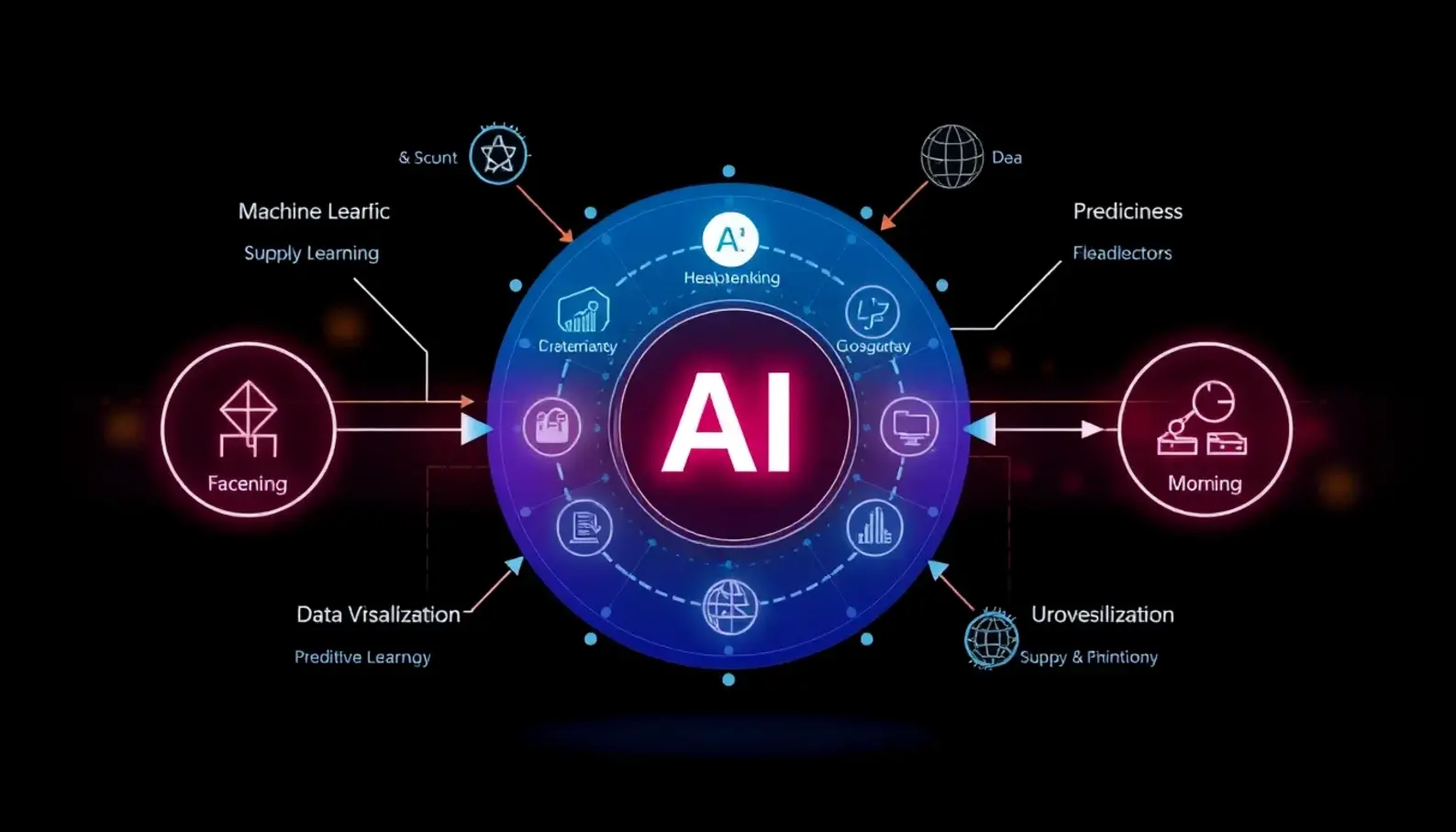
Artificial Intelligence (AI) serves as a crucial catalyst for innovation within supply chain management, offering transformative capabilities that optimize decision-making and enhance operational efficiency. To understand its integration into supply chain systems, we must first dissect the foundational AI technologies—such as machine learning, predictive analytics, and natural language processing (NLP)—and their practical applications.
Machine Learning
Machine learning, a subset of AI, equips computers with the ability to learn autonomously from historical data patterns without explicit programming. In supply chains, machine learning algorithms can predict demand fluctuations, optimize inventory levels, and improve supplier selection processes. For example, AI-driven demand forecasting models analyze historical sales data, seasonal trends, and external factors like market conditions or climate patterns. This allows businesses to anticipate demand more accurately than traditional methods, reducing both overstock and stock-out scenarios.
Beyond demand forecasting, machine learning algorithms play an integral role in enhancing logistics. They help identify optimal delivery routes by processing real-time traffic, weather data, and fuel consumption rates. Such applications not only minimize transportation costs but also improve delivery timelines, thus fostering customer satisfaction.
Predictive Analytics
Predictive analytics extends the capabilities of machine learning by offering foresight into potential future scenarios. Leveraging current and historical data, predictive models provide insights that inform strategic decision-making processes. Within supply chains, predictive analytics tools analyze various data streams to forecast market demands and mitigate risks—such as disruptions in the supply chain caused by geopolitical tensions or pandemics.
Consider a global manufacturer utilizing predictive analytics to manage supplier risk. By continuously monitoring supplier performance data, along with geopolitical, environmental, and economic indicators, companies can identify vulnerabilities. This proactive approach allows them to diversify their supplier base or stock critical materials in advance.
Natural Language Processing (NLP)
Natural language processing has revolutionized the way companies interact with their data. By enabling computer systems to understand and interpret human language, NLP facilitates effective communication between machines and humans. This technology proves invaluable in streamlining supply chain operations through intelligent automation.
For instance, NLP-powered chatbots manage routine inquiries from stakeholders, freeing human resources for more complex issues. Additionally, sentiment analysis tools scan social media channels and online reviews to gauge public opinion about a company’s products, enabling real-time market response. In document processing, NLP can swiftly analyze contracts and emails, extracting critical information that aids in supplier negotiations and compliance monitoring.
Addressing Common Supply Chain Challenges
AI technologies address several prevalent challenges within supply chains. Inventory mismanagement is one such issue historically plagued by inefficiencies. Through predictive analytics, companies maintain optimal inventory levels, reducing holding costs and minimizing waste. AI-driven systems also balance supply and demand dynamics, ensuring that the right products reach the right place at the right time.
Moreover, AI enhances supply chain visibility, a crucial factor in today’s interconnected world. By harnessing real-time data analytics, companies gain end-to-end visibility over their entire supply chain, from raw material sourcing to final product delivery. Enhanced visibility not only helps in identifying bottlenecks but also streamlines workflows and improves collaboration between different supply chain segments.
Real-World Applications and Operational Efficiency
The practical applications of AI in supply chains are manifold. In the automotive industry, predictive maintenance reduces downtime in manufacturing plants by forecasting machinery breakdowns and scheduling preemptive maintenance. Similarly, in the retail sector, AI-driven inventory management systems adjust stock levels based on real-time consumer demand data, reducing inventory waste and improving turnover rates.
Another notable example is the use of autonomous drones in logistics, which offer rapid delivery solutions, particularly in challenging terrains. For a deeper exploration of how autonomous systems aid logistics, including drones, you can visit innoupdates on autonomous drones in logistics.
AI also streamlines the procurement process by using predictive analytics to evaluate supplier reliability and price fluctuations. These insights enable procurement teams to make informed decisions and negotiate better terms, ultimately lowering costs and enhancing supply chain resilience. Furthermore, AI technologies improve sustainability practices by optimizing resource use, reducing waste, and enhancing recycling efforts.
Whether through improved risk management, streamlined operations, or enhanced customer satisfaction, AI fundamentally redefines how supply chains operate. By understanding and applying these foundational AI technologies, designers and scientists in supply chain management unlock new levels of efficiency and resilience.
Enhancing Visibility and Agility Through AI Analytics
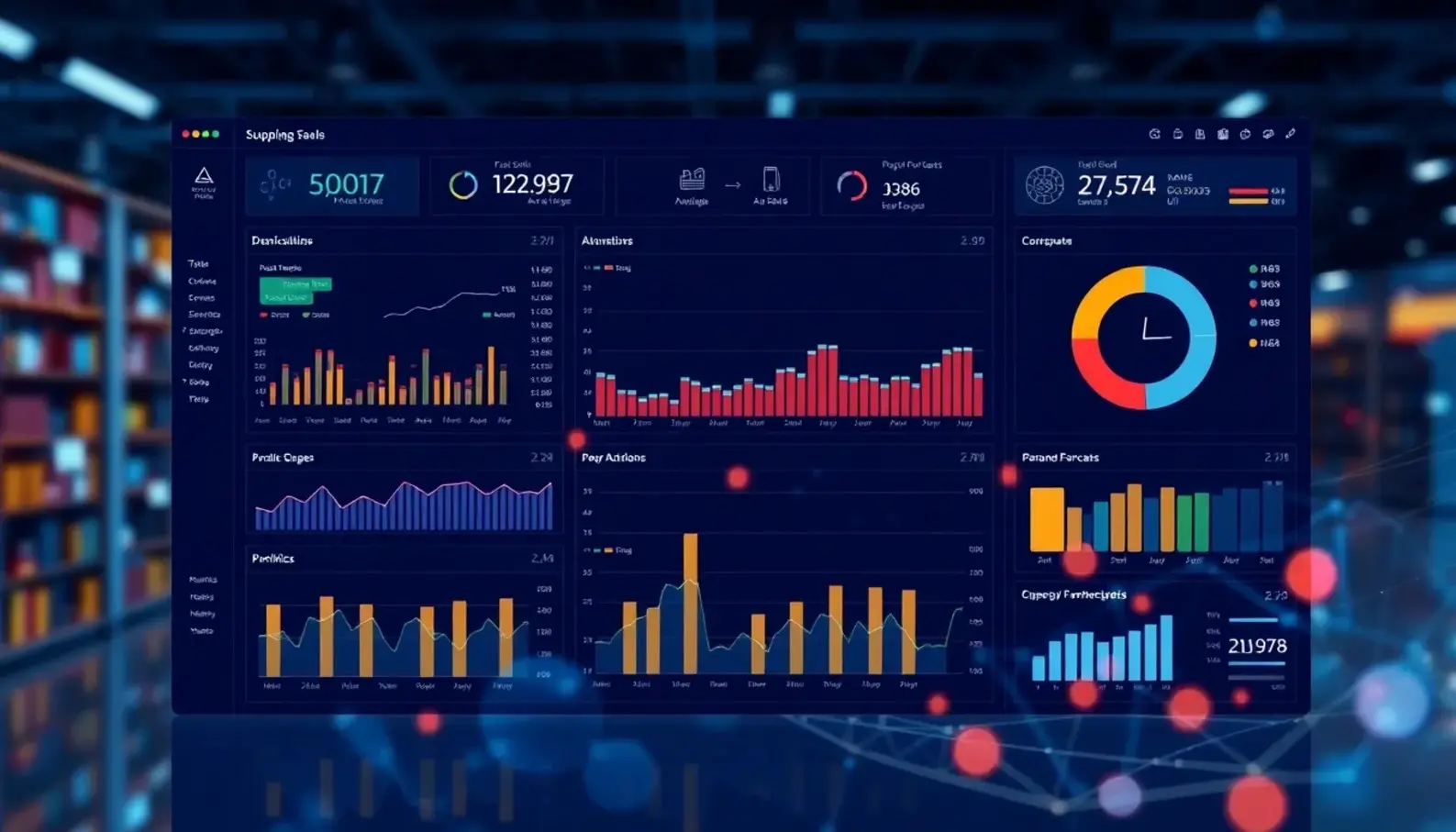
Supply chain management is undergoing a transformative phase with the integration of AI analytics, revolutionizing visibility and agility at multiple touchpoints. As supply chains grow more complex, the need for real-time data processing and rapid adaptability becomes paramount. AI analytics afford businesses the capability to gain insights into their operations, offering significant improvements in both visibility and agility.
The integration of real-time data processing into supply chain operations serves as a critical advantage. This process allows for near-instantaneous transmission and interpretation of data from various logistical stages. Consequently, businesses can monitor their supply chains in real time, enabling swift responses to potential disruptions. The key to this transformation lies in the ability to synthesize large volumes of data from disparate sources, refining them into actionable insights. For instance, IoT sensors throughout a distribution network can track the movement and condition of goods. Coupling these sensors with AI analytics enables firms to detect anomalies immediately, minimizing delays and product wastage.
Demand forecasting is an indispensable aspect where AI analytics demonstrate profound impact. Traditional forecasting methods often rely on historical data, which might not fully reflect upcoming market shifts. By leveraging AI, businesses achieve a more nuanced understanding of demand patterns. Machine learning algorithms can analyze consumer behavior, market trends, and external factors such as economic indicators, weather changes, and social media sentiment to predict future demand with remarkable accuracy. These insights lead to more informed decision-making regarding production schedules, inventory purchases, and distribution strategies.
Case studies highlight the practical applications and benefits of AI-driven demand forecasting. A notable example involves a retail giant that implemented AI solutions to predict spikes in product demand based on holiday seasons and special events. The AI system analyzed vast datasets, detecting patterns that traditional methods might have overlooked. As a result, the company experienced fewer stockouts and excess inventory, meeting customer demand more efficiently and boosting overall satisfaction.
Inventory management also benefits immensely from AI analytics. Optimal inventory levels are crucial for avoiding both overstocking and understocking, which can hinder financial performance and customer satisfaction. Through AI-powered systems, businesses can dynamically adjust inventory levels based on real-time data. These systems take into account factors such as sales trends, lead times, and supply chain disruptions, adjusting inventory orders as necessary. The adaptability afforded by AI reduces the dependency on human judgment and static models, leading to a more resilient supply chain.
Consider a manufacturing firm that faced challenges in maintaining optimal inventory across multiple warehouses. With AI analytics, the firm established a real-time inventory monitoring system. The system tracked stock levels and demand fluctuations, automatically triggering reorders and redistributions. This approach reduced holding costs and improved the availability of products across locations, demonstrating significant cost savings and operational efficiency.
The successful implementation of AI analytics in these areas stems from the strategic embrace of technology to anticipate and adapt to market changes swiftly. By doing so, businesses not only minimize disruptions but also align themselves closely with customer expectations. This agility becomes a competitive differentiator, fostering customer loyalty and improving market position.
Additionally, the integration of AI in supply chain management is not without challenges. The shift necessitates a cultural and infrastructural change within organizations. Employees need to develop new skills to interact with AI systems, while enterprises may need to overhaul their IT structures to accommodate these technologies. However, the long-term benefits, including reduced operational costs, enhanced decision-making, and improved adaptability, outweigh these initial hurdles.
Exploring further how businesses can capitalize on AI technologies, the concept of autonomous drones in logistics offers intriguing possibilities. These drones, powered by AI, can autonomously manage delivery protocols, enhancing the speed and efficiency of supply chain operations, as detailed in this insightful article. By integrating drones, companies can further augment their logistics capability, driving new levels of service delivery.
As the landscape of supply chain management continues to evolve, the role of AI analytics will become increasingly integral. Businesses that invest in and adapt to these advancements will lead the charge in defining the future of supply chain expertise, fostering environments where visibility and agility are not just advantages but essential features of operational success.
AI-Driven Innovations: Transforming Design and Production Supply Chains

Artificial Intelligence (AI) is redefining the paradigms of design and production within supply chains. As companies strive to maintain competitiveness, the integration of AI-driven tools has become a key factor in optimizing procurement, design, and production processes. Among these tools, generative design, automated quality checks, and optimization algorithms stand out as pivotal innovations.
Generative design represents a revolutionary approach in creating products that maximize performance while minimizing material use. This technique employs AI to iterate through thousands of design alternatives based on specific constraints and objectives. It can rapidly suggest designs that may not have been envisioned by human designers. For instance, parameters such as weight, strength, cost, and environmental factors are input into the system, and the AI generates numerous models each iteratively refined for optimal efficiency. By facilitating rapid prototyping, generative design significantly shortens the product development cycle.
Beyond the creation of innovative products, AI’s role in automated quality checks cannot be understated. Traditional quality control processes, reliant on human inspection, can be time-consuming and prone to errors. Machine learning algorithms have enhanced these processes by identifying defects faster and more accurately than humans. Visual recognition technology allows equipment to scan items at incredible speeds, detecting imperfections such as surface anomalies or structural inconsistencies. This level of precision not only ensures higher quality outputs but also reduces waste, consequently lowering operational costs.
Moreover, optimization algorithms are increasingly influential in efficiently managing supply chains. These algorithms assess vast amounts of data to improve decision-making regarding resource allocation, procurement strategies, and production scheduling. For instance, predictive analytics can forecast demand shifts, enabling designers and engineers to adjust their strategies accordingly. By simulating potential scenarios and outcomes, companies can resolve bottlenecks preemptively and enhance overall productivity.
AI also fosters enhanced collaboration among designers and engineers. Through cloud-based platforms supported by AI analytics, team members can access real-time data, share insights, and make informed decisions collectively. This integration facilitates a seamless workflow, using AI to provide actionable insights drawn from big data analytics. Collaborative tools augmented by AI encourage cross-functional cooperation, fostering a dynamic environment of innovation and efficiency.
A critical advantage of utilizing AI in design and production supply chains is its ability to integrate seamlessly with existing enterprise systems. AI technologies can interoperate with existing data management systems, ensuring a smooth transition and minimal disruption. This compatibility allows organizations to leverage AI’s capabilities without necessitating a complete overhaul of their operational frameworks.
In addition, AI is pivotal in enhancing forecasting accuracy, vital for mitigating supply chain disruptions. By analyzing historical data, AI can predict trends and anticipate future demands with remarkable accuracy. This foresight enables companies to make more informed investments in resources, reducing the risk of stockouts or overproduction.
While the benefits of AI in design and production are substantial, they are not without challenges. Ethical considerations regarding AI’s role in decision-making processes and data privacy are paramount. To navigate these concerns, a careful balance between technological advancement and ethical stewardship is necessary. To delve deeper into the ethical implications of AI, you might explore this article.
AI-driven technologies are transforming supply chains from linear, reactive systems to dynamic, adaptive networks. They empower organizations to transition from traditional methodologies to more innovative, data-driven approaches. By integrating AI, designers and engineers not only enhance the operational efficiency of supply chains but also unlock unprecedented creative potential, shaping the future of production.
Final words
AI is reshaping the supply chain landscape, offering designers and scientists innovative tools to enhance processes and drive efficiency. By integrating AI technologies, organizations can streamline operations, respond to market demands, and foster a culture of continuous improvement. Understanding these advancements is crucial for leveraging AI’s full potential in supply chain strategies.
Take the next step; get our comprehensive checklist.
Learn more: innoupdates.com
About us
Our company specializes in leveraging AI technology to enhance supply chain management. We provide innovative tools and solutions tailored to meet the specific needs of designers and scientists, focusing on improving operational efficiency, visibility, and collaboration across the supply chain. Explore our offerings to unlock new efficiencies and drive growth in your operations.