
Artificial Intelligence (AI) is reshaping the healthcare landscape, providing unprecedented opportunities for enhancing patient care through deep analytics. However, the integration of AI into healthcare analytics comes with critical safety concerns that policymakers and professionals must address. The balance between innovation and patient safety is delicate; as such, stakeholders must establish frameworks that prioritize ethical usage, data privacy, and algorithmic accountability. By understanding the potential risks and developing strategies to mitigate them, healthcare providers can harness the full benefits of AI technologies while ensuring patient safety remains paramount. As we explore the crucial aspects of AI in healthcare analytics safety, we will examine current challenges, propose actionable solutions, and highlight the important roles of policy and governance in fostering a secure environment for healthcare advancements.
Understanding the Landscape: AI and Healthcare Analytics

Artificial Intelligence (AI) is redefining the landscape of healthcare analytics, providing powerful tools that reshape how data is interpreted and utilized in clinical settings. The integration of AI in healthcare encompasses a range of applications, from radiology and genomics to patient monitoring and beyond. These tools offer precision insights that empower healthcare professionals to enhance decision-making, improve operational efficiencies, and elevate patient management.
AI’s capabilities in healthcare analytics can be categorized into several core areas. Firstly, predictive analytics enhances the ability to foresee patient outcomes by aggregating historical data and identifying patterns. This capability is crucial in predicting disease outbreaks and tailoring treatments based on individual patient histories. Moreover, AI tools in diagnostic imaging have revolutionized radiology by reading and interpreting scans faster and, in some cases, more accurately than human practitioners.
In terms of applications, AI-driven chatbots offer initial consultations and triage patients by symptom analysis, thus optimizing resource allocation. Machine learning algorithms also assist in managing hospital workflows, reducing bottlenecks, and ensuring that patients receive timely care. AI’s use in genomics allows for identifying genetic markers linked to specific diseases, paving the way for personalized medicine.
Despite these promising applications, the challenges are significant. The reliability of AI systems hinges on the quality and diversity of data used for training algorithms. Inadequate representation of diverse populations can lead to biased outcomes, posing safety risks. Furthermore, AI in healthcare must navigate strict regulatory requirements that govern patient data, often under scrutiny for privacy concerns.
Safety concerns arise because decisions made by AI systems directly impact patient care. Errors in data interpretation or system design flaws may have severe consequences. Therefore, implementing robust safety protocols is crucial. These protocols include rigorous testing, validation against robust datasets, and continuous monitoring of AI systems in clinical settings. Transparency in algorithm processes is also essential to ensure healthcare providers trust and understand AI recommendations.
AI’s role in clinical decision-making is expanding. Decision support systems analyze complex datasets from electronic health records (EHRs) to recommend treatment plans. These systems provide evidence-based suggestions by correlating patient history with global health data trends, aiding physicians in decision-making. However, the reliability of these systems must be ensured to avoid over-reliance on automated processes, emphasizing the need for human oversight.
In enhancing operational efficiencies, AI addresses healthcare system inefficiencies, reducing waiting times and streamlining workflows. By predictive scheduling and intelligent resource allocation, hospitals can optimize operations. AI is used to manage staff schedules, predict equipment maintenance needs, and allocate rooms based on patient flow predictions, enhancing the overall healthcare delivery system.
Adopting AI in patient management involves sophisticated monitoring systems that continually assess patient conditions. Wearable technology powered by AI tracks vital signs in real-time, detecting anomalies and alerting healthcare providers to potential issues before they escalate. This proactive approach to patient care is vital in managing chronic diseases and reducing hospital readmission rates.
As AI becomes more entrenched in healthcare, the need for safety protocols becomes apparent. Stakeholders must ensure that AI systems encode ethical considerations and adhere to privacy laws and standards. Regular audits and updates, along with the establishment of cross-disciplinary regulatory bodies, can foster a safe environment for AI application in healthcare.
To conclude, the landscape of AI in healthcare analytics is both promising and challenging. While AI provides unprecedented tools for improving patient care and operational efficiency, developers and healthcare providers must remain vigilant. The implementation of stringent safety protocols is indispensable to harness AI’s full potential safely. For further insights into AI’s role across various industries, you can explore the broader implications here.
Assessing Risks: Safety Concerns in AI Implementation
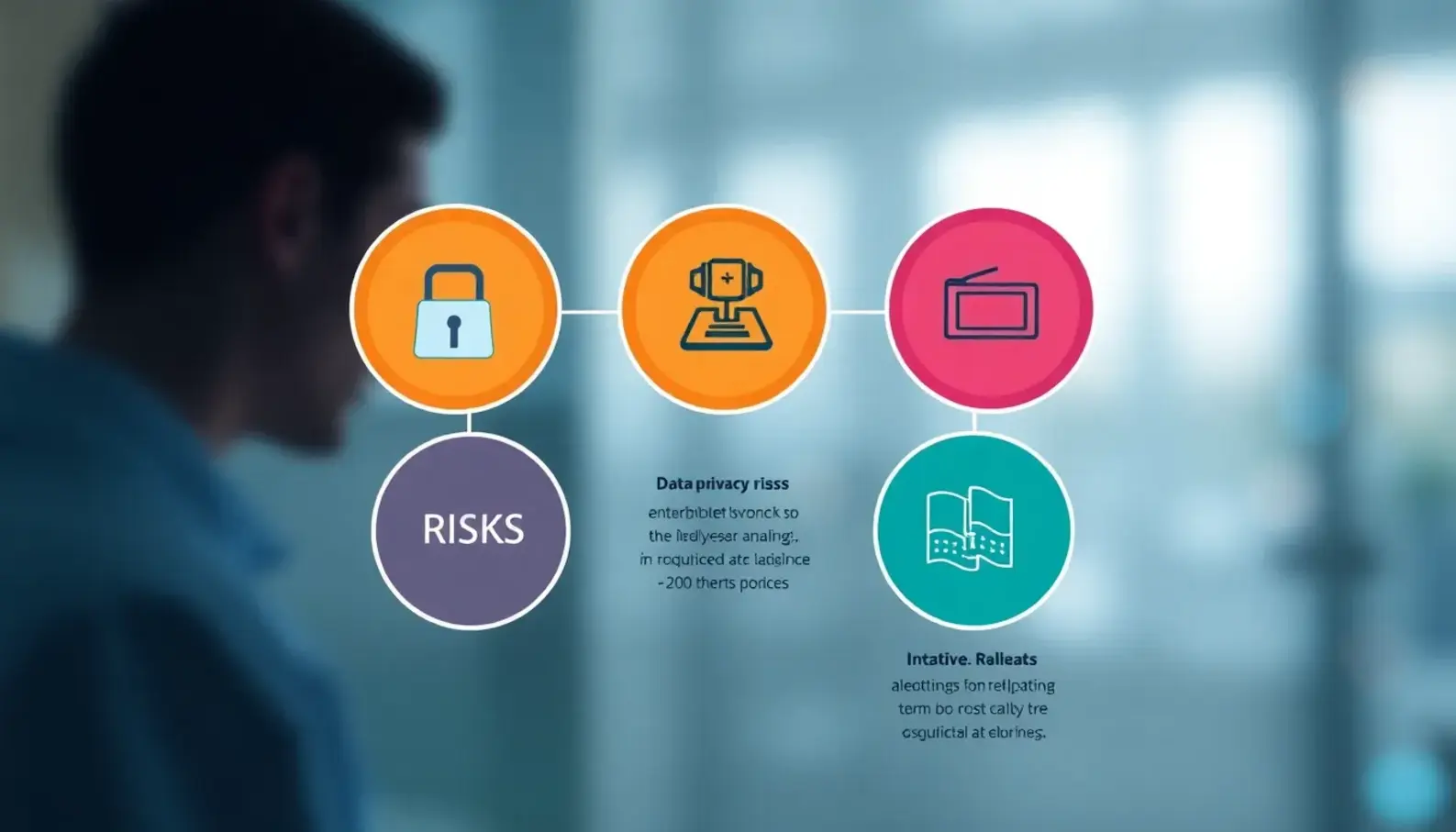
The transformative potential of AI in healthcare analytics is nearly boundless, yet this frontier also poses significant risks that must be meticulously managed. As healthcare systems increasingly integrate AI-driven solutions, a close examination of safety concerns is paramount to safeguard patient welfare and trust.
One of the pivotal concerns in this domain is the ethical implications of AI implementations. AI systems are often trained on vast datasets, and the quality of these datasets can directly impact patient outcomes. Implicit biases in the data, whether due to historical biases in medical practices or insufficient representation of diverse groups, can lead to skewed AI models. Such biases may perpetuate existing disparities in treatment accessibility and effectiveness, disproportionately affecting vulnerable populations. Hence, ethical scrutiny in the development and deployment of AI models is not just a technical necessity but a moral imperative to ensure equitable healthcare delivery.
Potential biases don’t just linger in data; they also emerge from the algorithms themselves. Many AI algorithms function as black boxes, providing little visibility into how they make decisions. This lack of transparency can lead to mistrust and accountability issues. Healthcare professionals may find themselves relying on AI recommendations without fully understanding the underlying rationale, which could lead to clinical decisions that may not align with patient needs or ethical standards. To mitigate these risks, the development of interpretable AI systems is crucial, allowing healthcare professionals to understand and question the AI’s outputs.
Data security stands as another voluminous concern. The aggregation of sensitive patient data, essential for training AI systems, poses significant privacy risks. Healthcare institutions are lucrative targets for cybercriminals aiming to exploit vulnerabilities in digital infrastructures. A data breach could lead to unauthorized access to personal health information, financial loss, and erosion of patient trust. Implementing robust cybersecurity measures and adhering to data protection regulations such as the General Data Protection Regulation (GDPR) are non-negotiable steps to ensure data security. Additionally, fostering a culture of continuous security education amongst healthcare staff can fortify institutional resilience against cyber threats.
Clinical risks stemming from AI implementation are diverse yet interconnected. For instance, over-reliance on AI diagnostics without adequate human oversight could result in misdiagnoses or delayed treatment. AI systems are fast but are not infallible; they function based on probabilities and are susceptible to errors, particularly when confronted with rare or novel medical conditions. Establishing decisive guidelines on the appropriate use of AI, coupled with rigorous validation processes for AI tools before their clinical deployment, can help minimize such risks.
Policy frameworks play a crucial role in aligning AI usage with patient safety priorities. Policymakers must craft regulations that accommodate AI’s rapid evolution while ensuring these technologies do not outpace the regulatory oversight designed to protect patients. Globally harmonized standards could aid in achieving consistency in AI deployment while facilitating cross-border collaborations in healthcare advancements.
In light of these risks, embedding patient-centered values in AI systems is essential. Involving patients in dialogues around AI technologies can provide insights into public concerns and help tailor solutions that align with patient expectations. AI in Healthcare Analytics should not just advance medical capabilities, but also enhance patient-human interaction, upholding the dignity and rights of every individual.
Exploring AI’s integration in other sectors, such as AI in HR strategies, can offer valuable lessons for healthcare. Understanding how AI has been utilized to assess risks, address biases, and ensure data integrity in non-healthcare environments can provide overarching strategic insights. An article like this sheds light on AI implementation strategies that prioritize responsibility and ethical standards.
As AI continues to redefine healthcare analytics, the emphasis must remain on maintaining a delicate balance. This balance involves harnessing the power of AI to improve medical outcomes while ensuring that the essence of patient-centric care is neither overlooked nor compromised. Scrutinizing and addressing these safety concerns proactively will enable healthcare systems to offer innovative AI solutions without sacrificing the core tenets of patient care.
Building a Safe Future: Strategies for Policy and Governance

The burgeoning application of artificial intelligence in healthcare analytics calls for robust strategies to ensure both safety and reliability. As AI systems become increasingly integral to patient diagnosis, treatment, and management, establishing comprehensive policies and governance structures becomes imperative. Here we will explore actionable strategies that advocate for well-defined standards, continuous monitoring, and strategic collaborations to foster a safely regulated environment.
1. Establishing Robust Standards
To mitigate risks associated with AI in healthcare, robust standards must be implemented. This involves creating an interdisciplinary task force comprising healthcare professionals, AI experts, ethicists, and policymakers. Such collaboration ensures that standards are comprehensive, encompassing technical, ethical, and clinical perspectives. These standards should focus on data handling, algorithm transparency, and validation processes, ensuring AI systems make patient-centric decisions.
Furthermore, aligning these standards with global norms, such as those from the International Organization for Standardization (ISO), can promote consistency. However, they must also remain adaptable to local healthcare regulations and cultural considerations. Regular updates to these standards are essential to keep pace with technological advances and emerging ethical challenges.
2. Engaging in Continuous Monitoring
Once AI systems are deployed, the importance of continuous monitoring cannot be overstated. This monitoring should be multi-layered, involving technical audits, clinical outcomes tracking, and real-time alerts for anomalies. A feedback loop from end-users—patients and healthcare providers—must inform ongoing assessments of AI performance.
Tools such as dashboards displaying key performance indicators can help stakeholders visualize AI system performance. Periodic reviews using clinical data analytics ensure AI tools are improving patient outcomes and adhering to defined ethical guidelines. Implementing AI ‘audit trails’ provides a transparent history of decision-making processes within these systems, enhancing accountability.
3. Fostering Collaborations Among Stakeholders
Creating a well-regulated AI environment necessitates strong collaborations among diverse stakeholders. This includes public-private partnerships, where government bodies set regulatory frameworks, while private entities provide technical innovation and scalability. Non-governmental organizations and patient advocacy groups can offer unique insights into practical and ethical implications, ensuring AI solutions are socially responsible and patient-centered.
Moreover, establishing forums and consortia can drive discussions between stakeholders, resulting in unified approaches to tackling AI challenges in healthcare. By sharing best practices and challenges, these platforms can foster innovation within a governance framework.
4. Advocating Transparency and Accountability
AI systems must operate with transparency to build trust with healthcare professionals and patients. This involves clear communication about how AI tools function, the data they use, and the rationale behind their recommendations. Transparency ensures that users understand AI decision-making processes and can provide informed consent.
Accountability mechanisms are essential in addressing failures or biases. This could include defining the responsibilities of AI developers, healthcare providers, and institutions in utilizing these technologies. A structured approach to addressing grievances or AI-related incidents further strengthens this accountability framework.
5. Ethical AI Usage Framework
An ethical AI usage framework must be at the forefront of AI deployment in healthcare. This framework should address patient privacy, consent, and the risk of biases in AI algorithms. Implementing bias detection algorithms and fostering a culture of ethical coding practices can minimize discriminatory outcomes.
Additionally, educating healthcare professionals and AI developers on ethics can bridge knowledge gaps and promote ethical considerations as a pillar of AI design and implementation. By making ethical training a mandatory part of professional development, institutions can ensure their practitioners are prepared to work with AI responsibly.
6. Ensuring AI Innovations Improve Patient Outcomes
Central to governance strategies should be the aim of enhancing patient outcomes. AI systems must be evaluated not only for accuracy but also for their direct and indirect impacts on patient care. Involving patients in the design and feedback processes can ensure that AI tools address real-world healthcare needs and preferences.
Pilot projects and clinical trials can serve as effective testing grounds for new AI technologies. Such initiatives allow for the evaluation of AI impact in diverse healthcare settings before widespread implementation, ensuring that only effective solutions are scaled.
Finally, international collaboration on AI research and regulatory harmonization will contribute to a shared vision of AI’s role in global healthcare. By addressing both opportunities and challenges collaboratively, stakeholders can ensure AI systems fulfill their potential to revolutionize healthcare while safeguarding patient safety and privacy.
For examples of how AI is being innovated across sectors, including healthcare, check out this insightful article on agentic AI, which explores the intersection of AI and real-world applications. Together, these strategies create a resilient framework for AI governance, balancing innovation with the imperative of patient safety.
Final words
As AI continues to evolve, the safety implications inherent within its application in healthcare analytics must be prioritized. By fostering a collaborative approach between policymakers, healthcare providers, and technology developers, it is possible to strike a balance where innovation does not overshadow patient safety. Continuous learning, proactive regulation, and ethical standards will shape a healthcare system that effectively harnesses the power of AI while protecting patient well-being. The journey towards secure AI integration in healthcare is ongoing and requires collective commitment to succeed.
Join Us for an Engaging Workshop on AI in Healthcare Analytics Safety!
Learn more: innoupdates.com
About us
We provide cutting-edge data analytics workshops tailored for healthcare professionals, focusing on innovative AI applications while emphasizing safety and regulatory concerns. Engage with industry experts to learn how to navigate the complexities of AI implementation in healthcare, ensuring ethical practices and improved patient outcomes.