
Logistics optimization has evolved significantly as companies seek innovative solutions to enhance their supply chain performance. Artificial intelligence (AI) plays a pivotal role in this transformation, empowering logistics managers and supply chain planners to make data-driven decisions. By leveraging AI technologies, businesses can gain unprecedented insights, streamline operations, and reduce costs, ultimately leading to improved customer satisfaction. Understanding how AI can be applied across different facets of logistics is crucial for professionals aiming to navigate an increasingly complex landscape.
Harnessing Predictive Analytics for Demand Forecasting
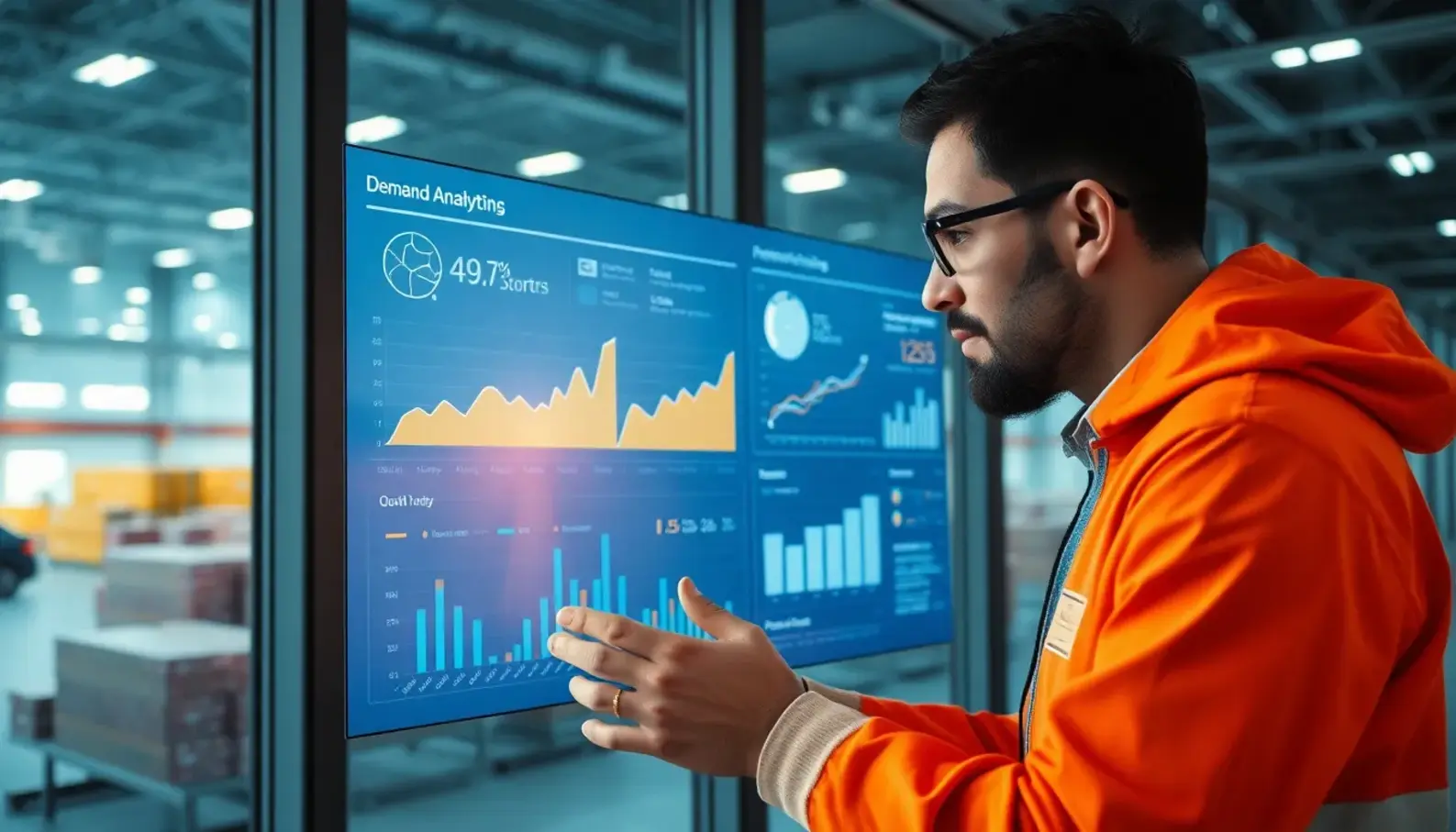
The logistics industry is increasingly turning to AI-driven predictive analytics to enhance the accuracy of demand forecasting. By leveraging sophisticated algorithms and the vast wealth of big data, logistics managers can make more informed decisions regarding purchasing and production. This capability is instrumental in refining supply chain operations to remain in tune with fluctuating consumer demands while also minimizing unnecessary waste.
At the core of predictive analytics in logistics is the utilization of diverse AI algorithms. These include machine learning models such as regression analysis, time series forecasting, and neural networks, each with its unique strengths in deciphering complex patterns in historical data. By analyzing variables such as past demand, seasonality, economic indicators, and external factors like weather patterns, these algorithms generate forecasts that are both accurate and actionable.
Regression analysis, for instance, can be employed to identify relationships between demand and multiple independent variables. Logistic companies may use linear regression to predict future demand based on historical data trends, adjusting for known variables that influence sales. Non-linear regression models, on the other hand, accommodate more complex relationships, capturing nuances that simple models may miss.
Time series forecasting is another robust method favored for its ability to analyze trends over time. Techniques such as ARIMA (AutoRegressive Integrated Moving Average) and exponential smoothing models are adept at predicting future demand based on past patterns. These models consider seasonality and cyclic patterns, thus allowing businesses to anticipate peak periods and prepare inventory accordingly without overstocking.
Neural networks represent a more advanced AI technique, capable of handling vast datasets to identify intricate patterns that traditional methods might overlook. These networks are designed to simulate the human brain’s neuron structures, enabling them to ‘learn’ from data inputs. For instance, feedforward neural networks and recurrent neural networks (RNNs) can process time-sequenced data, enabling highly accurate demand predictions—critical for reactive logistics operations.
Integrating such AI methodologies effectively relies crucially on big data. The unprecedented increase in data availability provides a rich repository from which predictive models can continuously learn and adapt. For logistics companies, harnessing data from sales transactions, customer feedback, social media trends, and other digital footprints empowers them to refine their forecasting models further, with more dynamic and real-time adjustments.
Beyond merely improving demand prediction accuracy, the implications of AI-driven forecasting for inventory management are profound. Logistics managers, armed with precise demand forecasts, can optimize inventory levels, maintaining a balance between meeting customer demand and minimizing holding costs. This not only ensures that goods are available when needed but also reduces the financial burden associated with excess inventory.
More accurate forecasting also has cascading effects on production planning. Manufacturers can align their production schedules more precisely with anticipated demand, mitigating the risks of overproduction and consequent wastage. By having a clear picture of future demand, resources can be allocated more judiciously, enhancing operational efficiency across the board.
The impact on procurement strategies is similarly significant. Knowing when and what to purchase helps in negotiating better terms with suppliers, securing favorable pricing, and ensuring timely deliveries. This proactive stance helps in establishing more resilient supply chains, less susceptible to disruptions.
Furthermore, predictive analytics allows for more tailored and responsive customer service. By predicting future demands, businesses are better positioned to cater to consumer needs, offering customized solutions that enhance satisfaction and loyalty. This, in turn, acts as a competitive differentiator in a crowded marketplace.
As AI continues to evolve, its role in forecasting extends beyond traditional methods. Innovations in deep learning and reinforcement learning hold promise for even more nuanced predictions, adapting to rapid changes in market behavior with unprecedented agility.
The integration of AI in logistics not only represents a leap forward in operational efficiency but also underscores the pivotal role of technology in the modern supply chain. Companies that invest in these advanced analytical capabilities position themselves to outpace competition, offering a more agile and responsive supply network.
For further insights into how AI is reshaping business landscapes, you may explore more innovative applications in business growth here. Embracing this transformation, businesses must remain vigilant about the ethical implications and governance of AI, ensuring responsible usage that upholds trust and transparency in the digital age.
Optimizing Routes and Reducing Transportation Costs with AI
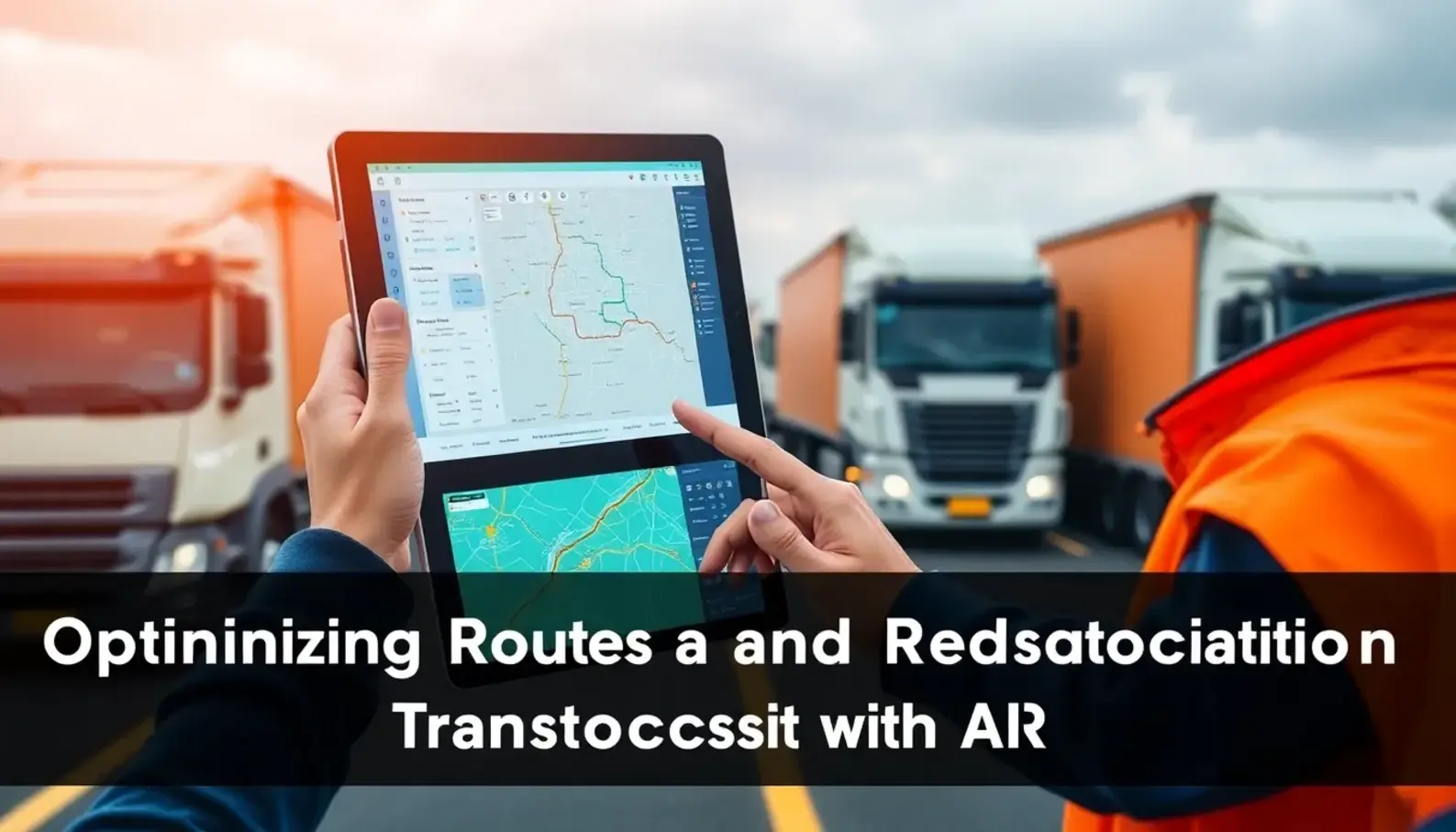
Artificial intelligence has become a pivotal element in transforming logistics, especially in optimizing transportation routes. Its ability to handle vast amounts of data and complex patterns makes AI indispensable for lowering shipping costs and enhancing delivery times. By deploying sophisticated algorithms, logistics managers can streamline operations to both improve efficiency and boost customer satisfaction.
AI algorithms excel in route planning by evaluating multiple variables simultaneously. Traffic patterns, weather conditions, road constructions, and fuel costs all influence optimal route selection. Through machine learning, AI systems learn from historical data to predict traffic and suggest alternate routes, minimizing delays and maximizing efficiency.
Hyper-efficient route planning directly impacts fuel efficiency. By decreasing the time spent on the road, AI reduces fuel consumption and, consequently, transportation costs. As fuel prices fluctuate, having an AI-powered system ensures more stabilized operational costs. AI can also model different scenarios to appraise the most fuel-effective routes. This approach not only benefits the bottom line but also contributes to environmental sustainability by cutting down on emissions.
Real-time data integration is another key benefit of AI in logistics. Unlike static pre-defined routes, AI-powered systems can recalibrate paths on-the-fly based on current conditions. If an unforeseen traffic jam occurs, AI swiftly analyzes alternative routes and adjusts the plan. This flexibility ensures that delivery times are as optimized as possible, leading to happier customers who value timely service.
AI also aids in predictive maintenance of transportation vehicles. By analyzing operational data, AI can forecast potential mechanical failures before they occur, preventing costly downtime and unexpected repairs. This predictive capability ensures more vehicles are on the route, leading to consistent and reliable service, further driving down overall logistics costs.
Another significant aspect is the integration of autonomous drones in logistics operations. AI controls these drones to optimize last-mile delivery, reducing human error and enhancing delivery speed. This technology enables companies to reach remote or densely populated urban areas with ease, offering a competitive edge.
AI can also influence strategic decisions beyond immediate logistical solutions. Predictive analytics offers insights that drive long-term strategy to manage dynamic variables effectively. Incorporating AI-driven insights, businesses can design better contract strategies with carriers based on predicted needs and historical performance data.
Efficiency enhancements through AI minimize unnecessary miles driven, reducing wear-and-tear on vehicles. Over time, this translates into longer vehicle life spans and reduced costs associated with fleet maintenance. Such comprehensive management systems offer a clear view of all logistical operations, further identifying any areas for cost-saving improvements.
The adoption of AI in logistics aligns with broader technological trends and strategic demands. Real-time coordination among diverse logistics systems can be achieved through AI, allowing a seamless flow of information that tackles inefficiencies. Advanced AI capabilities, such as reinforced learning, simulate countless scenarios to test, learn, and refine ever better-suited transport strategies.
AI applications in logistics add a layer of cognitive power that humans alone cannot achieve at the same speed or scale. Leveraging this power, companies are not only saving costs but also gaining a larger market share ground through better service quality.
For more insights on how technological innovations permeate logistics and more, visit this relevant internal link on autonomous drones in logistics. Here you’ll find how drone integration into logistics is reshaping last-mile delivery and much more.
Embracing AI-fueled logistics optimization exemplifies forward-thinking management. The continuous advancements predict a promising journey toward more efficient, cost-effective, and environmentally friendly logistics solutions.
Final words
AI in logistics optimization is not merely an enhancement; it is a necessity for achieving competitive superiority. By implementing AI-driven solutions, logistics managers and supply chain planners can make more informed decisions, minimize costs, and enhance service delivery. Embracing these technologies will empower organizations to adapt to changing market conditions and customer expectations.
Discover Efficient Logistics with AI
Learn more: innoupdates.com
About us
Our company offers AI-powered logistics software designed to optimize supply chain operations, enhance predictive analytics, and streamline route planning for increased efficiency and cost savings.