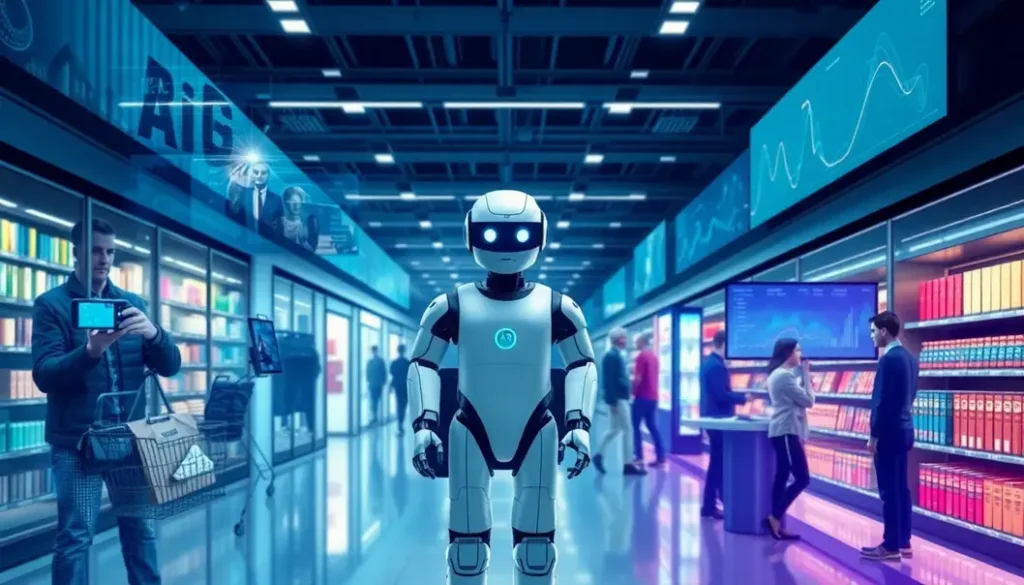
Artificial Intelligence (AI) is redefining the retail landscape, offering innovative solutions that enhance customer experiences. From personalized recommendations to intelligent inventory management, AI is continuously reshaping how retailers interact with their customers. As education professionals and specialists in creative applications, understanding the multifaceted roles AI plays in retail allows you to explore the implications for your students and clients alike. The integration of technology is not just a trend but a pivotal element in modern retail strategies, urging us to rethink traditional frameworks and approaches. This exploration reveals how AI serves as both a tool and catalyst for enhancing shopping experiences.
Personalized Customer Journeys: A New Era of Shopping
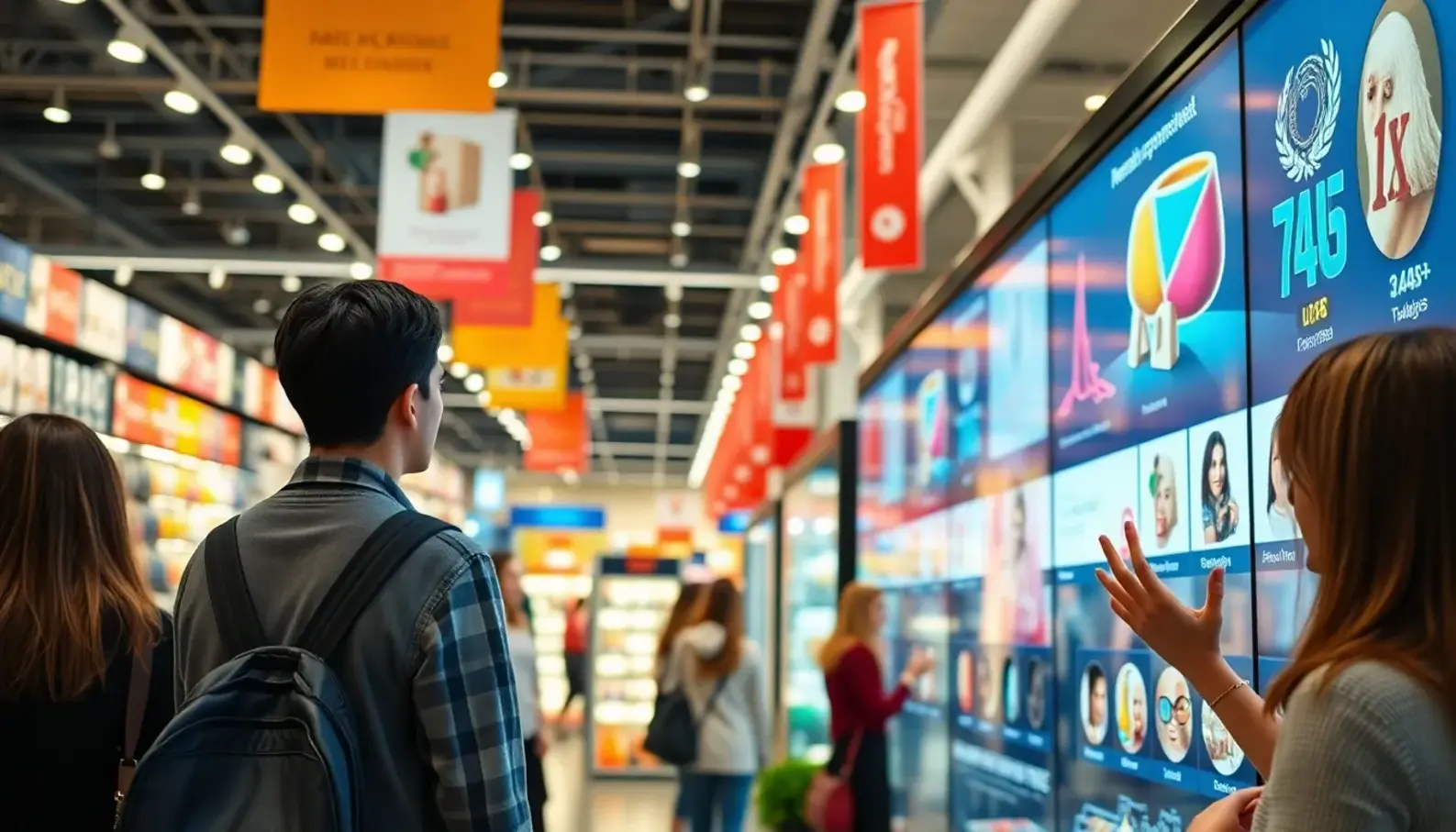
The retail landscape is undergoing a transformative shift as Artificial Intelligence redefines how businesses interact with consumers. At the heart of this evolution is the capacity for AI to personalize shopping experiences in ways once thought impossible. By harnessing vast datasets to analyze patterns and preferences, retailers can now offer each customer a uniquely tailored journey. This level of personalization fosters a deeper connection between retailers and their clientele, enhancing customer engagement and, ultimately, loyalty.
Recommendation systems serve as a cornerstone in this personalized shopping era. They operate by leveraging algorithms that scrutinize past behavior, such as purchase history, browsing patterns, and even the most minute interactions within a digital platform. These models, often powered by machine learning, recommend products that align with customers’ interests, increasing the likelihood of purchase and satisfaction.
Through collaborative filtering, one of the most prevalent methods in recommendation engines, AI can predict a user’s preferences by analyzing similarities with other users’ behaviors. This technique involves aggregating data to draw parallels between customers with comparable interests or profiles. For instance, if two customers have previously purchased similar items, it is likely that one will enjoy products that the other has not yet explored. These insights enable retailers to present products proactively, creating an anticipatory shopping experience.
Furthermore, content-based filtering focuses on the characteristics of items that a user has engaged with in the past. This approach analyzes product features and metadata, tailoring recommendations based directly on what a customer has shown interest in before. By cross-referencing qualities like color, brand, material, or function, retailers can suggest items that match a consumer’s individualized taste.
However, the sophistication of AI in retail extends beyond basic recommendations. By capturing and analyzing real-time data, AI can dynamically tailor the shopping experience as a customer interacts with a platform. Adaptive systems can alter user interfaces, suggest timely promotions, and even adjust pricing based on consumer behavior and external factors like location or time of day.
Another pivotal factor in AI-driven personalization is natural language processing (NLP). By interpreting the nuances of human language, NLP allows digital platforms to understand customer queries and sentiments more comprehensively. Chatbots and virtual shopping assistants utilize NLP to engage with customers in a conversational manner, providing a seamless and interactive experience. This technology doesn’t just answer questions; it learns from each interaction, improving its understanding of a customer’s needs over time. As these systems become more refined, they will increasingly anticipate needs before customers even voice them.
An additional layer of personalization is emerging from the integration of AI with augmented reality (AR) in retail. AR applications enable customers to visualize products within their personal context, blending the physical and digital worlds. AI enhances this experience by utilizing data to customize AR-generated content, such as suggesting designs for home decor that match a customer’s existing furniture style or providing virtual try-ons for apparel that consider a user’s unique body profile.
Despite the benefits, personalization in retail does not come without challenges. Data privacy remains a paramount concern for consumers, who may be wary of how their information is used. Retailers must navigate these concerns by ensuring transparent data practices and prioritizing security. Trust is crucial; as customers become more aware of their digital footprint, they need assurance that their data is handled responsibly.
Additionally, retailers must guard against over-personalization, which can lead to a narrowing of consumer choices. Though customers appreciate relevant suggestions, an inundation of similar products may lead to a stymied experience. It is crucial for retailers to maintain a balance, offering personalized suggestions while still providing a broad exploration of options.
As we delve deeper into the role of AI in creating personalized shopping journeys, we see an opportunity to fundamentally change how retailers connect with their audience. By merging data-driven insights with human touchpoints, AI can create experiences that are not only personalized but also engaging and innovative. These innovations hold the potential to not only enhance customer satisfaction but also to revolutionize the relationship between consumers and brands, fostering loyalty and driving growth.
To explore more about the convergence of AI and personalized shopping experiences in other contexts, visit innovation in AI-driven marketing strategies.
Automation and AI: Streamlining Operations for Enhanced Service
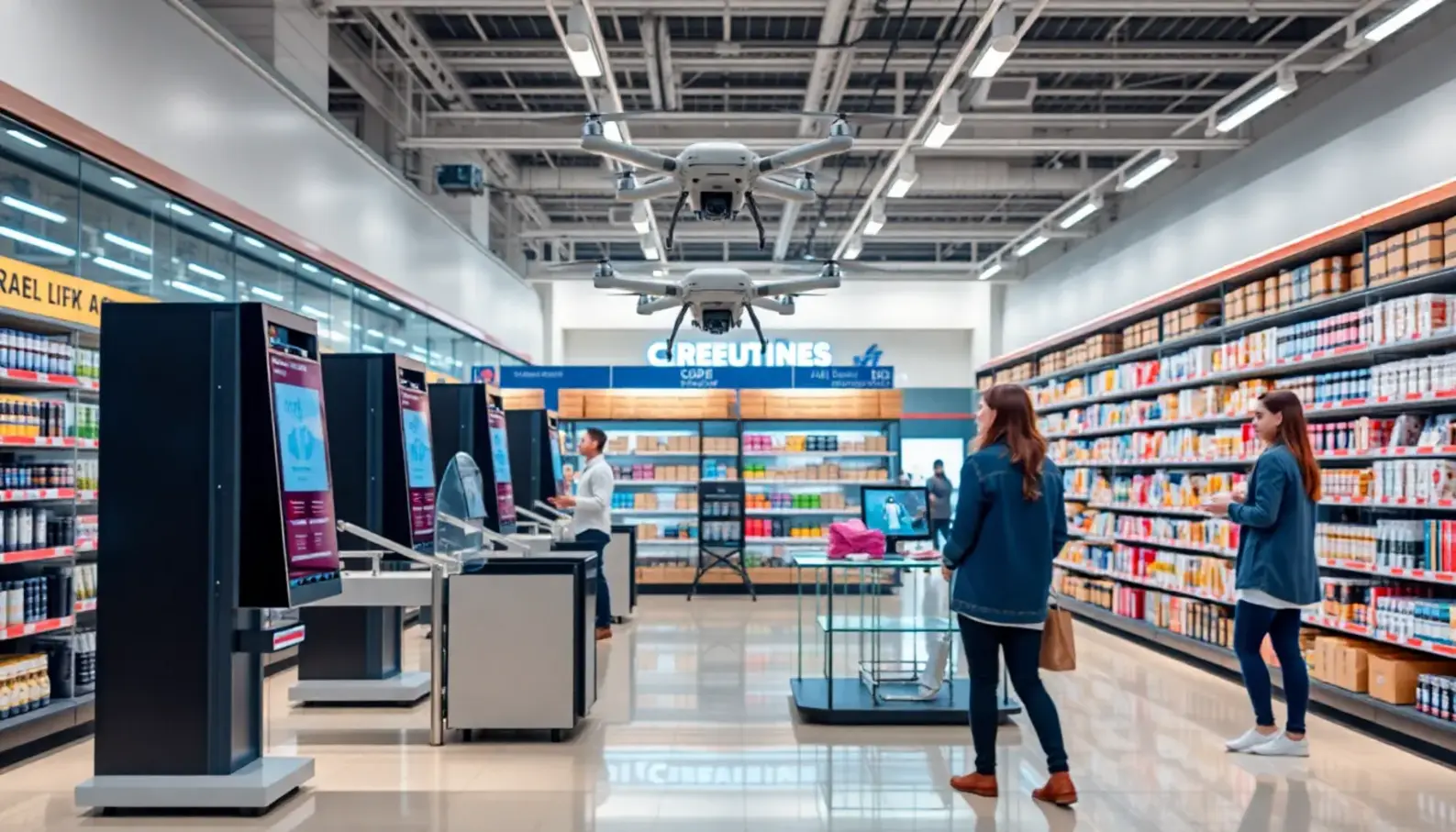
Artificial intelligence is revolutionizing retail through automation, transforming everyday operations into efficient, seamless processes. This transformation is at the heart of retail’s ongoing evolution, making stores not only faster but also smarter. The integration of AI technologies in inventory management, cashier-less checkouts, and customer service is powering this change.
Inventory management has always been a complex aspect of retail operations, often requiring significant human effort and time. With AI, this process is becoming more automated and precise. AI systems can analyze vast datasets swiftly, providing accurate demand forecasts and optimizing stock levels. By using machine learning algorithms, these systems assess historical sales data, seasonal trends, and external factors like economic conditions in real time. This leads to reduced overstock and stockouts, minimizing costs while meeting customer demand more effectively.
Moreover, AI-powered systems integrate with sensors and IoT devices, constantly tracking inventory levels and automating reordering processes. These systems provide notifications for low stock levels and can even predict when an item will need reordering. Such proactive management not only prevents potential losses due to stockouts but also enhances customer satisfaction by ensuring product availability.
Another notable advancement is the rise of cashier-less stores. These are transforming the checkout process, eliminating the need for traditional counters. AI technologies such as computer vision, sensor fusion, and deep learning enable customers to walk into a store, pick up the items they want, and leave without interacting with a cashier. All purchases are automatically tracked and charged to the customer’s account, creating a smooth and efficient shopping experience.
This innovative approach to checkout reduces queues and minimizes wait times, significantly enhancing customer convenience. It also allows employees to focus more on customer service and maintaining the store environment rather than handling transactions. Security is a critical aspect of these systems, which are equipped with advanced algorithms to detect shoplifting and ensure that the technology is used ethically.
AI is also making strides in enhancing customer service through chatbots and virtual assistants. These AI solutions offer 24/7 support, instantly resolving customer queries and providing information on products, store locations, and services. Natural language processing (NLP) enables these bots to understand and respond to a wide range of customer questions with accuracy and relevance.
Customer service chatbots are often integrated with retail websites and apps, offering an immediate connection without the need for human intervention. This not only saves labor costs but also increases customer engagement by delivering personalized recommendations based on previous interactions and purchasing history. AI-driven recommendations in retail applications help in upselling and cross-selling, tailoring offers to individual preferences.
Additionally, by analyzing customer feedback and interaction patterns, AI can help retailers develop more detailed customer profiles. This leads to better-targeted marketing strategies and more efficient inventory decisions, culminating in improved customer service and increased sales.
Educators and specialists need to be aware of these technological shifts to prepare future innovators in the field. Understanding the implementation and potential of AI in retail equips them to guide the next generation of technology leaders in this sector. Retail technology is rapidly changing, and embracing these advancements is crucial for maintaining a competitive edge.
Retailers venturing into the AI space should consider ethical implications, especially regarding data privacy and security. The balance between personalization and privacy must be maintained to avoid overstepping boundaries that could lead to consumer distrust. Training programs focusing on ethical AI use in retail can prepare specialists to design systems that respect customer privacy while delivering value.
The streamlined operations resulting from AI integration offer a glimpse into the future of retail. As these technologies continue to evolve, they will further transform the shopping experience, making it more efficient and personalized. Emphasizing ethical use and continuous learning will ensure that AI serves both retailers and customers, propelling the industry forward responsibly.
Final words
Embracing AI in retail not only enhances customer experiences but also paves the way for more efficient operations. As the landscape evolves, educators and specialists must remain attuned to these innovations, ensuring that future leaders are equipped with the necessary knowledge and skills to leverage these technologies effectively. The journey toward a smarter retail experience is in motion; let’s guide the way forward.
Book a Demo
Learn more: https://innoupdates.com
About us
Our company specializes in AI-driven solutions for the retail sector, offering personalized technology to enhance customer experiences and operational efficiency. From recommendation engines to automated systems, our comprehensive offerings empower businesses to transform their retail strategy and delight their customers.