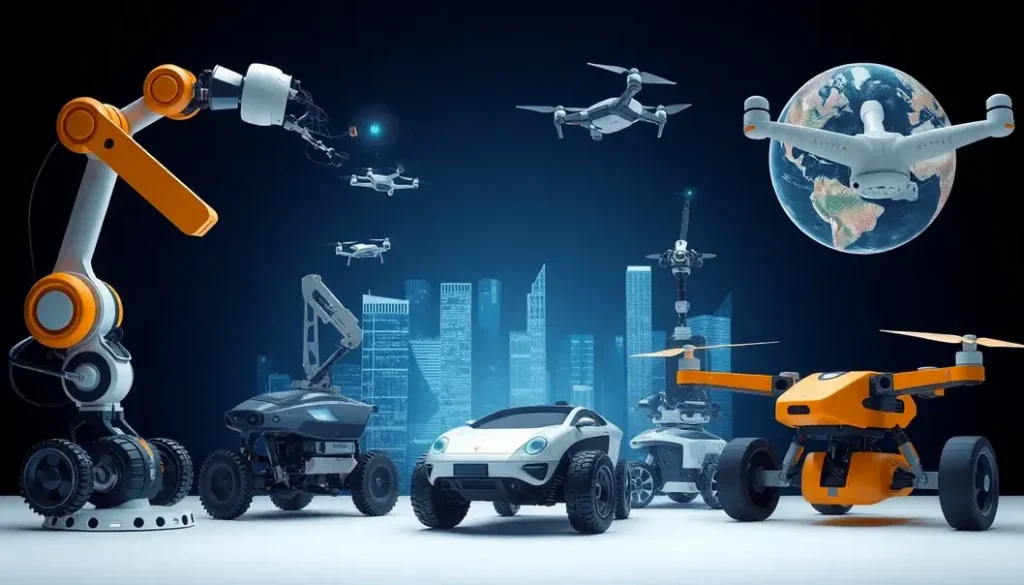
Reinforcement Learning (RL) stands at the forefront of algorithmic innovation, driving the advancement of intelligent systems in robotics and AI. By simulating environments where agents learn optimal strategies through trial and error, RL enables unprecedented capabilities across various applications. This article delves deep into the intricate dynamics of RL, showcasing its real-world applications that are reshaping fields from autonomous driving to complex decision-making tasks in robotic systems. As the lines blur between human-like reasoning and intelligent behavior, RL effectively empowers machines to adapt, optimize, and thrive in dynamic environments.
Advanced Robotics and Automation
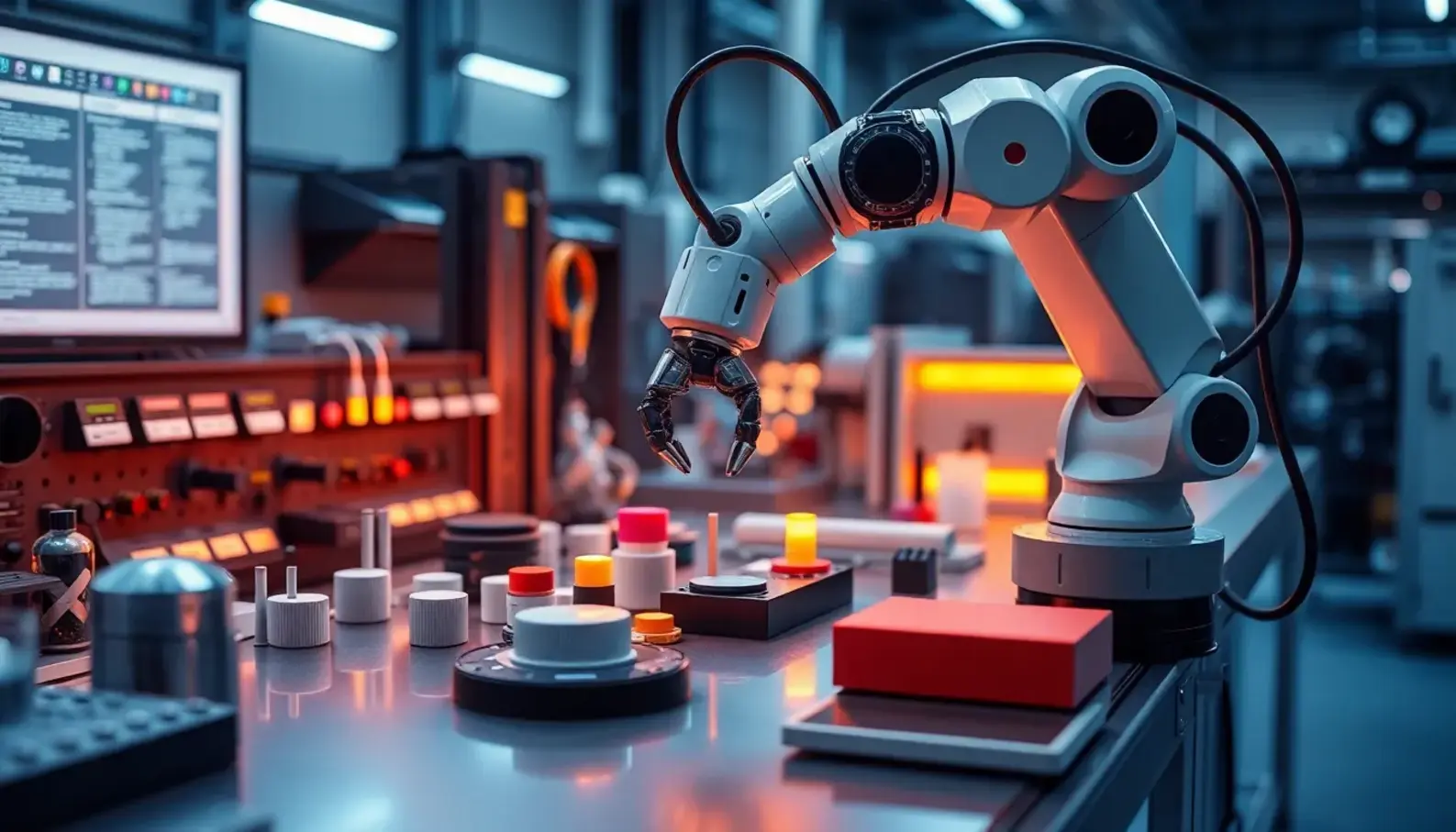
Reinforcement Learning (RL) is transforming the field of robotics by offering sophisticated approaches that significantly enhance automation capabilities. What was once considered tasks solely within the realm of human dexterity and decision-making are increasingly becoming domains where robots excel, thanks to advancements in RL techniques.
Robotic manipulation is a prime example of how RL is breaking barriers in automation. Traditional robotic systems require precise programming to handle predefined tasks, practically limiting their adaptability. However, RL algorithms enable robots to learn from their environment through trial and error, refining their skills much like humans. For instance, policy gradient methods allow a robot arm to learn the optimal path to grasp a wide variety of objects. The ability to adaptively adjust to new objects and settings is feasible as the robot iteratively enhances its policy to maximize its cumulative reward.
Another pivotal area RL is influencing is autonomous navigation. Navigating complex and dynamic environments was once a monumental challenge for robots, especially those relying on pre-programmed paths. But with RL, robots can now dynamically assess their surroundings and decide the best course of action on the fly. Q-learning, a model-free RL algorithm, is particularly adept at enabling robots to find optimal navigation paths by learning action-value pairs over time. As the robot gains more experience, it can better predict which actions will lead to favorable outcomes, allowing for more efficient movement.
Simulation environments play a critical role in fostering these developments, providing safe and scalable platforms for RL agents to hone their skills. OpenAI Gym and MuJoCo are two such environments that have become staples for researchers developing RL-based robotics solutions. These platforms simulate real-world physics, enabling the trial of numerous iterations without the risk of damaging physical hardware. As a result, robots can practice and optimize their algorithms in virtual scenarios before transitioning to real-world applications, drastically reducing development time and cost.
The interface between RL and robotic perception opens another frontier. Enhancing how robots perceive their environments allows them to make better decisions, an area where RL demonstrates significant benefits. By reinforcing learning in perception systems, robots can improve their object recognition capabilities and spatial awareness. This advancement paves the way for applications such as warehouse automation, where robots must efficiently discern between items and navigate cluttered spaces autonomously.
Consider how RL is employed in tandem with neuromorphic computing architectures, where models inspired by the human brain are integrated to construct energy-efficient and potent learning systems. This symbiosis is forming a cornerstone for next-generation robots that possess heightened perception and decision-making capabilities. Neuromorphic chips help further the robots’ ability to conduct complex tasks, enhancing both speed and precision while consuming less power. Read more.
The success of RL in robotics not only hinges on learning algorithms but also on how well these algorithms generalize across various tasks and conditions. Transfer learning, a concept rooted in the ability to generalize, allows robots to transfer knowledge gained from one task to another. This capability is proving integral as it significantly reduces the time and resources needed for training algorithms from scratch.
Yet, despite the advancements, challenges remain. RL heavily relies on computing power and data, and creating realistic simulations can be computationally expensive. Furthermore, real-world environments are often more complex and unpredictable than simulations, posing further obstacles when transitioning RL models to practical applications.
Nevertheless, Reinforcement Learning continues to push the boundaries of what robots can achieve, consistently enabling them to perform tasks with a degree of skill and efficiency once thought impossible. As algorithms evolve and become more sophisticated, and as simulation environments grow more realistic, the scope of RL in robotics will undoubtedly expand, heralding the arrival of intelligent automation systems capable of transforming industries.
Reinforcement Learning in Autonomous Systems
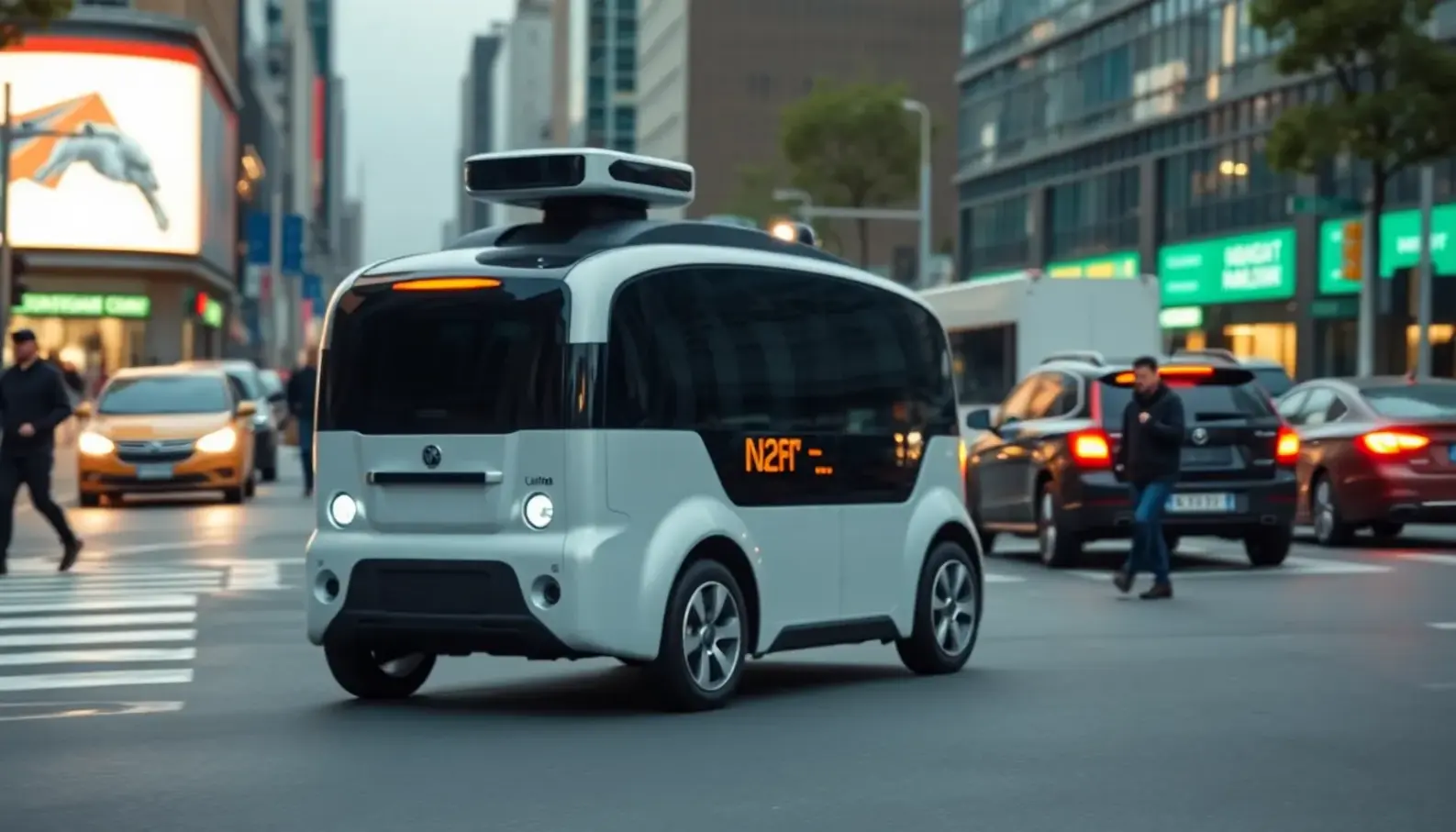
Reinforcement Learning (RL) has emerged as a pivotal approach in enhancing the capabilities of autonomous systems. These systems, like self-driving cars and drones, require robust decision-making frameworks to navigate the complexities of real-world environments. RL offers a mechanism by which these systems can learn from interactions, making it particularly suited to dynamic scenarios riddled with unpredictability.
The essence of RL lies in its ability to improve decision-making by leveraging interactions with the environment. In autonomous vehicles, RL algorithms allow the vehicle to adjust its strategies based on real-time feedback. This real-time adjustment is crucial in coping with ever-changing road conditions and traffic dynamics. Imagine an autonomous car approaching a busy intersection. It must interpret signals, predict pedestrian movements, and respond to other cars, all while ensuring passenger safety and road regulations compliance.
One prominent case study involves the deployment of RL in self-driving cars to navigate urban environments. These cars employ a combination of sensors and cameras to perceive their surroundings, feeding data into RL models that suggest optimal actions. The challenge lies in training these models robustly, requiring an enormous amount of data to cover every conceivable driving scenario. This training is often conducted in simulation environments to enhance safety and cost-effectiveness.
Drones, as another example of autonomous systems, utilize RL to execute precise maneuvers. In logistics, delivery drones face the challenge of navigating complex airspaces while avoiding obstacles like buildings and birds. RL algorithms help drones learn efficient paths and adaptive behaviors, adjusting to factors such as wind and varying payload weights. These capabilities reduce human intervention and enhance operational efficiency in regions where terrestrial delivery might be impractical.
Despite these advancements, significant challenges persist in the training and deployment of RL-influenced autonomous systems. Safety concerns are paramount. In autonomous vehicles, the consequences of errors can be fatal, necessitating exhaustive testing and validation. The algorithms must be sufficiently reliable before they are deemed roadworthy. Additionally, these systems must generalize learned behaviors across different environments. A vehicle trained in urban traffic must adapt to rural settings with less traffic and different obstacles.
Furthermore, hardware constraints pose limitations. Autonomous systems require immense computational power to process sensory inputs and implement RL algorithms in real-time. The choice of hardware influences the system’s responsiveness and accuracy. Compact and efficient hardware solutions are necessary to integrate RL effectively without impairing the design and functionality of the vehicles or drones.
Another consideration is the ethical implications of decision-making in autonomous systems. RL models must be trained to prioritize safety and ethical standards during critical situations. A well-documented conundrum is the “trolley problem,” where an autonomous system must choose between two undesirable outcomes. Designing policies around these issues is an ongoing discussion in the robotics and AI communities.
Moreover, the deployment of RL in autonomous systems aligns with the broader spectrum of technological convergence. As noted in discussions on hybrid computing strategies, integration with other AI models and computational approaches can further amplify the capabilities of these systems. This convergence enables new paradigms of operation, including the meeting of cloud-based intelligence with on-device capabilities to improve real-time decision-making.
In conclusion, the integration of RL into autonomous systems is a promising frontier in AI and robotics. It enhances the capacity for real-time adaptations, enabling systems to handle complex scenarios effectively. While myriad challenges and ethical considerations remain, the ongoing advancements in this field offer a glimpse into a future where autonomous vehicles and drones become commonplace, transforming industries and everyday life.
Final words
The applications of Reinforcement Learning in AI and robotics demonstrate not only the adaptability of machine intelligence but also its potential to enhance previously unattainable capabilities. By leveraging RL principles, researchers and engineers are crafting increasingly sophisticated systems that can learn, adapt, and perform in complex environments. As the field continues to evolve, the exploration of new RL applications promises exciting advancements, challenging the boundaries of what machines can achieve in partnership with human intelligence.
Dive into Reinforcement Learning Use Cases
Learn more: innoupdates.com
About us
We provide comprehensive RL-based AI Solutions and Development Tools tailored for innovators in robotics and artificial intelligence. Our offerings empower teams to harness the potential of Reinforcement Learning and develop cutting-edge applications efficiently.