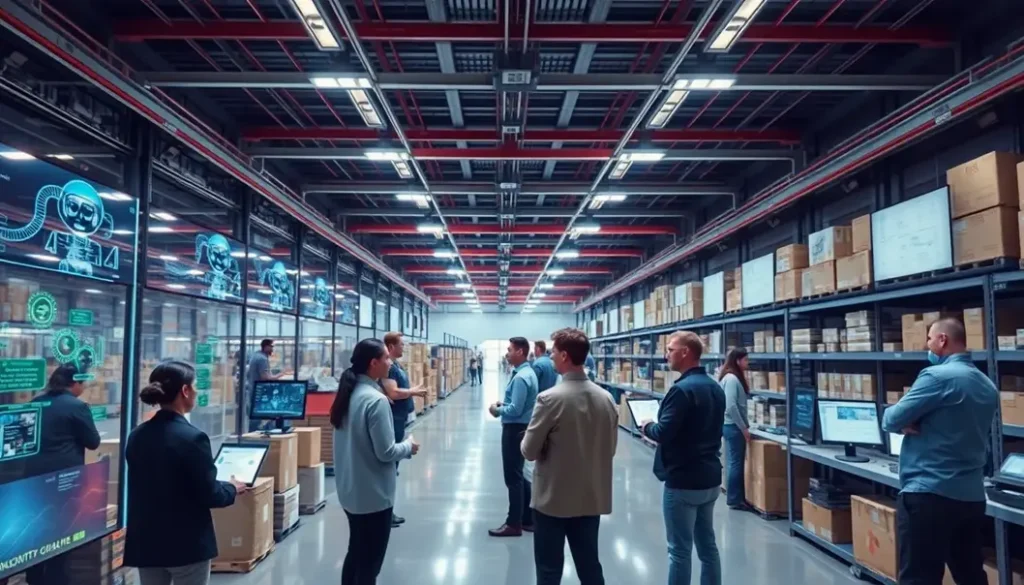
The integration of artificial intelligence in supply chain planning is positioned as a game changer in the realm of operational efficiency. With rapid advancements in machine learning and data analytics, organizations can achieve unprecedented levels of insight, predictability, and responsiveness. The implications of these technologies extend beyond mere automation; they encompass a complete rethinking of how supply chains function. By harnessing AI, companies can streamline processes, reduce costs, and improve customer satisfaction. This evolving landscape not only challenges traditional methodologies but also opens up new opportunities for growth and innovation.
Navigating Supply Chain Complexity with AI
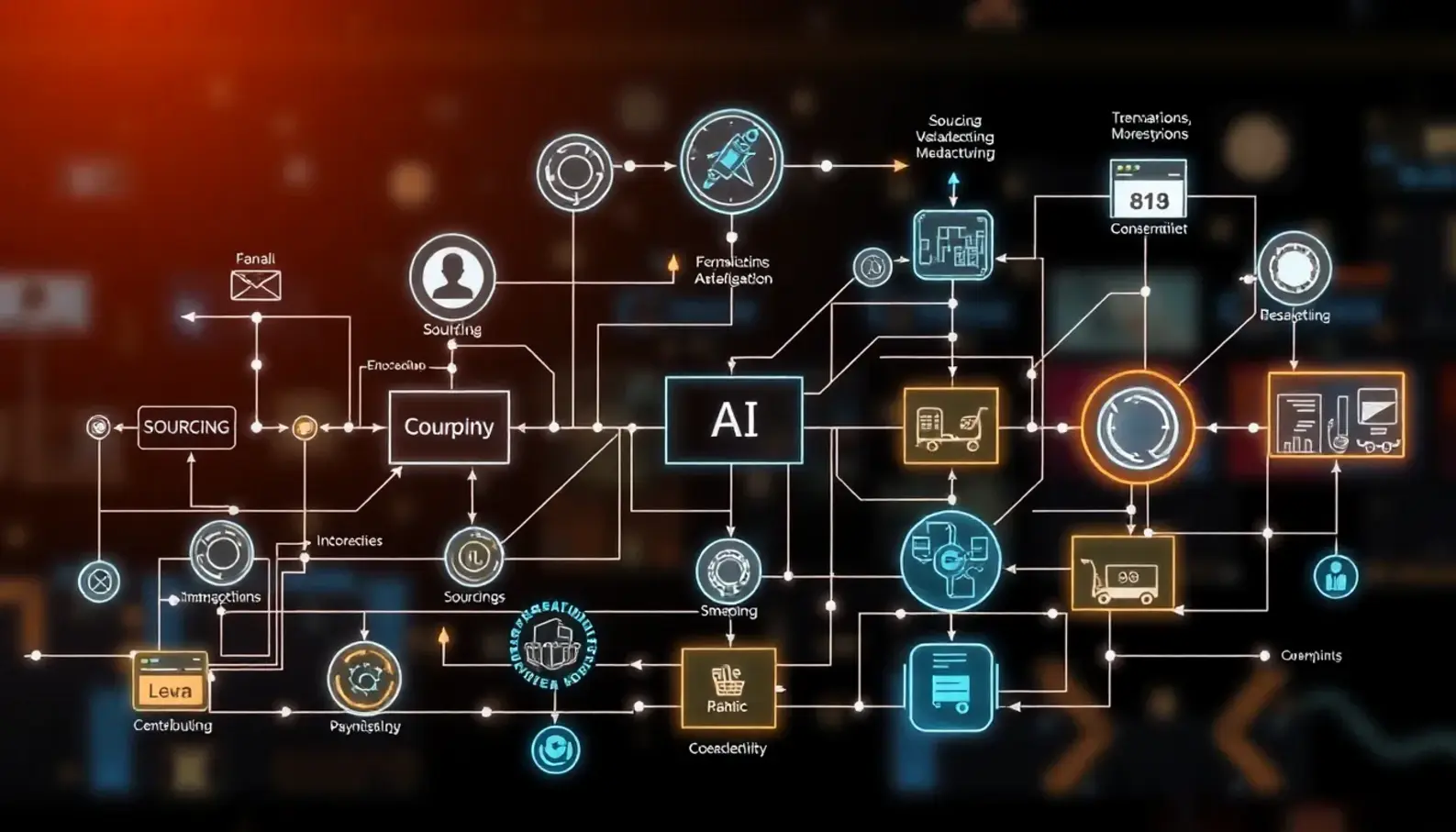
Supply chains are inherently complex, involving a web of interconnected partners, processes, and technologies that span the globe. The unpredictability of demand, variability in supplier performance, and the need for optimized inventory levels create a challenging landscape for supply chain professionals. AI-powered solutions have emerged as a transformative force, helping businesses to unravel these complexities and implement more agile, efficient systems.
One of the primary challenges in supply chain management is demand variability. Traditional methods of forecasting often fall short in responding to rapid market changes and consumer behavior shifts. AI, with its capability to process vast amounts of data and learn from patterns, significantly enhances demand forecasting accuracy. Unlike conventional models that may rely on limited historical data, AI can incorporate diverse data sources such as social media trends, weather forecasts, and economic indicators, delivering real-time insights that drive more precise predictions.
AI not only improves forecasting but also bolsters supplier reliability. Supplier performance continues to be a critical determinant of supply chain success. Identifying and managing risks associated with supplier relationships is vital for maintaining smooth operations. AI systems can continuously monitor supplier data, assessing factors like delivery times and defect rates. By analyzing this information, businesses can swiftly identify underperforming suppliers, understand potential risks, and take proactive measures to mitigate these risks before they adversely impact operations.
Inventory optimization is another domain where AI facilitates strategic advancements. Maintaining optimal inventory levels—neither too high nor too low—is a persistent balancing act. AI algorithms, through pattern recognition and predictive analytics, enable more dynamic inventory control. They help in predicting stock levels that align closely with actual demand, minimizing both overstock situations and stockouts. This precision not only reduces holding costs but also enhances service levels and customer satisfaction.
One crucial aspect of navigating supply chain complexity is comprehensive visibility. AI tools offer unparalleled visibility across the entire supply chain, helping businesses track the movement of goods from suppliers to end consumers. This visibility is crucial for effectively managing logistics and addressing disruptions as they arise. By integrating AI with existing systems, companies gain a bird’s-eye view of their operations and can make informed decisions faster.
AI-driven decision-making supports agility. Supply chains must be nimble, with the ability to adjust plans quickly in response to unforeseen events such as natural disasters or geopolitical tensions. AI systems facilitate swift reconfiguration of supply chain networks by providing scenario planning capabilities. These capabilities assess implications of various disruptions and suggest optimal strategies.
However, embracing AI in supply chain management is not without challenges. Organizations often face hurdles such as data silos, where information is not easily accessible across the enterprise. Integrating AI requires overcoming these silos to ensure seamless data flow. Additionally, there is a learning curve for employees to fully leverage AI tools, necessitating investment in training and change management strategies.
Moreover, ethical considerations in AI deployment must be addressed. Ensuring data privacy and fair use of AI technologies involves setting up robust governance frameworks. Companies must ensure that their AI implementations comply with regulations and uphold ethical standards, fostering trust with customers and partners.
Harnessing AI in supply chain management is a journey towards greater efficiency and resilience. By addressing demand variability, supplier reliability, and inventory optimization through intelligent automation, organizations are well-equipped to navigate the numerous complexities of modern supply chains. AI stands as a powerful ally, providing the tools to achieve significant competitive advantage.
For more insights into the applications of AI in different sectors, consider exploring how AI is revolutionizing business growth: AI in Business Growth.
Leveraging Predictive Analytics for Proactive Planning
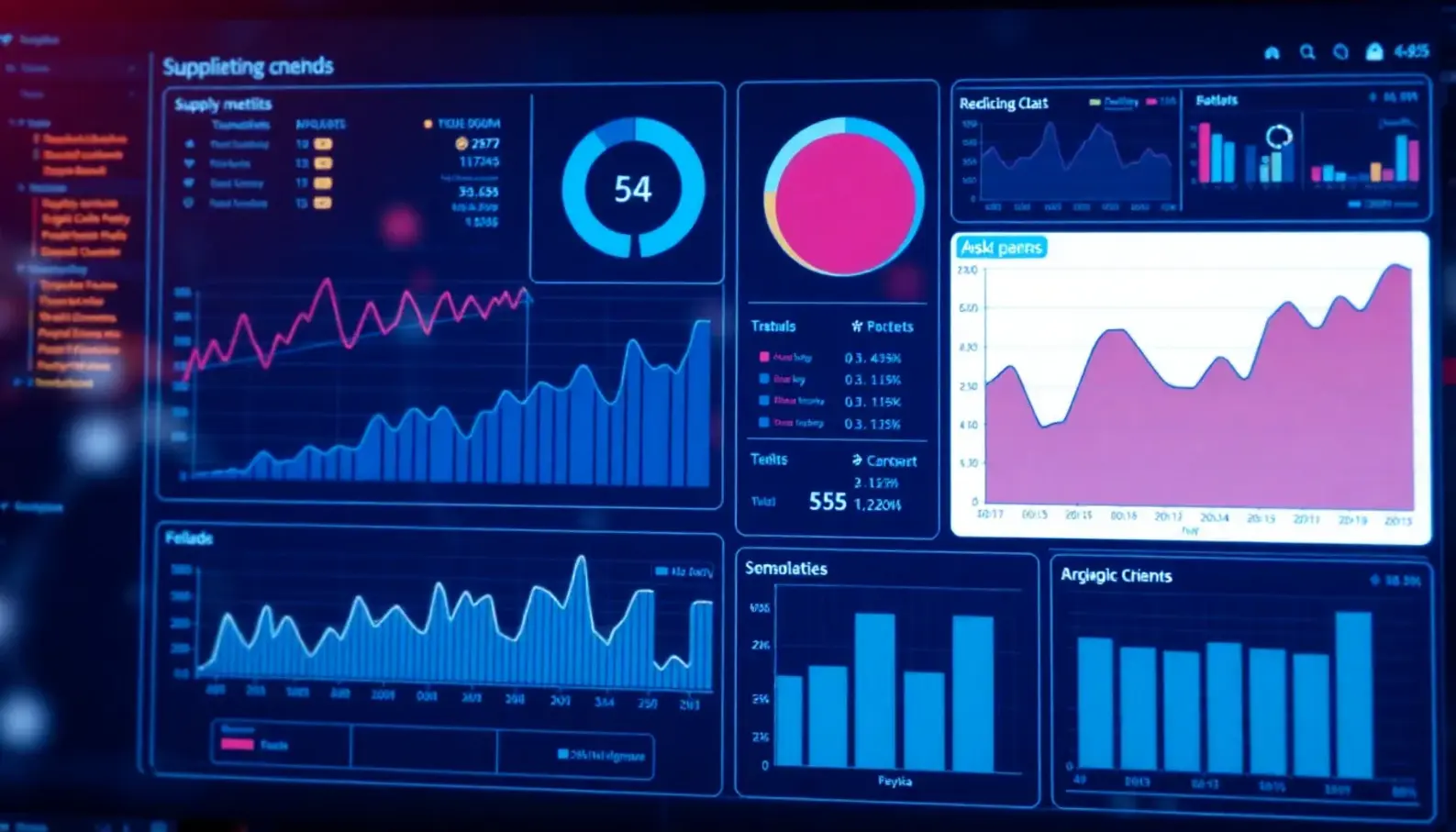
Predictive analytics has emerged as a cornerstone in enhancing supply chain management by anticipating challenges before they arise. AI-driven insights allow businesses to dissect and comprehend vast swathes of data, turning raw information into actionable foresights. By analyzing historical data patterns, companies can forecast demand with remarkable precision, adjust inventory levels accordingly, and prepare for potential disruptions.
The foundation of predictive analytics lies in identifying key metrics that propel informed decision-making. Business leaders should track metrics such as order lead times, inventory turnover rates, and supplier performance indices. These indicators provide a lens through which potential disruptions can be anticipated and managed proactively. Utilizing machine learning algorithms, these metrics can be synthesized to foresee supply chain bottlenecks before they manifest.
One successful implementation case is a global consumer goods company that integrated predictive analytics into its supply chain. By leveraging data from previous sales cycles, weather forecasts, and economic indicators, the company could accurately predict demand fluctuations. This foresight enabled them to optimize production schedules and inventory levels, reducing excess stock and minimizing the risk of shortages. Consequently, they achieved over a 20% reduction in holding costs and enhanced their service levels significantly.
Effective demand forecasting requires quality data as outlined in this case study. Businesses must cultivate a robust data infrastructure that not only aggregates data from various touchpoints but also ensures its accuracy and relevance. This involves constant cleansing and updating of data sets to maintain their integrity. With reliable data, predictive models can simulate various scenarios, assessing their impact and guiding strategic planning decisions.
A pivotal aspect of predictive analytics is its role in risk mitigation. By identifying potential supply chain vulnerabilities, businesses can implement contingency plans to cushion the impact of unforeseen events. For instance, predictive models can analyze geopolitical trends and transportation disruptions, allowing companies to diversify their supplier base or adjust shipping routes in advance. This proactive approach fortifies the supply chain against volatility, ensuring continuity and resilience.
Moreover, the integration of AI in predictive analytics adds a layer of agility to supply chain planning. Algorithms learn continuously, refining their predictions as more data becomes available. This dynamic capability enables businesses to pivot quickly in response to sudden changes in market conditions or consumer behavior. With AI at the helm, supply chains are not just reacting to changes but anticipating and adapting to them.
For readers looking to delve deeper into how AI is reshaping logistics and supply chain frameworks, the article on autonomous drones in logistics may offer valuable insights. As autonomous systems become increasingly prevalent, their integration with predictive analytics further increases the scope for enhancing supply chain efficiency.
In conclusion, leveraging predictive analytics powered by AI transforms supply chain planning from a reactive task into a strategic advantage. By focusing on essential metrics, ensuring data integrity, and anticipating risks, businesses can enhance their planning accuracy and agility. Mastery of these tools enables organizations to not only meet customer demands but exceed them, setting a new standard for supply chain excellence.
The Future of Workforce in AI-Driven Supply Chains

As AI becomes an integral part of supply chain management, the workforce landscape is evolving significantly. The adoption of AI technologies redefines existing roles, introduces new ones, and alters skill requirements across the industry. In this new paradigm, it is essential for supply chain professionals to adapt, learning not only to coexist with intelligent systems but also to leverage them for enhanced decision-making and operational efficiency.
AI technologies automate repetitive and labor-intensive tasks, such as demand forecasting, inventory management, and logistical planning. This shift from manual processes to automation means that the demand for human labor in these areas may decrease. However, it does not necessarily translate to a reduction in workforce size. Instead, it opens opportunities for workers to engage in more strategic, innovative roles. As mundane tasks become automated, supply chain professionals can focus on roles that require problem-solving, critical thinking, and creativity.
With AI taking over routine activities, the need for workers who can interpret data, manage AI systems, and integrate these technologies into existing frameworks grows. It is crucial for supply chain professionals to develop strong analytical skills, understanding how to read and act upon the insights provided by AI algorithms. Additionally, there is an increasing emphasis on soft skills, such as communication and adaptability, which are essential for effectively collaborating with AI and human colleagues alike.
Training and development play pivotal roles in this transition. Organizations must invest in continuous learning programs that equip their workforce with the necessary skills to navigate AI-driven environments. These programs should encompass not only technical skills related to AI and data management but also modules that enhance creativity, strategic thinking, and leadership abilities. By fostering a culture of learning, businesses can ensure their employees remain agile and responsive to technological changes.
Beyond skill enhancement, reshaping organizational culture to embrace AI innovations is fundamental. Human Resources (HR) strategies should focus on cultivating a mindset that views AI as an enabler rather than a threat. Creating a workplace that encourages experimentation with AI tools and values the insights drawn from technology enhances both employee engagement and productivity. Transparency about AI’s role in the organization helps mitigate fears and resistance, promoting a more harmonious human-AI collaboration.
Moreover, integrating AI into the supply chain requires a rethinking of recruitment strategies. Hiring should prioritize candidates with cross-functional expertise, who can serve as bridges between different departments, facilitating the seamless integration of AI capabilities across the organization. Furthermore, diversity in hiring can bring a wide array of perspectives and ideas, which is invaluable in driving innovative solutions within AI-driven supply chains.
As organizations embrace AI, ethical considerations cannot be overlooked. Supply chain professionals must be equipped to navigate ethical dilemmas that arise from AI deployments, ensuring decisions and operations remain aligned with ethical standards. Issues such as data privacy, algorithmic bias, and the transparency of AI decision-making processes require ongoing attention and expertise.
To stay competitive in this AI-enhanced landscape, companies must create an environment where human and machine collaboration thrives. By investing in skills development and promoting cultural shifts towards embracing technology, businesses can harness the full potential of AI. This collaboration not only boosts efficiency and agility but also fosters a workforce that is adept at navigating the complexities of modern supply chains.
By aligning HR strategies with technological advancements, companies can remain at the forefront of innovation. A proactive approach to workforce development ensures that AI becomes a valuable ally, driving the supply chain industry towards a future marked by unprecedented levels of efficiency and resilience.
For more insights on HR strategies and AI integration, you can explore further details in AI in HR Strategies.
Final words
The implementation of AI in supply chain planning not only optimizes operational efficiencies but also reshapes the entire landscape of logistics management. As organizations continue to embrace these technologies, the synergy between human intelligence and artificial intelligence becomes crucial. Companies that invest in AI capabilities and workforce readiness will find themselves at the forefront of innovation, poised to tackle future challenges with agility and confidence.
Stay ahead in business by subscribing for updates on AI advancements.
Learn more: https://innoupdates.com
About us
Our company specializes in delivering cutting-edge AI solutions tailored for supply chain management, helping organizations optimize processes, enhance visibility, and improve responsiveness. We provide comprehensive consulting services, tools, and technologies designed to integrate seamlessly into your operations, ensuring you remain competitive in an evolving market.